1
Safety Precautions
CO2 is heavier than air and can collect in low areas
such as basements, stairwells, and confined spaces.
Avoid entry into areas where CO2 leaks or high
concentrations of CO2 are suspected. Enter those areas with
caution only after they have been thoroughly ventilated.
IMPORTANT SAFETY PRECAUTIONS
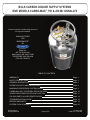
The type of vessel described in this manual holds
and dispenses carbon dioxide (CO2) gas under
pressure. All persons using this equipment must
read and understand the operation and safety
information contained in this manual and must
be adequately trained to operate this equipment.
Whenever the vessel is inside a building, that
vessel’s safety relief circuit must be connected
to an outdoor vent; typically in the fill box. The
fill box and/or vent must never be located in or
above any below-ground spaces or stairwells. The
vessel must not block emergency exits, aisles,
fire suppression equipment or utility boxes or
accesses. CO2 lines or hoses must be located
away from traffic areas and heat sources and must
be protected from potential causes of damage. All
connections, lines, and components must be leakfree.
CO2 gas is a colorless, odorless, tasteless gas
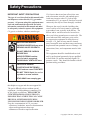
SUFFOCATION HAZARD.
CARBON DIOXIDE GAS can cause
SERIOUS INJURY OR DEATH.
DO NOT BREATHE CARBON
DIOXIDE GAS.
This equipment should be installed and serviced
only by professional personnel who are qualified
to work with CO2 and the mini-bulk liquid CO2
pressure vessels. They should be familiar with all
pertinent safety procedures.
AVOID ENTERING canister
area if a leak is suspected.
THOROUGHLY VENTILATE area.
FROSTBITE HAZARD.
CONTENTS ARE EXTREMELY
COLD and can cause FROSTBITE.
DO NOT TOUCH liquid, ice, or ice
crystals on or near canister.
STAY AWAY from escaping gas.
that displaces oxygen and does not support life.
The gas is difficult to detect without special
equipment. Avoid breathing or contacting CO2
in gas, liquid or solid form. EXPOSURE TO
CONCENTRATIONS OF LESS THAN 5%
FOR LESS THAN 15 MINUTES CAN CAUSE
PHYSICAL SYMPTOMS INCLUDING
UNCONSCIOUSNESS, INJURIES OR DEATH.
Even low concentrations of CO2 can cause:
• Dizziness, headaches, nausea or disorientation
• Increased respiration or heart rate
• Shortness of breath or rapid suffocation.
3
Copyright: Chart Inc., January 2010