1
Red-Eye Reduction
Improving flash range
Flash exposure compensation also lets you increase the amount of flash that gets
added to a scene. However, this increase does not improve the range of your flash.
Remember, all your camera can do is control how long the flash is on, but just as
a desk lamp doesn’t light up a bigger area if you leave it on for longer, your T1i’s
flash doesn’t get a longer reach with an increased exposure setting.
However, you can effectively improve the range of the flash by increasing the
camera’s ISO. Light intensity falls off as it travels farther from its source, and when
the camera’s image sensor is dialed up to a higher level of light sensitivity, it will
be able to pick up the fainter levels of light that have traveled farther away. Page
62 of the Rebel T1i instruction manual provides a chart that gives you an idea of
how much of a range increase you can expect at different focal lengths.
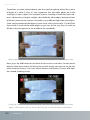
In that chart, you’ll see that at ISO 1600, with an 18mm lens, you can expect a
range of about 50 feet. But remember, that doesn’t mean objects 50 feet out will
get the full flash exposure. You’ll still want to review your images carefully and
consider using a slow-sync flash exposure.
tip : Consistent Flash Overexposure
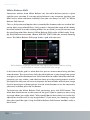
If the display consistently blinks when you try to shoot a flash exposure, try
lowering the ISO. If you’ve left the ISO at a very high setting and then go into
a bright situation and try to use fill flash, the camera will probably not be able
to get a good exposure. Dialing down the ISO should help.
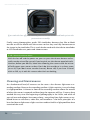
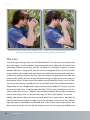
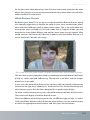
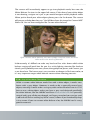
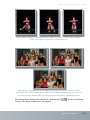
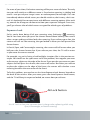
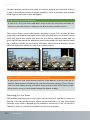
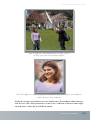
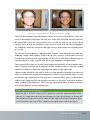
Red-Eye Reduction
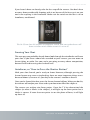
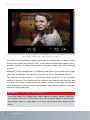
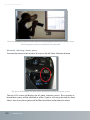
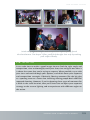
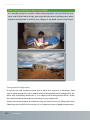
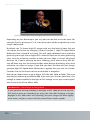
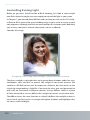
If you’ve spent a lot of time shooting flash snapshots with a point-and-shoot
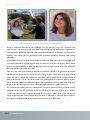
camera, then you’ve probably seen red eye, that creepy phenomenon that causes
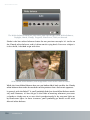
your subject’s eyes to glow red. The red glow is nothing more than the reflection
of the flash’s light off the back of the subject’s irises. (Dogs’ eyes, by comparison,
reflect blue light.) Although image-editing tools can remove this effect, it’s often
better to try to solve the problem while shooting to save editing time later.
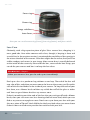
The closer the flash is to the lens of a camera, the more likely it is that you’ll get
red eye, because the light from the flash can bounce straight off of your subject’s
244
C h ap t e r 1 0