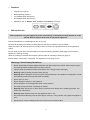
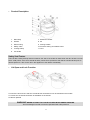
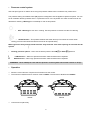
1
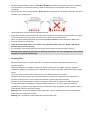
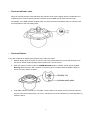
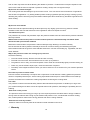
Pressure Cooker Instruction Manual - Read in full and retain for future use MICASA branded product provides an affordable range of well presented and elegant home ware and appliances. Products which are ranged and selected are chosen to suit your contemporary lifestyle and cater for your home ware needs today. MICASA aims to provide products which are fashionable, affordable, and reliable to meet your home ware demands. MICASA will provide value for money products to make every day home life more enjoyable and convenient. The MICASA range of products is continually developing and new products will be introduced with expansion of the range. So keep in touch for further news on new products in the future. We hope you enjoy your experience with MICASA products Available at all Harvey Norman NZ stores nationwide ☎Customer Support Helpline New Zealand call toll free 0508 274 2722 Australia call +64 9 974 9206 Email [email protected] Visit www.micasa-appliances.com Distributed by Asia Pacific Brands Limited PO Box 113001 Broadway Newmarket, 1149 Auckland, New Zealand Contents Page 3 – Features Before first use - Critical Warnings Page 4 – Product description – Lid open close function Page 5 – Pressure control system – Operation Page 6 – Operation (continued) – Cooking Tips Page 7 – Pressure indicator valve - Pressure release Page 8 – Safety warnings – Cleaning and storage Page 9 – Care – Frequently asked questions Page 10 – Frequently asked questions – Warranty 2 • • Features ü Large 8 Litre capacity ü 80kPa Working pressure ü 130-180kPa safety pressure (I) ü 200-300kPa safety pressure (II) ü Suitable for use on Electric, Gas, Ceramic and Induction cook tops. Before first use Warning! Before using this appliance please read and fully understand the safety directions in this manual. Ensure that you know how to operate the appliance. Ensure the appliance is not damaged or dirty in any way. Remove all packaging and destroy. Plastic bags can represent a hazard to young children. Wash the cooker, lid, silicone seal in hot soapy water to remove any impurities that may have appeared in transit. Fill with water to half level, fit lid and heat for 20 minutes following operation guide (page 5) to ensure the appliance is working correctly. Allow the pressure to release before opening the lid. Refer to operating instructions (page 5). Discard water, rinse and dry completely. The appliance is now ready for use. Warning! Critical Safety Guidelines ü Never operate without liquids (250ml minimum and 750ml maximum). NOTE: Some recipes require less liquid quantities. Please follow the recipe correctly. ü Always check the pressure release valve before use. If clogged clean thoroughly. ü Warning! Always release pressure before opening ü Warning! Never attempt to force the lid open whilst pressurised. The appliance is designed to remain automatically locked until de-pressurised completely ü Never use in an oven. ü Never attempt to deep fry in the appliance ü Never attempt to move the appliance when under pressure ü Use heat proof gloves when contacting hot metals. ü Warning! Keep hands, face or arms away from steam vents always when releasing pressure. Hot steam may cause burns. ü Warning! Keep children away from the appliance when in use ü Do not let the handle hang over the front edge of cook top. Young children may topple the appliance over. ü Always use on a level cooking surface. Do not use on an inclined surface. 3 • Product Description 1. Main Body 7. Pressure Indicator 2. Handle 8. Lid 3. Silicone Ring 9. Locking Handle 4. Safety Valve 10. Pressure setting and release valve 5. Locking Clamp 11. Vent 6. Lid handle Safety Seal Feature There is also a safety backup feature located on the side of the lid that is visible when the lid is locked. You will see a small portion of the seal. Should all safety valves fail to operate the seal will be extruded at this point to release pressure. If this occurs return the appliance to the retailer immediately. • Lid Open and Lock Function To lock fit the lid as shown and turn the handle anti clockwise to lock as indicated on the handle To unlock turn the handle clockwise as indicated on the handle Lift the lid upwards WARNING! NEVER ATTEMPT TO FORCE LID OPEN WHEN UNDER PRESURE. The lid is designed so that it cannot be opened whilst under pressure 4 • Pressure control system Use heat proof gloves or mittens when using the pressure release valve. Hot steam may cause burns. The pressure setting and release valve (10) system is designed to set the appliance pressure options. You can set to full steam release, pressure level 1 or pressure level 2. In the O position the valve control knob can be released for cleaning. Warning! Do not attempt to cook in this position. • • OFF – Warning! Do not use in cooking. Use this position to remove the valve for cleaning Steam Release – This position releases the steam build up from within the cooker when cooking process has finished and before the lid can be opened safely. Warning! Ensure that you keep hands and face away from this valve when opening as hot steam will be ejected. • I II Cooking pressure options - Use to set the steam pressure to LOW (I) or HIGH (II) pressure LOW Pressure – When low pressure has been reached steam will be expelled HIGH Pressure – When high pressure has been reached steam will be expelled WARNING! - Never attempt to cook with the pressure control system set to steam release or off (O) • Operation ü Place the correct amount of liquids and food items into the cooker. ü The maximum LIQUID level for common foods is 750mls. The minimum LIQUID level is 250mls 750mls ü 250mls Lock the lid into place fully 5 ü Set the pressure selection system to I (LOW) or II (HIGH) as desired. High pressure cooking is suited to most food items. Low pressure cooking is suited to delicate type food items like chicken, fish and vegetables. ü Select high heat on the cooking element. Warning! When using GAS do not allow the flames to rise above the base of the cooking base. ü Cooking will begin and the internal temperature will rise. ü Steam will be ejected as the temperature rises and the pressure level selected (LOW or HIGH) is reached. This process removes oxygen which can destroy the vitamins and minerals inside. ü When the correct pressure has been reached the pressure indicator will rise and show a WHITE line. ü Cooking commences at this point. ü Lower the heat setting. There is no need to use high heat setting from now. Reduce the heat to maintain the pressure level only. ü On completion of the cooking time switch the heat off and release the pressure before opening. Warning! Never attempt to open without releasing all pressure. The lid is designed to remain locked until the pressure has released fully. • Cooking Tips Become familiar with your cookers operation. Conventional recipes are generally suitable for use in pressure cooking. Some food items are not suitable for pressure cooking. Foods such as noodles, macaroni, spaghetti, cranberries, apples sauce oatmeal are not suitable as they will foam and froth, splatter and clog the steam valves. The rough guide is to reduce the cooking time of your standard recipe by two thirds. The liquid contents may also have to be reduced as there is little loss of liquids through evaporation in pressure cooking process. There must always be liquid to produce the steam required. Flavours are more concentrated in pressure cooking so many herbs and spices may also be reduced. For best results place vegetables in a steamer basket and pour in 1–2 cups of water. Cook starchy vegetables (e.g. potato) on high pressure and more delicate or leafy vegetables on low pressure. Use the quick release method to avoid overcooking. Warning! When cooking liquid based meals (casseroles, soups or similar) never use the steam release button, allow to de-pressure naturally. Warning! Do not overfill the cooker above the recommended levels. 6 • Pressure Indicator valve When the internal pressure rises sufficiently the indicator valve will rise slightly showing a WHITE line to indicate that the correct pressure has been reached. Should a RED line be visible lower the heat immediately. If the RED indicator remains switch off cooker as it has overheated. Allow to cool and lower the temperature of the heat setting used. • Pressure Release There are 3 methods of releasing the pressure from within the cooker. 1. Natural. Simply allow the cooker to cool and wait. This method takes a long time (20 minutes) so do not use for certain foods especially those cooked over a very short time 2. Open the pressure control system to STEAM RELEASE position carefully. Steam will be expelled. Warning! Ensure that you are not above or near the vent as hot steam will be expelled. Danger of burns. Use oven mittens or similar. 3. Cold Water release. Carefully run cold water over the sides of the cooker until the pressure indicator has fully returned to base position. Do not run cold water over the lid. Release any remaining steam by method 2 above. 7 • Safety Warning! No liability can be accepted for any damage caused by non compliance with these instructions or any other improper use or mishandling. Warning! Children This appliance is not intended for use by persons (including children) with reduced physical, sensory or mental capabilities, or lack of knowledge, unless they have been given supervision or instruction concerning safe use of the appliance by a person responsible for their safety. Young children must be supervised to ensure that they do not play with the appliance. Safely dispose of any plastic bags or other packaging that may present a hazard to young children of suffocation or choke hazard. Warning! Unattended Appliances Do not leave any appliance unattended when in use. Especially when children are near Never let children use this appliance unattended and un-supervised. Serious risks of scalding and burns. Warning! Pressure This appliance operates under high pressure. Injury may result from incorrect use. Be aware of hot steam being expelled when opening the lid. Tilt lid away from you. Never put your face near the unit when opening. Never attempt to open the lid until the internal pressure has been released. Check the condition of the valves, if dirty clean before use. Warning! Burns Never allow children to use or move this appliance without proper supervision The outer surfaces will reach high temperatures. Always handle with care. Use appropriate heat proof gloves or similar when touching hot surfaces. Only use this appliance for the purposes it is designed for. Use For household indoor use only Do not use outdoors. Not for commercial use. This appliance is intended to be used in household and similar applications such as: • Staff kitchen areas in shops, offices and other working environments; • Farm houses • By clients in hotels, motels and other residential type environments; 8 • Bed and breakfast type environments For household indoor use only, do not use outdoors. • Care Warning! Before storage of this appliance and cleaning allow it to cool down completely. Appliance cleaning Wash the appliance fully after each use in hot soapy water. Dry completely. The base can be placed in a dishwasher but the lid must be washed by hand. Pressure setting valve cleaning Remove the pressure setting valve assembly by turning it to the OFF position and lifting. Clean this valve after every use as food residue may build up and effect the operation of your cooker. Do not use harsh cleaning agents, steel wool pads or abrasive scouring products to clean this appliance, they will damage the surface. Hard to remove food residues can be cleaned by soaking overnight. Replaceable parts The silicone seal should be replaced if it shows any signs of wear. The seal should last 2 years in normal use. Refer all servicing to qualified personal. This appliance has no user servicing parts or requirements. Return the appliance to the retailer if it is damaged in any way or not operating properly along with your receipt of purchase. Use only authorised replacement parts. Damage Examine the appliance frequently for signs of wear or damage. If there are such signs or if the appliance has been misused return it to the retailer prior to any further use for checking Store the appliance along with the manual and accessories together in a dry place. ü FAQ Most recipes will vary slightly in cooking time and length. Over time you will become experienced in pressure cooking and the benefits that it brings. Can I cook everything in my pressure cooker? No. Some foods such as certain pasta foods, macaroni, spaghetti, noodles, oatmeal, cranberries, cereals and some puréed fruits which tend to foam, froth and splatter, cannot be cooked in a pressure cooker. The residue 9 froth or foam may block the valves blocking the release of pressure. Foods that do not require liquids to cook must not be used as steam is required in pressure cooking. Always use a recognised recipe. My food is not cooked enough? The cooking time and heat settings may be too short or low. This can also be due to freshness of ingredients and the size of ingredients. Try adding smaller quicker cooking ingredients part way through cooking cycle by releasing the pressure first using the quick release method (see above instructions), add these ingredients and finish cooking. My food is overcooked? Reduce the heat and pressure settings as all recipes may vary slightly given the many pressure cookers available. Check the size and freshness of the ingredients. Add more liquids next time The lid will not open? The pressure has not been fully released. Open the pressure release valve and wait until the pressure indicator has fully lowered. Which foods cooked in the pressure cooker need the pressure reduced naturally and which foods should use the quick release method? Meat will be more tender if the pressure is reduced slowly through allowing it to reduce naturally. Rice is also best to reduce pressure naturally so that it can continue cooking and absorbing the liquid. Quick release methods are good for more delicate foods which can risk overcooking e.g. vegetables, fish and some desserts. Why is the pressure cooker not coming up to pressure? Check the following: ü Lid is not locked correctly. Remove and refit and lock correctly. ü The heat is too low which will increase the time to come up to pressure. ü The gasket is worn or dirty, remove and replace if old or clean and occasionally lightly coat with cooking oil. ü There may not be sufficient liquid, open, check and add more if required. ü The safety valve maybe blocked so check your user manual on how to clear this for your model of pressure cooker. How does a pressure cooker work? Pressure cookers are basically a saucepan with a special lid. The lid features a sealing gasket and pressure valves to completely seal the pan. As the cooking liquid boils inside the pan it creates steam which builds up pressure and therefore increases the cooking temperature shortening the cooking times. Is it safe? Yes pressure cookers have several safety features that will release the pressure if it builds up too high. Also your cooker is designed so that it cannot be opened whilst under pressure, eliminating the possibility burns or scalding. How does it save power? The pressure cooker uses energy to bring it up to the required pressure and after that it’s simply a matter of turning down the element low enough to just maintain that pressure. This, combined with a shorter cooking time, makes pressure cookers more energy efficient than other cooking methods. How full can I load my cooker? Pressure cooker must be only filled to the maximum level indicated on the inner. ü Warranty 10 Retain your receipt as proof of purchase. If for any reason the appliance does not function correctly or shows signs of damage please stop using immediately and return it immediately to the retailer or contact the help line. This product is covered by a 12 month warranty. Refer to the retailers conditions of warranty. This warranty does not exclude any obligations to the consumer covered by the NZ Consumers guarantee act. Return any faulty product to the retailer for all warranty claims. 11