1
Detector Definition and Response
pSPhi
Starting Phi angle of the segment in radians
pDPhi
Delta Phi angle of the segment in radians
pSTheta
Starting Theta angle of the segment in radians
pDTheta
Delta Theta angle of the segment in radians
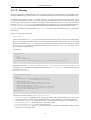
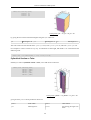
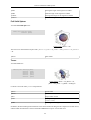
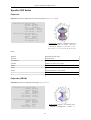
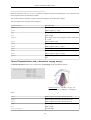
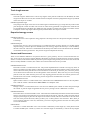
Full Solid Sphere:
To build a full solid sphere use:
G4Orb(const G4String& pName,
G4double pRmax)
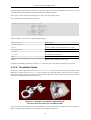
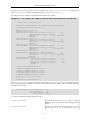
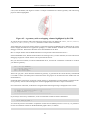
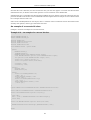
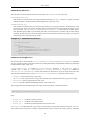
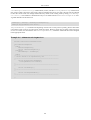
In the picture: pRmax = 100
The Orb can be obtained from a Sphere with: pRmin = 0, pSPhi = 0, pDPhi = 2*Pi, pSTheta = 0, pDTheta
= Pi
pRmax
Outer radius
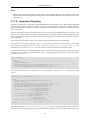
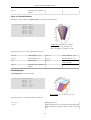
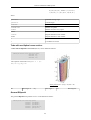
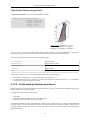
Torus:
To build a torus use:
G4Torus(const G4String& pName,
G4double
pRmin,
G4double
pRmax,
G4double
pRtor,
G4double
pSPhi,
G4double
pDPhi)
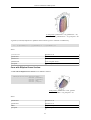
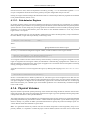
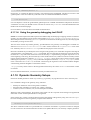
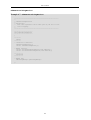
In the picture: pRmin = 40, pRmax = 60,
pRtor = 200, pSPhi = 0, pDPhi = 90*Degree
to obtain a solid with name pName and parameters:
pRmin
Inside radius
pRmax
Outside radius
pRtor
Swept radius of torus
pSPhi
Starting Phi angle in radians (fSPhi+fDPhi<=2PI,
fSPhi>-2PI)
pDPhi
Delta angle of the segment in radians
In addition, the Geant4 Design Documentation shows in the Solids Class Diagram the complete list of CSG classes,
and the STEP documentation contains a detailed EXPRESS description of each CSG solid.
64