1
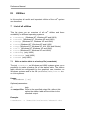
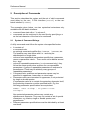
Description of Commands
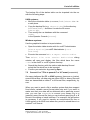
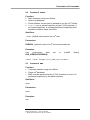
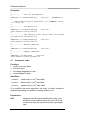
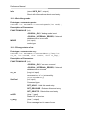
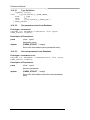
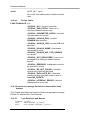
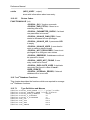
default: empty string
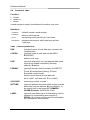
DSNNEW
(optional) local name to be used for received data
set;
default: local data set name is constructed from
virtual data set name
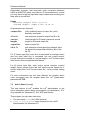
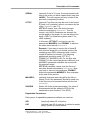
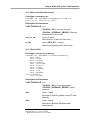
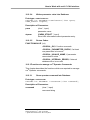
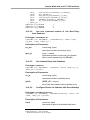
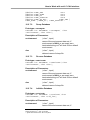
JOB
(optional) name of data set containing a job to be
submitted after data has been received; if
specified, the data set must exist.
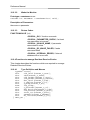
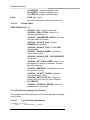
This batch file may contain substitution patterns.
rvs® substitutes them before submitting the job to
the operating system for execution:
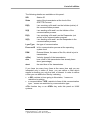
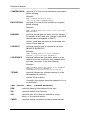
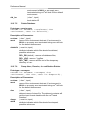
•
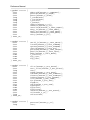
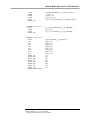
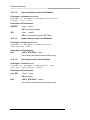
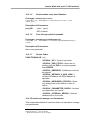
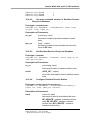
?DSN?: name of local data set, where
received information has been stored
•
?VDSN?: virtual data set name under which
the data set was transmitted
•
?DTAVAIL?: date, when the data set was
available for sending
•
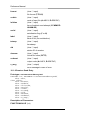
?FORMAT?: record format of received data
set:
− F fixed record length
− V variable record length
− T text file (only ASCII characters)
− U unstructured file (byte stream)
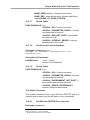
•
?MAXRECL?: The meaning of this field
depends upon the record format of the
received data set:
− F format: length of each record
− V format: maximum length a record
may have
− T and U format: always 0 (zero)
•
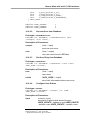
?BYTES?: number of transmitted bytes
•
?RECORDS?: number of transmitted records
for F and V format data sets; always zero for T
and U format data sets
•
?DTRCV?: date, when data set was delivered
to local user
•
?LUID?: recipient's (i.e. local) user ID
•
?UID?: sender's user ID
•
?SID?: sender's station ID
•
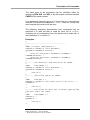
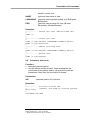
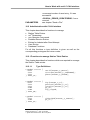
?SIDDEST?: Station ID of the virtual
Reference Manual rvs® / Rev. 23.08.2005
®
© gedas deutschland GmbH / FB rvs Systems
77