1
Care and Maintenance
While Beckman Coulter has tested these methods and found that
they do not damage components, no guarantee of decontamination
is expressed or implied. Consult your laboratory safety officer
regarding the proper decontamination methods to use.
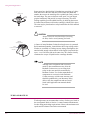
• If the rotor or other components are contaminated with toxic or
pathogenic materials, follow appropriate decontamination procedures as outlined by appropriate laboratory safety guidelines and/
or other regulations. Consult Appendix A to select an agent that
will not damage the rotor.
STERILIZATION AND DISINFECTION
When sterilization or disinfection is a concern, consult your laboratory safety officer regarding proper methods to use. While Beckman
Coulter has tested the following methods and found that they do not
damage the rotor or components, no guarantee of sterility or disinfection is expressed or implied.
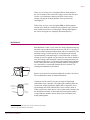
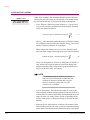
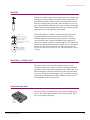
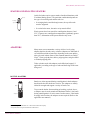
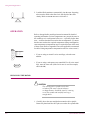
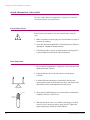
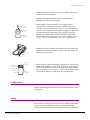
121°C
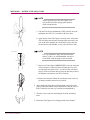
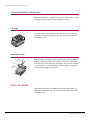
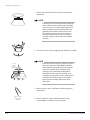
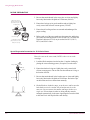
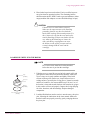
• Rotors and most rotor components can be autoclaved at 121°C for
up to an hour. Remove the lid and place the rotor (and/or buckets)
in the autoclave upside-down. (O-rings and gaskets can be left in
place on the rotor.)
3
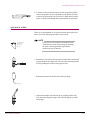
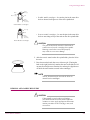
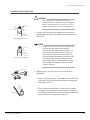
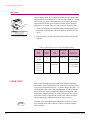
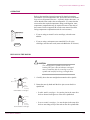
• Ethanol (70%) may be used on all rotor components, including
those made of plastic. Bleach (sodium hypochlorite) may be used,
but may cause discoloration of anodized surfaces. Use the
minimum immersion time for each solution, per laboratory
standards.
INSPECTION
Frequent and thorough inspection is crucial to maintaining a rotor in
good operating condition.
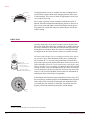
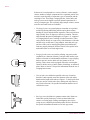
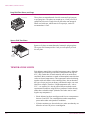
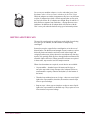
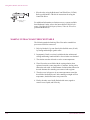
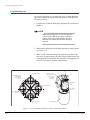
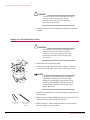
• Periodically (at least monthly, depending on use) inspect the rotor,
especially inside cavities and buckets, for rough spots, cracks,
pitting, white powder deposits on aluminum rotors (frequently
aluminum oxide), or heavy discoloration. If any of these signs are
evident, do not run the rotor. Contact your Beckman Coulter representative for information about the Field Rotor Inspection Program
and the Rotor Repair Program.
3
7-4
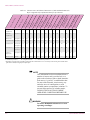
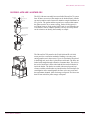
Flammability hazard. Do not use in or near operating centrifuges.
J Series Rotors and Tubes