1
Chapter 11
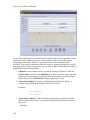
This field allows for simple terms and phrases, as well as modified terms and
phrases entered with or without separation devices. The Toolkit does not,
however, enforce consistency in the use of separation devices. Because the entire
subject string is entered in as a single data element, it may be necessary to edit
some outputs where individual subfields are important (for example, MARC
XML).
Examples:
Hiking
Playing cards
Correspondence
Hydroelectric power plants -- Snake River
Owens Valley (Calif.) -- Fiction
2. Subject term type. Indicates the type or category of a subject term: uniform title,
topical term, geographic name, genre/form, occupation, or function. The content
of this field is populated with a controlled list, so you may not add values to the
field other than those listed below. In addition to the name type, the list provides
the MARC equivalent for that type. For example, a geographic name corresponds
to the 651 field in MARC.
In the Toolkit, names that are subjects are managed with name records, therefore
a name type is not available here.
Note: These terms are the default values entered into the subject source
lookup list as installed. Items may be added to this list in the process of
importing legacy data, but it should be cleaned up using the Merge Items
option in the Lookup Lists record. See Chapter 16.
Options:
Uniform Title (630)
Topical Term (650)
Geographic Name (651)
Genre / Form (655)
Occupation (656)
Function (657)
3. Subject source. Provides the thesaurus in which the term is listed, giving the
authority for the term. The field is populated using a controlled list derived from
the Library of Congress list of codes for term, name, and title sources. The option
Local Other is available for cases when the term has not been built upon one
of the thesauri provided in the list, or is based on local guidelines.
135