1
3.1. IDENTIFIABILITY ANALYSIS WITH SENSITIVITY FUNCTIONS
45
Solution
Part A
Start the window interface version of AQUASIM or click the command File!New from
the main menu bar to remove previously entered data from memory. Then perform the
following steps:
Denition of variables
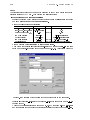
Dene the dynamic volume state variables C A, C B and C C for the concentrations CA
of substance A, CB of substance B and CC of substance C . Let the accuracies at their
default values of 10,6 (recommendations with respect of the values of these accuracies
are given in the example described in section 2.1).
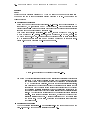
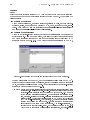
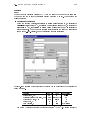
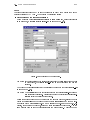
Then dene four constant variables C Aini for CA;ini with a value of 1 mg/l, k A for
kA with a value of 1 h,1, rmax B for rmax;B with a value of 0:25 mg/l/h, and K B for
KB with a value of 0:5 mg/l. Set the standard deviation of each of these variables to
10 % of its value and set the minimum and maximum to zero and 10 times the value.
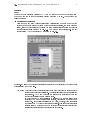
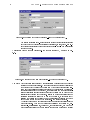
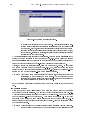
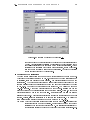
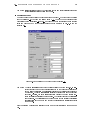
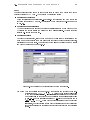
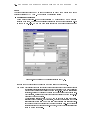
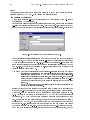
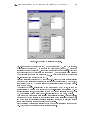
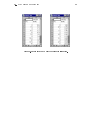
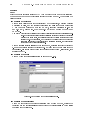
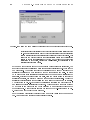
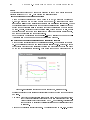
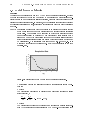
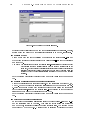
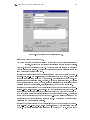
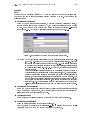
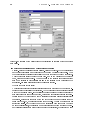
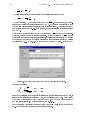
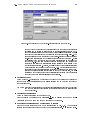
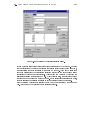
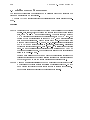
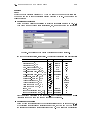
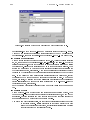
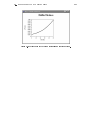
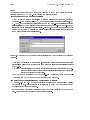
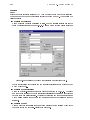
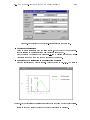
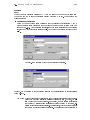
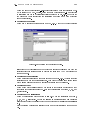
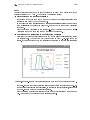
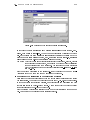
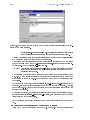
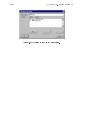
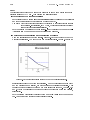
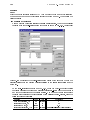
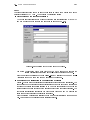
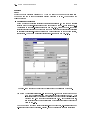
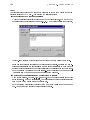
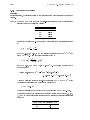
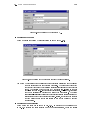
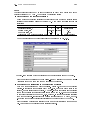
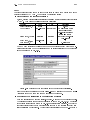
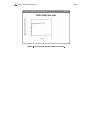
Figure 3.1 shows the denition of C Aini as an example.
Figure 3.1: Denition of the constant variable C Aini.
Comment: The partial derivatives required for the calculation of sensitivity functions are
calculated by comparing the results obtained with the original parameter value
and those obtained with a parameter value that deviates from the original value
by 1 % of its standard deviation. In order that this gives reasonable results,
this deviation in the parameter must lead to deviations in the results that are
small enough that the secant gives a reasonable approximation to the tangent
of the solution (negligible nonlinearity of the model response with respect to the
parameter) but large enough that the deviation is larger than numerical integration
errors. 1 % of the standard deviation seems to be a reasonable value to fulll this
criterion. If the standard deviation is unknown, a value must be assumed that
fullls the criterion given above. A standard deviation of 10 % of the value leads
to a change of 0.1 % of the value, what seems to be reasonable if the value is not
very close to zero.
Denition of processes
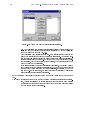
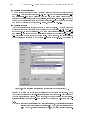
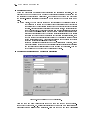
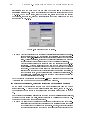
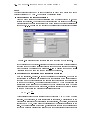
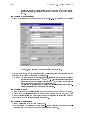
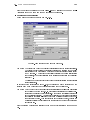
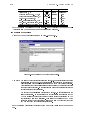
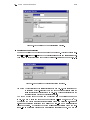
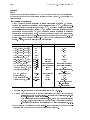
The two processes Conversion AB and Conversion BC are dened as shown in the
Figs. 2.13 and 2.14 of the example discussed in section 2.1.