1
if_tcp(7P)
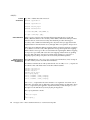
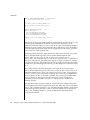
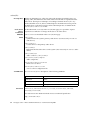
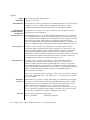
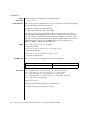
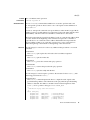
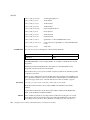
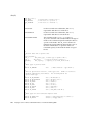
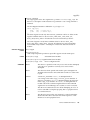
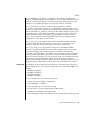
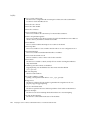
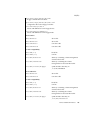
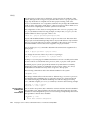
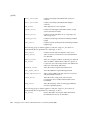
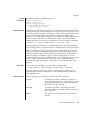
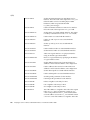
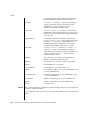
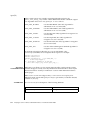
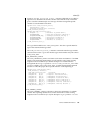
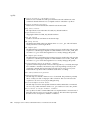
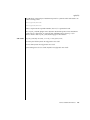
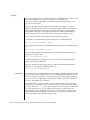
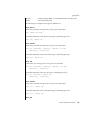
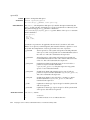
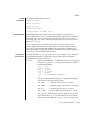
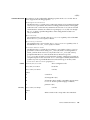
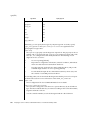
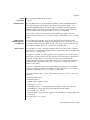
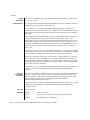
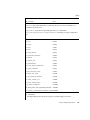
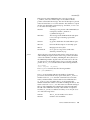
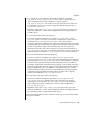
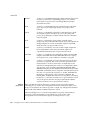
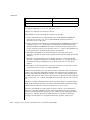
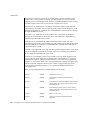
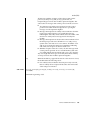
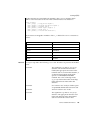
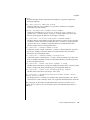
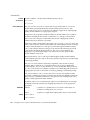
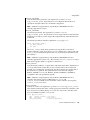
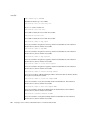
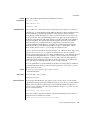
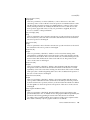
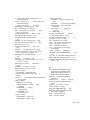
#define
#define
#define
#define
#define
#define
#define
#define
#define
#define
#define
#define
#define
#define
#define
};
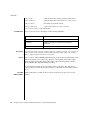
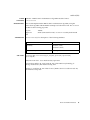
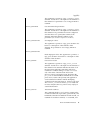
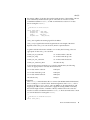
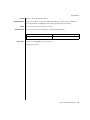
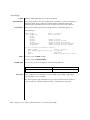
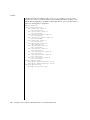
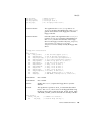
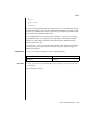
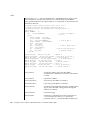
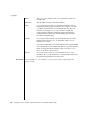
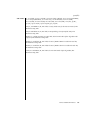
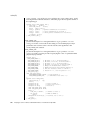
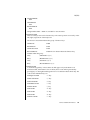
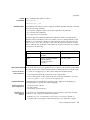
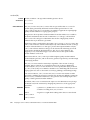
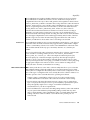
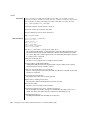
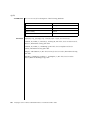
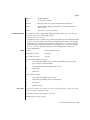
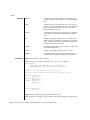
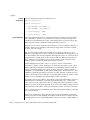
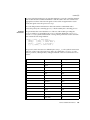
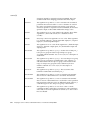
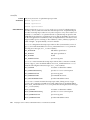
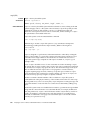
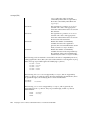
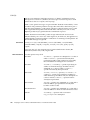
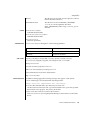
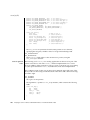
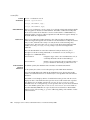
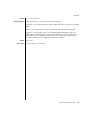
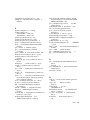
lifr_dstaddr
lifr_broadaddr
lifr_token
lifr_subnet
lifr_index
lifr_flags
lifr_metric
lifr_mtu
lifr_data
lifr_enaddr
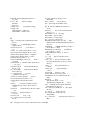
lifr_index
lifr_ip_muxid
lifr_arp_muxid
lifr_nd
lifr_ifinfo
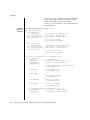
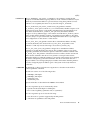
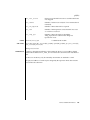
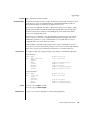
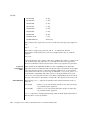
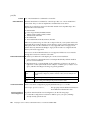
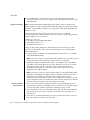
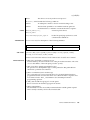
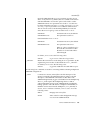
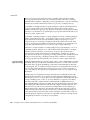
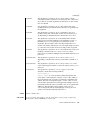
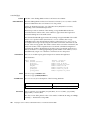
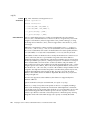
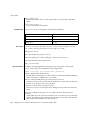
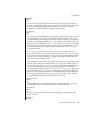
lifr_lifru.lifru_dstaddr
lifr_lifru.lifru_broadaddr
lifr_lifru.lifru_token
lifr_lifru.lifru_subnet
lifr_lifru.lifru_index
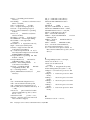
lifr_lifru.lifru_flags
lifr_lifru.lifru_metric
lifr_lifru.lifru_mtu
lifr_lifru.lifru_data
lifr_lifru.lifru_enaddr
lifr_lifru.lifru_index
lifr_lifru.lif_muxid[0]
lifr_lifru.lif_muxid[1]
lifr_lifru.lifru_nd_req
lifr_lifru.lifru_ifinfo_req
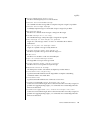
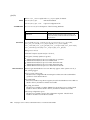
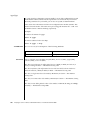
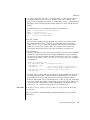
/*
/*
/*
/*
/*
/*
/*
broadcast address */
address token */
subnet prefix */
interface index */
flags */
metric */
mtu */
/* ethernet address */
/* interface index */
/* SIOCLIF*ND */
/* SIOC[GS]LIFLNKINFO */
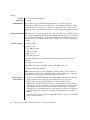
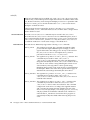
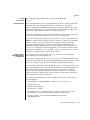
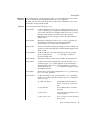
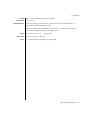
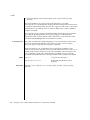
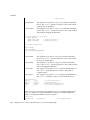
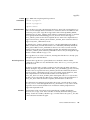
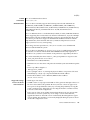
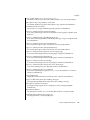
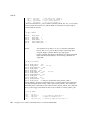
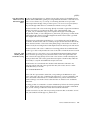
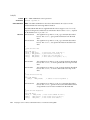
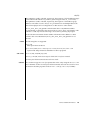
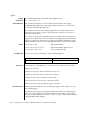
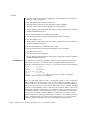
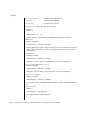
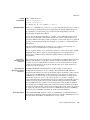
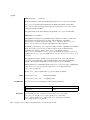
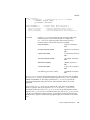
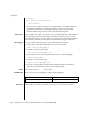
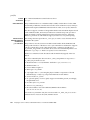
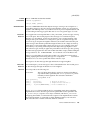
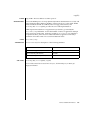
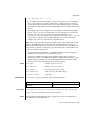
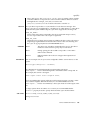
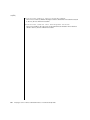
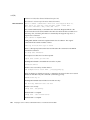
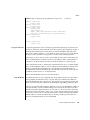
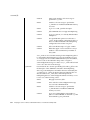
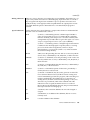
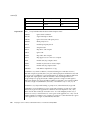
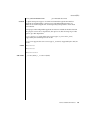
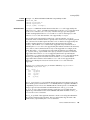
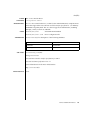
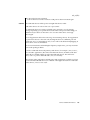
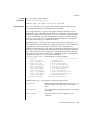
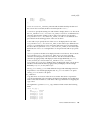
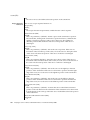
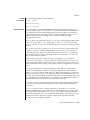
SIOCSLIFADDR
Set interface address. Following the address
assignment, the “initialization” routine for the interface
is called.
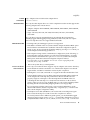
SIOCGLIFADDR
Get interface address.
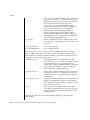
SIOCSLIFDSTADDR
Set point to point address for interface.
SIOCGLIFDSTADDR
Get point to point address for interface.
SIOCSLIFFLAGS
Set interface flags field. If the interface is marked down,
any processes currently routing packets through the
interface are notified.
SIOCGLIFFLAGS
Get interface flags.
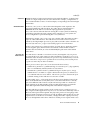
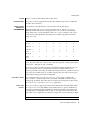
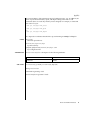
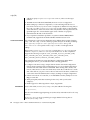
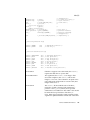
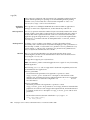
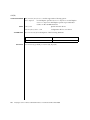
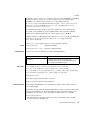
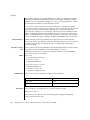
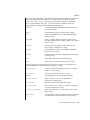
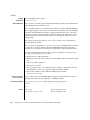
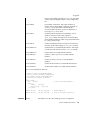
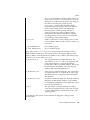
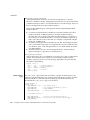
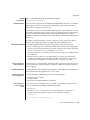
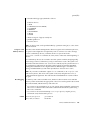
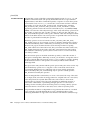
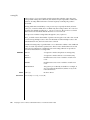
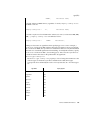
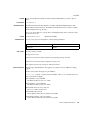
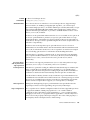
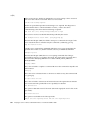
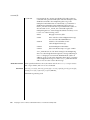
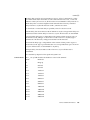
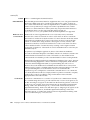
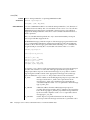
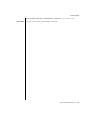
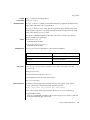
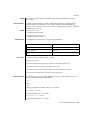
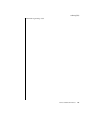
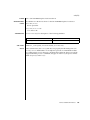
SIOCGLIFCONF
Get interface configuration list. This request takes an
lifconf structure (see below) as a value-result
parameter. The lifc_len field should be initially set
to the size of the buffer pointed to by lifc_buf. On
return it will contain the length, in bytes, of the
configuration list. The lifc_family field should be
set to AF_UNSPEC to retrieve both AF_INET and
AF_INET6 interfaces. The lifc_flags field should be
initially set to zero.
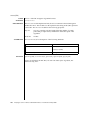
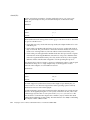
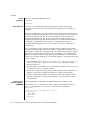
SIOCGLIFNUM
Get number of interfaces. This request returns an
integer which is the number of interface descriptions
(struct lifreq) that will be returned by the
SIOCGLIFCONF ioctl; that is, it gives an indication of
how large lifc_len has to be. This request takes an
lifnum structure (see below) as a value-result
parameter. The lifn_family field should be set to
AF_UNSPEC to count both AF_INET and AF_INET6
interfaces. The lifn_flags field should be initially
set to zero.
Device and Network Interfaces
277