1
OpenVMS Data Types
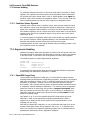
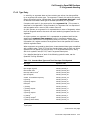
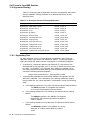
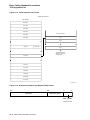
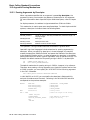
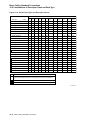
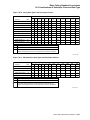
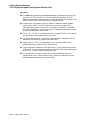
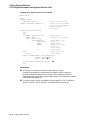
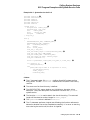
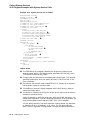
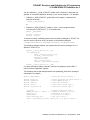
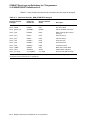
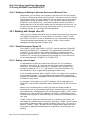
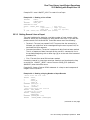
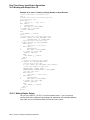
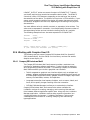
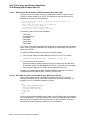
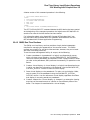
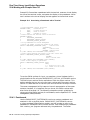
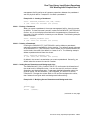
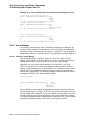
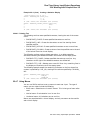
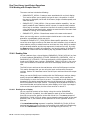
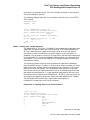
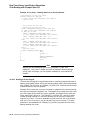
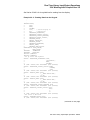
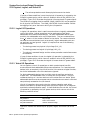
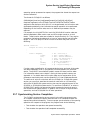
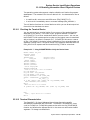
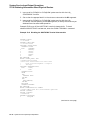
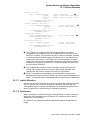
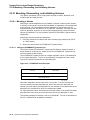
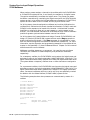
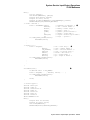
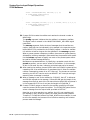
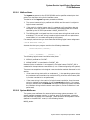
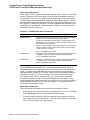
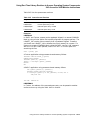
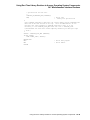
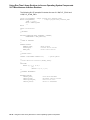
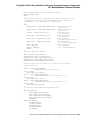
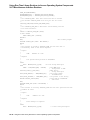
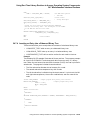
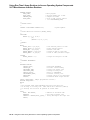
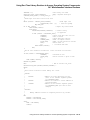
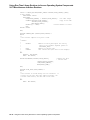
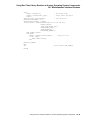
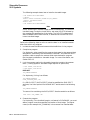
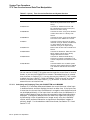
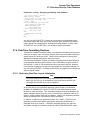
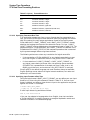
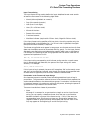
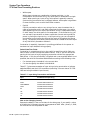
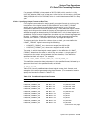
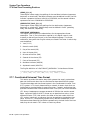
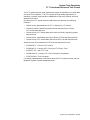
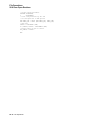
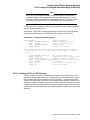
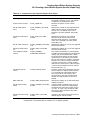
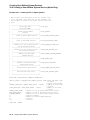
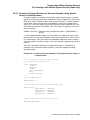
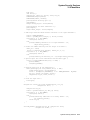
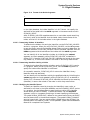
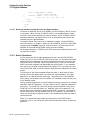
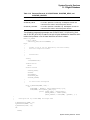
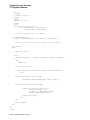
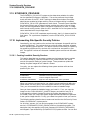
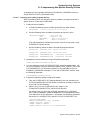
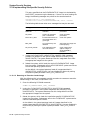
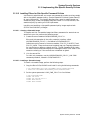
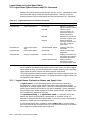
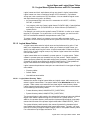
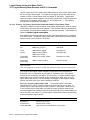
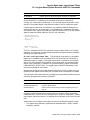
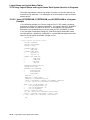
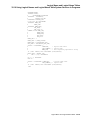
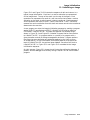
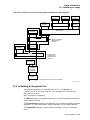
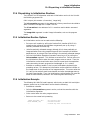
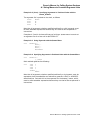
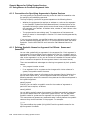
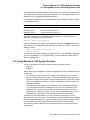
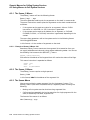
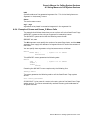
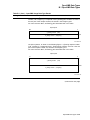
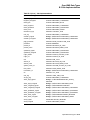
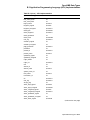
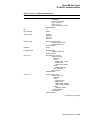
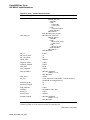
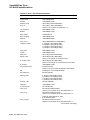
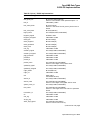
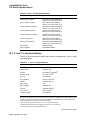
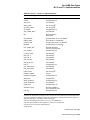
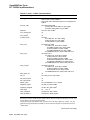
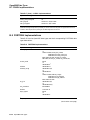
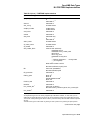
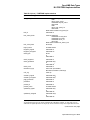
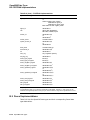
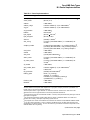
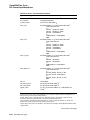
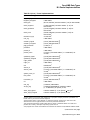
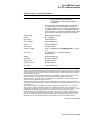
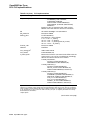
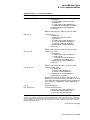
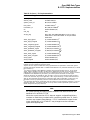
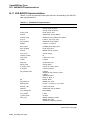
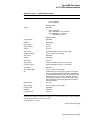
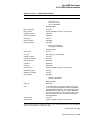
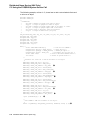
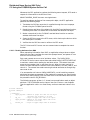
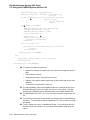
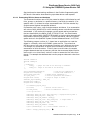
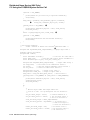
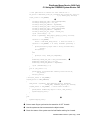
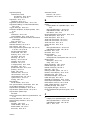
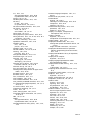
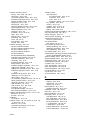
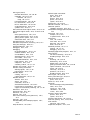
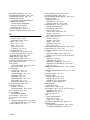
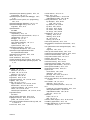
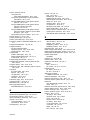
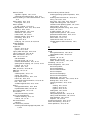
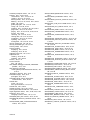
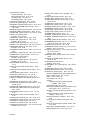
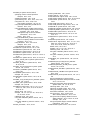
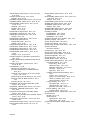
B.8 FORTRAN Implementations
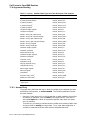
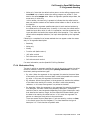
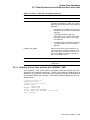
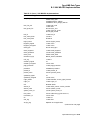
Table B–8 (Cont.) FORTRAN Implementations
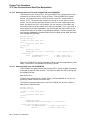
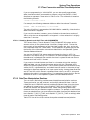
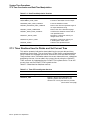
OpenVMS Data Types
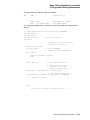
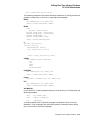
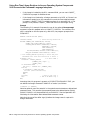
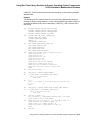
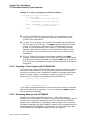
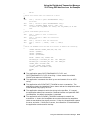
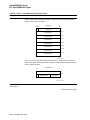
FORTRAN Declarations
byte_unsigned
BYTE2
or
INTEGER*11 ,
2
channel
INTEGER*2
char_string
CHARACTER*n
complex_number
COMPLEX*8
COMPLEX*16
cond_value
INTEGER*4
context
INTEGER*4
date_time
INTEGER*4(2)
or
INTEGER*81
device_name
CHARACTER*n
ef_cluster_name
CHARACTER*n
ef_number
INTEGER*4
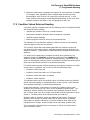
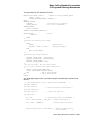
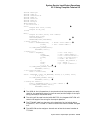
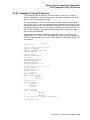
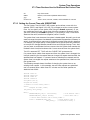
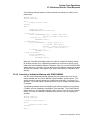
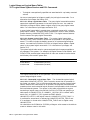
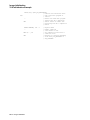
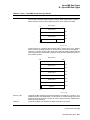
exit_handler_block
STRUCTURE /exhblock/
INTEGER*4 flink
INTEGER*4 exit_handler_addr
BYTE(3) /0/
BYTE arg_count
INTEGER*4 cond_value
! .
! .(optional arguments . . . one argument
! . per longword)
!
END STRUCTURE !cntrlblk
RECORD /exhblock/ myexh_block
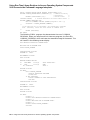
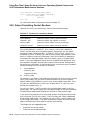
fab
INCLUDE ’($FABDEF)’
RECORD /fabdef/ myfab
file_protection
INTEGER*4
floating_point
REAL*43
REAL*83
DOUBLE PRECISION3
REAL*164
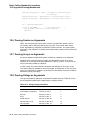
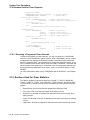
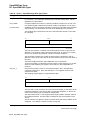
function_code
INTEGER*4
identifier
INTEGER*4
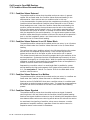
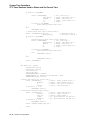
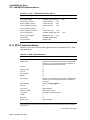
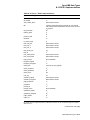
1
invo_context_blk
INCLUDE (’LIBICB’)
RECORD /INVO_CONTEXT_BLK/ invo_context_blk
invo_handle1
INTEGER*4
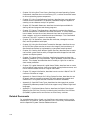
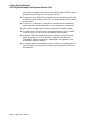
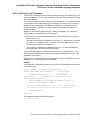
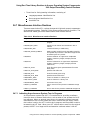
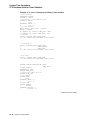
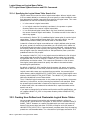
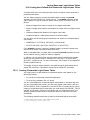
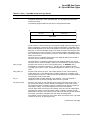
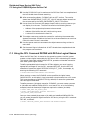
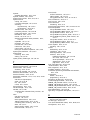
1 Alpha
specific.
2 Unsigned
data types are not directly supported by FORTRAN. However, in most cases you can
substitute the signed equivalent as long as you do not exceed the range of the signed data structure.
3 The
format used by floating-point data in memory is determined by the FORTRAN command qualifier
/FLOAT.
4 The REAL*16 type is used for both H_floating on VAX systems and X_floating on Alpha systems.
(continued on next page)
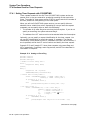
OpenVMS Data Types B–35