1
System Time Operations
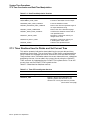
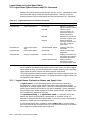
27.2 Time Conversion and Date/Time Manipulation
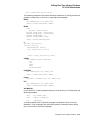
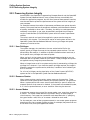
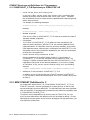
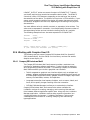
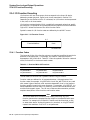
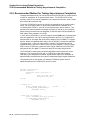
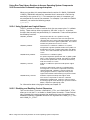
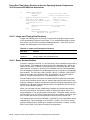
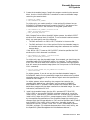
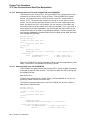
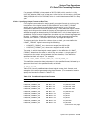
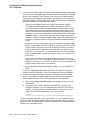
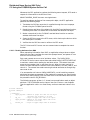
If you are programming in VAX MACRO, you can also specify approximate
delta time values when you assemble a program, using two MACRO .LONG
directives to represent a time value in 100-ns units. The arithmetic is based on
the following formula:
1 second = 10 million * 100 ns
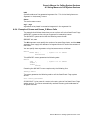
For example, the following statement defines a delta time value of 5 seconds:
FIVESEC: .LONG -10*1000*1000*5,-1 ; Five seconds
The value 10 million is expressed as 10*1000*1000 for readability. Note that the
delta time value is negative.
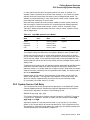
If you use this notation, however, you are limited to the maximum number of
100-ns units that can be expressed in a longword. In time values this is slightly
more than 7 minutes.
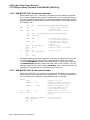
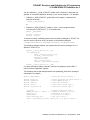
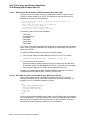
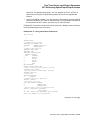
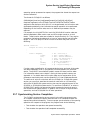
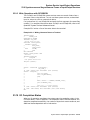
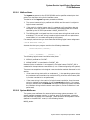
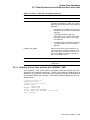
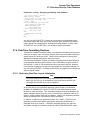
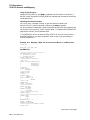
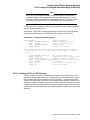
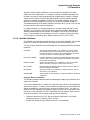
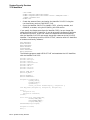
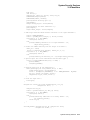
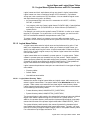
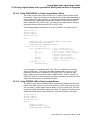
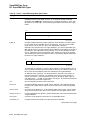
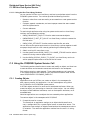
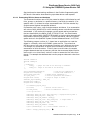
27.2.1.4 Obtaining Numeric and ASCII Time with SYS$NUMTIM
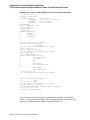
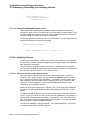
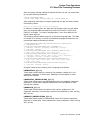
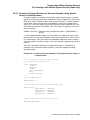
The Convert Binary Time to Numeric Time (SYS$NUMTIM) system service
converts a time in the system format into binary integer values. The service
returns each of the components of the time (year, month, day, hour, and so on)
into a separate word of a 7-word buffer. The SYS$NUMTIM system service and
the format of the information returned are described in the OpenVMS System
Services Reference Manual.
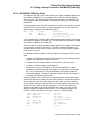
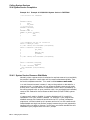
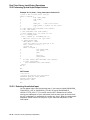
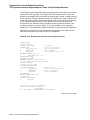
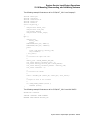
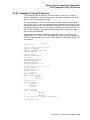
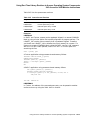
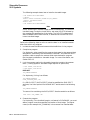
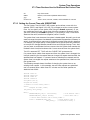
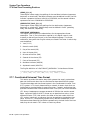
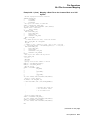
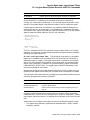
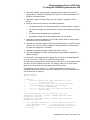
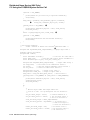
You use the SYS$ASCTIM system service to format the time in ASCII for
inclusion in an output string. The SYS$ASCTIM service accepts as an argument
the address of a quadword that contains the time in system format and returns
the date and time in ASCII format.
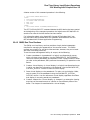
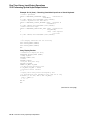
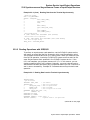
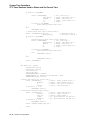
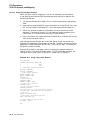
If you want to include the date and time in a character string that contains
additional data, you can format the output string with the Formatted ASCII
Output (SYS$FAO) system service. The SYS$FAO system service converts binary
values to ASCII representations, and substitutes the results in character strings
according to directives supplied in an input control string. Among these directives
are !%T and !%D, which convert a quadword time value to an ASCII string and
substitute the result in an output string. For examples of how to do this, see the
discussion of $FAO in the OpenVMS System Services Reference Manual.
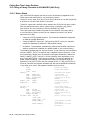
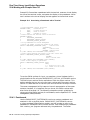
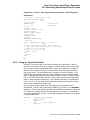
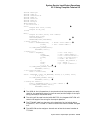
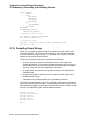
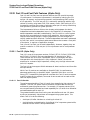
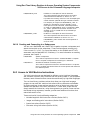
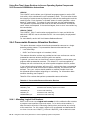
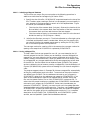
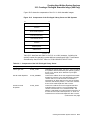
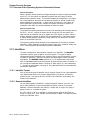
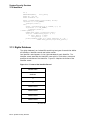
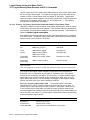
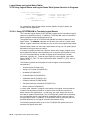
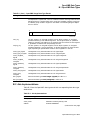
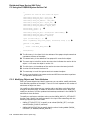
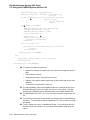
27.2.2 Date/Time Manipulation Routines
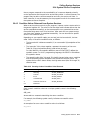
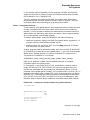
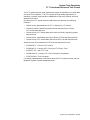
The run-time LIB$ facility provides several date/time manipulation routines.
These routines let you add, subtract, and multiply dates and times. Use the
LIB$ADDX and LIB$SUBX routines to add and subtract times, since the times
are defined in integer arrays. Use LIB$ADD_TIMES and LIB$SUB_TIMES
to add and subtract two quadword times. When manipulating delta times,
remember that they are stored as negative numbers. For example, to add a delta
time to an absolute time, you must subtract the delta time from the absolute time.
Use LIB$MULT_DELTA_TIME and LIB$MULTF_DELTA_TIME to multiply delta
times by scalar and floating scalar.
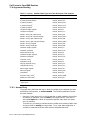
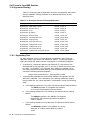
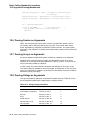
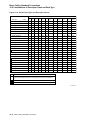
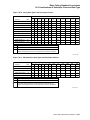
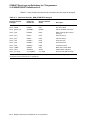
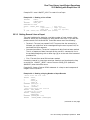
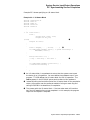
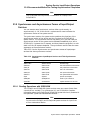
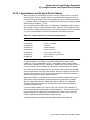
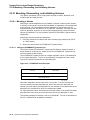
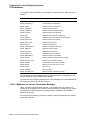
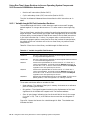
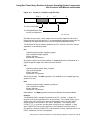
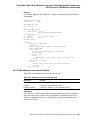
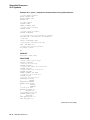
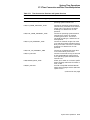
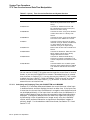
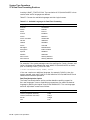
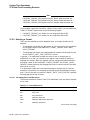
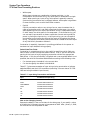
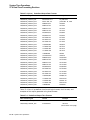
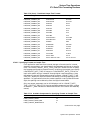
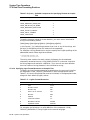
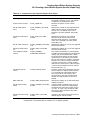
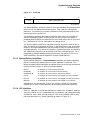
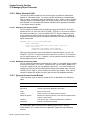
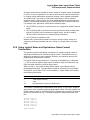
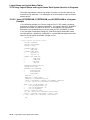
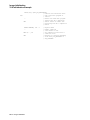
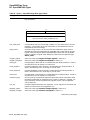
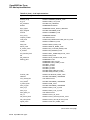
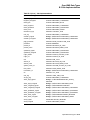
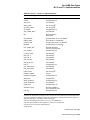
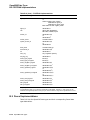
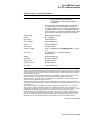
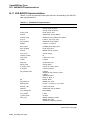
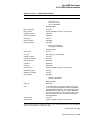
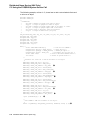
Table 27–2 lists all the LIB$ routines that perform date/time manipulation.
System Time Operations 27–7