1
1 1 . WHEN SETTING A SUBNET MASK
MELSEC-A
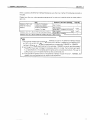
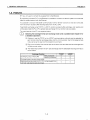
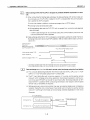
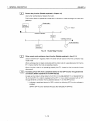
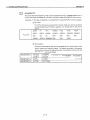
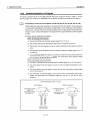
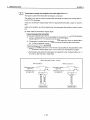
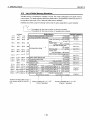
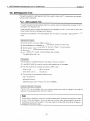
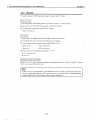
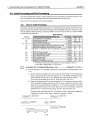
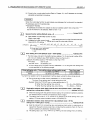
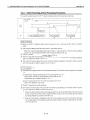
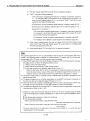
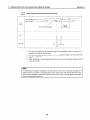
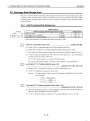
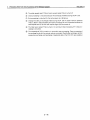
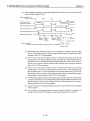
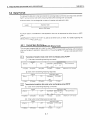
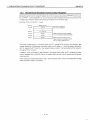
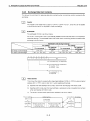
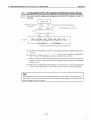
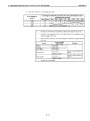
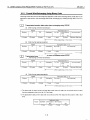
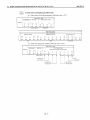
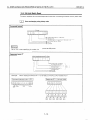
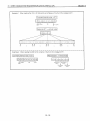
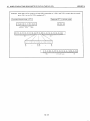
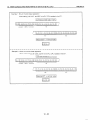
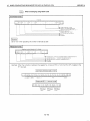
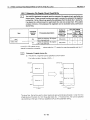
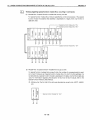
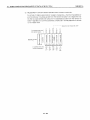
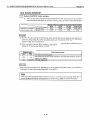
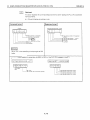
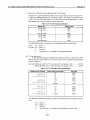
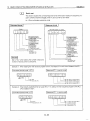
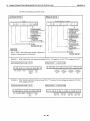
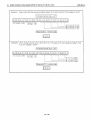
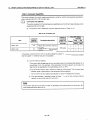
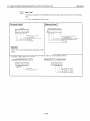
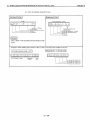
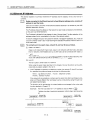
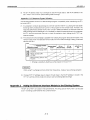
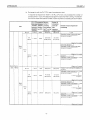
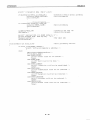
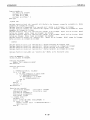
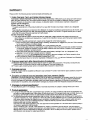
Shows the IP address allocation for each class.
When there are many nodes in the same network, then there must be many
host IDS.
In addition, when there are few nodes in one network, but there are many networks, then
there must be many network IDS.
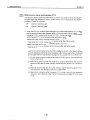
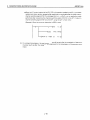
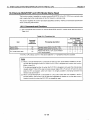
(a) Class A, class B, and class C are identified by the first 2 bits of the IP address.
(b) In the classA IP address, the netID is allocated to the 7th bit and the host ID is allocated
to the 24th bit.
30
23
31
to
to
24
I
Net ID
0
ClassA
0
Host ID
1
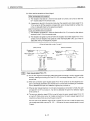
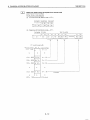
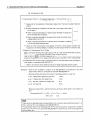
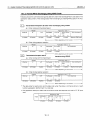
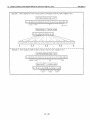
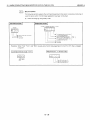
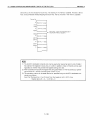
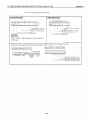
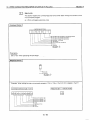
(c) In the class8 IP address, the net ID is allocated to the 14th bit and the hostID is allocated
to the 16th bit.
31
30
o
Class B
1
29
15
16
0
to
I
Host ID
Net ID
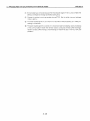
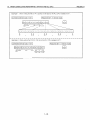
(d) In the classC IP address, the netID is allocated to the 21st bit and the host ID is allocated
to the 8th bit.
30
31
29
28
io
8
7
t
n
O
--
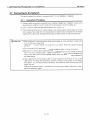
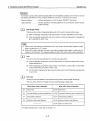
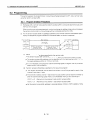
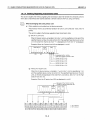
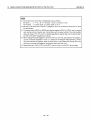
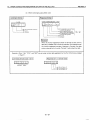
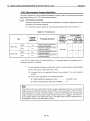
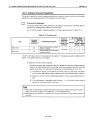
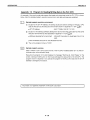
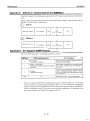
Point
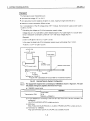
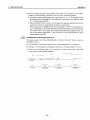
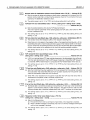
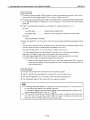
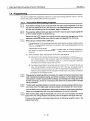
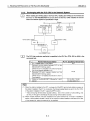
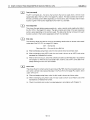
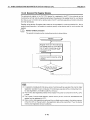
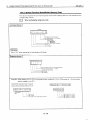
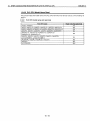
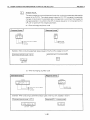
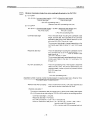
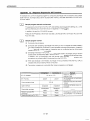
Limitations when settingE71's IP address are shown below. There are no netID limitations.
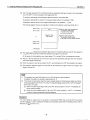
(1) Set the class to class A to C.
(2) For the host ID r l ) , make it so that all of the host ID range bits are not 0/1.
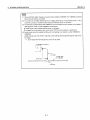
'1 When using the router relay function and the subnet mask, the host
ID masked the net
mask will become the subject hostID.
(3) Use 1P addresses that do not overlap with remote node including those on other networks.
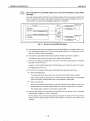
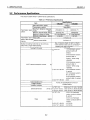
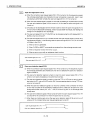
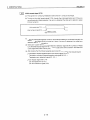
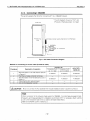
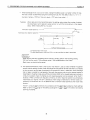
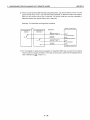
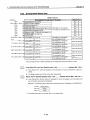
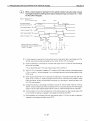
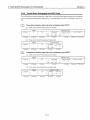
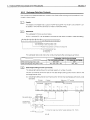
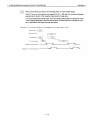
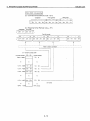
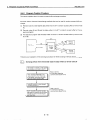
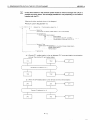
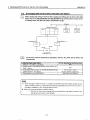
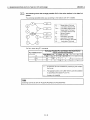
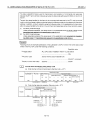
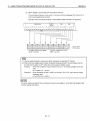
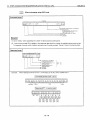
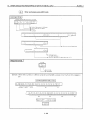
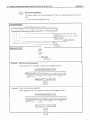
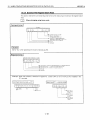
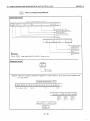
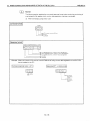
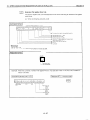
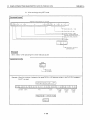
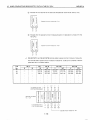
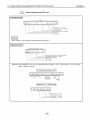
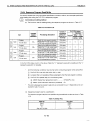
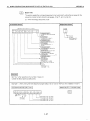
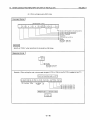
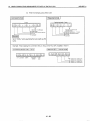
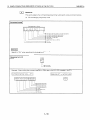
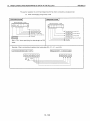
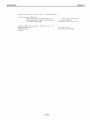
Net addresses
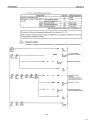
A net address is an IP address for which a host ID is 0
31
Class A
30
28
29
PCr-
to
24 23 to
Net ID
-
1
Class B L . 1
16 15
o
to
8
7
to
0
1
Ret ID
0
3
,
Class c
1
1
j
0
Net ID
o
11 - 5
0