Download Foreword
Transcript
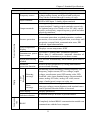
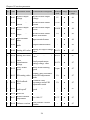
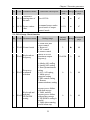
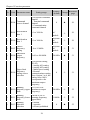
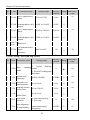
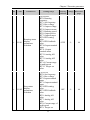
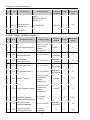
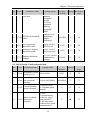
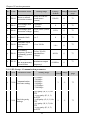
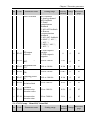
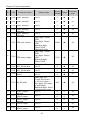
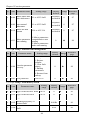
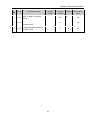
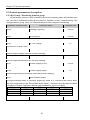
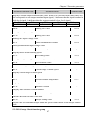
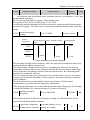
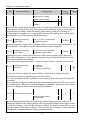
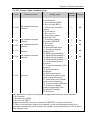
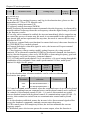
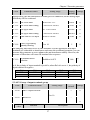
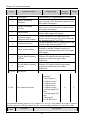
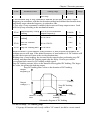
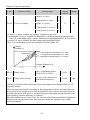
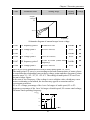
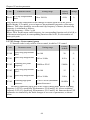
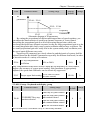
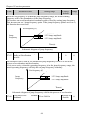
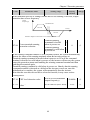
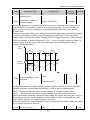
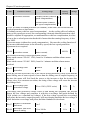
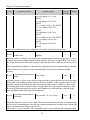
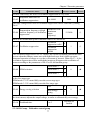
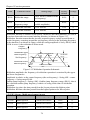
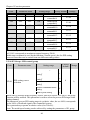
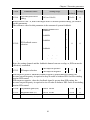
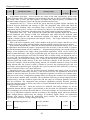
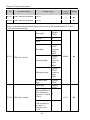
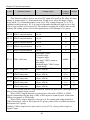
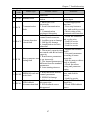
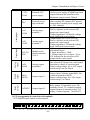
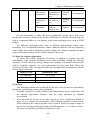
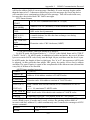
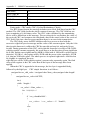
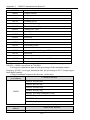
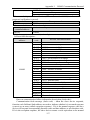
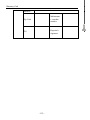
Chapter 5 Function parameter Code Parameter name Setting range Factory Change default Proportional gain (KP) : used to decide the extent of the PID regulator,the greater P,the greater adjusting extent. This parameter 100 means that when the deviation of PID feedback value and setting value is 100%, the PID regulator will adjust the output frequency command to the maximum output frequency (Ignore the integral and differential actions) . Integration time (Ti) : used to decide the speed that PID regulator adjusts integrally the deviation between feedbacks and settings of PID. The integration time means that when the deviation of PID feedback value and setting value is 100%, the integration regulator (Ignore proportional and derivative actions) will successively adjust to the maximum o utput frequency (F0.08) for the time. The shorter integration time, the greater extent of integral adjustment Differential time (Td) : used to decide the extent that PID regulator adjusts the deviation between feedbacks and settings of PID. The differential time means that the feedback value changes 100% within the time, the differential regulator will adjust to the maximum output frequency (F0.08) (Ignore proportional and integral action) . The longer differential time, the greater extent of adjustment PID is the most commonly used control method in the process control, and the role of its each part varies, the working principle and the adjusting method is briefly described as follows: Proportional adjustment (P) : When the deviation between feedback and setting exists, as for the adjustment amount that the output is proportional to the deviation, if the deviation is constant, then the adjustment amount will be constant too. Proportional adjustment can respond quickly to changes in the feedback, but simply adopt proportional adjustment, which can not realize the control without difference. The larger proportional gain, the faster the system adjustment, but if the too large proportional gain will cause oscillation. How to adjust: firstly set integration time to very long, and set differential time to zero, simply adopt proportional adjustment to make the system running, then change the setting value to observe the deviation (static difference) between feedback signal and setting amount, if the static difference changes in the direction of setting amount (for example, when increasing setting amount, the feedback amount is always less than setting amount after the system is stable), continue to increase the proportional gain, and vice versa reduce the proportional gain, repeat the above process until the static difference is relatively small (it is hard to achieve zero static difference) . Integration time (I) : when the deviation between feedback and setting exists, the output adjustment amount continuously increases, if the deviation persists, the adjustment amounts will continue to increase until zero deviation. The integration regulator can effectively eliminate static difference. If the action of integration regulator shows too strong, the overshoot occurs repeatedly, the system shows unstable until oscillation. The oscillations caused by too strong integral action is characterized by that the feedback signal bobs and the range of oscillation gradually increases until the oscillation. The integration time para meter adjustment generally descend, gradually adjust the integration time to observe the effect of system adjustment until the system reaches the steady speed requirements. Differential time (D) : when the deviation of feedback and setting changes, as for the adjustment amount that the output is proportional to the deviation, the adjustment amount only have something to do with the direction and size of deviation change, not itself direction and size. The role of differential regulation adjusts according to the changing trends when the feedback signal changes,thereby suppressing the changes of feedback signal. Please use differential regulator with caution, because the differential easily amplify the interference of system, especially the interference of high changes frequency. E2.07 Sampling period (T) 0.01 to 100.00s 0.10s ☆ E2.08 PID control deviation limit 0.0 to 100.0% 0.0% ☆ 82