1
Monitoring Fragmentation Across Coservers
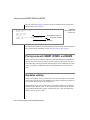
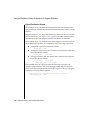
xctl onstat -g iof
The xctl onstat -g iof option displays the number of reads from and writes to
each dbspace or file. This option is similar to the -D option, except that it also
displays information on nonchunk files. It includes information about
temporary files and sort-work files.
Use this option to monitor the distribution of I/O requests for the different
fragments of a table. If one chunk has a disproportionate amount of I/O
activity, it might be a system bottleneck.
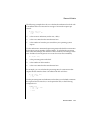
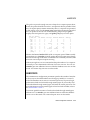
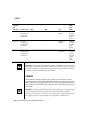
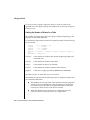
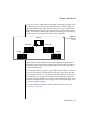
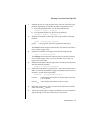
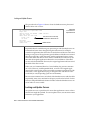
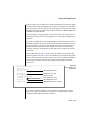
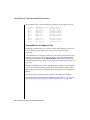
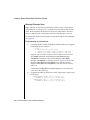
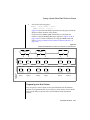
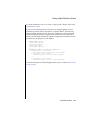
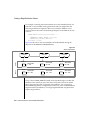
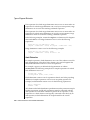
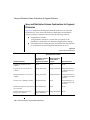
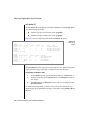
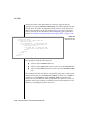
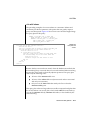
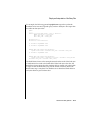
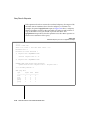
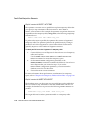
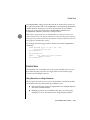
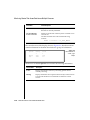
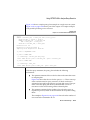
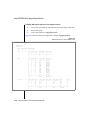
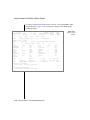
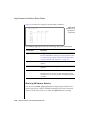
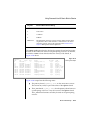
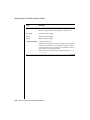
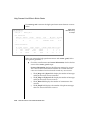
The sample output in Figure 9-12 shows that the disk reads and disk writes
are not balanced across the different dbspaces.
Figure 9-12
xctl onstat -g iof
Output
...
AIO
gfd
3
4
5
6
7
global files:
pathname
rootdbs1
/dev/custdbsl.1
/dev/perdbsl.1
/dev/proddbsl.1
/dev/dbsl.1
totalops
86
53
3
481
89
dskread
74
53
3
481
89
global files:
pathname
rootdbs2
/dev/custdbsl.2
/dev/perdbsl.2
/dev/proddbsl.2
/dev/dbsl.2
totalops
510
30
3
483
89
dskread
32
30
3
483
89
dskwrite
12
0
0
0
0
io/s
0.2
0.1
0.0
0.9
0.2
...
AIO
gfd
3
4
5
6
7
dskwrite
478
0
0
0
0
io/s
1.0
0.1
0.0
0.9
0.2
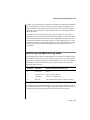
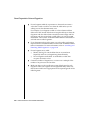
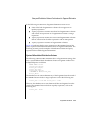
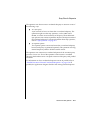
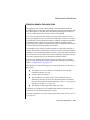
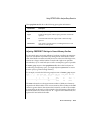
Figure 9-12 shows the following data skews:
■
The chunks whose pathname is /dev/proddbsl.1 on the first coserver
and /dev/proddbsl.2 on the second coserver have a disproportionately high number of disk reads compared to the other chunks.
To distribute the frequently accessed rows evenly to other dbspaces,
you might change the fragmentation strategy of the table or tables in
the dbspace associated with the chunk.
Fragmentation Guidelines
9-69