1
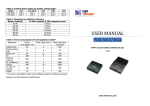
1. Introduction PCM-2012/2024 MPPT solar charge controller uses PWM-based microprocessor controller to keep the batteries regulated and prevent batteries from overcharging and discharging. Applying intelligent MPPT algorithm, it allows the controller to extract maximum power from solar arrays by finding the maximum power point of the array. The solar charge controller facilitates a standalone energy system. Typical application includes: Mobile applications such as moving van, lodge, log cabin, or night market. Lighting applications such as street lights, road lights, or garage lights. Remote village with power shortage 2. Product Overview 3. Installation Inspection Remove the unit from the shipping package and inspect it for damage that may occur during transportation. Notify the carrier and place of purchase if any damage is found. Installation Note Power switch Solar energy status indicator (Blue LED) Charging status indicator (Green LED) Site wiring fault indicator (Red/Orange/Yellow LED) LCD display (see Operation Section for the details) Terminal block for solar panel connection Terminal block for battery connection Terminal block for load connection Read all the installation section before beginning installation CAUTION! Careful to reduce the risk or dropping a metal tool on the batteries. It could spark or short circuit the batteries and could cause an explosion. CAUTION! Remove personal metal items such as rings, bracelets, necklaces, and watches when working with batteries. Batteries can produce a short circuit current high enough to make metal melt, and could cause severe burns. CAUTION! Avoid touching eyes while working near batteries. CAUTION! Have plenty of fresh water and soap nearby in case battery acid contacts skin, clothing, or eyes. Explosive battery gases may be present during charging. Be certain there is sufficient ventilation to release the gasses. CAUTION! NEVER smoke or allow a spark or flame in vicinity of a battery. Do not expose this charger controller to rain, snow or liquids of any type. WARNING! Provide ventilation to outdoors from the battery compartment. The battery enclosure should be designed to prevent accumulation and concentration of hydrogen gas at the top of the compartment. CAUTION! Use insulated tools to reduce the chance of short-circuit when installing or working with the inverter, the batteries, or other equipments attached to this unit. CAUTION! For battery installation and maintenance, read the battery manufacturer's installation and maintenance instructions prior to operating. Only charge Sealed Lead Acid, Vented Lead, NiCd or Gel batteries. CAUTION! To reduce risk of injury, only use qualified batteries from qualified distributors or manufacturers. Any unqualified batteries may cause damage and injury. Do NOT use old or overdue batteries. Please check the battery type and date code before installation to avoid damage and injury. WARNING! It's very important for safety and efficient operation to use appropriate external battery cable. To reduce risk of injury, external cables including battery cables, PV panel cables and load connected cables should be UL certified and rated for 75° C or higher. And strongly suggest not to use copper cables less than 12AWG. Below is the external battery cable reference according to system requirements. Model Nominal Battery Voltage Typical Current (Amp) PCM-2012 12 V 17 A PCM-2024 24 V 17 A NOTE: It's recommended to allow experienced personnel to install solar panel because the efficiency of solar energy transmission is directly affected by installation angles. Please follow the voltage requirement of the unit to wire connection with solar panel and batteries