1
Chapter 4. Framework
/*0(1.,(2954%5-5*;
3*0(
,&-&.
/*0(12
,&-&
$%&'()*%+
3*'451(%
"-&;0&1*;(.
'*0(1.4%*9(22*%
6&-()&7.4&%-.*8.
9*':5;(0.'*0(1.
4%*9(22*%
!"#.4&%-.*8.
9*':5;(0.'*0(1.
4%*9(22*%
!"#
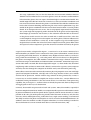
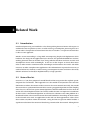
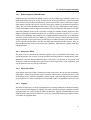
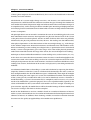
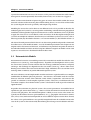
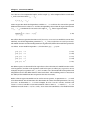
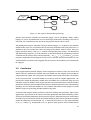
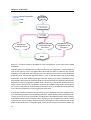
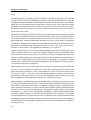
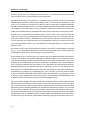
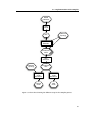
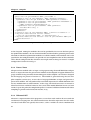
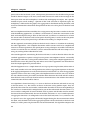
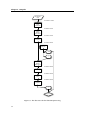
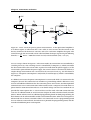
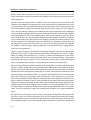
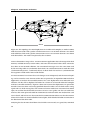
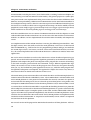
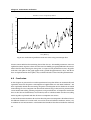
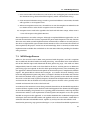
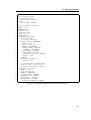
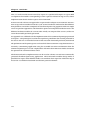
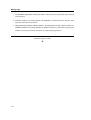
Figure 4.1: Diagram showing the different steps and elements of the sensor data model
framework.
compiler generates a model processor which is split into two components. A first component
runs on the gateway, that is, the point where data from the WSN is collected. The second
component is actually built with code that can be run directly on the sensors and is distributed
inside the WSN. The on-line approach allows a user to take full advantage of the DSDM
framework, as the data model knowledge inside the WSN can be used to minimize energy
consumption and reduce the number of packets to be transmitted. The separation of functions
between the gateway component and the WSN is necessary, as the devices forming the WSN
might not have the necessary capabilities to process the complete data model. The output of
the system is forwarded to the Global Sensor Network (GSN) [2] middleware for distribution
to any interested consumers of the augmented sensor data.
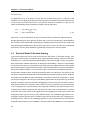
A sensor data model essentially consists of three parts: a prediction function, model parameters, and learning functions for the model parameters. Based on the current knowledge of the
system, the prediction function describes the likely future development of the sensor readings
or the likely current values of sensors whose readings are not available. This can be used to
substitute lost sensor readings without having to retransmit the data in the network. If the
quality of the predictions is acceptably good, some sensors could be turned off to reduce the
44