1
Hydrogen
Fuel
Cell
Technology
Leslie
Daniels
EME
6930
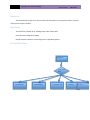
Task
Analysis
/
What
the
application
will
do
Task
Analysis:
Students
will
need
to
understand
the
steps
in
the
electrolysis
of
water
process:
•
•
•
•
Direct
current
from
a
battery
source
is
passed
through
water
Salts
or
acid
is
often
added
to
the
water
as
a
catalyst
in
the
reaction.
The
addition
of
salts
or
acid
releases
mobile
ions
and
produces
and
electrolyte
solution
Platinum
electrodes
placed
in
the
electrolyte
solution
will
cause
the
hydrogen
ions
to
migrate
to
the
cathode
electrode
and
oxygen
ions
to
the
anode
electrode
resulting
in
the
decomposition
of
water
into
its
molecular
components
of
hydrogen
and
oxygen.
The
decomposition
rate
is
at
a
2:1
ratio,
2
atoms
of
hydrogen
are
produced
to
1
atom
of
oxygen.
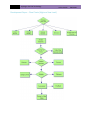
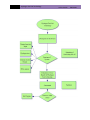
The
learning
module
will
first
review
the
components
of
the
fuel
cell
system.
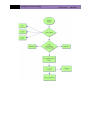
The
task
the
student
will
have
is
to
recreate
the
events
that
occur
in
this
system
resulting
in
the
generation
of
power
and
the
recycling
of
water.
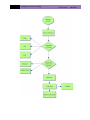
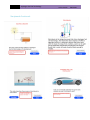
Through
a
drag
and
drop
process,
the
student
will
demonstrate
their
understanding
of
migration
of
negatively
charged
ions
to
the
anode,
positively
charged
hydrogen
ions
pass
through
the
PEM
membrane
to
the
cathode.
A
circuit
is
created
in
the
process.
The
functionality
of
this
circuit
will
be
demonstrated
by
the
lighting
of
an
electric
bulb.
The
hydrogen
electron
then
combines
with
the
oxygen
atom
and
positively
charged
hydrogen
proton
to
form
water,
which
is
then
recycled
through
the
system.
Students
will
be
assessed
through
a
short
quiz
to
note
their
understanding
of
the
chemical
transitions
that
occur
in
the
electrolysis
process
which
result
in
the
production
of
electrical
power.
Prerequisite
Skills
The
intent
of
this
learning
module
is
to
complement
what
has
been
previously
taught
to
students
on
the
topic
of
energy
transformations.
Since
simulation
is
a
higher
order
thinking
skill,
it
would
need
to
be
presented
after
a
basic
level
of
understanding
of
energy
transformations
has
been
established.
This
basic
understanding
would
be
initially
developed
through
guided
inquiry
at
a
more
fundamental
level.
This
guided
inquiry
would
incorporate
hands
on
activities
to
aid
the
students
form
an
understanding
at
a
more
concrete
level.
Some
key
concepts
that
would
be
foundational
to
this
learning
module
would
be
the
following:
•
•
•
•
Students
would
need
to
know
that
energy
is
neither
created
nor
destroyed
but
only
converted
from
one
form
to
another.
Students
would
need
to
have
a
basic
understanding
of
the
atom.
Students
would
need
to
be
able
to
distinguish
between
an
element
and
a
molecule.
Students
will
need
to
know
about
migration
of
positive
and
negative
ions
to
anode
and
cathode
terminals
as
in
the
operation
of
a
battery.