1
Hydrogen
Fuel
Cell
Technology
Leslie
Daniels
EME
6930
Description
of
the
Client
The
client
for
this
product
would
be
ExploreLearning,
a
company
that
offers
online
access
to
simulations
that
support
inquiry
learning
in
math
and
science.
This
company
develops
"gizmo"
simulations
for
students
in
grade
levels
third
to
twelfth
grade.
The
company
has
received
numerous
awards
for
its
research‐based
curriculum.
Typically,
in
order
for
students
to
gain
access
to
their
online
simulations,
an
account
representative
contacts
the
school
technology
representative
to
determine
the
goals
of
the
school
and
district.
Based
on
the
information
obtained
in
this
interview
process,
a
proposal
is
made
for
delivery
of
their
products
and
pricing.
Statement
of
Problem
Middle
school
teachers
of
physical
science
have
limited
resources
to
adequately
teach
the
process
of
electrolysis.
In
the
past,
teachers
may
have
had
access
to
a
Hoffman
apparatus
to
demonstrate
the
process
of
splitting
water
into
its
component
elements
of
hydrogen
and
oxygen
to
visualize
the
2
to
1
ratio
of
its
molecular
structure,
however,
with
budget
constraints,
few
middle
school
science
teachers
would
find
this
demonstration
device
in
their
science
hardware
inventory.
Even
if
one
could
be
located,
the
functionality
of
the
instrument
would
be
in
question
due
to
the
sensitive
platinum
electrode
it
contains.
If
the
instrument
is
not
handled
with
care
this
component
is
easily
damaged.
The
replacement
cost
of
$70
would
be
weighed
against
other
purchases.
The
development
of
a
Flash
simulation‐learning
module
would
offer
a
cost
effective
alternative.
Understanding
the
process
of
electrolysis
is
important
for
a
number
of
science
applications,
particularly
as
it
applies
to
the
functioning
of
hydrogen
fuel
cell
technology.
In
a
time
when
all
possible
alternatives
to
carbon
based
fuel
technology
are
being
review
and
considered
in
relation
to
global
warming
and
a
taxed
global
economy,
it
is
important
that
students
understand
what
options
might
be
offered
with
hydrogen
fuel
cell
technology.
When
citizens
are
informed,
they
are
able
to
make
intelligent
decisions
about
investment
in
alternative
technologies.
Understanding
how
a
few
cell
works
would
help
a
student
make
a
cost
to
benefit
decision
on
the
use
of
this
technology.
Hydrogen
Fuel
Cell
Technology
Leslie
Daniels
EME
6930
Target
Audience
The
target
audience
is
middle
school
science
students.
Although
the
concept
of
energy
can
be
woven
into
any
middle
school
science
curriculum,
it
is
generally
a
focus
of
a
physical
science
curriculum.
Physical
science
can
be
taught
at
any
grade
level
from
sixth
through
eighth,
but
generally
it
is
taught
in
the
eighth
grade
curriculum.
Students
in
this
age
group
are
beginning
to
transition
from
concrete
learning
to
more
abstract
learning
capabilities.
Science
by
nature
is
fairly
abstract
in
terms
of
understanding
many
of
its
underlying
principles.
A
curriculum
at
this
age
is
more
effectively
delivered
when
student's
learning
is
supported
by
a
variety
of
activities
that
present
the
material
in
various
learning
modalities.
Students
at
this
age
level
need
to
be
challenged.
However
their
learning
needs
to
be
facilitated
and
supported
in
order
for
them
to
have
the
opportunity
for
success.
When
students
are
successful
in
the
learning
of
abstract
concepts,
their
confidence
grows.
By
developing
confidence
in
learning,
students
are
prepared
to
meet
the
challenges
of
high
school,
which
seeks
to
foster
a
more
independent
level
of
learning.
Simulations
are
categorized
in
Bloom's
taxonomy
as
higher
order
thinking
skills.
When
students
are
successful
in
tasks
at
this
level,
their
transition
to
independent
learning
is
more
likely
to
occur.
The
social
development
of
students
at
this
age
level
is
often
marked
by
traumatic
conflicts
with
peer
and
family
groups.
Peers
become
a
dominant
factor
in
influencing
behavior.
Learning
activities
that
are
active
and
that
involve
the
collaborative
participation
of
peers
is
favored
over
passive
learning.
Since
middle
school
students
are
fairly
egocentric
at
this
age,
learning
opportunities
in
which
students
can
argue
to
convince
others
can
be
effective.
Some
of
the
angst
of
these
years
is
driven
by
the
marked
physical
changes
that
occur
during
adolescence.
Students
experience
an
accelerated
period
of
physical
development
noted
by
increasing
height,
weight,
heart
size,
lung
capacity
and
muscular
strength.
Girls
and
boys
vary
in
the
rate
of
puberty
development;
boys
tend
to
lag
behind
girls.
Adolescents
are
often
disturbed
by
these
changes
as
they
struggled
to
fit
in
with
their
peers.
With
all
the
changes
that
are
occurring
during
this
time
period
students
have
many
factors
that
can
put
them
at
risk
psychologically,
physically
and
socially.
Goals
for
the
Target
Audience
The
goal
for
the
target
audience
is
to
be
able
to
demonstrate
their
understanding
of
how
the
process
of
electrolysis
applies
in
the
energy
transformations
that
occur
in
driving
fuel
cell
technology.
By
manipulating
the
components
of
this
process,
namely
hydrogen,
oxygen
atoms
and
water
molecules,
the
students
will
simulate
the
process
of
electrolysis.
From
this
level
of
understanding,
students
can
then
attempt
the
higher
order
thinking
skill
of
synthesis
in
providing
a
recommendation
regarding
the
viability
of
hydrogen
fuel
cell
technology
in
solving
key
energy
concerns
of
the
future.
Hydrogen
Fuel
Cell
Technology
Leslie
Daniels
EME
6930
Task
Analysis
/
What
the
application
will
do
Task
Analysis:
Students
will
need
to
understand
the
steps
in
the
electrolysis
of
water
process:
•
•
•
•
Direct
current
from
a
battery
source
is
passed
through
water
Salts
or
acid
is
often
added
to
the
water
as
a
catalyst
in
the
reaction.
The
addition
of
salts
or
acid
releases
mobile
ions
and
produces
and
electrolyte
solution
Platinum
electrodes
placed
in
the
electrolyte
solution
will
cause
the
hydrogen
ions
to
migrate
to
the
cathode
electrode
and
oxygen
ions
to
the
anode
electrode
resulting
in
the
decomposition
of
water
into
its
molecular
components
of
hydrogen
and
oxygen.
The
decomposition
rate
is
at
a
2:1
ratio,
2
atoms
of
hydrogen
are
produced
to
1
atom
of
oxygen.
The
learning
module
will
first
review
the
components
of
the
fuel
cell
system.
The
task
the
student
will
have
is
to
recreate
the
events
that
occur
in
this
system
resulting
in
the
generation
of
power
and
the
recycling
of
water.
Through
a
drag
and
drop
process,
the
student
will
demonstrate
their
understanding
of
migration
of
negatively
charged
ions
to
the
anode,
positively
charged
hydrogen
ions
pass
through
the
PEM
membrane
to
the
cathode.
A
circuit
is
created
in
the
process.
The
functionality
of
this
circuit
will
be
demonstrated
by
the
lighting
of
an
electric
bulb.
The
hydrogen
electron
then
combines
with
the
oxygen
atom
and
positively
charged
hydrogen
proton
to
form
water,
which
is
then
recycled
through
the
system.
Students
will
be
assessed
through
a
short
quiz
to
note
their
understanding
of
the
chemical
transitions
that
occur
in
the
electrolysis
process
which
result
in
the
production
of
electrical
power.
Prerequisite
Skills
The
intent
of
this
learning
module
is
to
complement
what
has
been
previously
taught
to
students
on
the
topic
of
energy
transformations.
Since
simulation
is
a
higher
order
thinking
skill,
it
would
need
to
be
presented
after
a
basic
level
of
understanding
of
energy
transformations
has
been
established.
This
basic
understanding
would
be
initially
developed
through
guided
inquiry
at
a
more
fundamental
level.
This
guided
inquiry
would
incorporate
hands
on
activities
to
aid
the
students
form
an
understanding
at
a
more
concrete
level.
Some
key
concepts
that
would
be
foundational
to
this
learning
module
would
be
the
following:
•
•
•
•
Students
would
need
to
know
that
energy
is
neither
created
nor
destroyed
but
only
converted
from
one
form
to
another.
Students
would
need
to
have
a
basic
understanding
of
the
atom.
Students
would
need
to
be
able
to
distinguish
between
an
element
and
a
molecule.
Students
will
need
to
know
about
migration
of
positive
and
negative
ions
to
anode
and
cathode
terminals
as
in
the
operation
of
a
battery.
Hydrogen
Fuel
Cell
Technology
Leslie
Daniels
EME
6930
•
Students
will
need
to
know
how
a
circuit
functions.
Technical
Requirements
to
Create
the
Application
The
technical
requirements
are
the
following
(Mac
Version):
•
•
•
•
•
•
•
•
•
•
•
•
•
•
•
I
GHz
PowerPC
G4
or
G5
or
multi‐core
Intel
processor
Mac
OS
X
v.10.4.8
512MB
of
RAM
(1
GB
recommended)
2.5
GB
of
available
hard‐disk
space
(additional
free
space
required
during
installation)
1,024
x
768
monitor
resolution
with
16‐bit
video
card
DVD‐ROM
drive
QuickTime
7.1.2
software
require
for
multimedia
features
Internet
or
phone
connection
required
for
product
activation
Broadband
Internet
connection
required
for
Adobe
Stock
Photos
and
other
services
Flash
development
software
(CS3,
CS4)
Flash
Reader
to
read
swf
files
Audio
file
editor
(Audacity,
GarageBand)
Speaker
system
Microphone
iMovie
editor
Technical
Requirements
for
Learner
to
Use
Application
(Mac
Version)
•
•
•
•
•
•
•
Access
to
the
Internet
Browsers
Mac
OS
(Firefox
2.x
or
3.x,
AOL
for
Mac
OS
X,
Opera
9.5,
Safari
3.x)
Mac
Platform
Only:
Mac
OS
X
V10.4
or
10.5
128MB
of
RAM
and
128MB
of
VRAM
500MHZ
PowerPC
G3
or
1.33GHz
Intel
Core
duo
processor
Adobe
FlashPlayer10
plug‐in
Account
with
Explorelearning
Hydrogen
Fuel
Cell
Technology
Leslie
Daniels
EME
6930
Design
Component
Instructional
Objectives
The
student
will
identify
the
components
of
the
electrolysis
process.
The
student
will
describe
the
energy
conversions
that
take
place
in
the
electrolysis
process.
• The
student
will
reconstruct
the
events
that
occur
in
the
hydrogen
fuel
cell.
• The
student
will
examine
the
role
electrolysis
plays
in
the
production
of
hydrogen
fuel.
• The
student
will
evaluate
the
efficacy
of
hydrogen
fuel
production
as
an
alternative
to
a
petroleum
fuel
based
economy.
The
competency
the
student
can
expect
to
gain
from
the
learning
module
on
hydrogen
fuel
cell
technology
is
an
understanding
of
mechanics
used
to
generate
hydrogen
fuel.
Students
will
see
that
energy
is
required
to
split
water
into
its
component
parts,
hydrogen
and
oxygen.
This
in
fact
is
considered
a
cost
when
evaluating
the
prospects
of
using
hydrogen
fuel
as
a
source
of
energy.
A
benefit
the
students
will
see
is
that
the
process
is
relatively
pollution
free,
as
the
product
is
water.
Understanding
the
cost
and
benefits
of
this
technology
is
useful
in
making
decisions
about
the
use
of
this
energy
source.
•
•
Prerequisite
Skills
and
Knowledge
Understanding
the
process
electrolysis
plays
in
generating
hydrogen
fuel
requires
and
understanding
of
several
foundational
concepts.
First,
students
should
know
that
energy
comes
in
many
forms:
electrical,
chemical,
radiant,
thermal
and
so
on.
Although
energy
comes
in
a
variety
of
forms,
students
should
know
it
is
conserved.
In
other
words,
as
it
relates
to
the
Law
of
Conservation
of
Energy,
“Energy
can
not
be
created,
nor
destroyed.
It
is
only
converted
from
one
form
to
another”.
Students
also
need
to
have
a
foundation
in
atomic
structure.
They
should
know
that
the
atom
is
made
up
of
protons,
neutrons
and
electrons.
The
relative
charges
for
each
of
these
subatomic
particles
should
also
be
understood,
i.e.,
protons
have
a
positive
charge,
neutrons
are
neutral
in
charge
and
electrons
have
a
negative
charge.
With
an
established
understanding
of
atomic
structure,
students
can
build
on
there
knowledge
of
chemical
principles.
Atoms
combine
to
form
substances.
These
substances
can
be
pure
as
is
the
case
of
elements,
compound
as
in
the
case
of
molecules
and
compounds
or
mixtures,
both
homogeneous
and
heterogeneous.
Water
is
a
molecule.
Water
can
be
split
into
its
elemental
components,
hydrogen
and
oxygen.
This
process
requires
energy.
It
is
a
decomposition
reaction.
In
the
process
of
electrolysis,
electricity
is
used
to
split
the
water
molecule.
Hydrogen
Fuel
Cell
Technology
Leslie
Daniels
EME
6930
Students
should
know
that
electricity
is
the
net
flow
of
electrons
from
an
area
of
high
concentration
to
one
that
is
lower.
The
basics
of
electrical
circuitry
are
foundational
to
understanding
how
when
the
hydrogen
ion
is
split
into
its
positive
and
negative
components,
namely
one
proton
and
one
electron,
an
electromagnetic
potential
is
created.
The
electrons
then
flow
through
a
wire
establishing
a
circuit.
A
load
can
be
placed
on
circuit
and
the
energy
can
be
tapped
and
put
to
use
as
in
the
powering
of
a
machine
or
lighting
a
light
bulb.
The
role
the
battery
plays
in
terms
of
providing
a
voltage
potential
is
also
important.
Several
key
concepts,
drawing
from
both
an
understanding
of
physics
and
chemistry
principles,
need
to
be
linked
in
order
to
understand
the
mechanics
of
a
hydrogen
fuel
cell.
Even
though
it
seems
simple
enough,
water
is
split
into
hydrogen
and
oxygen,
the
hydrogen
is
used
as
a
fuel,
this
is
a
fairly
complex
process
for
middle
school
students
to
fully
understand.
Visual
representation
of
this
process
coupled
with
a
narrative
description
is
a
multimedia
approach
that
could
be
effective
in
facilitating
an
understanding.
Instructional
Strategies
The
instructional
strategies
will
be
primarily
guided
inquiry.
First
a
foundation
of
understanding
needs
to
be
established.
In
order
to
engage
the
learner
of
this
age
group,
guided
inquiry
will
capture
their
natural
curiosity.
Using
this
framework
to
build
the
foundational
basics
described
earlier
as
the
prerequisite
skill
base,
students
will
review
the
basics
through
a
series
of
“hands
on
activities”.
For
example,
to
determine
their
understanding
of
atomic
structure,
a
student
would
be
asked,
“Given
the
subatomic
particles
of
an
atom,
(electron,
proton,
and
neutron),
drag
representative
illustration
of
each,
to
the
area
you
would
find
them
in
the
atom.”
Feedback
could
be
provided,
if
a
student
needs
more
guidance.
After
the
basics
are
reviewed,
the
process
of
electrolysis
can
be
introduced.
The
learning
strategy
will
continue
to
be
guided
inquiry
with
the
posing
of
questions.
When
presented
with
a
Hoffman
apparatus
illustration
showing
the
displacement
of
water
ratio
of
2:1
in
the
cylinder,
the
students
could
predict
which
one
is
hydrogen
and
which
one
is
oxygen.
This
process
would
continue
and
the
process
of
electrolysis
would
be
constructed
by
presenting
each
component
in
the
process
and
predicting
the
role
it
plays.
Finally,
the
application
of
the
process
of
electrolysis
to
the
mechanics
of
the
fuel
cell
will
be
illustrated.
Students
again
could
predict
how
the
fuel
cell
might
function
and
then
the
process
would
be
reviewed
through
animation
and
narration
of
the
key
steps
in
the
process.
Instructional
Strategies
Since
so
many
concepts
need
to
be
linked
to
fully
understand
the
mechanics
of
a
fuel
cell,
concept
mapping
will
be
use
to
build
the
connections
between
the
physical
and
chemical
concepts
that
interplay
in
a
fuel
cell.
Additionally,
questions
can
be
posed
to
the
students
to
check
for
their
understanding
at
critical
points
in
the
learning
process.
Finally,
students
can
evidence
their
Hydrogen
Fuel
Cell
Technology
Leslie
Daniels
EME
6930
understanding
of
how
a
fuel
cell
works
through
a
drag
and
drop
game
sequence
in
which
they
simulate
the
process
of
generating
fuel
and
power
in
the
operation
of
a
fuel
cell.
Constraints
and
Limitations
The
instructional
strategies
I
would
employ
come
with
their
own
set
of
constraints.
When
attempting
to
develop
student
independence
in
learning,
it
is
possible
to
not
provide
enough
guidance
to
support
the
learner’s
development.
The
inquiry
method
is
appropriate
in
science
as
it
models
the
process
of
science
itself
and
builds
on
a
student’s
natural
curiosity.
However,
students
schooled
with
a
more
traditional
approach
in
which
the
teacher
is
the
giver
of
all
answers,
can
be
easily
frustrated
when
the
answer
isn’t
apparent.
Providing
feedback
and
guiding
the
student
based
on
their
responses,
can
alleviate
some
of
this
anxiety.
The
approach
I
have
described
requires
a
lot
of
visual
animation
and
guidance
as
well
as
narration.
Animations
and
simulations
are
time‐consuming
and
expensive
to
produce.
However,
in
the
long
run
they
can
be
cost
effective
in
a
science
setting
because
they
can
replace
the
cost
of
expensive
equipment.
This
project
would
require
a
team
of
at
least
two
to
three
designers
to
develop
all
the
animations
and
simulations
and
audio
files
described.
Each
would
need
to
be
proficient
in
Flash
animation,
web
design
and
audio
and
video
editing.
At
least
one
would
need
to
be
a
content
expert
to
verify
the
accuracy
of
the
information.
Scope
of
Project
This
project
would
fit
into
a
unit
on
energy.
Energy
is
a
very
large
topic
in
science;
it
essentially
flows
through
virtually
every
field
of
science,
earth
science,
life
science,
chemistry
and
physics.
However,
the
focus
of
this
energy
unit
would
be
primarily
in
chemistry
and
physics.
My
project
piece
will
be
the
simulation
of
the
fuel
cell
functionality.
As
such,
it
would
be
best
placed
at
the
end
of
a
unit
on
energy
since
so
many
foundational
concepts
need
to
be
constructed
before
the
mechanics
of
a
fuel
cell
can
be
understood.
While
simulations
foster
higher
order
thinking
skills,
being
able
to
evaluate
and
support
a
position
on
a
topic
is
considered
the
highest
level
in
Bloom’s
Taxonomy.
The
scope
of
this
project
is
to
guide
the
student
in
understanding
the
underlying
processes
that
are
used
in
the
function
of
a
fuel
cell.
From
this
understanding,
students
can
derive
the
risks
and
benefits
and
even
the
economic
feasibility
of
this
technology.
Essentially
this
project
would
support
the
development
of
an
informed
citizenry
who
vote
and
decide
whether
to
support
research
and
development
of
this
technology.
List
of
Deliverables
•
•
•
Prototype
of
an
hydrogen
fuel
cell
simulation
a
part
of
a
larger
unit
on
hydrogen
fuel
cell
technology
User
guide
Final
Proposal
Paper
Hydrogen
Fuel
Cell
Technology
Leslie
Daniels
EME
6930
Media
Use
The
media
will
be
a
Flash
movie
clip
in
which
sound
elements
are
incorporated.
Also
a
narrative
of
the
process
will
be
included.
Style
Guide
Text
Elements:
Verdana
12
pt.
Headings
16pt.
Color:
Black,
Bold
Color
Elements:
Background:
White
Graphic
Elements
will
be
of
contrasting
colors
to
provide
emphasis
Hi‐Level
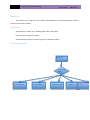
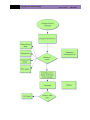
Flow
Chart
Introduction
Energy
Module
Menu
Menue
Atomic
Structure
Chemical
Bonding
Electricity
&
Circuits
Electrolysis
Hydrogen
Fuel
Cell
Technology
Hydrogen
Fuel
Cell
Technology
Leslie
Daniels
EME
6930
Citations
Instructional
Strategies
Online,
retrieved
on
June
5,
2009
from
http://olc.spsd.sk.ca/DE/PD/instr/index.htm
How
Fuel
Cells
Work,
retrieved
on
June
5,
2009,
from
http://auto.howstuffworks.com/fuel‐efficiency/alternative‐fuels/fuel‐cell.htm
Electrolysis
of
Water,
retrieved
on
June
5,
2009,
from
http://hyperphysics.phy‐astr.gsu.edu/Hbase/thermo/electrol.html
Hydrogen
Fuel
Cell
Technology
Leslie
Daniels
EME
6930
Development
Paper
–
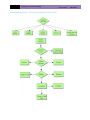
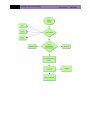
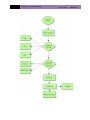
Flow
Charts
(High
and
Low
Level)
Hydrogen
Fuel
Cell
Technology
Leslie
Daniels
EME
6930
Hydrogen
Fuel
Cell
Technology
Leslie
Daniels
EME
6930
Hydrogen
Fuel
Cell
Technology
Leslie
Daniels
EME
6930
Hydrogen
Fuel
Cell
Technology
Leslie
Daniels
EME
6930
Hydrogen
Fuel
Cell
Technology
Leslie
Daniels
EME
6930
Storyboards
Hydrogen
Fuel
Cell
Technology
Leslie
Daniels
EME
6930
Storyboards
Continued:
Hydrogen
Fuel
Cell
Technology
Leslie
Daniels
EME
6930
Storyboards
Continued:
Description
of
Interactivity
The
interactivity
elements
contained
within
this
learning
module
occur
both
within
the
lesson
itself
and
within
the
assessment
component.
Within
the
application,
the
user
can
freely
navigate
to
the
lesson
of
interest
within
the
learning
module,
although
the
general
arrangement
of
the
instructional
design
is
from
the
beginning
foundational
concept
of
atomic
structure
sequentially
to
fuel
cell
technology.
This
enables
the
user
to
review
any
of
the
lesson
components
at
any
time
within
the
lesson.
The
user
can
also
freely
navigate
within
each
lesson
component
through
the
use
of
previous
and
next
buttons
and
return
to
main
menu.
Interactivity
is
also
designed
when
the
user
reviews
the
video
on
the
process
of
electrolysis.
The
controls
on
the
video
allow
for
starting
and
stopping.
The
user
also
gets
an
indication
of
the
duration
of
the
video
with
the
elapsing
of
the
progress
bar.
Additionally,
the
user
can
adjust
the
sound.
In
the
assessment
component,
the
user
is
able
to
move
freely
from
item
to
item
at
their
own
pace.
There
is
also
the
option
to
return
to
the
previous
question
if
desired.
One
of
the
assessment
procedures
allows
for
students
to
select
the
correct
response
through
a
drag
and
drop
feature.
Description
of
Assessment
Procedures
The
assessment
procedures
are
varied
to
allow
the
user
different
opportunities
to
evidence
their
understanding
of
the
content.
One
assessment
option
is
through
a
multiple‐choice
quiz.
Students
can
select
their
answer
to
the
question
posed
and
then
check
their
answer
for
immediate
feedback.
At
the
end
of
the
multiple‐choice
quiz
students
get
a
final
score
assessment
as
well
as
an
indication
of
the
time
it
took
to
complete
the
quiz.
A
second
option
for
students
to
evidence
the
understanding
of
the
Hydrogen
Fuel
Cell
Technology
Leslie
Daniels
EME
6930
content
is
through
a
drag
and
drop
activity.
In
the
activity,
the
student
selects
the
correct
answer
and
then
drags
it
to
a
specific
location
on
the
stage.
At
that
point
the
student
will
receive
specific
feedback
as
to
the
correctness
of
their
answer.
A
final
assessment
approach
is
through
the
use
of
an
open‐ended
question
and
response.
In
this
format
the
student
will
input
their
answer
into
a
text‐box
and
then
compare
their
answer
with
the
feedback
that
is
given
upon
submission.
This
final
assessment
component
will
be
part
of
the
circuitry
section
that
is
still
in
development.
Specific
Description
of
Feedback
The
feedback
to
the
user
is
designed
to
be
immediate.
When
the
user
selects
an
answer
in
the
multiple‐choice
quiz,
the
option
to
immediately
check
the
answer
is
provided
by
a
check
answer
button.
Clicking
on
this
button
displays
feedback
indicating
to
the
user
the
correctness
of
the
response.
Also
at
the
end
of
the
multiple‐choice
quiz,
feedback
is
immediately
provided
in
terms
of
the
overall
performance
and
the
time
it
took
to
complete
the
quiz.
In
the
drag
and
drop
assessment,
feedback
is
immediate
and
also
instructional.
If
the
user
selected
the
incorrect
answer,
feedback
is
given
as
to
why
the
answer
is
incorrect.
Specific
Multi‐media
File
Links
A
variety
of
multi‐media
components
are
used
in
the
learning
modules.
The
image
elements
obtained
from
the
creative
commons
resource
are
as
follows:
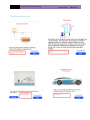
Retrieved
from
http://drbein.net/chemistry.htm
Retrieved
from
https://eapbiofield.wikispaces.com/Water+Science+KA
Hydrogen
Fuel
Cell
Technology
Leslie
Daniels
EME
6930
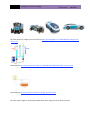
All
of
the
above
car
images
were
retrieved
from
http://hackedgadgets.com/2007/04/23/hydrogen‐fuel‐
cell‐rc‐car/
Retrieved
from
http://www.princeton.edu/~chm333/2002/spring/FuelCells/fuel_sources.shtml
Retrieved
from
http://superphysics.netfirms.com/pp_electricity.html
All
of
the
other
images
in
the
learning
module
were
draw
using
tools
in
the
Flash
interface.
Hydrogen
Fuel
Cell
Technology
Leslie
Daniels
EME
6930
Video
components:
The
video
on
the
electrolysis
process
was
retrieved
from
http://video.google.com/videoplay?docid=2058430501024193438&ei=zA1hSvmVM5aOqQLloegn&q=el
ectrolysis&hl=en
All
of
the
other
movie
clips
used
in
this
learning
module
were
developed
by
using
the
tools
available
within
the
Flash
interface.
Navigational
Branching
Within
this
learning
module
on
fuel
cell
technology
there
are
several
options
for
navigation.
These
navigational
elements
are
described
as
follows:
Previous
‐
this
button
will
take
you
to
the
previous
page
or
if
you
are
within
the
multiple‐choice
quiz,
you
will
be
taken
to
the
previous
question.
Next
–
this
button
will
take
you
to
the
next
page.
If
the
user
clicks
on
the
next
button
within
the
multiple‐choice
quiz,
the
user
will
be
directed
to
click
on
a
response
to
the
posed
question
before
proceeding.
Quiz
–
this
button
alerts
the
user
that
upon
clicking,
it
will
take
the
user
to
an
assessment
component.
Return
to
main
menu
–
this
button
when
clicked
will
take
the
user
to
the
main
menu
navigation
page.
Facilitator
Guide/User
Manual
Currently
this
resource
is
not
available.
Learner
Materials/Handouts
Currently
this
resource
is
not
available.