1
qooxdoo Documentation, Release 2.0
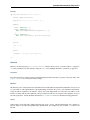
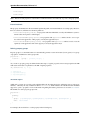
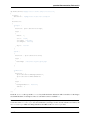
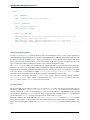
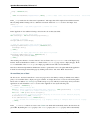
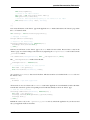
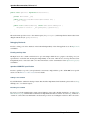
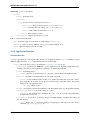
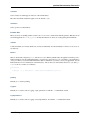
},
...
}
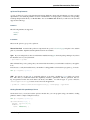
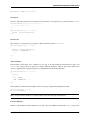
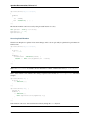
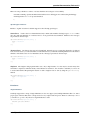
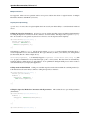
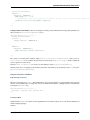
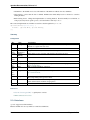
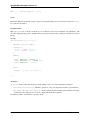
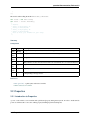
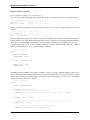
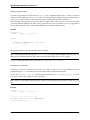
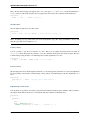
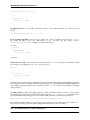
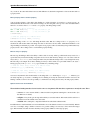
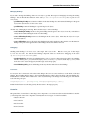
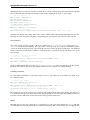
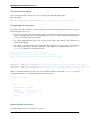
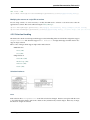
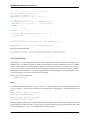
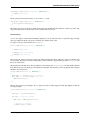
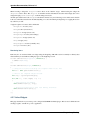
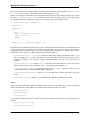
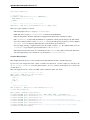
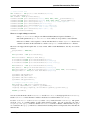
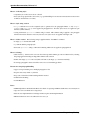
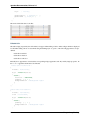
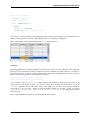
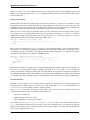
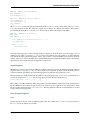
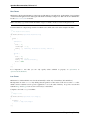
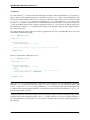
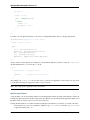
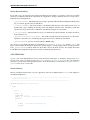
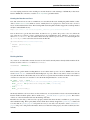
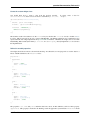
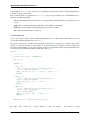
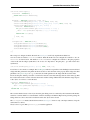
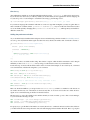
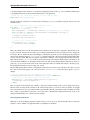
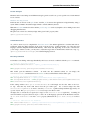
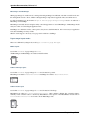
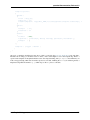
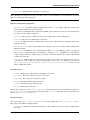
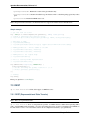
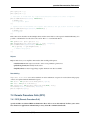
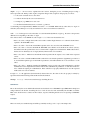
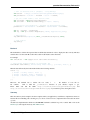
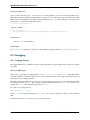
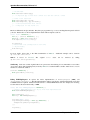
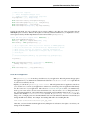
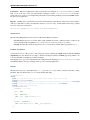
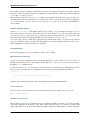
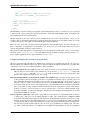
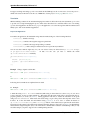
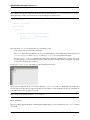
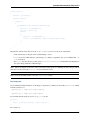
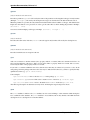
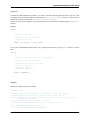
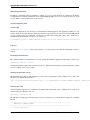
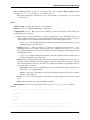
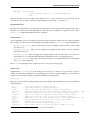
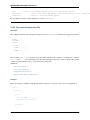
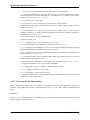
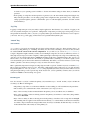
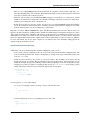
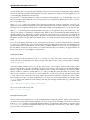
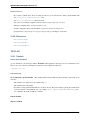
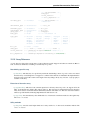
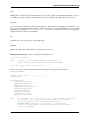
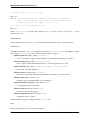
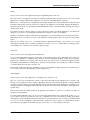
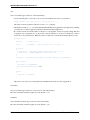
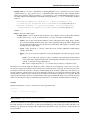
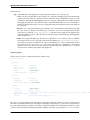
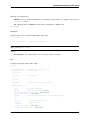
The boot part has always the load index 0, as it is always loaded first. The other parts that have a load index (1 and
2 in the example) will be collapsed with the expectation that they are loaded in this order. Parts that don’t have an
expected-load-order setting are not optimized by part collapsing, and there are no assumptions made as to when they
are loaded during run time.
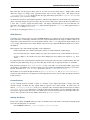
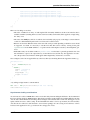
The important thing to note here is that the load order you define is not destructive. That means that parts are still
self-contained and will continue to function even if the expected load order is changed during run time. In such cases,
you only pay a penalty that classes are loaded with a part that are actually not used by it. But the overall functionality
of your application is not negatively affected.
8.6.3 Further Resources
• Generator Configuration
• qooxdoo API
8.7 Internationalization
8.7.1 Internationalization
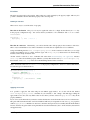
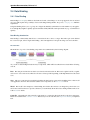
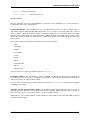
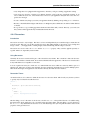
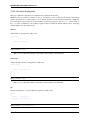
We define internationalization (a.k.a. “I18N”) as composed of two distinct areas:
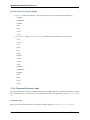
Localization Adapting software to suit regional customs regarding date, time and number formatting, names for time
units, countries, languages and so forth.
Translation Translating user-visible strings in software, like labels on buttons, pop-up messages, headings, help texts,
and so forth.
Localization largely relies on approved standards that are in use in any given regional and/or cultural area, and can
therefore take advantage of standardized data and information. Translation is much more application-specific, and the
relevant strings of an application have to be translated in any target language individually.
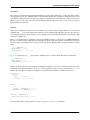
Localization
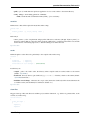
Localization is the effort of displaying data in a way that conforms to regional and/or cultural habits. This mostly
affects data of everyday life: monetary currencies, names and display formats used in dates and time, number formats
and naming conventions in general (e.g. names of countries and languages in the world), to list the most common use
cases. Writing a date as 01/31/1970 rather than 1970/01/31, or starting the week with Sunday rather than Monday fall
in this category.
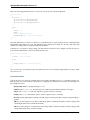
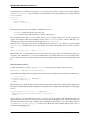
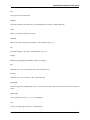
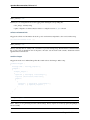
A coherent set of these conventions taken together is usually referred to as a locale, and they are signified by a country
code or some derivative thereof. en, en_US and en_UK for example signify three distinct locales that are used in
English speaking countries. The understanding is that there is a sort of inheritance relation between more general and
more specific locales, so that e.g. en_US only needs to specify the items in which it deviates from the more general
en locale, and relies on the en settings for all other on which they agree. For historical reasons there is a common
“ancestor” to all locales which is called C. If not specified all locale settings fall back to those given in C (which is
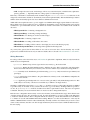
mostly a copy of en). qooxdoo supports this fall-back chain of locale settings by looking up a specific item e.g first in
en_US (if that were the current locale), then en and then in C.
8.7. Internationalization
313