1
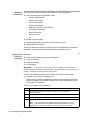
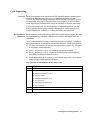
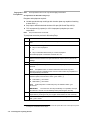
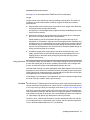
Capillaries The capillary has an opaque, polyimide external coating except in the window area.
The laser and detector read samples during electrophoresis through the window in the
coating. Capillaries are very fragile in the uncoated window area.
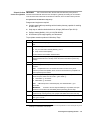
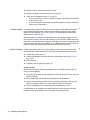
Capillaries should last at least 100 runs if treated properly. You may be able to get
more injections from a capillary, depending on your template preparation methods and
run conditions.
♦
Do not let capillaries with polymer in them dry out. Store their ends in buffer or
deionized water when not in use.
♦
Store unused capillaries in a dust-free environment.
♦
Do not touch capillary windows. If you do touch a window accidentally, clean it
with 95% ethanol.
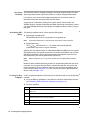
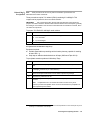
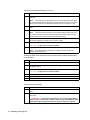
Signs of capillary failure are the following:
♦
Decreased resolution
♦
High baseline
♦
Noisy data
♦
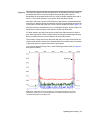
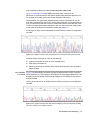
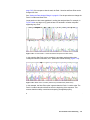
Trailing peaks in data (Figure 7-59 on page 7-55)
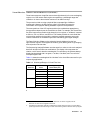
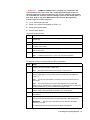
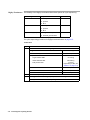
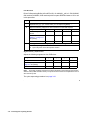
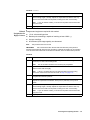
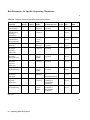
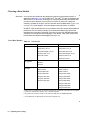
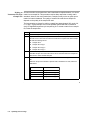
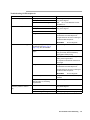
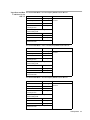
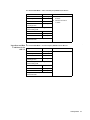
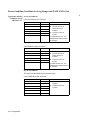
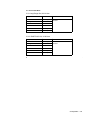
Information about the capillaries used on the ABI PRISM 310 Genetic Analyzer is given
in Table 5-1.
Table 5-1 Capillary Types
Capillary
Type
Marking
Color
Polymer Used
Coated/
Uncoated
10X Genetic
Analyzer
Buffer Type
Length
(cm)
Length to
Detector
(cm)
Internal
Diameter
(µm)
POP-6™
internally
uncoated
with EDTA
47
36
50
pink
POP-6
internally
uncoated
with EDTA
61
50
50
silver
DNA
Sequencing
Polymer (DSP)
internally
coated
without EDTA
47
36
75
Rapid
sequencing
green
Long-read
sequencing
Sequencing
Optimizing Capillary Electrophoresis 5-3