1
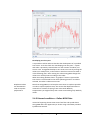
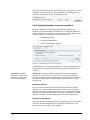
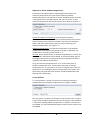
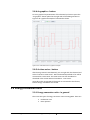
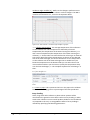
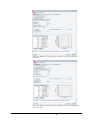
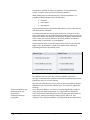
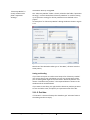
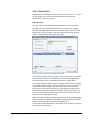
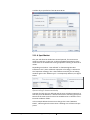
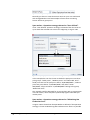
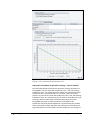
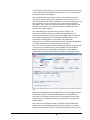
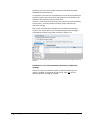
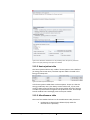
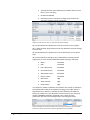
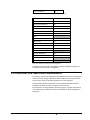
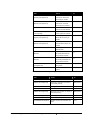
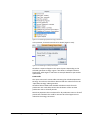
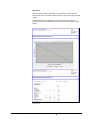
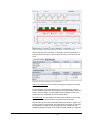
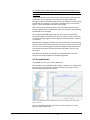
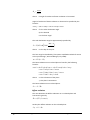
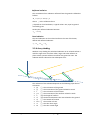
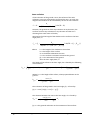
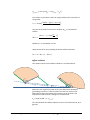
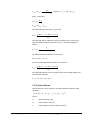
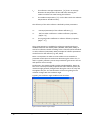
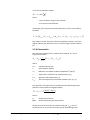
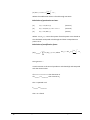
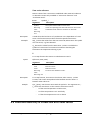
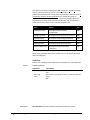
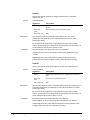
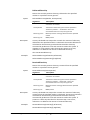
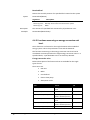
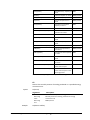
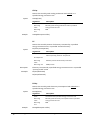
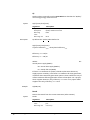
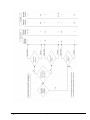
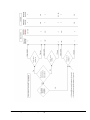
tm: The collectors average temperature, [C], that is an average between the temperature of the cold water entering the collector and the hot water leaving the collector ta: The ambient temperature, [C]. For the best results the ambient temperatures should be hourly. The efficiency of the solar collector is defined by three parameters: no: Intercept (maximum) of the collector efficiency, [-] a1: The first-order coefficient in collector efficiency equation, [W/(m2 C)] a2: The second-order coefficient in collector efficiency equation, [W/(m2 C)2] These 3 parameters are available for collectors tested according to ASHRAE standards and rated by SRCC (ASHRAE, 2003; SRCC,1995), as well as for collectors tested according to the recent European Standards on solar collectors (CEN, 2001). Many examples of collector parameters can be found on the internet (e.g. SPF, 2004). Note: It is important to make sure that collector area entered as a parameter match the area used when determining the values of no, k1 and k2. Typically, efficiency curves are provided for gross area in the US and aperture area in Europe. Furthermore, the model includes Incidence Angle Modifier, IAM or K. The sun is not always located perpendicular to the collector plane; the incidence angle generally changes both during the course of a day and throughout the year. The transmittance of the cover glazing for the collector changes with the incidence angle. Typically, the Incidence angle modifier looks as below: Figure 3.28 The incidence angle modifier 184 Method of calculation in energyPRO www.emd.dk User's Guide energyPRO