1
5.11 OPERATION
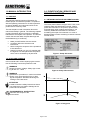
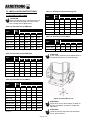
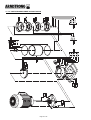
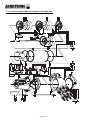
The liquid is sucked in through the pump inlet (A) on
the supply side under minimum pressure. The pump
increases the pressure. The liquid leaves the pump
through the pump outlet (B) on the delivery side
under increased pressure.
WARNING
Pumps could tilt while lifting. Do not remove
the lifting devices from the pump before the
pump is placed and mounted correctly.
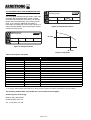
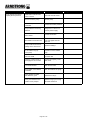
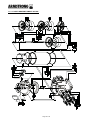
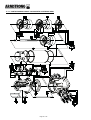
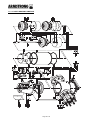
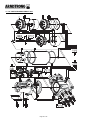
Table 12: Transport positions
ID3079
ID3080
ID3081
ID3082
C
D
A
A
B
C
D
E
B
E
Pump inlet
Pump outlet
Terminal box
Fill plug/air relief plug
Drain plug
A
B
6.0 TRANSPORT
6.1 TRANSPORT
1. Transport the pump in the position as
indicated on the pallet or packaging.
2. Make sure the pump is stable.
3. If present, observe the instructions on the
packaging.
6.2 STORAGE
Fill the pump with glycol in order to protect it against
the risk of frost.
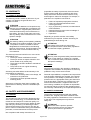
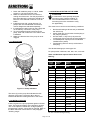
WARNING
Lift the pump, if necessary using a hoist and
suitable slings. Attach the slings to the
transport lugs on the packaging, where present.
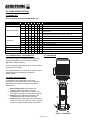
Storage
WARNING
The pump must be lifted according to the
current hoist guidelines. Only qualified personnel is allowed to lift the pump.
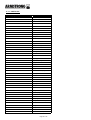
tambient [°C]
-10/40
Max. rel. humidity [%]
80% at 20°C not condensing
Table 13: Storage
6.2.1 INSPECTION DURING STORAGE
1. Turn the shaft every three months and just
before putting into operation.
WARNING
Do not lift the pump by using the frequency
converter (if placed), electrical parts or the
motor cover. Be sure that the pump is always
Page 15 of 40