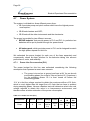
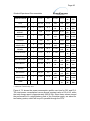
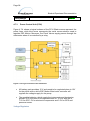
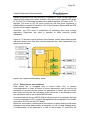
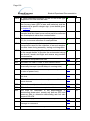
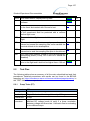
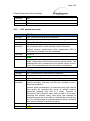
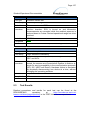
1
-1- SED Student Experiment Documentation Document ID: BX18_A5Unibo_SEDv3-0_07July14 Mission: BEXUS 18 Team Name: A5-Unibo Experiment Title: Advanced Atmospheric Aerosol Acquisition and Analysis Team Leader: Encarnaciòn Serrano Castillo Team members: Alberto Sodi Igor Gai Riccardo Lasagni Manghi Paolo Lombardi Danilo Boccadamo Alice Zaccone Erika Brattich Elisa Luconi Marco Didonè Abramo Ditaranto Mattia Baldani Luca Mella Version: Issue Date: Document Type: Valid from: 3.0 07 July 2014 IPR 07 July 2014 -2- Issued by: Riccardo Lasagni Manghi ……………………………….. Approved by: Fabrizio Giulietti ........................................... -3- CHANGE RECORD Version Date Changed chapters Remarks 0 1.0 1.1 2013-12-11 2014-02-17 Blank Book 2013 PDR PDR-corrected 2.0 2014-04-11 New Version all Sections: Preface List of Tables List of Figures 1.3 2.1, 2.2, 2.3, 2.4 3.1, 3.2, 3.3, 3.5 4.1, 4.2, 4.3 5, 5.1, 5.2, 5.3 6 all 1.4.2 3.2, 3.3, 3.5 4.1, 4.2, 4.3, 4.4, 4.5, 4.6, 4.7, 4.8, 4.9 5.2, 5.3 6.1, 6.2, 6.3 2.1 2014-05-28 3.0 2014-07-07 CDR CDR-corrected 2 (minor changes) 3.3, 3.5 4.2, 4.3.4, 4.4 (minor changes), 4.5, 4.7, 4.8, 4.9 5 (minor changes) 6 IPR 1.4.2 4.3.4, 4.4, 4.5 (PCB’s) 5.2 -4- CONTENTS CHANGE RECORD ......................................................................................... 3 LIST OF TABLES............................................................................................. 7 LIST OF FIGURES .......................................................................................... 8 PREFACE ...................................................................................................... 10 ABSTRACT .................................................................................................... 11 1 INTRODUCTION ................................................................................... 12 1.1 Scientific/Technical Background ................................................... 12 1.2 Experiment Concept...................................................................... 14 1.3 Experiment Objectives .................................................................. 15 1.4 Team Details ................................................................................. 15 1.4.1 Contact Point .................................................................... 15 1.4.2 Team Members ................................................................ 16 2 EXPERIMENT REQUIREMENTS AND CONSTRAINTS ...................... 22 2.1 Functional Requirements .............................................................. 22 2.2 Performance Requirements .......................................................... 23 2.3 Design Requirements.................................................................... 24 2.4 Operational Requirements ............................................................ 25 3 PROJECT PLANNING .......................................................................... 27 3.1 Work Breakdown Structure (WBS) ................................................ 27 3.1.1 Subsystem Tasks ............................................................. 28 3.2 Schedule ....................................................................................... 29 3.3 Resources ..................................................................................... 31 3.3.1 Manpower......................................................................... 31 3.3.2 Budget .............................................................................. 32 3.3.3 Educational support.......................................................... 35 3.3.4 Financial support. ............................................................. 37 3.3.5 Analysis and testing support facilities: .............................. 38 3.4 Outreach Approach ....................................................................... 39 3.5 Risk Register ................................................................................. 39 4 EXPERIMENT DESCRIPTION .............................................................. 44 4.1 Experiment Setup ......................................................................... 44 4.2 Interfaces ...................................................................................... 46 4.2.1 Mechanical ....................................................................... 46 4.2.2 Electrical ........................................................................... 47 4.3 Experiment components ............................................................... 48 4.3.1 Optical Particle Counter (OPC) ........................................ 48 4.3.2 Diaphragm Pump ............................................................. 49 -5- 4.4 4.5 4.6 4.7 4.8 4.9 5 4.3.3 Air Ion Counters (AICs) .................................................... 50 4.3.4 Sampling Unit (SU) ........................................................... 51 Mechanical Design ........................................................................ 54 4.4.1 Instruments Housing assembly (IHA) ............................... 55 4.4.2 Battery Housing Assembly ............................................... 58 4.4.3 Electronics housing assembly (EHA) ............................... 58 4.4.4 Structural analysis (10 g vertical) ..................................... 59 4.4.5 Structural analysis (5g horizontal) .................................... 60 Electronics Design ........................................................................ 63 4.5.1 Devices connected to Micro-controller ............................. 63 4.5.2 Stacked board 1: .............................................................. 66 4.5.3 Stacked Sensor Board 2 (SB2) ........................................ 71 4.5.4 Ethernet Shield ................................................................. 75 4.5.5 Heaters Board (H-Board) ................................................. 76 4.5.6 Power control unit (PCU) .................................................. 79 4.5.7 Motion Mind Motor Controller. .......................................... 83 4.5.8 GPS Adafruit .................................................................... 84 Thermal Design ............................................................................. 85 4.6.1 Thermal model architecture .............................................. 85 4.6.2 Boundary conditions ......................................................... 87 4.6.3 Solution ............................................................................ 87 4.6.4 Results ............................................................................. 88 4.6.5 Conclusions ...................................................................... 91 Power System ............................................................................... 92 4.7.1 Power Line One overview (PL1) ....................................... 92 4.7.2 Power lines two and three overview (PL2 + PL3) ............. 94 4.7.3 Power Control Unit (PCU) ................................................ 98 4.7.4 Safety issues and solutions .............................................. 99 Software Design .......................................................................... 100 4.8.1 Requirement Analysis .................................................... 100 4.8.2 Operating modes ............................................................ 100 4.8.3 Software System Architecture ........................................ 101 4.8.4 Mission States ................................................................ 102 4.8.5 Datagram structure......................................................... 109 4.8.6 Total data rate ................................................................ 112 Ground Support Equipment ........................................................ 114 4.9.1 Ground Station Software ................................................ 114 4.9.2 GSS Communication Protocols ...................................... 116 4.9.3 On Board Data Handling (OBDH) ................................... 117 4.9.4 Failure detection ............................................................. 121 EXPERIMENT VERIFICATION AND TESTING .................................. 123 -6- 5.1 Verification Matrix ....................................................................... 123 5.2 Test Plan ..................................................................................... 127 5.2.1 Pump Tests (PT) ............................................................ 127 5.2.2 OPC performance tests .................................................. 129 5.2.3 Air Ion Counter tests (AICT) ........................................... 130 5.2.4 Software Tests (ST) ....................................................... 131 5.2.5 General Tests (T) ........................................................... 133 5.3 Test Results ................................................................................ 137 6 LAUNCH CAMPAIGN PREPARATION ............................................... 138 6.1 Input for the Campaign / Flight Requirement Plans .................... 138 6.1.1 Dimensions and Mass .................................................... 138 6.1.2 Safety Risks ................................................................... 138 6.1.3 Electrical Interfaces ........................................................ 139 6.2 Preparation and Test Activities at Esrange ................................. 139 6.2.1 Launch site requirements ............................................... 139 6.2.2 Flight requirements......................................................... 140 6.2.3 Preparation of the SU ..................................................... 140 6.3 Timeline for Countdown and Flight ............................................. 141 6.4 Post-Flight Activities .................................................................... 143 6.5 System Success ......................................................................... 143 7 DATA ANALYSIS AND RESULTS ...................................................... 145 7.1 Data Analysis Plan ...................................................................... 145 7.1.1 Atmospheric data analysis.............................................. 145 7.1.2 Sample analysis ............................................................. 145 7.2 Launch Campaign ....................................................................... 149 7.3 Results ........................................................................................ 149 7.4 Lessons Learned ........................................................................ 149 8 ABBREVIATIONS AND REFERENCES.............................................. 150 8.1 Abbreviations .............................................................................. 150 8.2 References.................................................................................. 152 Appendix A Experiment Reviews ................................................................. 154 Appendix B Outreach and Media Coverage ................................................. 161 Appendix C Gantt chart ................................................................................ 167 Appendix D Thermal design details ............................................................. 170 Appendix E Communication protocols ......................................................... 173 -7- LIST OF TABLES Table 2.1-1 Functional requirements ............................................................. 22 Table 2.2-1 Performance requirements ......................................................... 23 Table 2.3-1 Design requirements ................................................................... 24 Table 2.4-1 Operational requirements ........................................................... 25 Table 3.3-1 Manpower per week ................................................................... 31 Table 3.3-2 Manpower year ........................................................................... 31 Table 3.3-3 Budget ........................................................................................ 32 Table 3.3-4 ESA as Sponsor ........................................................................ 34 Table 3.3-5 Sponsorship table ...................................................................... 34 Table 3.5-1 Risk Register .............................................................................. 40 Table 4.3-1 Experiment summary table ......................................................... 48 Table 4.3-2 LOAC specifications.................................................................... 48 Table 4.3-3 AIC specifications ....................................................................... 50 Table 4.4-1 Mechanical Components ............................................................ 54 Table 4.4-2 Structural analysis’ summary ...................................................... 59 Table 4.5-1 Sensors communications protocol .............................................. 65 Table 4.5-2 Other devices communications protocol ..................................... 65 Table 4.5-3 SB1 Sensors and Instruments connected. .................................. 66 Table 4.5-4 Motor Controller features ............................................................ 84 Table 4.5-5 GPS features .............................................................................. 84 Table 4.6-1 Critical components’ range ......................................................... 85 Table 4.6-2 Node numbering and architecture ............................................. 171 Table 4.6-3 Node Properties ........................................................................ 172 Table 4.6-4 List of materials ......................................................................... 172 Table 4.7-1 Power line one (PL1) .................................................................. 92 Table 4.7-2 Power line two (PL2) ................................................................... 94 Table 4.7-3 Power line three (PL3) ................................................................ 94 Table 4.7-4 PL1 overview .............................................................................. 97 Table 4.7-5 PL2 + PL3 overview .................................................................... 97 Table 4.8-1 Pre-launch state ........................................................................ 103 Table 4.8-2 Idle state ................................................................................... 104 Table 4.8-3 Climb state ................................................................................ 105 Table 4.8-4 Sampling setup state ................................................................ 106 Table 4.8-5 Sampling state .......................................................................... 107 Table 4.8-6 Descent state ............................................................................ 108 Table 4.8-7 Datagram structure ................................................................... 109 Table 4.8-8 UPLINK COMMAND datagram ................................................. 109 Table 4.8-9 DOWNLINK ACK datagram ...................................................... 110 Table 4.8-10 DOWNLINK REQUEST CONFIRM datagram ........................ 111 Table 4.8-11 UPLINK RESPONSE datagram .............................................. 111 Table 4.8-12 DOWNLINK datagram ............................................................ 111 Table 4.8-13 Total data-rate ........................................................................ 112 Table 4.9-1 Legend ...................................................................................... 123 Table 5.1-1 Verification matrix ..................................................................... 123 Table 5.2-1 Software test 2 ..................... Errore. Il segnalibro non è definito. Table 6.1-1 Electrical interfaces applicable to BEXUS ................................. 139 Table 6.3-1 Pre-flight operations .................................................................. 141 Table 6.3-2 Flight sequence ........................................................................ 141 -8- LIST OF FIGURES Figure 3.1-1WBS ........................................................................................... 27 Figure 3.1-2 Tasks I ....................................................................................... 28 Figure 3.1-3 Tasks II ...................................................................................... 29 Figure 4.1-1 Experiment overview ................................................................. 44 Figure 4.1-2 Main scientific instruments ......................................................... 45 Figure 4.2-1 Experiment mounting in M-EGON gondola................................ 46 Figure 4.2-2 Mounting detail .......................................................................... 47 Figure 4.2-3 RJF21B mounting ...................................................................... 47 Figure 4.2-4 RJF21B socket .......................................................................... 47 Figure 4.3-1 LOAC ......................................................................................... 48 Figure 4.3-2 Boxer 7000 Pump ...................................................................... 49 Figure 4.3-3 AIC............................................................................................. 50 Figure 4.3-4 Sioutas Impactor ........................................................................ 51 Figure 4.3-5 SU overview .............................................................................. 53 Figure 4.4-1 Experiment front view ................................................................ 54 Figure 4.4-2 Experiment (side view) .............................................................. 55 Figure 4.4-3 Aluminium Extrusion .................................................................. 55 Figure 4.4-4 Instruments Housing Assembly (top view) ................................. 56 Figure 4.4-5 Rubber thickness detail ............................................................. 56 Figure 4.4-6 SU mounting detail .................................................................... 57 Figure 4.4-7 AIC exhaust slit .......................................................................... 57 Figure 4.4-8 Battery and Electronic housing assemblies ............................... 58 Figure 4.4-9 Von Mises 10 g vertical.............................................................. 60 Figure 4.4-10 Z axis displacement ................................................................. 60 Figure 4.4-11 Von Mises 5 g (x axis) ............................................................. 61 Figure 4.4-12 X axis displacement ................................................................. 61 Figure 4.4-13 Von Mises 5g (y axis) .............................................................. 62 Figure 4.4-14 Y axis displacement ................................................................. 62 Figure 4.5-1 Devices connected to Arduino ................................................... 63 Figure 4.5-2 Arduino Mega and Pinning scheme .......................................... 64 Figure 4.5-3 Stacked Board 1 (SB1) .............................................................. 66 Figure 4.5-4 Stacked board SB1 schematics part 1 ....................................... 67 Figure 4.5-5 SB1 part 2 schematics ............................................................... 68 Figure 4.5-6 Humidity sensor schematics ...................................................... 69 Figure 4.5-7 Pressure sensor schematics ...................................................... 69 Figure 4.5-8 Temperature sensor schematics ............................................... 70 Figure 4.5-9 AIC offset closer ........................................................................ 70 Figure 4.5-10 Stacked Sensor Board 2 (SB2) ................................................ 71 Figure 4.5-11 SB2 schematics pt. 1 ............................................................... 72 Figure 4.5-12 SB2 schematics pt. 2 ............................................................... 73 Figure 4.5-13 Data Logger schematics .......................................................... 74 Figure 4.5-14 ADC schematic and signal conditioning circuit ........................ 74 Figure 4.5-15 Paralleled solid-state relays’ schematics ................................. 75 Figure 4.5-16 GPS level translator ................................................................. 75 Figure 4.5-17 Arduino Ethernet Shield ........................................................... 76 Figure 4.5-18 Heaters Board (H-Board) ......................................................... 76 Figure 4.5-19 Logical block of H-Board.......................................................... 77 Figure 4.5-20 Control block of H-Board ......................................................... 78 Figure 4.5-21 PCU voltage converting block .................................................. 79 -9- Figure 4.5-22 PCU Switch and Current-limiting block .................................... 81 Figure 4.5-23 PCU Board .............................................................................. 82 Figure 4.5-24 Ground scheme ....................................................................... 83 Figure 4.5-25 M-M Motor Controller ............................................................... 83 Figure 4.5-26 GPS Adafruit ............................................................................ 84 Figure 4.6-1 Thermal Node structure ............................................................. 86 Figure 4.6-2 Worse Hot case 2 ...................................................................... 90 Figure 4.6-3 WHC1 ........................................................................................ 90 Figure 4.6-4 WHC + cooling due to airflow .................................................... 91 Figure 4.7-1 PL1 consumption profile ............................................................ 93 Figure 4.7-2 Consumption profile for PL2 and PL3 ........................................ 96 Figure 4.7-3 A5 battery pack .......................................................................... 97 Figure 4.7-4 Logical scheme of the PCU board ............................................. 98 Figure 4.7-5 Logical scheme Heaters’ board. ............................................... 99 Figure 4.8-1 Pre-launch state ...................................................................... 103 Figure 4.8-2 Idle state .................................................................................. 104 Figure 4.8-3 Climb state ............................................................................... 105 Figure 4.8-4 Sampling setup state ............................................................... 106 Figure 4.8-5 Sampling state ......................................................................... 107 Figure 4.8-6 Descent state ........................................................................... 108 Figure 4.8-7 Bandwidth requirement related to altitude and mission time .... 113 Figure 4.9-1 GSS interface preliminary design ............................................ 114 Figure 4.9-2 GS message receive behaviour ............................................... 115 Figure 4.9-3 GS message transmission behaviour ...................................... 116 Figure 7.1-1 SEM setup at BIGEA laboratory .............................................. 146 Figure 7.1-2 PIXE setup at INFN-Legnaro ................................................... 147 Figure 7.1-3 Germanium detectors at ERL .................................................. 148 8.2-1 Preliminary Logo ................................................................................. 161 8.2-2 Final Logo ........................................................................................... 162 8.2-3 Other Outreach ................................................................................... 162 8.2-4 A5-Unibo Website ............................................................................... 163 8.2-5 A5-Unibo Facebook ............................................................................ 163 8.2-6 A5-Unibo Twitter ................................................................................. 164 - 10 - PREFACE A group of students, from the department of Aerospace Engineering, Environmental Science, an Informatics Engineering of the University of Bologna, has been selected to carry out an experiment to monitor the stratosphere. In particular, the proposed experiment, A5-Unibo (Advanced Atmospheric Aerosol Acquisition and Analysis), aims to deepen the knowledge of stratospheric aerosols and reveal some aspects which are not clear in the process of cloud formation. This experiment was proposed in the framework of the BEXUS programme that allows students from universities and higher education colleges across Europe to carry out scientific and technological experiments on stratospheric research balloons. Each year, two balloons are launched, carrying up to 12 experiments designed and built by student teams. The REXUS/BEXUS programme is realised under a bilateral Agency Agreement between the German Aerospace Centre (DLR) and the Swedish National Space Board (SNSB). The Swedish share of the payload has been made available to students from other European countries through a collaboration with the European Space Agency (ESA). EuroLaunch, a cooperation between the Esrange Space Centre of SSC and the Mobile Rocket Base (MORABA) of DLR, is responsible for the campaign management and operations of the launch vehicles. Experts from DLR, SSC, ZARM and ESA provide technical support to the student teams throughout the project. And BEXUS are launched from SSC, Esrange Space Centre in northern Sweden. Page 11 Student Experiment Documentation ABSTRACT A5 is a scientific experiment whose aim is to study the microphysical processes involved in cloud formation. It will fly on the 18th BEXUS balloon that will be launched from Kiruna (SWE) at the end of October 2014. The experiment consists mainly in two different phases: The first one is the in-situ measurement of key parameters involved in cloud formation such as particles' size distributions, humidity, temperature, and pressure. In addition to these parameters also ion densities will be measured, in order to assess if a link between ionization rates and cloud formation can be found. All these data will be associated to a specific height and location in order to create detailed vertical profiles. The second is the collection of Stratospheric Aerosols that will be performed with the use of sampling filters. These samples will then be recollected and analysed in laboratory to gather information about aerosol's composition and properties. Some of the above mentioned measurements will require the development of brand new instruments and designs, seen the incapacity of commercial ones to work properly in the harsh stratospheric environment. In particular a great effort will be put into the development of a tailored Optical Particle Counter capable of working in micro-pressure conditions and of detecting particles down to 0.3 μm. Our hope is to be able to create detailed vertical profiles for Particle size distributions and the other key parameters that could be used as a reference for future experiments. We are aware of the fact that, to follow the whole nucleation process, other (bigger and more expensive) instruments, such as Aitkin-Nuclei Counters, would be needed in order to detect particles with sizes lower than 0.3 μm. Nonetheless we believe that the development of this new balloon-borne design could provide the basis for future applications, since it employs a multiinstrument acquisition approach that could be duplicated even in higher budget missions. Page 12 Student Experiment Documentation 1 INTRODUCTION 1.1 Scientific/Technical Background Aerosols are solid or liquid particles suspended in the air. They can come from a wide range of sources, both natural, such as volcanoes, sea foam or dust, as well as from anthropogenic sources such as combustion (e.g. transportation, heating, energy production, industry etc.); particles have a size range from few nm to hundreds of μm. The effects of their presence in the atmosphere can be divided into direct and indirect effects. The direct effect is the effect that aerosols themselves exert on the radiative balance of the Earth through a combination of scattering and absorption of radiation. The interaction of aerosol particles with the solar radiation depends on their size, shape, and chemical composition. Some components of the aerosol can scatter solar radiation reducing its flux to the Earth’s surface, and are thus capable of reducing the heating caused by greenhouse gases (for example, sulphate). Other components, such as elemental carbon, have a continuous absorbing effect that extends to the IR, and can contribute to the heating effect. The global Radiative forcing caused by this effect (the change in solar Irradiance with respect to 1750) results from the balance of positive forcing mainly due to “black carbon” absorption of solar radiation and a negative forcing of reflecting aerosols, and is estimated to be -0.5 Wm-2 [±0.40], which means an overall cooling effect [1]. The indirect Effect is the role that aerosols exert on radiative balance due to their interaction with clouds. In fact, cloud formation itself relies on the presence of aerosols that act as nuclei for condensation of water vapour. Moreover the abundance of aerosols influences some key features of clouds such as their Albedo and lifetime. In a cloud of constant liquid water content, a greater number concentration of aerosol particles leads to a greater number of smaller cloud droplets which leads to an enhanced reflection of solar radiation (due to increased surface area of the droplets) and hence an increased cloud albedo. This effect is called “Cloud Albedo effect” or “Twomey effect”. The second indirect effect relates to the lifetime of clouds. An increase in the number concentration of aerosol particles leads to a greater number of smaller cloud droplets and hence reduces the precipitation efficiency of the cloud as smaller droplets take longer to grow to a size needed to precipitate out. This increases the lifetime of the cloud, and hence also its reflectivity over time [2]. These indirect effects are difficult to evaluate, since the microphysical processes involved in cloud formation are not completely understood. Page 13 Student Experiment Documentation However a net radiative forcing is estimated to be around -0.70 Wm-2 [-1.1, +0.4], and from this result it is clear that there is still a big uncertainty in the estimation of this effect. Another factor that is believed to affect cloud formation is the ionization of atmospheric particles caused by Cosmic Rays. This proposal stems from an observed correlation between cosmic ray intensity and Earth’s average cloud cover over the course of one solar cycle that was first reported by Svensmark and Friis-Christensen in 1997 [3]. The observed variation of low clouds by about 1.7% absolute corresponds to a change in Earth’s radiation budget of about 1 Wm-2 between solar maximum and minimum, which is highly significant when compared, for example, with the estimated radiative forcing of 1.4 Wm-2 from anthropogenic CO2 emissions. The main mechanism that is believed to link ionization and cloud formation is the so called “Ion aerosol clear air mechanism” [4]: aerosols responsible for Cloud Droplets (CD) formation can be directly injected into the atmosphere (e.g., volcanic eruptions or pollution) or created from trace condensable vapours in the atmosphere itself. In the latter case ionization of gases can lower the nucleation barrier and hence increase the formation rate of UCN (Ultrafine condensation nuclei) that can eventually grow into CCN (Cloud condensation nuclei), which are aerosols with sufficient diameter (typically >0.1 μm) to act as nuclei for CD formation. Besides enhancing nucleation, charged aerosol particles resulting from CR ionization can also grow more quickly than uncharged particles owning to the enhanced condensation rate of polar molecules. These two effects combined together suggest that this mechanism has an outcome quite similar to the Aerosol-indirect effect, in the sense that it helps the formation of more smaller particles increasing cloud reflectivity and lifetime, but has two major differences: it acts on a global scale, is not spatially limited to polluted regions, and can act on different time scales, since CR fluxes vary not only through a solar cycle but on centennial and millennial time scales. Recent measurements by an airborne ion mass spectrometer in the upper troposphere showed large positive-ion clusters and recent observations in the Upper Troposphere and Lower stratosphere have shown high concentrations of UCN's (from 4 to 9 nm) that indicate very recent particle formation, consistent with numerical simulations for Ion Induced Nucleation (IIN) [5]. The search for a link between CR's and Cloud formation is also one of the main drivers for the CLOUD experiment conducted at CERN since 2009, where a chamber filled with atmospheric gases is crossed by charged pions that simulate ionizing CR's. Some preliminary results suggest that indeed IIN is a relevant factor to determine nucleation rates in the upper troposphere [6]. Page 14 Student Experiment Documentation 1.2 Experiment Concept The experiment we suggest has the advantage of covering a wide range of topics related to cloud formation. We will mount an Optical Particle Counter (OPC) that uses back-scattered radiation of a laser diode to measure particle densities and size distribution of aerosols throughout the whole troposphere and stratosphere, with a size range from 0.3 μm to 100 μm. Thanks to the slow ascending speed of the BEXUS balloon and the short sampling time of the OPC we will be able to create detailed vertical profiles for particulate matter (and also CCN's and CD's). In parallel to particle size distributions, also ion densities (both positive and negative) will be measured throughout the flight with Air Ion Counters, leading to the creation of vertical profiles. In this way we hope to be able to create a link between ionization rates and CCN's density. Moreover, once reached the nominal altitude in the stratosphere, we will perform an in-situ collection of aerosols with the use of a diaphragm pump. This pump will create an airflow through a special collector called Sioutas Impactor that owns the big advantage of sorting the sampled particles by their mass and size, making post-flight analysis much easier with respect to normal filters. This experiment design therefore combines the collection of aerosols, following the footsteps of previous experiments such as DUSTER [7] or “Stratospheric Census” [8], to the direct in-situ analysis of particle distributions as the ones performed by other balloon-borne experiments, studying both the direct effects of aerosols by analysing their chemical composition, and the indirect effects related to cloud formation. Page 15 Student Experiment Documentation 1.3 Experiment Objectives Primary Objectives 1. To create detailed vertical profiles for Particle size distributions and Ion densities throughout Troposphere and Stratosphere. 2. To study the microphysical processes behind cloud formation, combining these data with key atmospheric parameters such as temperature, humidity and pressure. 3. Investigate the correlation between cosmic-rays, ionization and nucleation rates. Secondary Objectives 1. To retrieve aerosol samples and make them available for laboratory postflight analysis (in particular, PIXE, SEM, γ-spectrometry) 2. To analyze the samples determining aerosols’ chemical composition and morphology 3. To create a reliable yet simple concept for future atmospheric measurements 1.4 Team Details 1.4.1 Contact Point Facilities address Flight Mechanics Laboratory Engineering and Architecture School Via Fontanelle 55 47121 Forlì (Italy) Supervisor Prof. Fabrizio Giulietti +39 0543 374 424 [email protected] Page 16 Student Experiment Documentation Team Leader Nani Serrano Castillo +393270863294 [email protected] Team Website and e-mail www.the5f.com/bexus/ [email protected] 1.4.2 Team Members Encarnaciòn Serrano Castillo (Team Leader and System Engineer) Encarnación was born in Madrid in 1988. She took her bachelor and master degree in Aerospace Engineering in the Polytechnic University of Madrid. In 2011 she went to Italy with a Students Exchange program called ERASMUS. She was interested in the work that Flight Mechanics Laboratory was developing, so she stayed in Italy for her Master Thesis project: “ Quadrotor modelling and data fusion complementary filter” she had the opportunity to study the dynamics, to integrate sensors and acquire the data for the attitude determination system of a Quadrotor. Now she is a PhD student in Advanced Engineering Science at Bologna University with a project called “Non-linear control for under-actuated systems, atmospheric and space applications” for attitude control. She is the team leader of A5-Unibo selected due to the fact that she has experience in coordinating groups, as logistics coordinator and Educational assistant in ESEO (European Students Earth Orbiter) programme. Encarnación in responsible for the project management the project planning, the communication with sponsors and economical management and part of the outreach of this project. She is also system engineer and due to her background she will give support to the electric and electronic subsystems and sensor interfaces and testing. Page 17 Student Experiment Documentation Alberto Sodi (System Engineer) He has completed his BSc in Aerospace Engineering at Bologna University with a Thesis in Control Theory, entitled: “Modelling and Control of an Extended Formation with Behavioural Approach”. He is now earning his MSc in Aerospace Engineering at Bologna University. Alberto is responsible for the supervision of the project and the analysis and prevention of each possible risk. Igor Gai (Ground Station) Igor was born in Borgo Maggiore (SMR) in 1991. He lives in Torraccia, in the small Republic of San Marino. He graduated in 2013 at University of Bologna, in Aerospace Engineering (Bachelor’s) with the thesis “Design and implementation of a control and remote management device for a satellite tracking system (ALMA-Tracker)”. He also did a previous internship using LabVIEW on a Compact-RIO system for data acquisition and processing. He is now attending Aerospace Engineering Master Degree at University of Bologna. Concerning A5, Igor is developing Ground Station SW and he is mostly involved in the software design. Danilo Boccadamo (Power) Danilo was born in Rimini in 1991. He lives in San Clemente, a small town near Rimini. He is a bachelor student in "Aerospace Engineering". At the moment he's writing his bachelor thesis on "Dual-Fuel Application in Diesel Motors". For this thesis he was responsible of setting the test bench and the acquisition systems. Furthermore he has as a hobby, static and dynamic modelling. In A5-Unibo he is responsible for the Power Subsystem Page 18 Student Experiment Documentation Paolo Lombardi (Mechanics) Paolo, has completed his BSc in Aerospace Engineering at Bologna University, and he is currently studying for the Master Degree in Aerospace Engineering at Bologna University. Paolo is responsible for the Mechanical design of A5. Alice Zaccone (Software) Alice was born in Rimini in 1991, a small city in the centre of Italy. Alice studied Aerospace Engineering as an undergraduate at the University of Bologna, and is now studying to take the Master degree in Aerospace Engineering. For her bachelor thesis she worked on a project for the analysis of the atmospheric gasses. The system was composed of an array of gas sensors controlled with a microprocessor and she developed a software for data acquisition and transmission to ground. Alice is responsible for the configuration and control of the ambient sensors. Abramo Ditaranto (Electronics) Abramo was born in Matera, in the south of Italy, in 1988. He studied Aerospace Engineering at the University of Bologna and took his bachelor degree in 2010 working on a project which consisted on the creation and the construction of a device for infrared transmission developed for on-board satellite applications. In A5 Abramo is responsible for the Electronic Subsystem. Page 19 Student Experiment Documentation Marco Didoné (Thermal) Marco was born in Castelfranco Veneto in 1990. He lives in a small town called Albaredo in the North-East of Italy. He was graduate at the University of Padua in 2013 with the thesis on “Environmental flux modelling and thermal analysis for MISSUS experiment on stratospheric balloon BEXUS” and now he is a Master student in “Aerospace Engineering” at the University of Bologna. He played basketball for ten years and at present he plays the bass guitar for a rock band. Concerning A5-Unibo experiment, Marco is responsible for the Thermal design. Elisa Luconi (Sample Analysis) Elisa was born in Chiaravalle (Ancona) in 1989. She took her bachelor degree in Environmental Science at the University of Bologna in 2012. During a stage in the INGV (National Institute of Geophysics and Volcanology) in Bologna, she wrote her thesis titled “Interaction between hurricanes and phytoplankton blooms in the Atlantic Ocean”. Now she’s earning her Master Degree in Science and nature management at the University of Bologna In A5 she will be responsible for the post-flight data analysis of the collected sample. Riccardo Lasagni Manghi (Verification and Testing) Riccardo was born in Reggio Emilia in 1990. He took his Bachelor degree in Astronomy at the University of Bologna with his final thesis on “Virial Theorem and its Astrophysics applications”. During summer of 2013 he attended the “Alpbach Summer School” organized by ESA, where he took active part in the development of the “Pacman” mission. After this experience he decided to apply for the Master degree in Aerospace Engineering in Bologna where he is currently studying. In A5 he will be responsible for the writing of the SED documentation and for the Testing and Verification process. Page 20 Student Experiment Documentation Erika Brattich (Data Analysis) Erika was born in Genova (Italy) in 1984. Nowadays she lives in a small town called Ravenna in the North-East of Italy, 80 km far away from Bologna. She got her bachelor in Atmospheric Physics and Meteorology at the University of Bologna in 2003 with the thesis “Techniques of data analysis and measurements in the Bologna area”. She graduated in Physics at the University of Bologna in 2010 with the thesis “Composition of atmospheric particulate matter in Bologna: Application of receptor modelling”. Now she obtained her PhD degree in Environmental and Geological Sciences at the University of Bologna (dissertation thesis to be discussed in April 2014) with the thesis “Origin and variability of PM10 and atmospheric radiotracers at the WMO-GAW station of Mt. Cimone (1998-2011) and in the central Po Valley”. Meanwhile, since February 2014 she is assistant research fellow at the University of Bologna. Concerning A5-Unibo experiment, Erika is responsible of the scientific and theoretical analysis of the experiment. Luca Mella Luca was born in Cesena in 1988. He worked a few years in the ICT industry before starting his studies in Computer Engineer at University of Bologna in 2008. He actively participated in several off-lecture initiatives and began to coordinate the CeSeNA Security group in 2010, a Unibo study group which takes part in security competitions around the world (aka Capture the flag). Luca took his bachelor degree in fall 2011 with the thesis “Rilevamento di attacchi di rete attraverso protocolli di monitoraggio per router IP” and continued his studies with a Master on Computer Engineering at University of Bologna. During this time, he had the opportunity to study and work on several challenging topics like computer vision, distributed systems and embedded systems. He took his master degree in spring 2014 with the thesis “ICT Security: Testing methodology for targeted attack defence tools”. Concerning A5 Luca contributes to the design and the development of the software systems and communications. Page 21 Student Experiment Documentation Mattia Baldani Mattia was born in Urbino in 1989. He lives in Carpegna, a small town near Rimini. He took his bachelor degree in Computer Engineering at the University of Bologna in 2012. He has experience in the development of large distributed networked systems, embedded system design and programming. Concerning A5 Mattia contributes to the design and the development of the software systems and communications. Svetlozar Orlovski Page 22 Student Experiment Documentation 2 EXPERIMENT REQUIREMENTS AND CONSTRAINTS 2.1 Functional Requirements See also Verification Matrix in chapter 5 Table 2.1-1 Functional requirements Ref Requirement FR1 The experiment shall measure particles’ size distribution outside the gondola during the whole flight FR2 The experiment shall measure ion densities outside the gondola during the whole flight. FR3 The experiment should measure outside ambient temperature during the whole flight. FR4 The experiment shall measure outside ambient pressure during the whole flight. FR5 The experiment should measure outside ambient relative humidity during the whole flight FR6 The experiment shall collect aerosol samples drawing air from outside the gondola during the floating phase in the stratosphere and make them available for post-flight analysis FR7 The experiment shall keep track of its absolute position throughout the flight, in order to relate the collected data to a particular height and coordinate FR8 The experiment shall measure the temperature inside the gondola in order to ensure the operational range of the instruments is not exceeded. FR9 The experiment should measure the rate of air flow through the pump for the whole duration of the sampling phase FR10 The experiment shall save all the measured quantities on an internal SD FR11 The experiment shall relay all the measured quantities to ground Page 23 Student Experiment Documentation 2.2 Performance Requirements Table 2.2-1 Performance requirements Ref Requirement From PR1 Measurements for particles’ size distribution shall be made at a FR1 rate of at least 1 measurement every 20 s, corresponding to a vertical resolution of 80-100 m, given the average ascending speed of 4-5 m/s PR2 Measurements for ion densities shall be made at a rate of at least FR2 1 measurement every 20 s, corresponding to a vertical resolution of 80-100 m, given the average ascending speed of 4-5 m/s PR3 The temperature measurements outside the balloon should be FR3 possible in a range between -90 and +30 °C PR4 The temperature measurements outside the balloon should be FR3 made with an accuracy of ±0.2 °C PR5 The pressure measurements shall be possible in a range between FR4 5 and 1100 mbar PR6 The pressure measurements shall be made with an accuracy of ± FR4 1 mbar PR7 The humidity measurements should be possible in a range from FR5 0% to 100% RH PR8 The humidity measurements should be made with an accuracy of FR5 ±2% PR9 The pump shall suck a nominal flow rate of 9 l/min at stratospheric FR6 conditions in order to maximize the efficiency of the collecting filter (more details given later) PR10 The altitude shall be measured with an accuracy of at least ±40 m FR7 PR11 The coordinates shall be measured with an accuracy of at least FR7 ±40 m PR12 The temperature measurements inside the gondola shall be FR8 possible in a range from -20º to 50º. PR13 The temperature measurements inside the gondola shall have an FR8 accuracy of ±1 °C Page 24 Student Experiment Documentation 2.3 Design Requirements Table 2.3-1 Design requirements Ref Requirement DR1 The experiment shall withstand vertical loads of 10 g and horizontal loads of ±5 g DR2 The experiment should withstand landing shocks of up to 35g. DR3 The experiment shall be able to operate while exposed to outside temperatures down to -15°C for the whole duration of pre-flight phase. DR4 The experiment shall be able to operate while exposed to outside temperatures down to -80°C for the duration of the flight. DR5 The experiment (and in particular the SD) shall withstand storage temperatures down to -15°C for the duration of the recovery procedures (up to 48 hours) DR6 Integrity of samples shall be guaranteed in case of water landing DR7 On the outside of the experiment housing, a 4 pin connector type MILC-26482P series 1 connector shall be installed in order to access the gondola’s power bus DR8 The experiment batteries shall be qualified for use on a BEXUS balloon DR9 The experiment batteries shall either be rechargeable or shall have sufficient capacity to run the experiment during pre-flight tests, flight preparation and flight. DR10 The batteries in the gondola-mounted experiment should be accessible from the outside within 1 minute DR11 The experiment housing shall be supplied with a sufficient number of brackets or a bottom rail plate to facilitate safe mounting of the experiment. DR12 The experiment housing shall have mounting provision to interface on to M-EGON gondola DR13 A panel mounted connector for the E-Link of the type Amphenol RJF21B must be used DR15 Components that can represent a possible hazard for the recovery team (OPC’s laser and batteries) shall be marked with a specific danger sign. (more details given in chapter 6) DR16 All components used for the collection of aerosol samples shall be clean to ensure that particles collected are stratospheric rather than contamination DR17 The pore size of the aerosols’ collecting filters shall be 0.5 m, to ensure collection of small particles Page 25 Student Experiment Documentation DR18 A sealing barrier shall be used to ensure that the components used for the collection of aerosol samples remains clean during assembly, testing and integration DR19 A blank control sampling filter shall be added, identical to the sample holder, to monitor the environment during pre-launch, launch and flight and assess any possible contamination Software requirements SR1 SW shall be compatible with HW SR2 SW shall not crash in case of error/Handle failure SR3 SW shall monitor running time of each loop and eventually interrupt it (avoid delays in running time) SR4 SW shall restart in case of failure (not be compromised in case of power loss) SR5 SW shall not be locked in manual mode in case of data link loss SR6 SW shall continue to work correctly in case of failure of some devices SR7 SW shall store all collected data without any losses SR8 SW shall not overwrite or corrupt stored data SR9 SW shall use redundant data in the determination of descending phase start, meaning rely both on GPS and pressure data to determine descending rate but also request GS ACK SR10 SW shall comply with E-Link and TCP/IP specification SR11 SW shall not fail in case of GS connection failure and manage to reconnect SR12 SW shall not to be crashed by GS command errors SR13 GSS shall receive, display and log data SR14 GSS shall allow user to set commands to on-board software 2.4 Operational Requirements Table 2.4-1 Operational requirements Ref Requirement OR1 The experiment shall be able to function autonomously in the event that contact with Ground is lost. OR2 Piping materials and parts of the instruments coming out of the experiment shall be protected with a remove before flight cover OR3 Remove before flight cover shall be removed before flight OR4 The experiment shall autonomously open the pinch valves and unseal Page 26 Student Experiment Documentation the sampling filter once reached the nominal altitude in the stratosphere. OR5 The experiment shall autonomously close the pinch valves and re-seal the sampling filter prior to the descent OR7 The experiment shall be turned off prior to entering the descending phase (Pump, AIC’s and OPC should be disabled) OR8 The amount of Offset for the AIC’s shall be measured prior to the flight and it shall not be higher than ± 100 mV Page 27 Student Experiment Documentation 3 PROJECT PLANNING 3.1 Work Breakdown Structure (WBS) A5-Unibo 1. Project Management 2. Documentation Riccardo Encarnación(Nani) 3. Subsystems 4. Outreach Nani/Alberto/Igor 3.1. Power Danilo 3.2. Electronics Abramo 5. Scientific background and Analysis Elisa/Erika 3.3. Mechanical 3.4. Ground Station Paolo 3.5. Thermal Marco 3.7. Software Alice-Luca-Mattia Svetlozar Figure 3.1-1WBS Igor 3.6. Instruments and Sensors Alberto-Nani 3.8. Testing Riccardo Page 28 Student Experiment Documentation 3.1.1 Subsystem Tasks 1. Project Management 2. Documentation 1.1. Project planning 2.1. Receiving documentation from subsystems. 1.2. Review project planning 2.2. Giving format to the document. 1.3. Companies contact for purchasing and technical support feedback 2.3. Preparing slides for presentation 3.1.Power (Danilo) 3.2.Electronics (Abramo) 3.3. Mechanical(Paolo) 3.1.1. Preliminary circuits 3.2.1. MC (Selection, AIT, programming) 3.3.1.Planning structure 3.1.2. Power budget 3.2.2. Sensors interface (H/W) 3.3.2. CAD 3.1.3. Components (Selection, ordering, AIT) 3.2.3. PCB design 3.3.3. Mass budget 3.3.4. AIT Figure 3.1-2 Tasks I Page 29 Student Experiment Documentation 3.7. Software (Alice-Luca-Mattia) 3.7.1. Planning S/W structure 3.7.2.Program ming, sensors interface (S/W) 3.8. Testing hardware 3.8.1. Test supervisor • all components needed • performance • results 3.7.3.Testing 4. Outreach Figure 3.1-3 Tasks II 3.2 Schedule 5. Scientific background and Analysis 4.1. Website and Twitter (Igor) 5.1. Research and State of Art 4.2. Facebook (Nani) 5.2. Theoretical concepts/ Experiment design 4.3. Journals and other media contacts (Nani) 5.3. Data Analysis Page 30 Student Experiment Documentation Once A5-Unibo was selected the tasks were defined in depth. Every task is managed by a responsible assigned in order to cover all the parts of the project. The Gantt chart (see appendix C) gives a general estimation of the overall project duration. The chart is updated weekly with the project progresses. In the meetings every team member explains the work done during the week. Every single member is also part of a working sub-team where all the information is shared deeply. In this way we would like to avoid possible vacancies in the subsystems. If any member has to leave the team, other two or three members could take care of his/her work in order to not stop the progress of the project. Sub-team 1: Electronics and Power (Nani, Danilo, and Abramo) Sub-team 2: System, Test and Mechanics (Nani, Paolo, and Riccardo) Sub-Team 3: Software and ground station (Alice, Luca, Mattia, Svetlozar and Igor) Sub-Team 4: Outreach (Igor, Nani, and Riccardo) Sub-Team 5: Scientific (Riccardo, Elisa, and Erika) Sub-Team 6: Sensor Interfaces (Nani, Alice, and Abramo) Sub-Team 7: Project Management, Documentation (Nani and Riccardo) At the moment most of the tasks are being developed on time although some new tests have been added and the dates of some others have been modified because shipping delays of key components for tests. In Gantt chart it is also highlighted the current progress with a vertical red line As it can be seen we have some delays in the power subsystem due to the selection of a different model of batteries after CDR recommendations. The mechanics subsystem has some delays in the acquisition of the components and consequently in testing due to the change of the design because of the change of OPC that is now substituted by LOAC. But the structure beams and connectors are already in laboratory and the structure is being manufactured. Regarding the electronics, the design of the PCB and PCU has been finished and is ready to be sent for manufacturing. The software team has one new member (Svetlozar) that has been selected in order to complete and support the Software & GS subsystem team. The software subsystem has improved a lot and they are ahead of schedule. The thermal subsystem has finished the software modelling and is waiting for heaters acquisition for testing. Regarding the secondary objective, thus taking samples of aerosol, A5unibo has performed many tests in order to interface in a correct way the particular characteristics of one instrument, Sioutas that require an specific air flow from Page 31 Student Experiment Documentation the pump that must be controlled by a motorcontroller. This tests are taking more time than initially foreseen. The purchasing and delivering of components are the leading causes of delay during this phase of the project. 3.3 Resources 3.3.1 Manpower Depending on the availability of each team member we define the table 3.3-1. Table 3.3-1 Manpower per week Team Member Hours per Week Nani Alberto Riccardo Paolo Elisa Abramo 16 16 16 12 8 12 12 12 12 12 8 12 12 12 Igor Danilo Marco Alice Erika Luca Mattia Svetlozar Table 3.3-2 Manpower year Name of Team Member Nani Riccardo Alberto Paolo Igor Danilo Alice Abramo Marco Erika N D J F M A MJ J A S O N D J Page 32 Student Experiment Documentation Elisa Luca Mattia Svetlozar Table 3.3-2 shows the availability of each team member during the year. The colours code is: Green (more than 70% of the time), Yellow (between 30 and 70%) and red (Less than 30%) where 100% is defined as 16 hours per week. In grey the months of no participation in BEXUS programme. Months of the project are shown in orange for 2013, in blue for 2014 and in pink for 2015. 3.3.2 Budget Table 3.3-3 Budget Components Arduino Ethernet Shield Arduino Mega 2560 Micro SD Shield Motion Mind Motor Controller Micro SD card ADC (18bit I2C) Relay 5A 5V Batteries Li-Po SAFT Price € 33,17 41,56 22,97 95,77 Amou nt 1 1 1 1 Total € Support Status 33,17 41,56 22,97 95,77 FML FML FML FML Present Present Present Present 8 2,75 1,11 2 4 5 16 11 5,55 530 125 FML FML FML FML 2 1185 Present Present Present Ordered – Looking for sponsors Present Present RS232 to TTL Converter Air Ion Counters 2,81 550 LOAC (OPC) 4900 2 5,62 2 (1 550 free) 1 4900 Particle Counter Pump (BOXER) Electro-valves (and related materials) 2500 Free 1 2 2500 Free 175 2 350 Temperature sensors DS18B20 4,94 3 14,82 FML FML FML/DEC Ordered – Looking for sponsors DEC Present BOXER Present FML Selected – Looking for Sponsor FML Present Page 33 Student Experiment Documentation Temperature sensors LM35DZ Humidity Sensor HIH9120-021 LT1110CN8 IC REG BUCK BOOST 12V 0.4A Pressure Sensor Switching reg. 5V Switching reg. Variable Beams and plates Heaters 1,11 10 11,1 FML Present 22,09 2 44,18 FML Present 4,67 3 14,01 FML Present 2,8 15,14 25,68 75 70 3 2 2 1 4 8,4 30,28 51,36 75 280 FML FML FML FML FML Sioutas GPS “Adafruit” Header 8 Pin Long Header 8 Pin Short Header 10 Pin Long Header 6 Pin Long MOSFET P-CH 12V 2.6A LTC4412ES6 Selector 497-7285-1-ND IC REG LDO 3.3V 0.1A 700 40 0,35 0,31 0,5 0,35 0,36 2,78 0,4 1 1 1 10 5 5 10 7 5 700 40 0,35 3,1 2,5 1,75 3,6 19,46 2 DEC FML FML FML FML FML FML FML FML Present Present Present Present Selected – Looking for Sponsor Lent Present Present Present Present Present Present Present Present LT3080EST#TRPBFCTND L7812ABV Other IC Arduino Mega Shield Consumables (cables, wire, etc.) Platforms Modular Plastic Storage Boxes Printed circuit boards (SB1, SB2) 3,56 4 14,24 FML Present 0,54 90 14,52 60 5 1 4 1 2,7 70 58,08 60 FML FML FML FML Present Present Present Present 60 7,8 1 2 60 15,6 FML FML Present Present FML 200 3 600 Designed Looking for Sponsor Designed Looking for Sponsor Looking for Sponsors Power Control Unit Launch campaign Travel and accommodation FML 200 1 200 1500 4 6000 TBD Page 34 Student Experiment Documentation Travel and accommodation (CDR) Taxes Robot-Italy Total 350 1 350 TBD 48,65 1 48,65 18497 FML Looking for Sponsors Paid FML: Flight Mechanics Laboratory funds DEC: Department of Environmental Chemistry BOXER: Boxer Pumps. In table 3.3-3 all the components needed for the project are mentioned. The instruments ordered are shown and yellow, while the ones already present in the laboratory are shown in green. The LOAC Optical Particle Counter will be purchased by FML and DEC jointly. As shown in table 3.3-4, ESA is our biggest sponsor regarding Travel and Accommodation, since it pays for the participation of four team members at every project-related event. The estimated amount sponsored is of 11400 €. Table 3.3-4 ESA as Sponsor Description Travel and accommodation (PDR) Travel and accommodation (CDR) Launch campaign Travel and accommodation TOTAL Price € 1000 Quant. Total € Support 4 4000 ESA Status Sponsored 350 4 1400 ESA Sponsored 1500 4 6000 ESA Sponsored 11400 Table 3.3-5 shows a more detailed description of the FML and DEC contribution. Green cells represent the funds we already have, instruments already purchased, or those that have been donated. The orange cells represent costs that are not covered yet, and for which we are currently looking for sponsors. FML will cover the costs of the components in case we won’t find external sponsorship, while a critical issue remains the cost for travel and accommodation for the flight campaign which will have to be covered by the students themselves in case of no sponsorship. Table 3.3-5 Sponsorship table Page 35 Student Experiment Documentation Sponsor Electronics Structure Already purchased instruments LOAC Sioutas BOXER PUMPS SAFT BATTERIES SB1, SB1, PCU Air Ion Counter Travel & accommodation (CDR) Travel & accommodation (Launch Campaign) Beams 3.3.3 FML € DEC € € Total 3857,82 3857,82 1900 1185 600 550 75 3000 Lent 4900 Lent Donated 1185 600 550 350 6000 75 Educational support We are mainly supported by Professor Fabrizio Giulietti, coordinator and supervisor of Flight Mechanics Laboratory (University of Bologna). From the scientific point of view, Professor Laura Tositti from Department of Environmental Chemistry of the University of Bologna will offer theoretical support and support for the post-flight analysis. Page 36 Student Experiment Documentation A5-Unibo would like to thank all the experts that offer their kind help in order to support the team. From ESTEC: Nickolaos Panagiotopoulos • OBDH and Electronics Engineer • A5-Unibo ESA Mentor, software and electronics support Figure 3.3-4 Nickolaos Panagiotopoulos Page 37 Student Experiment Documentation From Forlì: Matteo Turci • Flight Mechanics Laboratory • Software and system engineering support Matteo Ferroni • Flight Mechanics Laboratory and Almaspace S.r.l • Electronics support Mauro Gatti • Flight Mechanics Laboratory • Mechanical, CAD and FEM support Valentino Fabbri(AOCS and GNC engineer) • Software and system engineering support Alberto Corbelli (Sensors/Actuators and System Engineer) • Software and system engineering support Alessandro Rossetti Experimental Aerodynamics Temporary Researcher Dario Modenini Research Fellow at University of Bologna. Figure 3.3-5 Support from Forlì 3.3.4 Financial support. Supervisor’s (Fabrizio Giulietti) Research Group funds will cover the experiment costs in case of no external sponsorship. ESA is A5-Unibo’s Sponsor for Travel and Accommodation for four team members. At the moment, we have these sponsors for the project: Air Ion Counter ALPHALAB Inc. – American manufacturer of electronic measuring devices. They offer: Gauss meters, electromagnetic field meters (measured by the strength and polarity of the electromagnetic field), air ion counters, (number of ions per cubic centimetre of air), surface DC voltmeters, electrostatic meters, voltage touch monitors, etc. Page 38 Student Experiment Documentation Pump Boxer® Pumps. – Boxer Pumps are used in portable and fixed gas analysers, pipette controllers and many other pressure and vacuum applications. Structure Manufacturing I.C.O.S. s.r.l -- I.C.O.S. s.r.l has found in the product and process differentiation its success factor, by the fusion of artisan tradition and technological innovation. The production is diversified: perforating tubes, prickers and punches for pressknives for footwear leather and paper industries, precision mechanical parts by sub-contracted operations (turning, milling, EDM), metal heels, special horseshoes and precision metal fittings in general. I.C.O.S. has skills and professionalism, innovative machineries, flexible and complementary production processes to offer the customer a quality service. Camera Dogcam -dogcam is the leading UK based design and development company of innovative and rugged bullet video cameras for action sports, recreation and motorsport use. We are still looking for other institutions and companies that could appreciate our project. A5-Unibo will be fully cover by FML funds in case of no external sponsorship for all the components needed for the experiment. The International Relationship Department of the Forlì City Hall is currently studying a proposal we wrote for funding and we expect positive results soon. 3.3.5 Analysis and testing support facilities: Flight Mechanics Laboratory of University of Bologna. We have the possibility to perform sensor calibration measurements, mechanical and electrical integration of the instruments and software programming and simulations. The assembly of the instruments will be also performed there. Micro-propulsion Laboratory, where we can performance vacuum chamber tests for our instruments. We can do mechanical tests (vibration) in University of Bologna Hangar facilities. Page 39 Student Experiment Documentation Dep. of Chemistry “G. Ciamician” (University of Bologna) offers the possibility to analyse the retrieved samples also thanks to their collaboration with external Laboratories: PIXE Analysis, c/o Laboratori Nazionali INFN, Legnaro (PD), Italy, to determine trace elements (11 < Z <92) SEM Analysis at BIGEA, «Dipartimento di Scienze Biologiche, Geologiche ed ambientali», University of Bologna: useful method to observe single particles, to determine their sizes and to identify the sources of emission of particulate matter. 3.4 Outreach Approach The goal of this activity is to create a link between the general public and the work performed in Flight Mechanics Laboratory, to encourage and motivate people’s personal careers. As outreach activities we would like to introduce students from schools, universities and general public to our experiment and other ESA Educational activities and projects. A5-Unibo team activities will be presented to undergraduate and graduate students of “School of Architecture and Engineering” and “Earth Science” faculties of the University of Bologna in programmed conferences. We have some contacts with Italian press. La “Repubblica” (Bologna) has published an article about us on the 22nd Jan 2014 titled: “Ingegneri in Svezia per studiare la vita delle nuvole”. Emilia Romagna media are very receptive to research and innovation. University of Bologna press is also very interested in our work. Experiment achievements as well as pictures, current information, new sponsors, details about our daily activities will be shown in Flight Mechanics Laboratory, University of Bologna webpage. You can find it between the research activities. http://www.flightlab.unibo.it/research.htm Website: http://www.the5f.com/bexus/ Facebook page: https://www.facebook.com/A5Unibo The scientific results of the experiment will be proposed as a contribution paper in suitable international conferences or journals. For more details see also Appendix B 3.5 Risk Register Page 40 Student Experiment Documentation Risk ID TC – technical/implementation MS – mission (operational performance) SF – safety VE – vehicle PE – personnel EN – environmental Probability (P) A. Minimum – Almost impossible to occur B. Low – Small chance to occur C. Medium – Reasonable chance to occur D. High – Quite likely to occur E. Maximum – Certain to occur, maybe more than once Severity (S) 1. Negligible – Minimal or no impact 2. Significant – Leads to reduced experiment performance 3. Major – Leads to failure of subsystem or loss of flight data 4. Critical – Leads to experiment failure or creates minor health hazards 5. Catastrophic – Leads to termination of the project, damage to the vehicle or injury to personnel Table 3.5-1 Risk Register ID Risk and consequence P S PxS Action R1 Valves fail to open 3 Low Execute tests to ensure that C Page 41 Student Experiment Documentation (MS) preventing samples’ collection valves work properly in flight conditions Valves fail to close R2 (MS) causing the risk of samples contamination C 3 Low Execute tests to ensure valves to work properly in flight conditions GPS fails, leading to R3 (MS) unexpected opening or closing of valves B 3 Low Ensure redundancy and introduce possibility of override by ground station GPS fails to determine R4 (MS) experiment’s position B 4 Low Altitude determination using both GPS and barometric pressure sensor R5 Communication fails (MS) C 4 Medium Redundancy employing data logging. Autonomous mode in case of no GS-ACK Landing in water soaks R6 A instruments and samples (MS) 4 Very Low Valves posed both on mount and valley of the filters. Accept the idea of losing electronics. Transmit data with E-link system in order to save data. R7 (EN) Required level of cleanliness is not achieved B 3 Low Implement strict flight procedures. Put spare control filters for analysis R8 (EN) Static charges accumulate interfering with AIC reading D 2 Low Assure correct grounding. Select low charging materials. R9 (EN) Vibrations affect B instruments’ performance and SD 3 Low Vibrational tests. Dumpers R10 (EN) Electromagnetic interference from other experiments B 3 Low Shielding of sensitive electronics, guarding circuits, correct grounding R11 (TC) Electronics’ operational temperature range is exceeded C 4 Medium Detailed thermal simulation and testing. Include external heaters R12 (TC) OPC’s operational temperature range is exceeded C 3 Low Detailed thermal simulation and testing. Include external heaters Page 42 Student Experiment Documentation R13 (TC) AIC’s operational temperature range is exceeded C 3 Low Detailed thermal simulation and testing. Include external heaters R14 (TC) Pump overheats B 3 Low Detailed thermal testing in vacuum chamber R15 (TC) Battery fails B 4 Low Ensure redundancy and choose priority so that the main mission gains priority R16 (TC) Battery explodes A 5 Low Control battery output tension in order to foresee discharge and avoid over-exploitation R17 (TC) Temperature sensors fail B 3 Low Choose homologate sensors and test them. Several sensors put in key positions R18 (PE) Personnel unavailable unexpectedly B 4 Low Ensure all sub-systems are covered. Recruit back up resources R19 (PE) Components not available steadily A 4 Very Low Order components in time R20 (PE) Critical component destroyed during testing B 4 Medium Order multiple pieces of low cost components and test critical components early. Detailed investigation in case of test failure and possible changes in design. R21 (PE) Not enough funds for the C experiment 4 Medium Outreach and early fundraising R22 (PE) Not enough funds for travelling and accommodation D 2 Low Acceptable risk. Fundraising R23 (PE) Conflicts within the group C 2 Low Try mediation. Lot of effort in building team spirit R24 (PE) Overload of work for a team member C 2 Low Detailed WBS. Each system should be assigned to at least two team members R25 Lack of expertise C 2 Low Use of BEXUS mentorship. Page 43 Student Experiment Documentation Help from university professors and technicians (PE) Use and update Gantt chart. Set milestones. R26 (PE) Schedule is not followed C 3 Low R27 (PE) Delay during experiment C shipping to Esrange 4 Medium Arrange early shipping R28 (TC) Software program in micro-controller fails during flight B 4 Low Testing and introduction of GS override R29 (VE) Instruments are damaged at landing C 3 Low Test and simulate resistance of the mechanical structure. Dampers Page 44 Student Experiment Documentation 4 EXPERIMENT DESCRIPTION 4.1 Experiment Setup The experiment is composed of different sub-sections, each one with specific functions and features: Instruments Housing Assembly (IHA). It contains all the main scientific instruments: the two AIC’s, the OPC, the Pump, and the Sampling Unit (SU). Electronic Control Unit (ECU): It is located into the EHA and it contains the Arduino Micro-controller, the stacked PCB’s, pressure sensor, humidity sensor, power board, and thermal control board. Battery Unit: It is located inside the BHA and it hosts the two battery pack. Batteries ECU IHA Figure 4.1-1 Experiment overview The core of the experiment is represented by the instruments inside the IHA: Optical Particle Counter (OPC): this device uses a pump to create an airflow through the inlet tubing and draw air from outside the gondola. The air then passes through an optical system capable of determining Page 45 Student Experiment Documentation the size distribution of particles (n/cm3 for each selected size interval), and finally exits from an exhaust pipe. The OPC will be kept on for the whole flight, allowing for the creation of a continuous vertical profile. Air Ion Counters (AICs): these devices use a fan to create an airflow and draw air from outside the gondola. Ions present in the air are diverted from the flow and collected on a plate which gives a voltage output proportional to the number of ions collected (n/cm 3). The air is then expelled downwards through the bottom plate. Also AICs will stay on for the whole flight, allowing the creation of a vertical profile. Pump and Sampling Unit (SU): Once reached a nominal altitude in the stratosphere, the pump is used to create an airflow through the Sioutas sampler in order to collect aerosol samples. Valves posed both before and after the SS are opened only during sampling phase, and remain closed for the rest of the flight to avoid contamination from nonstratospheric particles. OPC AICs Inlets Pump SU Figure 4.1-2 Main scientific instruments Page 46 Student Experiment Documentation 4.2 Interfaces 4.2.1 Mechanical The experiment housing has been designed to suit all mounting requirements specified in the BEXUS user manual. The spacing of the feet and the slot sizes have been incorporated in the mechanical design such that it fits on the MEGON gondola. Figure 4.2-1 Experiment mounting in M-EGON gondola The experimental setup will be bolted to the gondola using the standard screws specified in the BEXUS user manual that will be fixed with Loctite glue once definitive mounting is performed. The experiment is mounted on four Enidine ® Compact wire rope springs (CR6-100) to reduce the forces experienced during landing. The CR6100 spring has the highest load rating in the entire series and is capable of supporting a maximum static load of 133N. Also these mounting devices are very versatile due to the possibility of sliding along the aluminium extrusions and so allowing late adjustments in design (Fig. 4.2-2) No hole in the gondola floor is required, while the external fabric cover should be removed on one side to facilitate the external air suction by OPC and piping of the SU Page 47 Student Experiment Documentation Rope Spring Gondola rail and T-bolt Figure 4.2-2 Mounting detail 4.2.2 Electrical The electrical interface will enable the connection between the experiment and Ground via the E-link. As the experiment outputs data serially through the microcontroller, an RS232 to Ethernet module will be used to convert the serial signal to transmit it over the E-link. This signal will then be converted back to the serial protocol when it arrives to Ground. The experiment’s Ethernet cable will be mated to the E-link connector, an RJF21B, with an RJ45 Ethernet jack. During flight, the outside interface of the RJF21B will be connected to the E-Link unit using a cable provided by EuroLaunch. During testing, the Ground station will be directly connected with a normal RJ45 Ethernet jack. Figure 4.2-4 RJF21B socket Figure 4.2-3 RJF21B mounting Page 48 Student Experiment Documentation 4.3 Experiment components Table 4.3-1 Experiment summary table Experiment mass (in kg): Experiment dimensions (in m): Experiment footprint area (in m2): Experiment volume (in m3): Experiment expected COG (centre of gravity) position: 4.3.1 9 kg 450mm*445mm*412mm 0.20 m2 0.08 m3 300mm x axis 270mm y axis 210mm z axis Optical Particle Counter (OPC) Overview Our initial choice for the particles’ size measurements was to use the 212 profiler OPC from Met one Instruments, but after the vacuum chamber test (OPCT2) it was shown that this instrument gives a reliable output only for pressures down to 500 mbar and, since we already have it, it will be considered only as a backup solution in case of any trouble with the new model. Our choice is now to use the LOAC instrument from Meteo-Modem, which is already involved in several research programs of atmospheric studies and has proved to work in high altitude balloons. This instrument is capable of measuring aerosols’ distributions in 20 size classes between 0.3 and 50 µm and, thanks to measurements of Figure 4.3-1 LOAC light scattering at two different angles (one sensitive and one insensitive to particles’ shape) is capable of accurately determining the size and estimating the main nature of aerosols. This feature is particularly interesting when combining this instrument to the collections of samples that could be used as a check for these estimations. Table 4.3-2 LOAC specifications LOAC (Meteo-Modem) Particles’ size Measurement range 0.3 to 50 µm (19 channel bins) 0 to 2000 particles/ cm3 Page 49 Student Experiment Documentation Integration time Light source Sampling flow rate Operating Range Power 10 s Laser diode 25 mW @ 635 nm 1,6 l/min (typical) -20° to 25° C 7,2 VDC 450 mA ± 30 mA 250 g 250 x 180 x 100 mm RS 232 or I2C Weight Size Communication 4.3.2 Diaphragm Pump Pump 7500 Boxer Pumps Performance Flow rate up to 32 l/min Type Diaphragm pump, magnet brushed DC motor Operating Range -50 to +50 C Power 12 V DC Max current 3 A Weight 1.1 Kg Size 168*86*83 mm Figure 4.3-2 Boxer 7000 Pump Our current design employs the use of a 7500 BOXER pump, capable of generating an airflow up to 32 l/min. This will be used to generate the flow inside the SU and in particular inside the SIOUTAS sampler. Since this device requires a specific flow rate of 9 l/min to correctly sort the particles by their size, an active control of the supplied voltage (and hence the flow) has to be performed. To achieve this we will employ a “Motion Mind DC Motor Controller” board. Detailed testing will be performed in vacuum chamber to determine the amount of voltage required to achieve the correct flow. (See PT1 and PT2) Page 50 Student Experiment Documentation 4.3.3 Air Ion Counters (AICs) We chose to use two AIC’s from Alphalab Inc. for the ion density measurements. One will be used for positive ions and one for the negative ions. These operate in the following way: oustide air is pulled inside the instrument by a fan at a rate of 24 l/min and, as it passes through the meter, negative (or positive) ions are taken from the flowing air and deposited onto an internal collector Figure 4.3-3 AIC plate by a ±10V voltage difference between the plate and the external walls. The number of elementary charges per second that hit the collector is found by measuring the voltage of the collector plate, which is connected to ground through a 10 G ohm resistor. In table 4.3-3 some of the key features of the AIC’s are listed Table 4.3-3 AIC specifications Air Ion counter Range AlphaLab 0 to 200K ions/cm3 (0 to ± 2 V output) Offset ± 1 to 100 mV Noise 10 ions/cc (2s averaging) Operating Range Power -50 to +50 C 10 to 14 VDC Fan On 45 mA (typical) Fan Off 4 mA (typical) 305 g 160 x 100 x 55 mm Weight Size As mentioned in section 3.5 there are some effects that can interfere with the ion readings and should be avoided: The presence of static charges near the AIC’s should be avoided, since an excess of charges near the top slot would cause a lower reading since ions would be deflected away (same charge) or attracted towards the inlet instead of the collector plate (opposite charge). In order to avoid this effect, the AIC case, which is coated by a conductive material, has to be Page 51 Student Experiment Documentation connected to ground (with the supplied long cord). Moreover any plastic material used in the structure will be selected also considering its charging properties. The inside of the meter can become dusty. In that case the dust can create a slightly electrically-conducting bridge between the internal collector plate and the metal chamber which surrounds the collector plate, causing an increase in the offset value for output voltage. In order to mitigate these effects some pre-flight checks have to be performed to verify the correct grounding and cleaning has to be done on a regular basis and especially before mounting the instruments in the gondola. (See chapter 6 for pre-flight procedures) 4.3.4 Sampling Unit (SU) For the sample collection we chose to use a SIOUTAS Impactor. It is a device that efficiently samples ultrafine, fine and coarse (>2.5 μm) particles simultaneously. When aerosol impinges on or flows around a surface the air is diverted by the surface; but if the particles are sufficiently large or dense the inertia can cause them to impact on the surface, where they may then be retained. The SIOUTAS sampler is optimized for a flow rate of 9 l/min, perfectly achievable with the BOXER pump through Figure 4.3-4 Sioutas an active control of the magnet brushed motor. Impactor Choice of device To get a meaningful detection, the mass of the caught particles needs to make up at least 1 ppb of the mass of the filter. The relative mass of the caught particles can be estimated as follows: 𝑀𝑝 𝑁𝑚𝑝 𝑛𝑉𝑚𝑝 𝑛𝜙𝑡𝑚𝑝 𝐶=𝛼 =𝛼 = 𝛼 = 𝛼 (1) 𝑀𝑓 𝑀𝑓 𝑀𝑓 𝑚𝑓 Where: C is the relative mass of the caught particles α is the sticking ratio M p is the total mass of the caught particles [kg] M f the mass of the filter [kg] N the total number of particles m p the average mass of the particles [kg] n the particle density [m-3] Page 52 Student Experiment Documentation V the total volume of air sucked [m3] φ the air flux [m3 h-1] t the total sampling time [h] One can estimate values for the different quantities in equation (1) and therefore make a first rough estimation of the relative mass of the particles: taking α = 0.5, n = 105 m-3, φ = 0.54 m3 h-1, t = 3 h, mp = 1 μg, and mf = 100g, one gets a relative concentration of: 𝑚3 1 𝜇𝑔 5 [𝑚 −3 ] 𝐶 = 0.5 ∗ 10 ∗ 0.54 [ ] ∗ 3 [ℎ] ∗ [ ] = 8.1 ∗ 10−4 ℎ 100 𝑔 All these values are very rough estimates, but the obtained relative value is five orders of magnitude larger than the needed value of C = 1 ppb = 1*10 -9. With a floating phase of only 1 hour, we would have C = 2.7 * 10 -4, that is still a suitable value for particle detection. However, if possible, a 3-4 hours floating phase would ensure a higher probability of collecting stratospheric particles with our assembly. This estimation does not take into account the contamination, which must be avoided. Filter Choice SKC (producer) recommends to use four 25-mm, 0.5-μm thick PTFE (Polytetrafluoroethylene) filters with laminated PTFE support as filters for the stages, and 37-mm, 2.0-μm PTFE filter with PMP support ring as after-filter. We are currently following this choice due to the following considerations: Teflon filters result in high collection efficiency of particles above the cutpoint of each stage without the use of adhesive coatings and do not collect excessively particles below the cut-point They can efficiently be used for gravimetric analysis [17] The fibre remains flexible and non-brittle from -73°C to +260°C without degradation. They have zero moisture absorption Sampling Unit design Driven by the design and operational requirements, and following previous experiments for the collection of stratospheric particles, such as DUSTER [7] and Stratospheric Census [8] the following design has been chosen in order to minimize the contamination of the samples: The SU will be sealed by Pinch Valves when in non-sampling mode, so prior to reaching the floating phase; Two pinch valves are mounted both upstream and downstream of the Page 53 Student Experiment Documentation SS to ensure insulation during non-sampling mode. The contamination from the balloon can be estimated to be maximum during launch and descent phase so valves have to be closed during these phases and will stay open only during the floating phase. Upstream valve has to be mounted as close to the inlet port as possible, in this way the number of particles that stick to a surface between the valve and the ambient atmosphere is minimized. The optimal direction to prevent contamination, especially from the balloon, is straight down, so the inlet pipe will point downwards. A blank filter, identical to the collection substrate, but not exposed directly to the airflow, is used to monitor the contamination inside the SU and in particular the one occurring during assembly and flight sequence. All mechanical parts with surfaces exposed to the sampling air are assembled in a class 100 clean-room, where they will be cleaned with ultrasonic cleaner before being assembled. Assembling and cleaning procedures for the SU are explained in more detail in chapter 6. Blank filter To pump SU Inlet SS 3 way valve Figure 4.3-5 SU overview Page 54 Student Experiment Documentation 4.4 Mechanical Design Table 4.4-1 Mechanical Components Components Product number Quantities Cubic connector 20/3 Bosh 3842524478 16 20/40 Angular Bosh 3 842 538 517 12 20x 20 Beam Bosh 3842993231 28 CR6-100 wire rope Endine 4 The mechanical structure of the experiment is subdivided into three different sections: Electronics Housing Assembly (EHA), Instruments Housing Assembly (IHA), and Battery Housing Assembly (BHA). This choice has been taken in order to realize a modular structure that could be modified as easily as possible and assembled easily and quickly. BHA EHA IHA Figure 4.4-1 Experiment front view Page 55 Student Experiment Documentation Figure 4.4-2 Experiment (side view) The experiment is housed in a frame structure built up of Rexroth ® 20mm x 20mm grade 6061 aluminium extrusions as shown in Fig 4.4-2. The choice of this frame has been made due to its flexibility for future changes. To connect these frames, aluminium Cubic connectors (model 20/3 by Bosh) are being used. Figure 4.4-3 Aluminium Extrusion 4.4.1 Instruments Housing assembly (IHA) The instruments housing is still made by Rexroth aluminium 20x20 profiles covered by aluminium sheet and an insulating layer as shown in Figure 4.4-5. It contains all the main scientific instruments: the two AICs, the OPC, the Pump, and the SU with its valves and Sioutas sampler. The AICs, OPC, and SU must have access to the external air in order to gather valuable data, therefore they must be placed near the surface wall, where holes are created to host the inlets that guarantee the airflow. Since the airflow for the OPC is quite low (up to a maximum of 3 l/m at ground level) no exhaust pipe is needed and the incoming air will be directly injected Page 56 Student Experiment Documentation inside the IHA where only a small venting hole will be inserted for pressure regulation. On the contrary, Pump and AIC’s will generate significant airflows (around 9 l/min and 24 l/min respectively), so in order to avoid internal pressure rise (due to small diameter of venting holes) and forced convective effects that can affect thermal regulation, exhaust pipes will be needed for all these instruments. OPC Pump AIC’s SU Figure 4.4-4 Instruments Housing Assembly (top view) A series of particular design are being implemented for safety reasons: The pump will be mounted on the bottom plate using a rubber thickness to reduce vibrations. The experiment is mounted on four Enidine® Figure 4.4-5 Rubber thickness detail Page 57 Student Experiment Documentation Compact wire rope springs (CR6-100) that will also help in reducing vibrations generated by the pump and the external environment. Since the optics of OPC require fine alignment and are very sensible, a dedicated mounting provision will protect this instrument both by random vibrations and shocks (especially during landing). Since the aerosols’ sampling requires a deep level of cleanliness and insulation, the SU will be mounted inside a separate box, fixed to the bottom of the IHA through four corner bolts. In this way the SU mounting will be performed inside a clean room, and only once this is done and SU is completely insulated it will be mounted inside the IHA. Also, during post-flight, this design will facilitate the removal of the SU and its safe transport to the clean room where the filters will be taken out. A preliminary sketch of the SU can be seen in chapter 4.3.4 Figure 4.4-6 SU mounting detail The two AIC will be bolted directly to the bottom plate of the IHA, taking advantage of the simplicity of their structure. Two holes will be cut in the front aluminium panel to host the inlet slots of the two AICs. To facilitate the expulsion of drawn air, two metal slits are inserted at the exhaust hole. Figure 4.4-7 AIC exhaust slit Page 58 Student Experiment Documentation 4.4.2 Battery Housing Assembly The battery housing is made by Rexroth aluminium 20x20 profiles covered by aluminium sheet and an insulating layer as shown in figure 4.4-10. The BHA shares the same support frame with the EHA, but the two are separated by a sliding aluminium plate that. A vertical plate installed on one side to facilitate the mounting of the power line and e-link connectors. Figure 4.4-8 Battery and Electronic housing assemblies 4.4.3 Electronics housing assembly (EHA) It contains the Arduino micro-controller with its stacked boards, the PCU board, the Heater’s board and the Motion Mind motor controller. As already stated it shares the support frame with the BHA from which it is divided by a sliding aluminium plate. A central hole connects the EHA with the IHA and allows for the passage of cables and connections. Motion mind Heater board Arduino + stacked boards PCU Figure 4.4-9 EHA detail Page 59 Student Experiment Documentation 4.4.4 Structural analysis (10 g vertical) A static structural analysis was performed for the A5 assembly considering a downward [negative Z axis] acceleration force of 10g. Components such as the filter holders, pumps, batteries and electronics were simulated as point masses coupled to their respective mounting plates. The plates, which are mounted on the Enidine® wire rope springs, have instead been considered directly linked to the frame and hence constrained in all degrees of freedom. The Enidine® wire rope springs were not simulated considering a conservative approach. The model was meshed in SolidWorks Simulation®. Input data Material: 6061-T6 Aluminium alloy Young’s modulus: 71 GPa Density: 2.77 x 10⁻⁶ Kg/mm3 Poisson’s ratio: 0.33 Yield stress: 276 MPa The following table summarizes the performed analyses and the safety factors identified for the structure. Table 4.4-2 Structural analysis’ summary Axis G Von Mises stress (MPa) Yield stress (MPa) Max displacement mm Safety factor Z 10 57.86 275 1.93 4.77 X 5 37.55 275 0.1713 7.32 Y 5 30.44 275 0.2234 9.03 Page 60 Student Experiment Documentation Figure 4.4-10 Von Mises 10 g vertical Figure 4.4-11 Z axis displacement 4.4.5 Structural analysis (5g horizontal) The structure was analysed separately for two types of loads. An acceleration load of 5g in the horizontal X-axis and horizontal Y-axis direction. The boundary conditions were the same as the ones considered in the previous section for the -10g vertical analysis, except for the direction and magnitude of the load. Page 61 Student Experiment Documentation Figure 4.4-12 Von Mises 5 g (x axis) Figure 4.4-13 X axis displacement Page 62 Student Experiment Documentation Figure 4.4-14 Von Mises 5g (y axis) Figure 4.4-15 Y axis displacement Page 63 Student Experiment Documentation 4.5 Electronics Design A5-Unibo will use an Arduino MEGA 2560 microcontroller for data acquisition from sensors and instruments and to control the electro-valves that will open the flow stream needed for taking the aerosol samples. Fig 4.5-1 shows the Arduino MEGA 2560 microcontroller. 4.5.1 Devices connected to Micro-controller Figure 4.5-1 Devices connected to Arduino Page 64 Student Experiment Documentation Figure 4.5-2 Arduino Mega and Pinning scheme Fig 4.5-1 shows a diagram of the whole electronics interfaces with the power supply (red lines), the communications between the different sensors and instruments with the microcontroller (blue arrows), and switches for heater boards and relays (green lines). The sensors and instruments used to achieve the goals of the experiment, use different ways to send data at the microcontroller. The communication protocols (see APPENDIX F) that Arduino Mega 2560 uses are: SPI I²C Page 65 Student Experiment Documentation ONE WIRE UART Table 4.5-1 Sensors communications protocol Sensors Pressure Sensor AIC I(+)(analogic)-->ADC AIC I(-)(analogic)-->ADC Humidity Sensor Temperature Sensor LOAC Protocol SPI I²C I²C I²C One Wire UART Table 4.5-2 Other devices communications protocol Other Devices Electro-valves-->Relay SD Pump motor controller Motion Mind GPS Ethernet Shield Pin Protocol Digital 36 Pin TX3/RX3 UART 3 TX2/RX2 UART 2 TX0/RX0 UART 0 MOSI/MISO/SS SPI All of the sensors and instruments give a digital output except for the two AIC’s whose analogic output needs to be converted into digital thanks to a 18-Bit, Multi-Channel ΔΣ Analogic-to-Digital Converter with I2C Interface and OnBoard Reference (see fig 4.5-1 and 4.5-2) A5-Unibo team has decided to design different printed circuit boards (PCB) in order to simplify and make more reliable the physical interfaces and connections between the different components. The entire electronics interfaces with sensors and instruments will be designed in order to exactly fit with Arduino MEGA 2560 Board. The PCU (Power Control Unit) instead does not have very strict geometry requirements. All of them are placed together in the electronics box as shown in the mechanical design. Page 66 Student Experiment Documentation 4.5.2 Stacked board 1 Figure 4.5-3 Stacked Board 1 (SB1) Fig. 4.5-3 shows the stacked board SB1, the sensors and instruments connected are shown in table 4.5-3. Regarding the geometry, the board exactly fits with Arduino MEGA 2560 pin schematics, in order to overlap the microcontroller and optimize the space and volume used for the electronics subsystem and to avoid possible flying cables and failures due to bad contacts. Table 4.5-3 SB1 Sensors and Instruments connected. Component Voltage Comm. Information Fig. Humidity sensor “HIH9120” 5V I2C SCL, SDA, are pulled up with 2.2KOhm resistor. 4.5-6 Pressure sensor “MS5607” 3.3V SPI 4.5-7 Temperature sensor 5V One wire Connected to Arduino 3.3 V power line. In order to change the voltage levels, from 3.3 to 5V, a voltage divider TXB0101 has been included for sensor input pins and a level translator IC for the output. Pulled up with 4.7KOhm resistor. 4.5-8 Optical particle counter “OPC” 7,2V UART 7,2V powered directly from CPU . Page 67 Student Experiment Documentation Converting RX and TX for UART using a RS232 to TTL converter. LOAC GPS 3,3V UART 8 pin connector - Motor Controller (for PUMP) 14,4V UART 8 pin connector - The PCB has four layers in order to reduce the space needed by the circuit and to have facilitate the separation of the different grounds. To make the system more reliable in terms of failure detection, some test points have been included in the PCB. In the following figures the general circuit schematics are shown. Figure 4.5-4 Stacked board SB1 schematics part 1 Page 68 Student Experiment Documentation Figure 4.5-5 SB1 part 2 schematics Fig 4.5-5 is fragmented into different parts depending on the function. Page 69 Student Experiment Documentation Figure 4.5-6 Humidity sensor schematics Figure 4.5-7 Pressure sensor schematics Page 70 Student Experiment Documentation Figure 4.5-8 Temperature sensor schematics Figure 4.5-9 AIC offset closer Page 71 Student Experiment Documentation 4.5.3 Stacked Sensor Board 2 (SB2) Figure 4.5-10 Stacked Sensor Board 2 (SB2) Table 4.5-4 Stacked board 2 Component V Comm. Information Fig. Data-logger “open-log” 5V UART 4.5-13 ADC “MCP3422” for AICs 5V I2C Voltage level shifting for the TXO from 3.3V to 5V using level translator IC TXB0101 5KOhm pull-up resistors inserted between the VCC and the SCL, SDA lines. CH1+ and CH2+ lines are connected with two separated pins of the terminal where will be attached the analogic output of the ion counters. Solid state Relays AQY211EH paralleled 1.5V max digital: high-low 4.5-15 GPS level translator 5V - Average 5mA each. A NPN BJT (bipolar junction transistor) “BC337” used for driving the relay load. The output pins of the relays will be connected to the tips of the pinch valves cable. A voltage divider TXB0101 is used in order to change voltage from 3.3V to 5V for power and UART 4.5-14 4.5-16 Page 72 Student Experiment Documentation Figure 4.5-11 SB2 schematics pt. 1 Page 73 Student Experiment Documentation Figure 4.5-12 SB2 schematics pt. 2 Page 74 Student Experiment Documentation Figure 4.5-13 Data Logger schematics Figure 4.5-14 ADC schematic and signal conditioning circuit Page 75 Student Experiment Documentation Figure 4.5-15 Paralleled solid-state relays’ schematics Figure 4.5-16 GPS level translator 4.5.4 Ethernet Shield The Arduino Ethernet Shield allows an Arduino board to connect to E-Link. It is based on the Wiznet W5100 Ethernet chip that provides a network (IP) stack capable of both TCP and UDP. The Ethernet shield connects to an Arduino board using long wire-wrap headers which extend through the shield. This keeps the pin layout intact and allows other shields to be stacked on top. Although for A5-Unibo Experiment the Ethernet Shield will be on the top. The Ethernet Shield has a standard RJ-45 connection, with an integrated line transformer and Power over Ethernet enabled. There is an on-board micro-SD card slot that cannot be used simultaneously with Ethernet. A5-Unibo has decided to include another logger shield, Open-Log for data-logging. Page 76 Student Experiment Documentation It fits with the Arduino MEGA 2560 pin-out and the schematics are shown in Fig 4.5-17 Figure 4.5-17 Arduino Ethernet Shield 4.5.5 Heaters Board (H-Board) Figure 4.5-18 Heaters Board (H-Board) Page 77 Student Experiment Documentation A5-Unibo Thermal Subsystem requires an electronic control of the heaters. The H-Board is divided in two different parts: logical and control. Regarding the logical part two fundamental ICs are distinguished: OPA4180 quad operational amplifier: it is used as a buffer for voltage tracking. Its inputs are represented by the voltages coming from voltage dividers where each first resistor is made by a 47KOhm resistor and each second one is made by the thermistor "NTCLE100E3". (See figure 4.5-19) LM139 quad comparator: it compares the voltage coming from the output of OPA 4180 with a reference voltage for 0°C. If the measured temperature gets below 0°C the signal goes up and becomes higher than the reference voltage. Thus the output of LM139 goes up to VCC and the control block (fig. 4.5-20) is activated. The parallel resistors in the right-high corner are pull-up resistors for the output of LM139. The pair of diodes in the left-low corner are used to have a positive voltage not only for positive temperatures but also for temperatures below 0° C. Figure 4.5-19 Logical block of H-Board Regarding the control block: Fig. 4.5-120 shows how the signal coming from the LM139 output (Ox: O1, O2, O3) is powered. For this purpose a BJT BC337, is used. When the signal “Ox” goes up, the three BJTs activate other three BJTs and in the meanwhile charge three 147uF polarized capacitors. Their function is to maintain the control block activated for about 75 seconds after 0°C is reached that is after Ox is grounded from LM139. Page 78 Student Experiment Documentation The three solid-state relays "AQY211EH" are used to switch on the heaters that need about 0.18A each Figure 4.5-20 Control block of H-Board Page 79 Student Experiment Documentation 4.5.6 Power control unit (PCU) Figure 4.5-21 PCU voltage converting block Page 80 Student Experiment Documentation Fig 4.5-21 shows a schematic of the PCU board. Three categories of ICs are shown: The first one is the variable switching voltage regulator DE-SWADJ that can give an output up to 25Watt. The second one is represented by fixed 5Volts switching regulator DESW005 that gives an output of 5V with a ripple lower than 2%, which is perfect for the electronic powering. The third one is represented by the variable linear voltage regulator LT3080 that has the potential to be paralleled. Due to the different requirements for performing of the different instruments, the PCU has different power outputs: Air ion counters: 12V and 45mA provided by a switching voltage regulator DE-SWADJ Electronic boards: 5V and 500mA. For this purpose we have used the switching voltage regulator “DE-SW005”. Pinch Valves: 12 V needed and 0.33A of current each. Thus, two linear variable voltage regulators have been placed in parallel (“LT3080”) and three diodes in parallel in order to provide high output current. Heater Board: It will be powered by the 28V gondola battery without any voltage regulator. LOAC: It works at 7.2V and 450mA of current. For this purpose we have used the adjustable switching voltage regulator DE-SWADJ that regulates the voltage at 7.2V. Figure 4.5-22 shows the schematic regarding the switching and current-limiting section of the PCU board. For the switching of the three main power lines we used two different types of relays. For PL1 we used a "G5LA" relay that can quietly afford 4A of current. For PL2 & PL3 we've used a solid-state relay "AQY211EH" that allows the passage of 1A maximum of current. So in the 28V line two of them have been paralleled. Page 81 Student Experiment Documentation Figure 4.5-22 PCU Switch and Current-limiting block For the current-limiting an IC of the type MIC2545A has been used due to its flexibility, since it has a wide choice of current limiting up to 3A. Because of its supply voltage, which is between 2.7V and 5.5V, a voltage divider has been added considering possible current flows inside the IC. Verification test will be done. Page 82 Student Experiment Documentation Finally some photo-transistor opt couplers "FOD817 series" have been used in order to exchange signals from voltage referred to 'GROUND IN' and voltage referred to 'GROUND DIGITAL'. Figure 4.5-23 PCU Board Grounding strategy The grounding strategy that will be implemented employs a star topology, in which each different category of instruments has its own line, and all the separate lines gather into a single point junction. In fact, 4 different kinds of ground are used: • Power ground • Analogic ground • Digital ground Page 83 Student Experiment Documentation • H-Board ground This strategy is used in order to control the reference grounding levels for each instrument and avoid ground loops and reference fluctuations that could degrade output signals from the most precise instruments. Figure 4.5-24 Ground scheme 4.5.7 Motion Mind Motor Controller. In order to control the voltage given to the brushed DC motor of the 7502 BOXER Pump, a motor controller has been selected. The variation of flow and voltage of the PUMP is linear. Thus some test will be performed in order to know the precise flow at a certain pressure and the input voltage needed in order to obtain that flow. Figure 4.5-25 M-M Motor Controller Page 84 Student Experiment Documentation Table 4.5-4 Motor Controller features Features Current Up to 9A continuous current (25A peak) Voltage 6-24VDC brushed motors Interface Binary or ASCII control interface, RS232 or TTL signal levels, 19.2KBPS or 9.6KBPS Control Modes Serial PID based closed loop velocity,16 bit (requires encoder) Serial PID based closed loop velocity,32 bit (requires encoder) Analogic PID based closed-loop position,10 bit resolution analogic feedback Built in over-temperature, over-current, over-voltage, undervoltage protection 4.5.8 GPS Adafruit After a wide research (Novatel, u-blox, etc), and due to budget reasons, A5-Unibo has selected this GPS Receiver because of its reliability and low cost. It has been tested in a HAB (High Altitude Balloon) up to 27 km high although Adafruit guaranteed up to 40 km altitude for some models. Figure 4.5-26 GPS Adafruit Table 4.5-5 GPS features Features Sensitivity 165 dBm, 10 Hz updates, 66 channels Power 5V, 20mA current draw Maximum Altitude >25Km altitude (firmware up to 40km), tested at 27 Km Satellites 22 tracking, 66 searching Position Accuracy 1.8 m Velocity Accuracy 0.1 m/s Output NMEA 0183, 9600 baud default Page 85 Student Experiment Documentation 4.6 Thermal Design Table 4.6-1 shows the allowable temperature range for each sensor of the experiment. Table 4.6-1 Critical components’ range Instrument T min T max Air Ion Counter -50° +50° Particle Counter -10° +25° Electronics -20° +50° Batteries 0° +50° This section reports the description of the thermal model of A5-Unibo and the assumptions on which the thermal modelling is based. Two thermal cases – cold case and hot case – have been simulated. Boundary conditions for what concerns external temperature of air have been deduced by BEXUS10 flight. 4.6.1 Thermal model architecture We performed transient analysis in order to evaluate the temperature inside the experiment as a function of the flight time. The experiment control volume is filled with air at pressure and temperature variable with the altitude: it is a 0.36*0.45*0.40 mm3 cube thermally insulated with respect to the external environment by means of 20 mm thickness polyurethane foam, characterized by a conductivity of 0.023 W/mK and by the following thermal-optical properties on both sides: α = 0.12, ε = 0.035 (on the external surface a multi-layer aluminized film is applied). Physical properties of air have been deduced by the standard model of air. The experiment is placed on a 1.5 mm thickness Aluminum plate with a conductivity of 175 W/mK and conductively coupled with the gondola deck, which is approximated as a 20 mm thickness Aluminum plate. One internal node represent the air inside the box in order to evaluate the temperatures that each component can reach during the flight and so helping us to decide what kind of heating to use for the critical instruments. The plates and the insulating wall have been simulated as couples of diffusive nodes, in order to take into account the conduction through the material. Nodes which are exposed to the external environment are thermally coupled with the sky background by radiation and external air by convection: sky background and external air have been simulated as boundary nodes. Since the convection coefficient is unknown, a sensitivity analysis has been performed varying the convection coefficient value from 1 up to 9 W/m2K. In addition external nodes are subjected to solar flux, sky flux, albedo flux and planetary flux. Page 86 Student Experiment Documentation Nodes which face with the internal control volume are conductively coupled with internal air. The conductivity of the internal air has been computed as follows, according to the atmospheric model: 3 λ= 2.64638 × 10⁻³ T 2 12 T + 245.4 × 10− T In addition internal nodes are mutually coupled by radiation. The following figure is a schematic view of the overall architecture with the relevant heat exchange mechanisms (convection, conduction, radiation). The following 13 nodes are here represented: External surface: 1 Inner surface: 2, 3, 4 Internal air up: 5 Inner plate up: 6 Inner plate down: 7 Internal air down: 8 Lower plate up: 9 Lower plate down: 10 Gondola plate: 11 Batteries: 12 Other instruments (masses + electronics): 13 Figure 4.6-1 Thermal Node structure Page 87 Student Experiment Documentation 4.6.2 Boundary conditions The temperature of some nodes of the thermal model are known: The temperature of the Planet has been supposed equal to 283.15 K The temperature of the Sky is about 4 K. The external air temperature is known as a function of the time. The following graph shows the temperature profile versus time obtained during BEXUS10 flight, which has been taken as reference. 4.6.3 Solution The temperature of the nodes results from a balance between thermal inputs (which cause an increase of the temperature) and thermal outputs (which cause a drop of the temperature). The thermal balance in steady state condition is given by the following relation, which contains the terms described above, taking into account the only contribution due to the radiation: q SUN q ALBEDO q PLANET q SKY 0 In fact, the thermal regime is determined also by the conductive link between adjacent nodes i and j: dqcond ,i dAi Ti T j s Where: is the thermal conductivity of the material, s is the distance between the element’s centre of mass, Ti and Tj are the temperatures of the adjacent nodes, and dAi is the contact area between elements. Page 88 Student Experiment Documentation The thermal balance in steady state condition which takes into account both radiative and conductive contribution is: q SUN q ALBEDO q PLANET q SKY dqcond ,i 0 i Finally, transient analysis is performed considering an additional term, which represents the internal energy variation in time. The thermal balance equation in transient condition is: q SUN q ALBEDO q PLANET q SKY dqcond ,i m c i dT d The term on the right represents the variation of the internal energy due to the thermal evolution: m is the mass of the system, c is the specific heat, d is the time lapse and dT the temperature variation in the elapsed time. 4.6.4 Results In order to achieve the numerical solution for the problem a Matlab script has been implemented. Here we only display the final results but more details about the equations used in the thermal calculations can be found in appendix E After the CDR we added in our calculations the airflow of pump and OPC as a possible source of heat loss. In particular a constant -10 W of heat loss through these instruments have been considered. We computed the temperature for each of the air nodes and the batteries that are the most demanding components in term of thermal design. We also computed the analysis for 4 different scenarios: Worst Cold Case 1 (WCC1) = launch at night, with only 5W heating on batteries Worst Cold Case 2 (WCC2) = launch at night, with no heating on batteries and instruments. Worst Hot Case 1 (WHC1) = launch during the day, only 5W heating for the batteries; Worst Hot Case 2 (WHC2) = launch during the day, with 5W heating for the batteries and 10W heating for the other instruments Page 89 Student Experiment Documentation Figure 4.6-2 WCC 1 Figure 4.6-3 WCC 2 Page 90 Student Experiment Documentation Figure 4.6-3 WHC1 Figure 4.6-2 Worse Hot case 2 Page 91 Student Experiment Documentation Figure 4.6-4 WHC + cooling due to airflow 4.6.5 Conclusions From the previous simulations what we can conclude is that: Flight during the day is preferable. (and will be assumed from now on) Heating is needed for the batteries and a 5W amount is sufficient to keep the temperature within the desired temperature of 0° C. Electronics (superior air in graphics) never get below -10° C in WHC2 simulation, so heating will probably be unnecessary for ECU. Comparing WHC2 with WHC + cooling, which assume respectively a 10 W heating and a 10 W cooling for the instrument housing assembly (inferior air in graphics), we see that lowest temperatures vary between approximately -25° C and -48° C respectively. While the former is an acceptable value for almost all components, the latter is unacceptable, and hence, depending from the real cooling effect of the airflow, a total amount of heating required is between 10 W and 20 W. However, even in the worst case scenario the big safety margin in power budget allows us to increase the amount of heating to critical components. PT2 tests will help determine the heat generation by pump and hence the amount of external heat required. Page 92 Student Experiment Documentation 4.7 Power System The system is divided into three different power lines: PL1 provides pump and pinch valves which have the highest power consumption; PL2 feeds heaters and OPC; PL3 feeds all the other instruments and the electronics. The power is provided by two different sources: BEXUS batteries that provide power to PL2 and PL3. In particular two batteries will be put in parallel through the power board. A5 battery pack, which provides power to PL1 and is designed to match the high power request for this line. We estimated the power budget for each one of the lines separately and consequently chose the best solution for the batteries taking into account performance, costs, and reliability. 4.7.1 Power Line One overview (PL1) The power budget for this line was estimated considering the following assumption that represent a worst-case scenario: The pump is turned on at ground and kept at 6V for pre-launch and climbing phase (for a total of 3 hours) and at 12 V (maximum) for the sampling phase. PL1 is then turned off before the descending phase. 12 V is in fact the voltage required to obtain the maximum airflow of 32 l/min, which is much higher than the target flow of 9 l/min that we have to achieve during sampling phase. Vacuum chamber tests will determine what is the real voltage required to obtain this value in a low-pressure environment, and therefore allow a better estimation of the power consumption. Table 4.7-1 Power line one (PL1) Component N° Hours Current Voltage Power Total A Total W Total Wh Pump 1 6 3A 6V (12V for 3 h) 18÷36 W 3A 18÷36 W 162 Wh Page 93 Student Experiment Documentation 100PDxNC12 Valves 4 3 0.33 A 12 V 4W 1.32 A 16 W 48 Wh ESC motion 1 7 0.024 A 15 V 0.36 W 0.025 A 0.36 W 2.52 Wh 12V LT3080 2 7 0.1 A 15 V 1.7 W 0.2 A 3.4 W 23.8 Wh MIC25 49A 2 7 90 µA 5V 450 µW 180 µA 900 µW 6.3 mWh Switch G5LA relay 1 7 0.072 A 5V 0.36 W 0.072 A 0.36 W 2.52 Wh 4.61 A 56.12 W 238.9 Wh Total Figure 4.7-1 shows the power consumption profile over time for PL1. As shown, the peak power consumption during sampling phase is approximately 56.12 W while the total energy consumed is 238.9 Wh. Since both these values exceed the performance of the Gondola supply, an external battery pack has to be used. Figure 4.7-1 PL1 consumption profile Page 94 Student Experiment Documentation 4.7.2 Power lines two and three overview (PL2 + PL3) The power budget for these lines was estimated considering the following assumption: All the instruments are kept on for the whole duration of the flight with the exception of the descent phase (7 hours in total). Table 4.7-2 Power line two (PL2) Componen t N ° Hour s Curren t Voltag e Powe r Total A Total W Total Wh Heaters 3 7 0.33 A 28 V 5W 0.17 8A 15 W 105 Wh Mosfet FDN306P 2 7 0.034 A 28 V 0.5 W 0.06 8A 1W 7 Wh Optical Particle Counter 1 7 0.45 A 7.2 V 3.24 W 0.45 A 3.24 W 22.68 Wh Temp. Sensor LM35DZ 3 7 60 µA 28 V 0.3 mW 180 µA 1 mW 7 mWh Heaters AQY211EH 3 7 5 mA 1.5 V 7.5 mW 15 mA 22.5 mW 157 mWh 1 7 5 mA 1.5 V 7.5 mW 5 mA 7.5 mW 52.5 mWh 7.2V DSSWADJ 1 7 60 mA 28 V 1.7 W 60 mA 0.8 W 5.6 Wh LM139 1 7 5 nA 28 V 72 nW 5 nA 72 nW 50 µWh MIC25 49A 1 7 90 µA 5V 450 µW 90 µA 450 µW 3.15 mWh Trans BC337 3 7 22 mA 28 V 0.62 W 66 mA 1.87 W 13.1 Wh 0.84 2A 21.9 4W 153.59 Wh Switch AQY211EH Total Table 4.7-3 Power line three (PL3) Component Arduino Mega N° Hours Current Voltage 1 7 0.04 A 5V Power Total A Total W Total Wh 0.48 W 0.04 A 0.48 W 3.36 Wh Page 95 Student Experiment Documentation Ethernet Shield 1 7 0.1 A 5V 0.5 W 0.1 A 0.5 W 3.5 Wh GPS 1 7 25 mA 3.3 V 82 mW 25 mA 82 mW 574 mWh Air Ion Counter 2 7 0.045 A 12 V 0.54 W 0.09 A 1.08 W 7.56 Wh P. sensor MS5607 1 7 4 µA 3.3 V 48 µW 4 µA 48 µW 336 µWh T. sensor DS18b20 1 7 4 mA 5V 20 mW 4 mA 20 mW 140 mWh H. sensor HIH9120 1 7 1 mA 5V 0.012 W 1 mA 12 mW 84 mWh Valves AQY211EH 1 3 5 mA 1.5 V 7.5 mW 5 mA 7.5 mW 22.5 mWh 12V DESWADJ 1 7 57 mA 28 V 1.6 W 57 mA 1.6 W 11.2 Wh 5V DE-SW005 1 7 0.1 A 12 V 1.2 W 0.1 A 1.2 W 8.4 Wh 3.3V L78L33* 1 7 5 mA 5V N.S. 5 mA N.S N.S. ADC MCP3422 1 7 134 µA 5V 670 µW 134 µA 670 µW 4.7 mWh Trans BC337 4 7 22 mA 28 V 0.62 W 22 mA 2.48 W 17.36 Wh Communication P. sensor** 1 7 8.6 µA 5V 43 µW 8.6 µA 43 µW 0.3 mWh MIC25 49A 1 7 90 µA 5V 450 µW 90 µA 450 µW 3.15 mWh 1 7 5 mA 1.5 V 7.5 mW 5 mA 7.5 mW 52.5 mWh 0.454 A 7.47 W 52.26 Wh Switch AQY211EH Total *N.S. = Not Specified ** valued on 10 ms every 10 s Figure 4.7-2 shows the power consumption profile over time for PL2 and PL3. The total power consumption has an almost constant value of 29.41 W, while the total energy spent is approximately 205.85 Wh. Since these values exceed the performance of a single battery pack of the Gondola supply, we asked for two battery packs, which will be put in parallel through the PCU. Page 96 Student Experiment Documentation Figure 4.7-2 Consumption profile for PL2 and PL3 1.1.4 A5 Battery Pack A5 battery pack consists of three series of four MP 176065 Integration SAFT, capable of providing 15 V, 306 Wh nominal energy and 20.4 Ah of capacity. This battery pack was designed to feed PL1, which has a high demand in terms of power and could not be supplied by the BEXUS battery alone. Moreover, the use of separated batteries for the two lines ensures a better insulation between the different components of the experiment. A scheme of A5 battery pack is shown in figure 4.7-3. Page 97 Student Experiment Documentation Figure 4.7-3 A5 battery pack The weight of each battery cell is 143 g, while the total weight of the battery pack is approximately 2 Kg, also considering cover and heaters. Batteries’ performances degrade at low temperatures (see MP-176065 Datasheet). To compensate for this effect we will install foil heaters in each subpack to keep their temperature close to 0° C and ensure sufficient available power for experiment. Since the chosen batteries are rechargeable, we do not need to buy more than one battery pack for the tests. In total, we need to buy: One “flight” battery pack; One battery pack for tests and for possible launch delays. Tables 4.7-4 and 4.7-5 respectively show the overall performance required by PL1 and PL2 + PL3, compared to the nominal values supplied by the battery packs. As shown, the safety margin in large for both the solutions adopted, giving us both operational margin and reliability. Table 4.7-4 PL1 overview Current Power Energy PL1 4.61 A 56.12 W 238.9 Wh A5 Battery pack 21 A (max. discharge for 315 W (max.) the three series in parallel) Safety Margin 306 Wh 21.9 % Table 4.7-5 PL2 + PL3 overview PL2 + PL3 Current Power Energy 1.296 A 29.41 W 205.85 Wh 56 W 364 Wh Gondola supply 2 A (two batteries) Page 98 Student Experiment Documentation Safety Margin 4.7.3 43.4 % Power Control Unit (PCU) Figure 4.7-4 shows a logical scheme of the PCU. Black arrows represent the power lines, while blue arrow represents the serial communication used to regulate ESC Motion. Moreover, the Pinch Valves supply passes through the electronics where it is controlled by a relay. Figure 4.7-4 Logical scheme of the PCU board A5 battery pack provides 15 V and needs to be regulated down to 12V for the pinch valves, while ESC Motion Mind motor controller will regulate the voltage supply for the pump. The gondola batteries, which supply the instruments and electronics, provide 28 V and need to be regulated down to: 12V for both AICs, 7.2V for OPC, 5V for electronic components and 3.3V for GPS and pressure sensor. Voltage Regulators Page 99 Student Experiment Documentation Switching regulators are more efficient if compared to linear voltage regulators although they create more noise, therefore they are used to regulate 28V down to 12V and 7.2V. Switching regulators are used to regulate 12V down to 5V. To regulate 15V down to 12V for pinch valves we use two linear regulators in parallel while to regulate 5V down to 3.3V for the Pressure Sensor and the GPS we use a low dropout regulator. Therefore, our PCU uses a combination of switching and linear voltage regulators. Regulators are used in cascade to allow minimum power dissipation. Figure 4.7-5 shows a logical scheme of the heaters’ board, where black arrows represent power lines and blue arrows represent the data transmitted from temperature sensors. Figure 4.7-5 Logical scheme Heaters’ board. 4.7.4 Safety issues and solutions Each power line is equipped with a current limiter (CL) to prevent overconsumption in case of failure of some instruments, and to ensure the possibility of recovery for the system (in opposition to fuses). We can control the current and turn off the instrument or the whole line in an attempt to reset the instrument itself or the Arduino MEGA buffer. As current limiters, we use MIC25-45A for all power lines. In particular, the high current consumption of PL1 needs to be regulated with two parallel CLs. In total, we employ four CLs on the PCU board. Moreover, we need to consider that a hard impact or water landing could cause damage to the pump and possibly an explosion (if still on) and, subsequently, a contamination of the samples or a loss of stored data. To avoid this we Page 100 Student Experiment Documentation decided to turn off the whole experiment prior to the descending phase. This done employing a solid-state relay for PL2 & PL3, and a G5LA relay for PL1. 4.8 Software Design 4.8.1 Requirement Analysis The software overall design should keep all the tasks requested by the software requirements in consideration. Error handling is necessary to have a reliable on-board software. All processes should be monitored to prevent unpredictable behaviour by handling errors, exceptions or bad data. Furthermore they have to be supervised regarding the execution time, using a timeout to end a task without creating long delays in the life cycle. Regarding inputs acquisition, it is important to underline that altitude detection is performed twice: the most reliable and accurate measurement is provided by a GPS, but in case of failure of this device, the altitude is obtained from pressure measurement (Failure Detection, Isolation and Recovery approach is being considered to reach that). The main parts of the control software are divided into functional groups, one for each of these specific tasks: 1. Monitor status and parameters of the components. 2. Monitor altitude readings (both from GPS and pressure sensor) to control the status of the experiment. In particular it is required to: Open valves in the SU once the established altitude is reached. Close valves in the SU when a set displacement from established altitude is reached. 3. Handle communication with GS. 4. Store critical data in internal flash memory. 4.8.2 Operating modes Autonomous Mode Default mode. Autonomous functions (no user action requested). All collected data are send to GS. Ground Station Acknowledgement (GS-ACK) Mode System switches from Autonomous Mode when it needs a confirmation. System waits for the user’s answer for a given amount of time, then it automatically switches back to Autonomous Mode. Page 101 Student Experiment Documentation Manual Mode Requested by GS to force a command when a failure or error arises. This mode can be seen as a Task Manager to handle directly with the source of the trouble or to prevent it. Both Autonomous and Manual modes should be equally able to perform the whole mission, providing ECU to be completely independent in case of connection loss. However, whatever mode is set, the system automatically provides to switch to Autonomous Mode after a timeout occurs (2 min without commands) to prevent the system from remaining locked in Manual mode while E-Link connection does not work. As long as Arduino is used, implementation of the software will be developed in C/C++. The ground segment software is developed using LabVIEW 4.8.3 Software System Architecture Subjects expected in the system: OBDH: the A5 experiment deployed on gondola. GS: the Ground station. Messages exchanged between subjects: SetValues (cmd=1,) Ack (cmd=2) ConfirmRequest (cmd=3) ConfirmResponse (cmd=4) StatusUpdate (cmd=5) Interactions between subjects of the systems are better expressed using particular keyword to describe them: SendUpdate: OBDH dispatches StatusUpdate to GS SendCmd: GS asks SetValues to OBDH, OBDH confirms (Ack message) AskForConfirm: OBDH requires ConfirmRequest to GS, GS replies with ConfirmResponse Where the semantic of the highlighted keyword is: Dispatch: refers to a one-to-one asynchronous communication where the sender expects the message to be received by recipient. Page 102 Student Experiment Documentation Ask: refers to a one-to-one asynchronous communication where the sender expects to receive a “message received” confirmation by the application layer of the recipient. Require: refers to a one-to-one asynchronous communication where the sender expects a “reply message” from the recipient. 4.8.4 Mission States The mission is performed in a series of following steps. To correctly perform them the software itself is divided into a certain number of states. Each state represents a specific step of the mission and requests its own specific routine to be correctly performed. The mission will be successful if no state will fail. The successful completion of one state is the essential requirement to pass to the following one. This kind of behaviour is the most likely and desired. Nevertheless some shortcuts are necessary to make the system to be a real state machine. Therefore the software should manage to switch from a state to another one (not necessary the following one). In Manual Mode this is simply requested by user using a dedicated button that activate on-board software changing in status phase. In principle this command is available also for the Autonomous Mode since a shortcut exists. Balloon landed (Vclimb=0) decreasing altitude (Vclimb<0) SWITCH SWITCH POWER POWER successfully power on decreasing altitude (Vclimb<0) constant altitude checklist successfully completed A5 Unibo MISSION SAMPLING constant altitude (altitude=0) IDLE increasing altitude (Vclimb>0) open valves closed valves checklist not completed OR error in test PRE-LAUNCH DESCENT SAMPLING INITIALIZATION CLIMB steady altitude (Vclimb ≈ 0) increasing altitude (Vclimb>0) Page 103 Student Experiment Documentation Pre-Launch Enter condition: Main power on Exit condition: All tests successfully passed Operating Mode: Manual Description: Pre-Launch state is a checklist (“go/no go”) of the functions that need to be performed to initialize the instruments (Starting sequence, calibration, test, etc.). Each instrument is powered on and successfully tested (first of all GS communication). If the component is properly working the checklist goes on, otherwise an error arises and the component is restarted or fixed. System components Status Communication links ON Sensors ON Data-loggers ON Valves ON Pump ON Air Ion Counters ON Particle Counter ON GPS ON Start Set MANUAL Mode Successfully power on? NO Reboot YES Table 4.8-1 Pre-launch state Perform test on n-th component Checklist NO Is test seccessfull? NO (n++) YES Is n=N? YES Set AUTONOMOUS Mode Set IDLE State Figure 4.8-1 Pre-launch state Page 104 Student Experiment Documentation Idle Enter condition: All tests successfully passed Exit condition: GS submits a request for launch or the altitude starts increasing Operating Mode: Manual Description: In Idle state ECU is in a stand-by status in which power consumption is reduced to minimum levels nevertheless GS communication, GPS and AICs still operate. Idle phase is left after GS request or if GPS detects a significant increase in altitude. System components Status Communication links ON Sensors OFF Data-loggers OFF Valves OFF Pump OFF Air Ion Counters ON Particle Counter OFF GPS ON Table 4.8-2 Idle state Start Check altitude GS communication NO Increasing altitude? YES GS ACK YES Set CLIMB State Figure 4.8-2 Idle state NO Page 105 Student Experiment Documentation Climb Enter condition: GS submits a request for launch or the altitude starts increasing Exit condition: Experiment nominal altitude is reached Operating Mode: Autonomous / GS-ACK Description: All parameters are monitored, sent to GS, and logged on the internal SD. Once a pre-set altitude is reached (about 25 km), a confirmation is requested to GS and the operating mode is switched to GS-ACK. If acknowledgment is obtained or a timeout occurs this stage is concluded and the system advances to the following step entering back in Autonomous Mode. System components Status Communication links ON Sensors ON Data-loggers ON Valves OFF Pump ON Air Ion Counters ON Particle Counter ON GPS ON Table 4.8-3 Climb state Start Acquire sensory data Write to SD NO GS communication Check altitude GS ACK YES Set SAMPLING SETUP State Figure 4.8-3 Climb state Page 106 Student Experiment Documentation Sampling setup Enter condition: Experiment nominal altitude is reached Exit condition: Valves are open Operating Mode: Autonomous Description: Before performing the sampling we have to open valves. In this stage a loop is used to open valves and check the flow inside the SU pipelines. All parameters are monitored, sent to GS, and logged on the internal SD. System components Status Communication links ON Sensors ON Data-loggers ON Valves OFF Pump ON Air Ion Counters ON Particle Counter ON GPS ON Table 4.8-4 Sampling setup state Start Open valves Acquire sensory data Write to SD NO GS communication Are valves open? YES Set SAMPLING State Figure 4.8-4 Sampling setup state Page 107 Student Experiment Documentation Sampling Enter condition: Valves are open Exit condition: GS request for experiment termination or experiment starts descending Operating Mode: Autonomous/ GS-ACK Description: Once the expected altitude is reached, the sampling shall begin. Valves are now open and air is flowing through SIOUTAS sampler. All parameters are monitored, sent to GS and logged on the internal SD. Some minutes before the cut off, a command is given by GS. Nonetheless also an autonomous function is implemented to close valves. Using GPS the descending rate is calculated. When it dramatically increases (descending speed higher than 5 m/s) an alert appears on GS interface and the operating mode is switched to GS-ACK. If acknowledgment is obtained or timeout occurs this stage is concluded and the system advances to the following step entering again in Autonomous Mode. System components Status Communication links ON Sensors ON Data-loggers ON Valves ON Pump ON Air Ion Counters ON Particle Counter ON GPS ON Table 4.8-5 Sampling state Start Acquire sensory data Write to SD Stationary NO GS communication Check altitude Descent GS ACK YES Close valves Set DESCENT State Figure 4.8-5 Sampling state Page 108 Student Experiment Documentation Descent Enter condition: GS request or experiment starts descent Exit condition: Experiment is turned off Operating Mode: Manual / Autonomous Description: Descent is the last stage of the mission. The SU line is closed and all the power lines are manually turned off one at a time using the current limiting switches. If no request is received from GS, after a certain timeout, the experiment switches to autonomous mode and turns off the power lines. System components Status Communication links ON Sensors ON Data-loggers ON Valves OFF Pump ON Air Ion Counters ON Particle Counter ON GPS ON Table 4.8-6 Descent state Start Acquire sensory data Write to SD Descent GS communication Check altitude Stationary END Figure 4.8-6 Descent state Page 109 Student Experiment Documentation 4.8.5 Datagram structure First of all we need to consider the header of the UDP itself that is 32 byte long. A specific data protocol has been developed for A5-Unibo. Data packaging is different for the two sides of communication. In the following the general datagram structure is shown. CMD-ID SN CRC DATA Table 4.8-7 Datagram structure Field CMD-ID SN Description Command ID Serial Number Length 1 byte 2 byte CRC DATA Checksum Data 2 byte depends on CMD-ID Description Command Unique progressive serial number for CMD-ID (packet counter) Check for data integrity Data bytes Command (CMD-ID) Define the structure of DATA field. CMD-ID assume value between 0 and 3. Serial Number This is a unique progressive number. Data (DATA) This field contains data bytes. The interpretation of all data bytes is message specific, i.e. depending on the CMD-ID value the meaning of bytes and the length of the field is different. The description of the specific message is in the following tables. Checksum (CRC) Checksum is obtained with a 2 byte cyclic redundancy check (16 bit CRCCCITT1) to verify data integrity. Structure of DATA Table 4.8-8 UPLINK COMMAND datagram CMD-ID=1 Description Type Description MODIFY 1 byte Require changing STATE Require changing STATE value 1 byte MODE MODE value 1 byte PUMP PUMP value 1 byte New value for STATE (1 to 6) New value for MODE (1 to 3) New value for PUMP threshold (0 to 255) Dimension [B] 1 1 1 1 Page 110 Student Experiment Documentation VALVES VALVES value 1 byte New value for VALVES (B00001111 open, B11110000 close) 1 TOTAL 5 CRC-CCITT with polynomial: x16 + x12 + x5 + 1 (0x8408) and initial value: 0xffff (Arduino library <util/crc16.h>) This field is filled with new values to set in OBDH. The MODIFY field is a bit that request modification of one or more of the values of STATE, MODE, PUMP or VALVES. In particular, its encoding is shown in the following. bit 0 bit 1 STATE MODE bit 2 bit 3 bit 4 bit 5 bit 6 bit 7 PUMP VALVES CONFIRM void void void We should underline that this CMD-ID datagram is used also to acknowledge the request raised by OBDH. In fact bit 4 of MODIFY field is used as ACK For instance if GS requires the change of both STATE and VALVES status, the resulting MODIFY byte will be: 10010000 CMD-ID=1 could be sent more than once, until the proper datagram of confirmation is received. Table 4.8-9 DOWNLINK ACK datagram CMD-ID=2 SN-ACK TOTAL Description Acknowledgment Type 2 byte Dimension [B] 2 2 SN-ACK byte is used confirm the receiving of a CMD by replying the SN of the CMD received. CMD-ID = 1 GS OBDH CMD-ID=2 Page 111 Student Experiment Documentation Table 4.8-10 DOWNLINK REQUEST CONFIRM datagram CMD-ID=3 N-S Description next STATE TOTAL Type 1 byte Dimension [B] 1 1 N-S is used to request confirm for changing to next STATE (e.g. CLIMB request when altitude starts increasing). Table 4.8-11 UPLINK RESPONSE datagram CMD-ID=4 N-S RESPONSE SN REF Description next STATE response Type 1 byte Dimension [B] 1 reply serial number of req. TOTAL 2 byte 2 3 This field is used to reply to a request for changing to next state. CMD-ID = 3 OBDH GS CMD-ID=4 Table 4.8-12 DOWNLINK datagram CMD-ID=5 LS STATE MODE GPS_lat GPS_lon GPS_alt Pressure AIC1 AIC2 OPC Description Time stamp (ms) STATE MODE GPS data Pressure Air Ion Counter measure Air Ion Counter measure LOAC measure Type 1 uint32_t 1 byte 1 byte 1 int32_t 1 int32_t 1 int16_t 1 uint16_t 1 uint16_t Dimension [B] 4 1 1 4 4 2 2 2 1 uint16_t 2 19 uint16_t 38 Page 112 Student Experiment Documentation T RH FLAGS Temperature Relative humidity Valves open GPS status OPC status General status Others (4bit TBD) Others (8 bit TBD) TOTAL 1 uint16_t 1 uint16_t 2 2 1 byte 1 1 byte 1 66 In this case DATA is filled with all values measured by on-board software, plus some status flags. Moreover a Life Signal is used as incremental value, to have the number of cycles executed by on-board software. Both should be useful to evaluate the number of lost packages. 4.8.6 Total data rate Finally we can provide an estimation of the total data rate required for data communication through E-link. Note that UDP header is due to UDP protocol itself and it is not handled by A5 Unibo software. Table 4.8-13 shows the different packet’s dimensions without any safety factor applied (data rate are the simple summation of all datagram fields). Table 4.8-13 Total data-rate CMDID UDP header Datagram header DATA CRC Total Period 1 5 byte 42 byte (0.34 kbit) o.r. 2 2 byte 39 byte (0.32 kbit) o.r. 3 32 byte 3 byte 1 byte 2 byte 38 byte (0.31 kbit) o.r. o.r. 4 3 byte 40 byte (0.32 kbit) 5 66 byte 103 byte (0.83 kbit) Minimum data rate: 0.83 kbit/s in DOWNLINK Normal data rate: 10 sec Page 113 Student Experiment Documentation 0.83 kbit/s in DOWNLINK Maximum data rate: 1.44kbit/s in DOWNLINK (0.83 kbit/s + 0.62 kbit/s on request) and 0.66 kbit/s in UPLINK (on request) Applying a safety factor of 1.5, data rate would be: Minimum data rate: 1.24 kbit/s in DOWNLINK Normal data rate: 1.24 kbit/s in DOWNLINK Maximum data rate: 2.16 kbit/s in DOWNLINK, 0.98 kbit/s in UPLINK (on request) Figure 4.8-7 Bandwidth requirement related to altitude and mission time Note that in figure 4.9-2, bandwidth is shown without any safety factor and assuming the ideal case in which GS command is requested only during PreLaunch phase. The peaks in bandwidth correspond to altitude variation, when there is a request for change of SW state. Page 114 Student Experiment Documentation 4.9 Ground Support Equipment 4.9.1 Ground Station Software All data collected by the on-board unit has to be sent to the Ground Station and displayed via HID through a graphical interface. These data should include sensory data (i.e. ambient data, internal sensory, etc…) and they have to be eventually correlated with some flags reporting the status of the different components of the system. The interface in which these data are shown also allows the user to manually set some of the system parameters such as heaters, valves, pumps and specific instruments’ on and off. GSS will be developed using LabVIEW. Figure 4.9-1 GSS interface preliminary design Page 115 Student Experiment Documentation Figure 4.9-2 GS message receive behaviour Page 116 Student Experiment Documentation Figure 4.9-3 GS message transmission behaviour 4.9.2 GSS Communication Protocols All data picked up by Arduino are correlated with some status flags and properly packaged. Finally, data packs are sent to GS using Ethernet shield to connect to E-Link (RJ 45 connector). A UDP connection is preferable for real time applications where a simple and fast communication is requested. UDP provides no handshake so it admits some data loss. This is not a real problem since critical data are stored inside an on-board memory card. Moreover we are not really interested to have any data that is not the most recent one, and above all we do not want to have long handshake time that could generate some problem involving timeout. To ensure a command has been received, we provide datagrams with two specific fields to identify a command, and to acknowledge if the command has been executed. A checksum provides the integrity of data datagram. Page 117 Student Experiment Documentation The UDP transmission is binary coded (Little-Endian data representation is used according to Arduino, since LabVIEW uses Big-Endian bytes are switched on GSS). The design of the OBDH control logic is based on an architecture inspired by IEC 60848-SFC. The design team decided to adopt a simplified model due to the low complexity of the mission flow determined in problem analysis phase. 4.9.3 On Board Data Handling (OBDH) Types of task: Sporadic (S): executes once when activated. Sporadic tasks are pulsed after a state transition; Periodic (P): executes several times according to a specified period. Periodic tasks can be stored, which means they keep on running even after the deactivation of their launching state, or non-stored, which means they keep running until their launching state remains active and reset when a state decides to shut them down. Name Typ enable_for_idle S Period e NA enable_for_climb S NA enable_for_float S NA Actions Communication links ON Sensors OFF Data-loggers OFF Valves OFF Pump ON Air Ion Counters OFF Particle Counter OFF GPS ON Communication links ON Sensors ON Data-loggers ON Valves OFF Pump ON Air Ion Counters ON Particle Counter ON GPS ON Communication links ON Sensors ON Data-loggers ON Valves ON Pump ON Air Ion Counters ON Page 118 Student Experiment Documentation enable_for_descent S NA sense_status_and_sen d P 10 s poll_for_message P 0.5 s open_valves P 0.5 s close_valves P 0.5 start_pump stop_pump check_systems S S S NA NA NA go_manual go_auto ask_confirm_climb S S P NA NA 0.5 s Particle Counter ON GPS ON Communication links ON Sensors ON Data-loggers ON Valves OFF Pump ON Air Ion Counters ON Particle Counter ON GPS ON Read all sensors Read all enabled instruments Prepare status Save status to Data-Log do SendUpdate interaction Read UDP packet (if available) Parse Message In case of SetValues: set values and send Ack (SendCmd interaction) In case of Ack: permit pending state change transitions (AskForConfirm interaction) by setting a Ack-Received-Flag if valves are not open, open all valves. if valves are open, close all valves. Start pump Stop pump Active ALL sensors and instruments Set Manual Mode Set Manual Mode Set Automatic Mode If Increasing-Altitude Flag is marked, do AskForConfirm interaction, set Page 119 Student Experiment Documentation ask_confirm_float P 0.5 s ask_confirm_descent P 0.5 s WaitingConfirm flag and initialize WaitingConfirm time. If Increasing-Altitude Flag is marked and WaitingConfirm is set, update Waiting-Confirm Time. If Waiting-Confirm Time is greater than WaitLimit, change state autonomously and reset flags. If StationaryAltitudeFlag is marked, do AskForConfirm interaction, set WaitingConfirm flag and initialize WaitingConfirmTime. If StationaryAltitudeFlag is marked and WaitingConfirm is set, update WaitingConfirmTime. If WaitingConfirmTime is greater than WaitLimit, change state autonomously and reset flags. If DecreasingAltitudeFlag is marked, do AskForConfirm interaction, set WaitingConfirm flag and initialize WaitingConfirmTime. If IncreasingAltitudeFlag is marked and WaitingConfirm is set, update WaitingConfirmTime. If WaitingConfirmTime is greater than WaitLimit, change state Page 120 Student Experiment Documentation monitor_altitude P 0.5 s autonomously and reset flags. Read pressure sensor Determine when altitude is increasing and set IncreasingAltitudeFlag, StationaryAltitudeFlag or DecreasingAltitudeFlag Set a flag ExperimentAltitudeRan ge when stabilized around 25000-30000 m. Also set GroundAltitudeRange when stabilized around 0-2000 m. States and transition State Enter Condition Prelaunch ε (initial) Next States NA (*) Idle ε Climb Climb IncreasingAltitudeFla g, AckReceivedFlag Sampling Init. Sampling Init. StationaryAltitudeFla g && ExperimentAltitudeR ange && AckReceivedFlag valves are open Sampling no-store open_valves pulse enable_for_sample no-store ask_confirm_float Descent no-store ask_confirm_descent DecreasingAltitudeFl ag && AckReceivedFlag On Ground no-store close_valves Sampling Descent Operations pulse check_systems store poll_for_message, sense_status_and_send pulse go_auto, enable_for_idle store monitor_altitude nostore ask_confirm_climb pulse enable_for_climb Page 121 Student Experiment Documentation On Ground StationaryAltitudeFla g && GroundAltitudeRang e ε turn off NOTE: (*) Pre-launch does not have a specific next state. The only way to exit this dead state is to manually specify the next state via proper command message (interaction SendCmd). Manual Mode override OBDH can also switch to manual mode if GS requires it. In this case all actuators are commanded exclusively via GS commands, and for this reason monitoring the E-Link connection becomes important. Hardware Abstraction layer (HAL) Following interfaces have been adopted in order to better separate HW dependent parts from the control logic of OBDH. This will meaningfully increase the testing capabilities of the software team. Further details at a5system/src/obdh_common/hal.h interface at code base. 4.9.4 Failure detection A5-Unibo SW can detect and try to solve some possible errors. Possible failures that we can control are related to: OBDH sensors’ failure A5-UNIBO uses several sensors with different communication protocols (I2C, SPI, UART and One Wire) so it is important to monitor the correct working of each process so that it does not compromise the whole system. A Watchdog timer is used to detect if the execution flow is blocked in a certain task for an excessive amount of time, thus preventing the whole system to work. The execution could be blocked by a code error or a fault in hardware (e.g. an I2C sensor that never replies to a “send data” request). The task that has caused the whole system to stop is then disabled. Communication with GS E-Link communication is constantly monitored, especially when the OBDH in set in Manual Mode. When A5-Unibo is set in Manual Mode it acts according to Page 122 Student Experiment Documentation the instructions from GS, so in case of connection loss the OBDH can stall while waiting from a GS reply. Manual Mode Override function is necessary to automatically switch OBDH to Autonomous Mode when E-Link connection is lost. In order to detect this communication loss, the GS periodically sends heartbeat packets when in Manual Mode. If the OBDH does not see a heartbeat packet for a long time, it switches back to Automatic Mode. Critical Data transmission A Time Stamp field is inserted at the end of critical data packet in order to associate data with the correct time. For the OBDH we decided not to use hardware interrupts. The various tasks are scheduled to be executed in a single execution flow. This choice has been done on the following reasons: Our system can work well and respect all timing constraints also without using interrupts; By not using interrupts we avoid the risk of failures caused by coding errors arising from the complexity of managing concurrency; All the tasks that are scheduled to run in the single execution flow, will be written in a way so that they are bound to end in a fixed maximum amount of time, so they cannot halt the system. In this way we can be sure that the Ethernet receive buffer will never become full, because it will be regularly flushed by the OBDH. Moreover the Arduino platform and libraries we are using have been designed to work in a polling fashion, so using interrupts would require us to do a lot of difficult modifications in these already stable and well tested libraries. Code Base A Git repository “a5system” has been deployed at https://bitbucket.org/a5unibo/a5system Page 123 Student Experiment Documentation 5 EXPERIMENT VERIFICATION AND TESTING Verification and Testing is a fundamental part of the experiment’s development, and has the objective of assuring that every requirement (functional, performance, design and operational) is indeed fulfilled. Every person is responsible for testing the subsystem and instruments they have been assigned to, but the whole team is responsible for the testing of the system during the integration process. The following categories of verification processes have been used: T – Verification by test I – Verification by inspection A – Verification by analysis or similarity R – Verification by review of design S – Similarity Ref Test has yet to be performed Ref Test has been performed with positive results Ref Test has been performed but will be repeated Ref Test has been performed with negative results V Requirement has been verified through the selected procedure Table 4.9-1 Legend 5.1 Verification Matrix Table 5.1-1 Verification matrix Ref Requirement Test FR1 The experiment shall measure particle size distribution OPCT1 outside the gondola during the whole flight. OPCT2 R,T FR2 The experiment shall measure particle ion densities AICT1 outside the gondola during the whole flight. AICT2 R,T FR3 The experiment should measure outside ambient T4 temperature during the whole flight. R,T FR4 The experiment shall measure pressure during the whole flight R,T FR5 The experiment should measure outside ambient relative humidity during the whole flight. outside ambient T9 Ver R,T Page 124 Student Experiment Documentation FR6 The experiment shall collect aerosol samples drawing PT1 air from outside the gondola during the floating phase PT2 in the stratosphere and make them available for postflight analysis R,T FR7 The experiment shall keep track of its absolute position T8 throughout the flight, in order to relate the collected data to a particular height and coordinate. R,T FR8 The experiment shall measure the temperature inside T3/T4 the gondola in order to ensure the operational range of the instruments is not exceeded. R,T FR9 The experiment should measure the rate of air flow through the pump for the whole duration of sampling phase FR10 The experiment shall record all the measured quantities T8 into an internal SD R,T FR11 The experiment shall relay to ground all the measured T8 quantities R,T PR1 Measurements for particles’ size distribution shall be OPCT1 made at a rate of at least 1 measurement every 20 s, corresponding to a vertical resolution of 80-100 m, given the average ascending speed of 4-5 m/s Measurements for ion densities shall be made at a rate AICT1 of at least 1 measurement every 20 s, corresponding to a vertical resolution of 80-100 m, given the average ascending speed of 4-5 m/s R,T PR3 The temperature measurements outside the balloon T4 should be possible in a range between -90 and +30 °C R,T PR4 The temperature measurements outside the balloon should be made with an accuracy of ±0.2 °C PR5 The pressure measurements shall be possible in a T9 range between 10 and 1100 mbar R,T PR6 The pressure measurements shall be made with an V (appendix) accuracy of ± 1 mbar I PR7 The humidity measurements should be possible in a V range from 0% to 100% RH (data-sheet) R,I PR8 The humidity measurements should be made with an V accuracy of ±2% (data-sheet) I PR9 The pump shall suck a nominal flow rate of 9 l/min at PT2 stratospheric conditions in order to maximize the efficiency of the collecting filter. R,T PR2 Not verified. Change in design (data-sheet) R R,T I Page 125 Student Experiment Documentation PR10 The altitude shall be measured with an accuracy of ±40 m (data-sheet) R,I PR11 The coordinates shall be measured with an accuracy of ±40 m (data-sheet) R,I PR12 The temperature measurements inside the gondola T3/T4 shall be possible in a range from -20º to 50º. PR13 The temperature measurements inside the gondola shall have an accuracy of ±1 °C DR1 The experiment shall withstand static vertical loads of Analysis 10 g and horizontal loads of ±5 g A DR2 The experiment should withstand landing shocks of up T7 to 35g. T DR3 The experiment shall be able to operate while exposed T3 to outside temperatures down to -15°C for the whole duration of pre-flight phase. R,T DR4 The experiment shall be able to operate while exposed T4 to outside temperatures down to -80°C for the duration of the flight. R,T DR5 The experiment (and in particular the SD) shall T3 withstand storage temperatures down to -15°C for the duration of the recovery procedures (up to 48 hours) R,T DR6 Integrity of samples shall be guaranteed in case of water T5 landing R,T DR7 On the outside of the experiment housing, two 4 pin V connector type MIL-C-26482P series 1 connectors shall be installed in order to access the gondola’s power bus R,I DR8 The experiment batteries shall be qualified for use on a T1 BEXUS balloon T DR9 The experiment batteries shall either be rechargeable or T8 shall have sufficient capacity to run the experiment Analysis during pre-flight tests, flight preparation and flight. A,T (data-sheet) R,T I DR10 The batteries in the gondola-mounted experiment T8 should be accessible from the outside within 1 minute R,T DR11 The experiment housing shall be supplied with a V sufficient number of brackets or a bottom rail plate to facilitate safe mounting of the experiment. R DR12 The experiment housing shall have mounting provision V to interface on to M-EGON gondola R Page 126 Student Experiment Documentation DR13 A panel mounted connector for the E-Link of the type V Amphenol RJF21B must be used R DR15 Components that can represent a possible hazard for the recovery team (OPC’s laser and batteries) shall be marked with a specific danger sign. (more details given in chapter 6) I DR16 All components used for the collection of aerosol samples shall be clean to ensure that particles collected are stratospheric rather than contamination R,I DR17 The pore size of the aerosols’ collecting filters shall be V 0.5 m, to ensure collection of small particles R DR18 A sealing barrier shall be used to ensure that the V components used for the collection of aerosol samples remains clean during assembly, testing and integration R DR19 A blank control sampling filter shall be added, identical V to the sample holder, to monitor the environment during pre-launch, launch and flight and assess any possible contamination R,I SR1 SW shall be compatible with HW R,T SR2 SW shall not crash in case of error/Handle failure R SR3 SW shall monitor running time of each loop and V eventually interrupt it (avoid delays in running time) R SR4 SW shall restart in case of failure (not be compromised ST1 in case of power loss) R,T SR5 SW shall not be locked in manual mode in case of data ST1 link loss R,T SR6 SW shall continue to work correctly in case of failure of ST1 some devices R,T SR7 SW shall correctly store all collected data R,T SR8 SW shall not overwrite or corrupt stored data R SR9 SW shall be redundant in the determination of ST2 descending phase start, meanly rely both on GPS and pressure data to determine descending rate but also request GS ACK R,T SR10 SW shall comply with E-Link and TCP/IP specification ST1 R,T SR11 SW shall not fail in case of GS connection failure and ST1 manage to reconnect R,T SR12 SW shall not to be crashed by GS commands error R,T ST1 ST1 ST1 Page 127 Student Experiment Documentation SR13 GSS shall receive, display and log data GST2 R,T SR14 GSS shall allow user to set commands to on-board GST2 software R,T OR1 The experiment shall be able to function autonomously T8 in the event that contact with Ground is lost. R,T OR2 Piping materials and parts of the instruments coming out of the experiment shall be protected with a remove before flight cover I OR3 Remove before flight cover shall be removed before flight I OR4 The experiment shall autonomously open the pinch T8 valves and unseal the sampling filter once reached the nominal altitude in the stratosphere. R,T OR5 The experiment shall autonomously close the pinch T8 valves and re-seal the sampling filter prior to the descent R,T OR7 The experiment shall be turned off prior to entering the V descending phase (Pump, AIC’s and OPC should be disabled) R OR8 The amount of Offset for the AIC’s shall be measured AICT2 prior to the flight and it shall not be higher than ± 100 mV R,T 5.2 Test Plan The following tables show a summary of all the main scheduled test and their procedures. Detailed procedures and results can be found in the BEXUS repository at: https://rexusbexus.zarm.uni-bremen.de/share/page/repository in the TEST folder for our experiment. 5.2.1 Pump Tests (PT) Test number PT1 Test type Pump performance at ground conditions Test facility Flight Mechanics laboratory, University of Bologna Tested item Pump Test procedure Pump is turned on and its performance is evaluated at different DC voltage levels to verify if a linear correlation between voltage and flow exists. Volumetric flow is evaluating in two different ways: Page 128 Student Experiment Documentation Measuring the time required to complete the inflation of a known fixed volume inflatable bag, and measuring a differential pressure through a Pitot tube. The first method is not so accurate and will be used only to assess the validity of the latter (PT2). Also a hot wire anemometer is employed for the calibration of the Pitot tube. Test date 30/06/14 Completed YES Results An active control of the airflow is successfully achieved using the MMmc, and both the methods have proven to be reliable for flow determination. In the first part (bag inflation), the 9 l/min flow was estimated to occur at approximately 2.5 V (corresponding to a duty cycle value of 250), while in the second (hot wire anemometer) at 2.6 V. Test number PT2 Test type Pump performance at stratospheric conditions Test facility Flight Mechanics laboratory, University of Bologna Tested item Pump Test procedure Pump is put inside a vacuum chamber and ambient pressure reduced down to 10 mbar. Pump performance is evaluated using a Pitot tube and voltage level is set in so that the flow is exactly 9 l/m as requested to optimise samples’ collection. The experiment is repeated at several ambient pressures ranging from 10 to 200 mbar and in the end a performance (external pressure/voltage for required flow) curve is obtained by fitting the results. Test date 21/07/14 Completed YES Result TBD Test number PT3 Test type Pump vibration (micro-vibration) Test facility Alma-Space facilities Tested item Pump Test procedure The Pump is turned on and the voltage is set to the expected value that will be used at stratospheric conditions (depending on PT2 results). Vibrations at several operating voltages close to the selected value are evaluated using a vibration generating plate. Page 129 Student Experiment Documentation Test date July Completed NO Results TBD 5.2.2 OPC performance tests Test number OPCT1 Test type OPC performance at ground conditions Test facility Flight Mechanics laboratory, University of Bologna Tested item Optical Particle Counter Test procedure The OPC is turned on and output values for particle densities are compared with another (already used) instrument. Internal sensors’ performance (flow, temperature, RH) is checked and average flow rate evaluated. Test date 14/02/14 Completed YES Results Output values obtained are consistent with the expected ones. Temperature, RH and flow sensors are functional. The nominal flow rate is measured by the internal sensor to be of 1 l/m (3 l/m considering air sheet for optics’ cleanliness) Test number OPCT2 Test type OPC performance in near-vacuum conditions Test facility Flight Mechanics laboratory, University of Bologna Tested item Optical Particle Counter Test procedure The OPC is put into a vacuum chamber, output values for particle densities, flow rate, and RH are recorded in micropressure conditions. Internal pump performance is evaluated using the internal flow sensor by operating the pump at several ambient pressures (ranging from 900 to 5 mbar). Pressure is decreased until a specific alarm code is read in the output, meaning that internal rotary vane pump has reached its maximum power but is not able to maintain the nominal flow of 1 l/m. Collected data is evaluated and should be consistent with values obtained in ambient pressure. Test date 20/03/14 Completed YES Page 130 Student Experiment Documentation Results 5.2.3 Test has shown that down to 500 mbar the internal pump is able to compensate for pressure drop and maintain an airflow of 1 l/m but as we go down to 400 mbar this threshold level cannot be reached anymore and the alarm code appears (meaning that pump is at its maximum but flow is not achieved). From this point onwards collected data cannot be considered reliable. Since these pressure levels are way higher than the ones we expect to encounter at floating phase we decided to use a different OPC. As soon as the new instrument is delivered a new series of test is going to be performed. Air Ion Counter tests (AICT) Test number AICT1 Test type AIC performance at ground conditions Test facility Flight Mechanics laboratory, University of Bologna Tested item Air Ion counter Test procedure AIC’s are turned on and output values are evaluated and should be in agreement with the reference values from literature. Data acquisition through ADC and SD are checked. The Offset value is evaluated by turning off the fan while AIC’s are still on and its value should be below ±100 mV. Test date 17/04/14 Completed YES Results Data is successfully acquired and is in agreement with reference values. Offset values are measured to be around 2 mV for the positive unit and -8 mV for the negative one. Test number AICT2 Test type AIC performance at stratospheric conditions Test facility Flight Mechanics laboratory, University of Bologna Tested item Air Ion counter Test procedure The AIC is put into a vacuum chamber and turned on. Output values for ion densities are recorded and evaluated at several ambient pressures ranging from 1000 to 5 mbar. Offset is then measured at several ambient pressures to see if a relationship between offset and pressure exists. Test date 06/05/14 Page 131 Student Experiment Documentation Completed YES Results Both the AICs work properly in a low pressure environment. Offset is found to be independent from pressure levels. Test number AICT3 Test type AIC performance at stratospheric conditions Test facility Flight Mechanics laboratory, University of Bologna Tested item Air Ion counter Test procedure Offset values are measured at several ambient temperatures ranging from 0° C to -70° C (depending on the facility) to create a Temperature/Offset profile Test date July Completed NO Results TBD 5.2.4 Software Tests (ST) Test number GST1 Test type Transmission/Ground station Test facility University of Bologna Tested item ECU (Arduino + Ethernet shield), GS Test procedure Arduino is connected to PC via bridge using an Ethernet 10/100 cable. IP and subnet mask are set as specified in Elink user’s manual. Completed Arduino and LabVIEW compatibility with IP range is checked. Data exchange is performed between Arduino and PC by using LabVIEW to check various types of data. A first attempt to check connection stability is performed. YES Results Test successfully completed. Some improvements to be performed in GST2 Test number GST2 Test type Transmission/Ground station Test facility University of Bologna Page 132 Student Experiment Documentation Tested item ECU (Arduino + Ethernet shield), GS Test procedure Arduino is connected to PC via bridge using an Ethernet 10/100 cable. IP and subnet mask are set as specified in Elink user’s manual. Completed A deeper connection stability test is successfully performed. Best timing delays to have a good transmission are evaluated. Forcing conditions to crash the GS VI are investigated. YES Results Test successfully completed. Other improvements to be implemented in GST3 Test number GST3 Test type Transmission/Ground station Test facility University of Bologna Tested item ECU (Arduino + Ethernet shield), GS Test procedure Arduino is connected to PC via bridge using an Ethernet 10/100 cable. IP and subnet mask are set as specified in Elink user’s manual. Test duration Connection stability is tested, also by physically forcing it. Performance in terms of data rate and PC memory usage are investigated. CRC algorithm is checked on both sides. 5 hours Completed NO Results TBD Test number ST1 Test type Software performance Test facility University of Bologna Tested item ECU, instruments, GS Test procedure ECU is assembled and connected to the scientific instruments (OPC, AIC’s, pressure sensor, temperature sensors, humidity sensor, and GPS) and to GS via e-link connection. All instruments and ECU are turned on and correct acquisition of data is checked, both on SD and through data logging to GS. Page 133 Student Experiment Documentation A series of operations is then performed to verify that main SR are fulfilled: 1. Power is manually switched off and of by unplugging and re-inserting the power cable (SR4). 2. Request for manual mode is sent and then connection is removed (SR5) 3. All the instruments are turned off one at a time and then turned on again while experiment is running (SR6) 4. Connection to GS is interrupted by unplugging the elink cable, and reconnected later on (SR11) 5. Unknown or wrong commands are sent from GS (SR12) Test date June Completed NO Results TBD Test number ST2 Test type Operating Simulation (flight sequence) Test facility University of Bologna Tested item ECU, Instruments, GS Test procedure A complete flight sequence is performed giving false GPS signals in order to switch between the different software modes. Moreover GS commands are going to be sent in order to evaluate manual override. A second flight sequence is performed, where loss of contact with GS is simulated by unplugging the e-link cable to evaluate the capability of the system to autonomously perform the flight sequence. Test date August Completed NO 5.2.5 General Tests (T) Test number T1 Test type Vacuum Test facility Flight Mechanics Lab. University of Bologna Page 134 Student Experiment Documentation Tested item Integrated system Test procedure The whole experiment will be integrated and put into a vacuum chamber (pressure at 0.01 mbar). Pre-flight checks and flight sequence will be performed during the lowering of the pressure and once reached vacuum. Experiment temperature will be constantly monitored and recorded using several sensors. Test date August Completed NO Results TBD Test number T2 Test type Vibration Test facility University of Bologna Tested item Integrated system Test procedure Pump and instruments are turned on to evaluate functionality of electronics and sensors and structural integrity under vibrational environment. Test date August Completed NO Results TBD Test number T3 Test type Thermal (pre-launch phase simulation) Test facility TBD Tested item Integrated system Test procedure The whole experiment will be integrated and put into a thermal chamber (or refrigerator) for at least 2 hours Temperature will be set to -15 C (expected temperature during pre-launch phase). Pre-flight checks and sequences are going to be performed while temperature will be constantly monitored and recorded using several sensors Test date August Completed NO Results TBD Page 135 Student Experiment Documentation Test number T4 Test type Thermal Test facility TBD Tested item Integrated system Test procedure The integrated experiment will be put into a thermal chamber with its temperature set to -40 C, or even to a lower one, depending on the performance of the facility (ideally -80 C). The experiment will then be turned on and flight sequence will be performed for the whole duration of flight plus an extra of 15 minutes. Temperatures will be monitored and recorded in different critical points of the experiment. Also functionality of the instruments will be checked by analysing the gathered data Test date August Completed NO Result TBD Test number T5 Test type Water Landing Test facility University of Bologna Tested item Tubing with sealing valves Test procedure Sealed tube containing an absorbing material is submerged in water for 1 day. The material is inspected to see if the sealing valves have worked properly. Test date July Completed NO Results TBD Test number T6 Test type Random Vibration Test facility Alma Space facilities Tested item Mechanical structure Test procedure Structure is filled with a dummy load and put on a plate at the Alma-Space facilities that is able to generate random vibrations. Structure integrity is checked afterwards by visual inspection. Test date July Page 136 Student Experiment Documentation Completed NO Results TBD Test number T7 Test type Drop Test Test facility University of Bologna Tested item Mechanical structure Test procedure Structure is filled with a dummy load and dropped from 3 metres height. Structural integrity is checked by visual inspection while the load factor is measured using an accelerometer. Test date July Completed NO Test number T8 Test type Flight simulation Test facility University of Bologna Tested item Integrated system Test procedure A complete flight sequence (including pre-launch checks) is performed giving false GPS signals in order to switch between the different states. Data is collected onto the internal SD and sent to ground station through e-link to allow for an evaluation of the instruments performance. The experiment is run for the whole time duration to verify batteries’ performance. Test date August Completed NO Results TBD Page 137 Student Experiment Documentation Test number T9 Test type Pressure sensor test Test facility University of Bologna Tested item Pressure sensor and ECU Test procedure The pressure sensor is mounted on the ECU and put into a vacuum chamber. ECU is turned on and barometric measurements are recorded while the ambient pressure is reduced down to 5 mbar. Desired operational range has to be reached. Test date 07/07/14 Completed YES Results Pressure sensor’s desired operational range is reached Test number T10 Test type Sensors’ acquisition Test facility Flight Mechanics laboratory Tested item All the sensors: Temperature, Humidity, Pressure, GPS, OPC and AIC’s. Test procedure After the correct working of each single sensor has been tested, the sensors are connected all together to Arduino to check for any incompatibility in the communication protocols (SPI, I2C, UART and Serial). Hardware failure is simulated by physically disconnecting one device at a time, without changing the operating software. Test date July Completed NO Result TBD 5.3 Test Results Detailed procedures and results for each test can be found at the REXUS/BEXUS repository at https://rexusbexus.zarm.unibremen.de/share/page/repository in the TEST folder for our experiment. Page 138 Student Experiment Documentation 6 LAUNCH CAMPAIGN PREPARATION 6.1 Input for the Campaign / Flight Requirement Plans 6.1.1 Dimensions and Mass Experiment mass (in kg): Experiment dimensions (in m): Experiment footprint area (in m2): Experiment volume (in m3): Experiment expected COG (centre of gravity) position: 6.1.2 9 kg 450mm*445mm*412mm 0.20 m2 0.08 m3 300mm x axis 270mm y axis 210mm z axis Safety Risks Risk Mitigation / precaution measures OPC’s laser OPC contains a class 3B laser diode (635 nm, 25 mW) whose light beam is totally confined under normal operation. If this is the case it is graded as a Class 1 Laser product and is of no hazard to the user. Anyway it will be marked with the following warning sign. Batteries MP 176065 Integration SAFT batteries are reliable, but risks related to common batteries still exist, and in particular explosion due to over-exploitation. The following mitigating solutions are implemented: Pump Detailed power budget calculations and tests are performed Current limiting switches are inserted to avoid pulse discharges and overconsumption. Battery packs are kept in a separate closed box (BHA) covered with aluminium plates and labelled with a warning sign Pump may overheat due to friction and low dissipation at stratospheric conditions. Detailed testing will show whether cooling has to be done. Pump is turned off before descent to keep the working time as low as possible and to avoid the suction of debris or water after the landing that could cause damage to the pump itself. Page 139 Student Experiment Documentation External elements 6.1.3 Piping material (inlet and outlet ports of the SU) and TSP inlet of the OPC are coming out of the Gondola and could be accidentally hit while moving the experiment. A clearly visible RBF cover is added to identify these two elements. Electrical Interfaces Table 6.1-1 Electrical interfaces applicable to BEXUS BEXUS Electrical Interfaces E-Link Interface: E-Link required? Yes Number of E-Link interfaces: 1 Data rate - downlink: 2.16* kbit/s Data rate – uplink 0.98* kbit/s Interface type (RS-232, Ethernet): Ethernet Power system: Gondola power required? Yes Peak power (or current) consumption: 29.41 W Average power (or current) consumption: 29.41 W ** Power system: Experiment includes batteries? Yes Type of batteries: Lithium Ion Number of batteries: 12 Capacity (1 battery): 6.8 Ah Voltage (1 battery): 3.75 V *A safety factor of 1.5 has been applied. ** Average and peak power are the same cause we estimated power on for 7 hours (flight duration without descending phase) 6.2 Preparation and Test Activities at Esrange 6.2.1 Launch site requirements At Esrange Space Centre we will need the following: Mechanical tools. Electrical tools. Regulated DC power supply with output up to 28V and 6A. Two separate output lines will be needed during the tests to simulate PL1 and PL2 Compressed air blower for AIC’s cleaning. A cleaned room where to assemble the SU and install the Sioutas Page 140 Student Experiment Documentation Sampler once delivered at Esrange. In addition to these we will also bring with us the following items, necessary for the sampling unit preparation: 6.2.2 Analyslide Petri Dishes Cleaning solution (isopropyl alcohol) Stainless steel forceps Particle free gloves Ultrasonic bath to clean the pipes and all the components exposed to the airflow Flight requirements We have no strict requirement about the flight, however as explained in section 4.3-4 a flight duration of at least 3 or 4 hours would increase the chance of a meaningful particle detection. Moreover, to reduce the amount of heating to be given by the foil heaters, a daytime flight is preferable, due to the presence of higher temperatures and of solar radiation. 6.2.3 Preparation of the SU The Sioutas sampler will be prepared and mounted (with the instalment of the filters) at our facilities at the University of Bologna; then the whole unit will be shipped to Esrange where it will be installed inside the Sampling Unit. This choice has been made based on the following reasons: A clean room of at least class 1000 (or 100 if available) is necessary in order to safely install the filters without the risk of contamination, and this facility is currently unavailable at Esrange. Preparation and mounting procedures take a long time. The total preparation time is estimated to be around 10 hours (1 hour for demounting, 6 hours for cleaning, 2 hours of filter weighing and 1 hour of mounting) and other 24 hours are required for filters’ conditioning. Instrumentation needed for conditioning and weighing of the filters is fragile and expensive, and therefore shipping could be dangerous. More details about filter preparation can be found in appendix. In the following table, a list of the activities to be performed at Esrange is provided. Note that some timing should be adjusted later on during the project development, since these are just estimations. Page 141 Student Experiment Documentation Duration What Who 1h Preparation of the cleaned room Erika, Elisa 30 min Unpacking of the Sioutas Sampler Erika, Elisa 1 hour Cleaning of critical components (tubes, Erika, Elisa pipes, and inlets) using ultrasonic bath 1 hour Cleaning of non-critical components (box, Erika, Elisa valves and mounting provisions) with cleaning solution 2 hours Mounting of the Sampling Unit Riccardo, Erika, Elisa Instalment of the SU in the experiment Riccardo, Paolo Placement of the RBF seal Riccardo, Paolo Day 1 Day 2 1 hour 6.3 Timeline for Countdown and Flight A5 Unibo will take part of BEXUS-18 launch in October 2014. Table 6.3-1 Pre-flight operations Pre-flight status Connect external power supply Main power ON Visual check of structure integrity Visual check of accessible electronics, battery and probes Check battery charge Table 6.3-2 Flight sequence Flight sequence Time Operation Who T-5H Decision meeting EuroLaunch Page 142 Student Experiment Documentation T-4H30 ECU preparation with E-Link remote access A5-Unibo team (physical Ethernet connection) [20-30min] Remove all RBF objects BUT the SU inlet WARNING: Removing SU inlet protection would expose the SIOUTAS to direct flow when checking valves. If removed immediately reinsert it. Perform structure visual inspection [15 min] Switch on the ECU Perform hardware checklist [30 min] Start Pre-launch test by GS: [10 min max] 1. Turn on valves 2. Turn off valves 3. Start OPC data acquisition 4. Start AIC+ data acquisition 5. Check AIC+ offset switch 6. Start AIC- data acquisition 7. Check AIC- offset switch 8. Switch on Pump 9. Check control by ESC Motion Mind 10. Switch off Pump 11. Start Pressure sensor acquisition 12. Start Humidity sensor acquisition 13. Start Temperature sensor acquisition 14. Start GPS data acquisition Check battery charge, if necessary substitute. [<5min] Set SW IDLE state if checklist is verified T-3H30 Declare READY FOR LAUNCH Nani T-2H30 Payload moved from Cathedral. EuroLaunch NO MORE PHYSICAL ACCESS TO GONDOLA T-1H45 Payload to launch position. EuroLaunch T-1H30 Decision meeting Balloon Operations EuroLaunch T-1H Switch on pump by GS request Igor Start offset measurements the two AICs T-0H55 Remove all RBF objects and tags EuroLaunch Page 143 Student Experiment Documentation T-0H45 Access to gondola pad ends. T-0H35 Starts balloon inflation. EuroLaunch T-0H30 Final pre-flight operation Igor, Nani Check software state and confirm IDLE state T-0H10 Lift gondola EuroLaunch GS ACK for CLIMB state GS operator T0 Balloon released. EuroLaunch T2H00 Balloon reaches sampling altitude GS ACK for sampling altitude GS operator Set SW SAMPLING INIT (valves open) Set SW SAMPLING REQUIREMENT: Need few minutes (5-10 GS operator minutes) pre-warning from EuroLaunch of balloon cut-down Checklist: ECU SW manually set to DESCENT Turn OFF pump CLOSE valves Close PL1 Close PL2 Turn off the experiment T5H00 Balloon cut-down T5H45 Balloon lands 6.4 EuroLaunch Post-Flight Activities Post-Flight activities include detailed data and sample analysis that will be further described in section 7, as well as an evaluation of the flight sequence and of the integrity of instruments and experiment structure. 6.5 System Success Subsystem Optical Particle Counter Level of Success Page 144 Student Experiment Documentation The OPC should measure particles’ size 20% distributions at a rate of one measurement every 20 s up to an altitude of at least 10 Km The OPC should measure particles’ size 50 % distributions at a rate of one measurement every 10 s up to the maximum altitude reached during the flight Air Ion Counters The AIC’s should measure the ion densities 10% at a rate of one measurement every 20s up to an altitude of at least 10 Km The AIC’s should measure the ion densities 30% at a rate of one measurement every 10s up to the maximum altitude reached during the flight. Aerosols’ Sampling The SU should collect enough particles to 10 % allow for SEM analysis, and it should guarantee that particles are stratospheric rather than tropospheric. The SU should collect enough particles to 20% allow for SEM and PIXE analysis, and γ-Ray spectrometry. Moreover it should guarantee that particles are stratospheric rather than tropospheric and sort the samples by their size between the different filters. Page 145 Student Experiment Documentation 7 DATA ANALYSIS AND RESULTS 7.1 Data Analysis Plan 7.1.1 Atmospheric data analysis What we expect to gather during the flight is a continuous set of values for ambient parameters (such as Temperature, Pressure and RH) and for Ion and Particulate densities, each one of them related to a specific height and time. Acquired data will be processed for obtaining mono-variant and multi-variant statistical analysis: descriptive statistics, correlation analysis, time series analysis and other multivariate statistical techniques (such as cluster and factor analysis, for instance) will be performed on the acquired data matrix. The results will be obtained by means of some commercial software, such as Microsoft Excel, Statistica, OriginLab, as well as by means of some freely available R packages and MATLAB codes. 7.1.2 Sample analysis After recollection of the experiment, the samples will be extracted in a safe way, and transported to our facilities at the University of Bologna, where the following analyses are going to be performed: SEM The Scanning Electron Microscopy (SEM) is a method for high-resolution imaging of surfaces. The SEM uses electrons for imaging, as well as light microscope uses visible light. The SEM generates a beam of incident electrons in an electron column above the sample chamber. The electrons are produced by a thermal emission source, such as heated tungsten filament, or by a field emission cathode. The energy of the incident electrons can be as low as 100 eV or as high as 30 keV depending on the evaluation objectives. The electrons are focused into a small beam by a series of electromagnetic lenses in the SEM column and directed towards the sample. The incident electrons cause electrons to be emitted from the sample due to elastic and inelastic scattering events within the sample’s surface and near-surface material. High-energy electrons that are ejected by an elastic collision of an incident electron, typically with a sample atom’s nucleus, are referred to as backscattered electrons. The energy of backscattered electrons will be comparable to that of the incident electrons. Emitted lower-energy electrons resulting from inelastic scattering are called secondary electrons. Secondary electrons can be formed by collisions with the nucleus where substantial energy loss occurs or by the ejection of loosely bound electrons from the sample atoms. The energy of secondary electrons is typically 50 eV or less. To create an SEM image, the incident electron beam is scanned in a raster pattern across the sample's surface. The emitted electrons are detected for each position in the scanned area by an electron detector. The intensity of the emitted electron signal is displayed as Page 146 Student Experiment Documentation brightness on a cathode ray tube (CRT). By synchronizing the CRT scan to that of the scan of the incident electron beam, the CRT display represents the morphology of the sample surface area scanned by the beam. Magnification of the CRT image is the ratio of the image display size to the sample area scanned by the electron beam. The SEM uses a focused beam of high-energy electrons to generate a variety of signals at the surface of solid specimens. The signals that derive from electron-sample interactions reveal information about the sample including external morphology (texture), chemical composition, and crystalline structure and orientation of materials making up the sample. The SEM is also capable of performing analyses of selected point locations on the sample; this approach is especially useful in qualitatively or semi-quantitative determining chemical composition (using Energy-Dispersive detectors), crystalline structure, and crystal orientations (using Electron Backscatter Diffraction detectors). The SEM/EDS laboratory at Biological, Environmental and Geological Sciences at the Bologna University is equipped with a SEM Philips 515 with a BS detector with high efficiency. It has a video card for digital acquisition of images IMAGESLAVE®. The instrument is an EDAX DX-4 for energy dispersive microanalysis and the apparatus for the preparation of samples is formed by a carbon coater and sputter coater. Figure 7.1-1 SEM setup at BIGEA laboratory PIXE Particle Induced X-ray Emission or Proton Induced X-ray Emission (PIXE) is a powerful, yet not destructive, elemental analysis technique used in the determination of the elemental make-up of a material or sample. This technique involves the excitation of the atoms in the sample to produce characteristic Xray and a means of detection. The X-ray spectrum is initiated by irradiating the Page 147 Student Experiment Documentation sample with a proton beam produced from pure Hydrogen by a Van der Graaf accelerator. When a sample is irradiated with the proton beam, the protons interact with the electrons to create inner-shell vacancies in the atoms present in the sample material. The energies of the X-rays, which are emitted when these vacancies are filled again, are characteristic of the elements from which they originate. The number of X-rays of a certain energy is proportional to the mass of the corresponding element found in the sample. A Lithium drifted Silicon detector is used for data acquisition, allowing for the simultaneous analysis of the elements from Sodium through Uranium. Data reduction is then accomplished using computer software which normalizes the detected X-ray intensities against those measured from pure standards for each element. Thus, elements are easily identified and quantified. University of Bologna has a long-term collaboration with the INFN National Laboratories of Legnaro (Padova). The PIXE set-up at INFN-Legnaro is the following one: Amplifier ORTEC 672, ADC Silena, Multichannel Ortec MatchMaker, Software Lab-View; Chamber with a steel cylinder Ø 20 cm, 5-10 automatic samples holder, turbo-molecular pump vacuum 10-6; the detector is a Ge Iper-pure Canberra with a surface area 100 mm2, crystal thickness 1 cm, polymer window 0.4 µm, resolution 160 eV (137 eV measured), distance from the target 3 cm, detector-target angle 45°, beam-target angle 0°; funny filter Mylar 60 µm, hole 10%. Figure 7.1-2 PIXE setup at INFN-Legnaro Γ-Spectrometry Germanium detectors are semiconductor diodes having a PIN structure in which the intrinsic (I) region is sensitive to ionizing radiation, particularly x-rays and gamma rays. Under reverse bias, an electric field extends across the intrinsic or depleted region. When protons interact with the material within the depleted volume of a detector, charge carriers (holes and electrons) are produced and are swept by the electric field to the P and N electrodes. This Page 148 Student Experiment Documentation charge, which is proportional to the energy deposited in the detector by the incoming photon, is converted into a voltage pulse by an integral charge sensitive preamplifier. The germanium detector is cooled with liquid Nitrogen in order to reduce the thermal generation of charge carriers (thus reverse leakage current) and mounted in a vacuum chamber. The sensitive detector surfaces are thus protected from moisture and condensable contaminants. Germanium detectors allow non-destructive measurements, i.e. no radiochemical separations are necessary and provide information about both the energy and rate of photons reaching the detector, i.e they provide a spectrum, where photons with different energy can be recorded simultaneously. The resolution of Germanium detectors is much better than other photon detectors such as scintillators, and this allows differentiating photons with quite similar energies. In the Laboratory of Environmental Radiochemistry (LER), gamma spectrometry measurements are carried out using two low background Hyper Pure Germanium crystal detectors, a p-type coaxial and a planar, respectively for higher and lower energy ranges (50-2000 keV and 0-900 keV). The first one has a relative efficiency of 38% and FWHM of 1.8 keV at 1332 keV, while the second one has an active surface of 1500 mm2 and FWHM of 0.73 keV at 122 keV. Spectra are processed with a specific software package GammaVision-32 (version 6.07, Ortec). Figure 7.1-3 Germanium detectors at ERL Page 149 Student Experiment Documentation 7.2 Launch Campaign TBD 7.3 Results TBD 7.4 Lessons Learned Even though we are only in the preliminary phases of launch campaign some lessons have already been learnt during the PDR and CDR preparation phases: Deadlines are necessary for the group and the single members in order to be able to keep on track and follow the schedule. It is very important to have team meetings at least once a week and to work all together whenever possible. Problems that can take long time for a single person to be solved are often solved really quickly when the whole group gathers. Components have to be identified and ordered as quickly as possible, since communication with companies often requires a lot time and work (data-sheets unavailable, communication delays or misunderstandings). Conflicts can arise within the group and a lot of effort has to be put into building a strong team spirit and cohesion. Team members can become unavailable for some periods of time due to work or personal issues and backup solutions have to be arranged in time. Page 150 Student Experiment Documentation 8 ABBREVIATIONS AND REFERENCES 8.1 Abbreviations AIT BD BHA BJT CCN CD CDR CR CRP CRT DLR EAT EAR ECU EHA EIT EPM ESA Esrange ESTEC ESW FAR FST FRP FRR GS GSS GS-ACK GSE HW HK HID ICD IHA IIN IPR Assembly, Integration and Test Back-scatter Diffraction detector Battery Housing Assembly Bipolar Junction Transistor Cloud Condensation Nucleus Cloud Droplet Critical Design Review Cosmic Ray Campaign Requirement Plan Cathode Ray Tube Deutsches Zentrum für Luft- und Raumfahrt Experiment Acceptance Test Experiment Acceptance Review Electronic Control Unit Electronics Housing Assembly Electrical Interface Test Esrange Project Manager European Space Agency Esrange Space Center European Space Research and Technology Centre, ESA (NL) Experiment Selection Workshop Flight Acceptance Review Flight Simulation Test Flight Requirement Plan Flight Readiness Review Ground Station Ground Station Software Ground Station Acknowledgment Ground Support Equipment Hardware House Keeping Human Interface Device Interface Control Document Instruments Housing Assembly Ion Induced Nucleation Integration Progress Review Page 151 Student Experiment Documentation IR LT LOS Mbps MFH MORABA OP OPC PCB PDR PIXE PST RBF SD SED SEM SFA SNSB SODS STW SU SW TBC TBD UL WBS ZARM Infra-Red Local Time Line of sight Mega Bits per second Mission Flight Handbook Mobile Raketen Basis (DLR, EuroLaunch) Oberpfaffenhofen, DLR Center Optical Particle Counter Printed Circuit Board (electronic card) Preliminary Design Review Proton induced X-ray Emission Payload System Test Remove Before Flight Storage Device Student Experiment Documentation Scanning Electron Microscope Support Frame Assembly Swedish National Space Board Start Of Data Storage Student Training Week Sampling Unit Software To be confirmed To be determined Unsigned long Work Breakdown Structure Zentrum für angewandte Raumfahrttechnologie Mikrogravitation und Page 152 Student Experiment Documentation 8.2 [1] [2] [3] [4] [5] [6] [7] [8] [9] References Climate Change 2007: The Scientific Basis. Contribution of working group I to the Fourth Assessment Report of the Intergovernmental Panel on Climate Change. Cambridge University Press, Cambridge, UK Albrecht B.A,, 1989. Aerosols, cloud microphysics, and fractional cloudiness. Science 245(4923), 1227–1230 Svensmark H., Friis-Christensen E., 1997. Variation of cosmic ray flux and global cloud coverage – a missing link in solar-climate relationship. J. Atmos. Solar Terr. Phys. 59(11), 1225-1232 Carlslaw K.S., Harrison R.G., Kirby J., 2002. Cosmic Rays, Clouds, and Climate. Science, 298 (5599), 1732-1737. Lee et al, 2003. Lower Stratosphere Particle Formation by Ion Nucleation in the Upper Troposphere and Lower Stratosphere. Science 301, 18861889 Kirby J. et al., 2011. Role of sulphuric acid, ammonia and galactic cosmic rays in atmospheric aerosol nucleation. Nature 476(7361), 429-433. P. Palumbo, V. Della Corte, A. Rotundi, A. Ciucci, A. Aronica, J. R. Brucato, L. Colangeli, F. Esposito, E. Mazzotta Epifani, V. Mennella, R. Battaglia, G. Ferrini, F. J. M. Rietmeijer, G. J. Flynn, J. B. Renard, J. R. Stephens, E. Zona, and S. Inarta., 2008. DUSTER . Aerosol collection in the stratosphere. Memorie della Societa Astronomica Italiana, 79, p.853 Census, BEXUS 7, http://www.stratospheric-census.org/blog-test/ Deshler, T. M. E. Hervig, C. Kröger, D. J. Hofmann, J. M. Rosen, J. B. Liley, 2002. Thirty years of in situ stratospheric aerosol size distribution measurements from Laramie, Wyoming (41°N), using balloonborne instruments, J. Geophys. Res.: Atmospheres 108(D5), [10] EuroLaunch: BEXUS User Manual (2014) [11] European Cooperation for Space Standardization ECSS: Space Project Management, Project Planning and Implementation, ECSS-M-ST10C Rev.1, 6 March 2009 [12] SSC Esrange: Esrange Safety Manual, REA00-E60 , 23 June 2010 [13] European Cooperation for Space Standardization ECSS: Space Engineering, Technical Requirements Specification, ECSS-E-ST-1006C, 6 March 2009 [14] European Cooperation for Space Standardization ECSS, Space Project Management, Risk Management, ECSS-M-ST-80C, 31 July 2008 [15] European Cooperation for Space Standardization ECSS: Space Engineering, Verification, ECSS-E-ST-10-02C, 6 March 2009 Page 153 Student Experiment Documentation [16] [17] Project Management Institute, Practice Standard for Work Breakdown Structures – second Edition, Project Management Institute, Pennsylvania, USA, 2006 Misra et al., 2002 Page 154 Student Experiment Documentation APPENDIX A EXPERIMENT REVIEWS Preliminary Design Review – PDR Page 155 Student Experiment Documentation Page 156 Student Experiment Documentation Page 157 Student Experiment Documentation Critical Design Review – CDR Page 158 Student Experiment Documentation Page 159 Student Experiment Documentation Page 160 Student Experiment Documentation Integration Progress Review – IPR Experiment Acceptance Review - EAR Page 161 Student Experiment Documentation APPENDIX B OUTREACH AND MEDIA COVERAGE Choice of Logo A5-Unibo Logo is the signature of the experiment and one of the most valuable assets because it is a single element that symbolizes the whole project. We tried to design it simple and unique. A5-Unibo decided to choose the circular geometry as REXUS/BEXUS Logo and as most of previous experiments of the program. We decided to choose a single icon or image to represent the whole experiment: a cloud. This regards our primary objective that is to study the correlation between different atmospheric parameters in order to better understand the clouds formation and its relation with climate change. We chose blue and grey to model a real sky and then we choose red for the frame and yellow for the name because they are very bright colours that would contrast with the base design in order to highlight the name of the team (in yellow), the program that we belong to and institution where we come from (in white over red frame). We chose a lightening for the letters because it is an element very linked to the clouds that also shall represent the strength and determination to face the difficulties during the project. 8.2-1 Preliminary Logo Page 162 Student Experiment Documentation 8.2-2 Final Logo Pubblications and other media Educational Activities • La Repubblica Newspaper (22/01/14) • http://ricerca.repubblica.it/repubblica/archivio/repubblica/2014/01/22/ingegneri-in-svezia-per-studiare-la-vita.html • Other Regional and National Newspapers are interested in us. • Università di Bologna Magazine is also interested in us. • http://www.magazine.unibo.it/archivio/2014/05/23/a5-l2019esperimento-scientifico-selezionato-dall2019esa • Aerospace Engineering Faculty Open Days (03/04/2014) • http://corsi.unibo.it/Laurea/IngegneriaAerospaziale/Eventi/2014/02/open-day-sede-di-forl.htm • Elementary School Activities (60 children) in Flight Mechanics Laboratory (14/04/14) • Presentation to the Advance Science Institute of the University of Bologna (July-2014) • Presentation to CNA (Confederazione Nazionale del Artegianato) in order to show the companies in Emilia Romagna Region what A5-Unibo is performing Other Activities • Contact other companies and institutions that could be possibly interested as ambiental foundations that has as main goals the prevention in the environmental field, to protect the health of the population and promote sustainability. • Website in three languages: English, Italian and Spanish 8.2-3 Other Outreach Page 163 Student Experiment Documentation 8.2-4 A5-Unibo Website 8.2-5 A5-Unibo Facebook Page 164 Student Experiment Documentation 8.2-6 A5-Unibo Twitter 8.2-7 A5-Unibo La Repubblica Page 165 Student Experiment Documentation 8.2-8 A5-Unibo - Unibo Magazine Page 166 Student Experiment Documentation 8.2-9 A5-Unibo - Elementary School Avtivities Page 167 Student Experiment Documentation APPENDIX C GANTT CHART Page 168 Student Experiment Documentation Page 169 Student Experiment Documentation Gantt Chart has been updated according to the needs of the project and the delays due to the purchasing and delivering of the components and instruments. Red line: current Status Green line: progress line Page 170 Student Experiment Documentation APPENDIX D THERMAL DESIGN DETAILS Thermal exchanges In this section, the exchanged thermal fluxes used for the Thermal Analysis of section 4.6 are listed and described. Radiation Thermal input due to the solar radiation. The direct solar flux, also called solar irradiance, is inversely proportional to the square of the distance to the Sun. The assumed value for the solar constant is: Js = 1367 W × m-2 The solar input qSUN for each i-node can be calculated with the following equation: qSUN = Ai Fi®SUN Js × a si a si is the absorption coefficient of the spacecraft surfaces at 0.5 μm wavelength. The view factors have to be determined with the following relation: Fi SUN 1 Ai cos i cos SUN dAi dASUN A B d2 Thermal input due to the albedo radiation, which is the fraction of the solar radiation that is reflected by the planet’s surface, is highly dependent on the surface’s optical properties. To a first approximation, the planet can be considered a Lambertian body, therefore the radiation is uniformly reflected back into space in all directions. The albedo radiation can be assumed to have the same spectrum as the solar radiation, therefore the maximum of the spectrum corresponds to 0.5 m (visible wavelengths); the actual albedo radiation spectrum can change depending on the properties of the planet’s surface, since different materials can lead to absorption in certain wavelength bands. The fraction of the solar radiation which is reflected is: qALBEDO = r Ai × Js × Fi®ALBEDO × a si Where ρ (or a) is the bond albedo coefficient at 0.5 μm. Thermal input due to the planetary radiation, which depends on the temperature of the planet’s surface and the mutual position of the spacecraft and the planet. ( ) 4 qPLANET = s Ai Tj,PLANET - Ti 4 Fi® j e i × e PLANET e i is the absorption coefficient of the surface for a 4𝜇𝑚 wavelength. Page 171 Student Experiment Documentation e PLANET is the emissivity coefficient of the planet’s surface at the same wavelength. Thermal output towards the sky background at 3-4 K temperature, which is assumed to behave like a black body. The heat flux qSKY emitted by the node i towards the sky background is given by the following relation: ( ) 4 qSKY = s Ai TSKY - Ti 4 Fi®SKY × e i By the knowledge of all other view factors (previously calculated), the view factor Fi SKY is computed as follow: Heat exchanges between internal nodes 𝑛 𝑞𝑖 = −𝐴𝑖 𝐺𝑖 (1 − 𝐹𝑖−𝑖 ) + ∑ 𝐴𝑗 𝐹𝑖−𝑗 𝐺𝑗 𝑗=1, 𝑗≠𝑖 Where Gj is the radiance and has been calculated solving the following linear system: 𝑛 𝐴𝑖 𝐺𝑖 = 𝐴𝑖 𝐽𝑖 + 𝑟𝑖 ∑ 𝐴𝑗 𝐹𝑖𝑗 𝐺𝑗 𝑗=1 Where: 𝐽𝑖 = 𝜀𝑖 𝜎𝑇𝑖4 and 𝑟𝑖 = 1 − 𝜀𝑖 Conduction The conductive heat exchange between adjacent nodes is given by the following equation: dqcond ,i dAi Ti T j s Convection Heat exchange by convection between adjacent nodes is given by the following relation: 𝑑𝑞𝑐𝑜𝑛𝑣,𝑖 = 𝛼𝑐𝑜𝑛𝑣 𝑑𝐴𝑖 (𝑇𝑗 − 𝑇𝑖 ) Nodal breakdown, bulk and thermo-optical properties Table 8.2-1 Node numbering and architecture Node number Description BOUNDARY NODES B_SKY Sky background B_PLANET Planet B_Air External air Notes Page 172 Student Experiment Documentation DIFFUSIVE NODES D1 Insulating wall External side D2 Insulating wall Internal upper side D3 Insulating wall Internal medium side D4 Insulating wall Internal bottom side D5 Internal air Upper side D6 Medium plate Upper side D7 Medium plate Bottom side D8 Internal air Bottom side D9 Support plate Upper side D10 Support plate Bottom side D11 Gondola deck / D12 Batteries / D13 Other instruments / Node number Description Notes Table 8.2-2 Node Properties S IR Node Name Material 1 Insulating wall – external Multilayer 2 Insulating wall – internal up Polyurethane foam / 0.55 2 Insulating wall – internal medium Polyurethane foam / 0.55 3 3 0.12 0.035 Node 1 4 Insulating wall – internal down Polyurethane foam / 0.55 4 5 Internal air – up / / / 5 6 Medium plate – up Al6061 – T6 / 0.08 6 7 Medium plate – down Al6061 – T6 / 0.08 7 8 Internal air – down / / / 8 9 Support plate – up Al6061 – T6 / 0.08 9 10 Support plate – down Al6061 – T6 / / 10 11 Gondola deck Al6061 – T6 12 Batteries / / 0.85 12 13 Other instruments / / 0.85 13 Table 8.2-3 List of materials Material ρ[kg/m3] cP [J/(kg K)] [W/(mK)] Al6061 – T6 2700 920 175 Polyurethane foam 43 1458 0.023 0.24 0.08 11 Page 173 Student Experiment Documentation APPENDIX E COMMUNICATION PROTOCOLS SPI The “Serial Peripheral Interface” (SPI) is a synchronous serial data bus. The communication is established between a Master, that will be the microcontroller, and a Slave, that in our case will be the SPI sensors. Data can travel in both directions at the same time. To allow synchronous data transmission, the SPI bus uses four wires. They are called: MOSI – Master-out, Slave-in. This line carries data from our Arduino to the SPI-controlled device(s); MISO – Master-in, Slave out. This line carries data from the SPIcontrolled device(s) back to the Arduino; SS – Slave-select. This line tells the device on the bus we wish to communicate with it. Each SPI device needs a unique SS line back to the Arduino; SCK – Serial clock. In Arduino Mega 2560 the pins dedicated to these four wires are: 50 for MISO, 51 for MOSI, 52 for the SCK and SS is usually choose any other pin for SS. When the SS line is activated (LOW) we have communication between Master (Arduino) and Slave (sensor).The data are transmitted one byte each time through the line MOSI and line MISO, SCK synchronizes the operations. Page 174 Student Experiment Documentation Each byte contains 8 bits that representing a binary number with a value of between zero and 255. So 2 bytes are enough to represent the sensor output. In the data transmission we need to know how byte is send at first: MSB (most significant bit) or LSB (least significant bit) . The way to send data is specific for each sensor and datasheet shows how it happens. SPI Pressure Sensor Ethernet Shield MISO 50 MOSI 51 SCK 52 SS 38 +Vss 3,3V 50 51 52 10 4 5V SPI ARDUINO LIBRARY Arduino provides a library for SPI connections. The library is <SPI.h> and the functions that we use are: - SPI.begin() : activate SPI bus - SPI.setBitOrder(MSBFIRTS) or SPI.setBitOrder(LSBFIRTS) : says which byte is send at first, MSB or LSB - SPI.transfer(value) : send one byte data SS line for the specific device has to activate at the moment of data transfer so SS line has to be activated at the first digitalWrite(SS,LOW) an deactivated digitalWrite(SS,HIGH) at the end. I²C I²C (Inter-Integrated Circuit) is a master serial single-ended computer bus. I²C uses only two bidirectional lines : Serial Data Line (SDA) Serial Clock Line (SCL) SDA is the unique line used for data transfer in both directions. Page 175 Student Experiment Documentation The Arduino Mega 2560 uses PIN 20 for SDA and 21 for SCL. The sensor is designed to work as a Slave and it will respond to request from the Master device (Arduino). The communication starts with the Master that sends a byte containing the specific address sensor ( 7 bits) plus a bit for the request: read(1) or write (0) . Consequently the Slave sends an ACK and executes the command. The SCL synchronizes the operations. The sensor sends a byte each time and 2 bytes are enough for sensor output. The datasheets tell if it is send at first MLB or LSB. I2C AIC I(+) , AIC I(-) (analogic)-->ADC Humidity Sensor SDA SCL 20 21 20 21 +Vss 5V 5V I²C ARDUINO LIBRARY Arduino provides a library for I²C connections. Before calling the function the address device of 7 bit has to be setted. The library is <Wire.h> and the functions that we use are: - Wire.begin() : activate I²C bus; Page 176 Student Experiment Documentation - Wire.requestFrom(address,num_bytes) : used by the master to request a certain number of bytes from a slave device ; Wire.available() : returns the number of bytes for retrieval with Wire.read() ; Wire.read() : reads a byte that was transmitted from a slave device to a master after a call to requestFrom(). ONE WIRE One Wire is a digital serial communication that uses only one line to transfer data. One Wire sensor uses any din digital pin of Arduino. DIGITAL PIN Temperature Sensor PIN 34 +Vss 5V ONE WIRE LIBRARY - OneWire myWire(pin) : create the OneWire object, using a specific pin. - myWire.search(addrArray) : Search for the next device. The addrArray is an 8 byte array. If a device is found, addrArray is filled with the device's address and true is returned. If no more devices are found, false is returned. - - myWire.reset_search() : begin a new search. The next use of search will begin at the first device. myWire.reset(): reset the 1-wire bus. Usually this is needed before communicating with any device. myWire.select(addrArray): select a device based on its address. After a reset, this is needed to choose which device you will use, and then all communication will be with that device, until another reset. myWire.write(num): write a byte myWire.read(): read a byte myWire.crc8(dataArray, length) : compute a CRC check on an array of data Page 177 Student Experiment Documentation UART The UART (Universal Asynchronous Receiver/Transmitter) is an asynchronous serial data bus. UART communication has two line for exchange data: transmitting line and reciving line. The Arduino Mega has four serial ports: Serial0 on pins 0(RX0) and 1(TX0), Serial1 on pins 19 (RX1) and 18 (TX1), Serial2 on pins 17 (RX2) and 16 (TX2), Serial3 on pins 15 (RX3) and 14 (TX3). UART LOAC Pump Motor Controller SD GPS RX RX1 RX2 RX3 RX0 0 TX TX1 TX2 TX3 TX0 1 +Vss External External 5V 3,3V UART LIBRARY The UART communication uses the library <Serial.h> The functions used are : Serial.begin(9600) : sets the data rate in bits per second (baud rate); Serial.available() : get the number of bytes (characters) available for reading from the serial port. This is data that's already arrived and stored in the serial receive buffer (which holds 64 bytes). Serial.read(), Serial1.read() , Serial2.read() ,Serial3.read() : reads incoming serial data.