1
Step 7 – Configuring the COMPARE Analysis Specifications
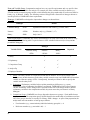
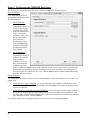
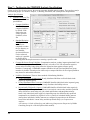
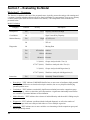
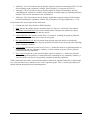
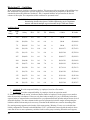
On the Analysis Specifications screen, the user can customize detailed analysis settings. There are three major
specification groups: 1) Liabilities Analysis, 2) Warning Thresholds, and 3) Sample Size Requirements.
Analysis Specifications
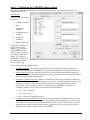
1. Liabilities Analysis: The
following are the default
specifications:
•
Compute Liabilities:
COMPARE
computes liabilities
by default. If the
analyst does not
wish to generate
Liabilities, select
No.
•
Standard Deviation
Diff: By default,
liabilities are
computed to reduce
the pay disparity to
one standarddeviation difference.
For the advanced
analyst, it is possible
to modify this by
selecting from the drop-down menu or entering a specific value.
•
Compute Reference Group Liabilities: Compensation analyses evaluate impact against both Focal
and Reference group members. This is particularly relevant as Title VII enforcement agencies
pursue and successfully bring claims where the impact has been against reference group
members. Consequently, COMPARE computes liabilities for both Focal and Reference group
members by default. The analyst who wishes only to compute liabilities for Focal group members
may choose to uncheck this selection.
•
Liabilities Distribution: There are three methods of distributing liabilities:
o
Evenly Distributed: All Individuals. Evenly distributes liabilities to all individuals in the
negatively-impacted group.
o
Evenly Distributed: Below Average. COMPARE identifies individuals in the impacted group
who are below the group average and evenly distributes the liability to them.
o
Proportionally Weighted by Impact. COMPARE identifies all individuals in the negativelyimpacted group and computes the difference between their current salary and their predicted
salary (based on a model using only job-related qualifications and not gender/minority
status). Only individuals in the negatively-impacted group who fall below their predicted
compensation are identified as eligible to receive a portion of calculated liability amount.
Among those individuals, liability amounts are computed in proportion to the difference
between the individuals’ current salary and their predicted salary (see Compensation
Analyses:
A Practitioner’s Guide to Identifying and Addressing Compensation Disparities by Biddle
Consulting Group for a full description of this method).
12