1
Construction Notes
■ Protect against Static
Electricity!
During soldering and when handling
the boards, one must be certain to
provide full protection against static
electricity.
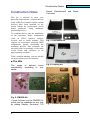
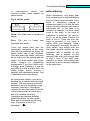
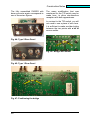
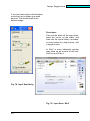
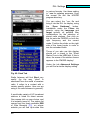
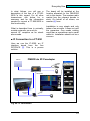
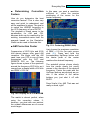
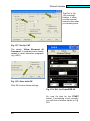
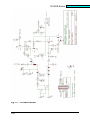
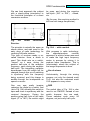
Fig. 6: Switchboard T/R Kit
■ Tools needed:
You will find the following set of tools
to be adequate:
-Solder: ca. 0.5 to 0.7mm
-Desoldering braid: 2.5mm
-Soldering iron: ca. 30 to 50 watt, best
if temperature regulated and with a
narrow chisel tip.
-A small electronics sidecutter and
various screwdrivers will be useful.
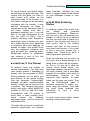
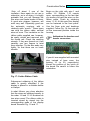
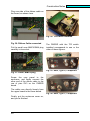
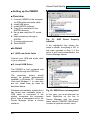
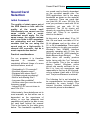
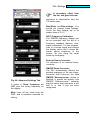
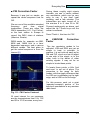
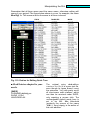
-A particularly useful device is a “third
hand,” which greatly facilitates the
work. Circuit board holders of various
types are available (vide [6] or [7]).
Electrostatic discharge can easily
destroy the chips on the circuit
boards. Such damage can cause
later difficulty in troubleshooting and
in localizing problems. A grounding
strap or wrist band is not absolutely
necessary, but if you have one, use
it. Touching a grounded surface,
such as a nearby radiator or the
exterior of your soldering station is
sufficient. IF you should feel a static
discharge (a “shock”), regard this as
“Level Red” and look for the reason.
Are you perhaps standing on a
carpet? If so, use a different
workplace. If you are wearing felt or
fur slippers, immediately change to
other shoes (or work barefoot).
Components that are particularly
static-sensitive are marked in the
parts list and specifically pointed out
in the assembly instructions. Be sure
to leave these parts in their antistatic
packaging until you are actually
ready to use them. The packaging
consists either of an antistatic plastic
bag, or conductive plastic foam into
which the leads of the parts are
inserted.
■ Soldering
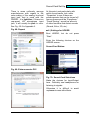
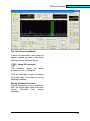
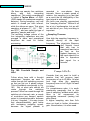
Fig. 7: Third Hand
If this is your first experience with
soldering on circuit boards, please
definitely
read
further.
The
experienced among you can skip this
section without further ado.
7