1
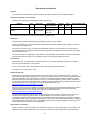
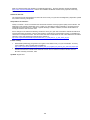
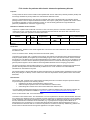
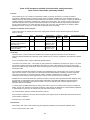
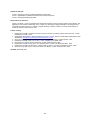
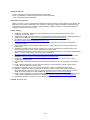
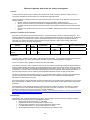
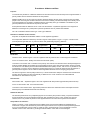
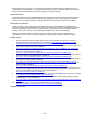
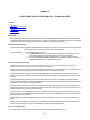
Record of seizure frequency among patients with epilepsy
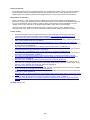
Purpose:
To help reduce the level of risk to health for NHS patients with epilepsy and ensure high standards of primary
health care and treatment delivered to them.
Epilepsy is often poorly managed in general practice, and there are insufficient specialist resources to provide
specialist supervision for most patients. It is therefore recommended that seizure type and frequency are, among
other things, recorded routinely.
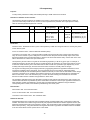
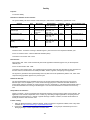
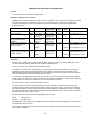
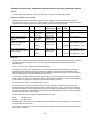
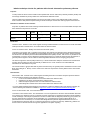
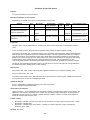
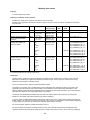
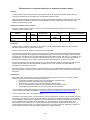
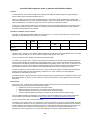
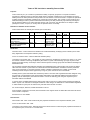
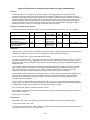
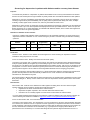
Definition of indicator and its variants:
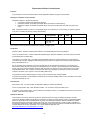
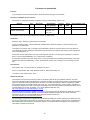
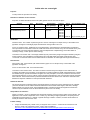
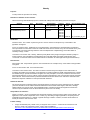
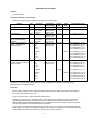
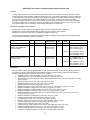
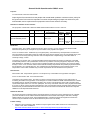
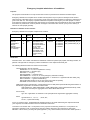
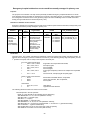
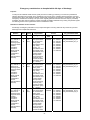
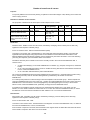
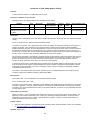
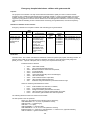
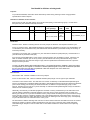
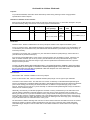
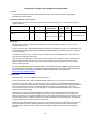
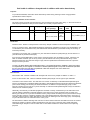
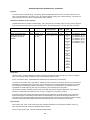
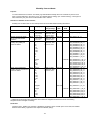
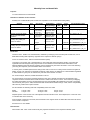
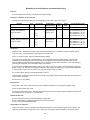
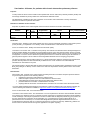
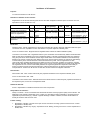
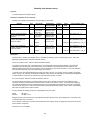
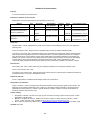
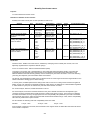
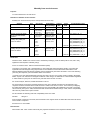
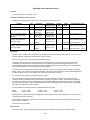
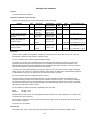
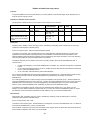
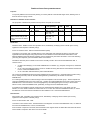
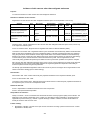
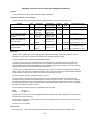
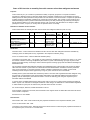
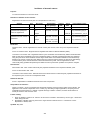
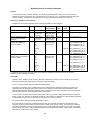
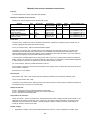
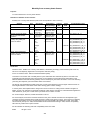
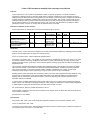
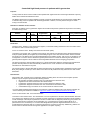
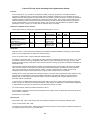
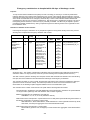
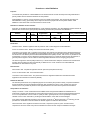
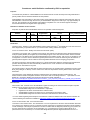
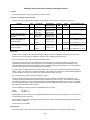
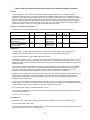
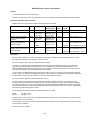
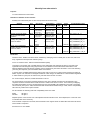
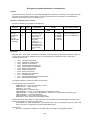
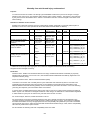
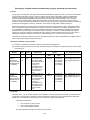
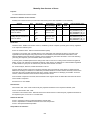
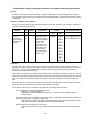
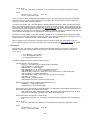
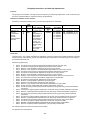
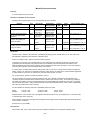
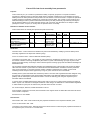
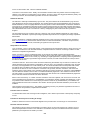
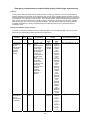
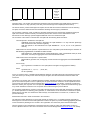
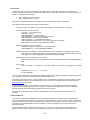
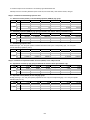
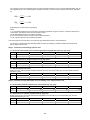
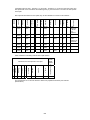
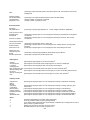
Proportion of patients on drug treatment for epilepsy who have a record of seizure frequency in the previous 15
months.
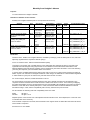
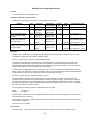
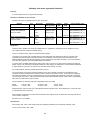
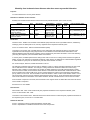
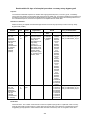
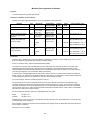
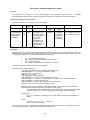
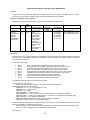
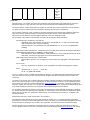
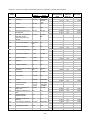
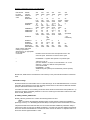
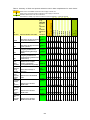
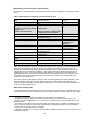
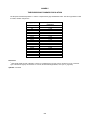
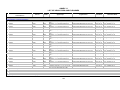
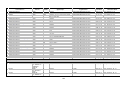
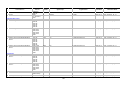
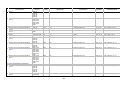
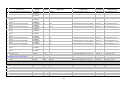
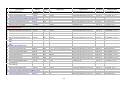
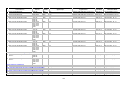
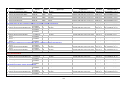
Statistic
Sex
Age
group
Organisation
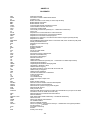
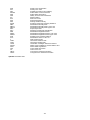
(see glossary)
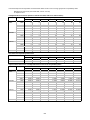
Number and percent of
patients
P
18+
E, GOR, SHA,
PCO
Period
Current
data
FY 2008/09
File_worksheet Name
Trend data
28C_641PC_09_V1
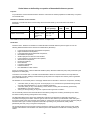
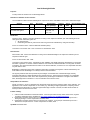
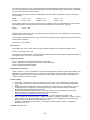
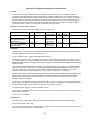
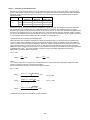
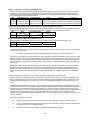
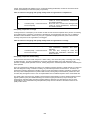
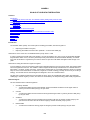
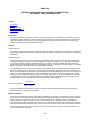
Numerator:
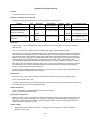
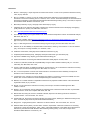
Numerator data - Patients on drug treatment for epilepsy with a record of seizure frequency in the previous 15
months.
Source of numerator data - Quality and Outcomes Framework (QOF).
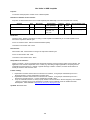
Comments on numerator data - The data for this primary care indicator are derived from the Quality Management
Analysis System (QMAS) and supplied by the Prescribing Support Unit at The NHS Information Centre for health
and social care. The QOF is part of the General Medical Services (GMS) contract, with a focus on prevalence and
management of common chronic diseases at general practice level. It is aimed at measuring the achievement of
general practices against a set of evidence based negotiated standards and encouraging good practice.
The data to support the clinical quality indicators (i.e. clinical achievement data) are extracted from individual GP
practice clinical systems and sent automatically to QMAS once a month. Practices can make additional
submissions of clinical data at any time.
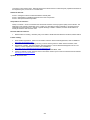
The ‘reference date’ is the specified date of patient records held by the general practice modelled for the end of the
QOF year (midnight 31st March). It is the same for the data from all practices and may differ from the date of data
submission.
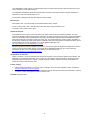
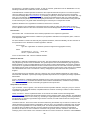
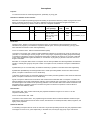
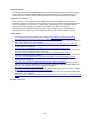
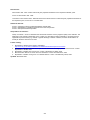
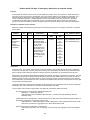
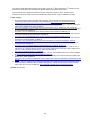
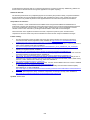
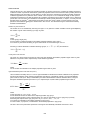
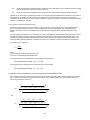
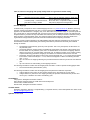
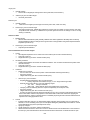
Denominator:
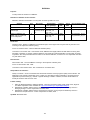
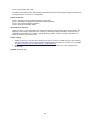
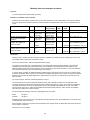
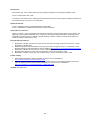
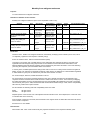
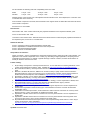
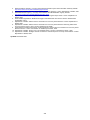
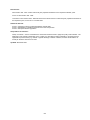
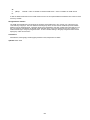
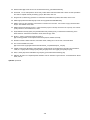
Denominator data - Patients on drug treatment for epilepsy excluding those who have been exception reported.
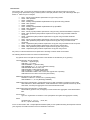
Patients may be exception reported for the following reasons:
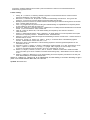
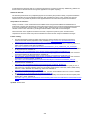
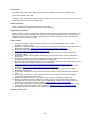
•
registered in the three months before the reference date;
•
epilepsy exception reported in the 15 months before the reference date;
•
epilepsy diagnosis recorded in the three months before the reference date.
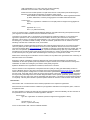
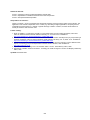
For more details regarding the description of the selection criteria and dataset rules of the relevant indicator set
see the following documentation available at: http://www.wmrlmc.co.uk/gms2/informationtechnology.htm
Source of denominator data - See “Numerator data”.
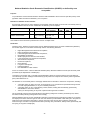
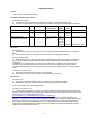
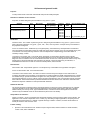
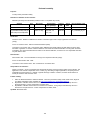
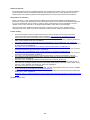
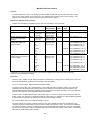
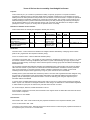
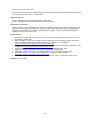
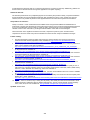
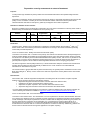
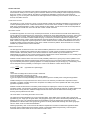
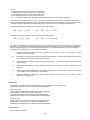
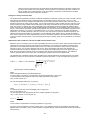
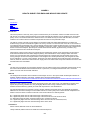
Comments on denominator data - The denominator is a count of patients for whom the clinical indicator should be
met. However, the selection rules do not provide the same opportunity for all patients included in the denominator
to take advantage of the full period (maximum number of months after the diagnosis) allowed by good practice for
the test, measurement or treatment to be undertaken (e.g. if good practice for angina patients allows for a
particular test to be conducted up to 12 months after diagnosis then patients diagnosed between four and 11
months before the reference date do not have the full period of 12 months for the test). Additionally, patients can
be removed from the denominator through the application of exception reporting.
486