1
4–2
Chapter 4: IP Core Architecture
Application Interfaces
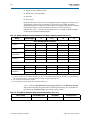
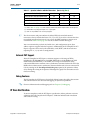
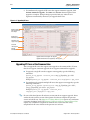
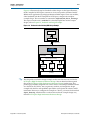
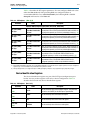
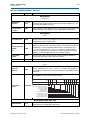
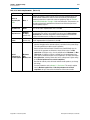
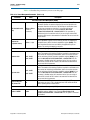
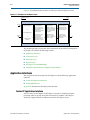
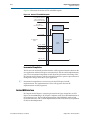
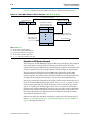
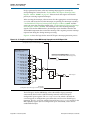
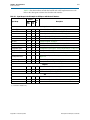
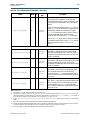
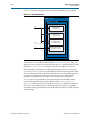
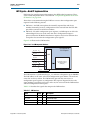
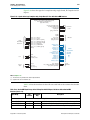
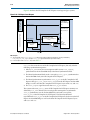
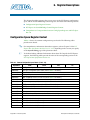
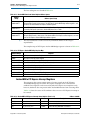
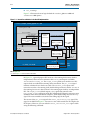
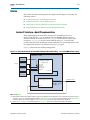
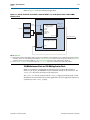
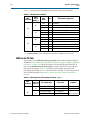
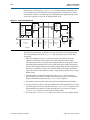
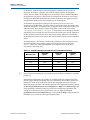
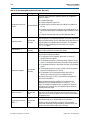
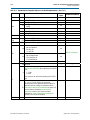
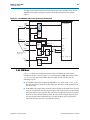
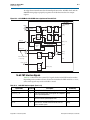
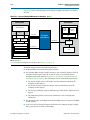
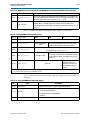
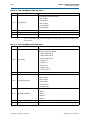
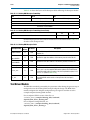
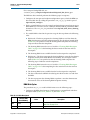
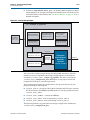
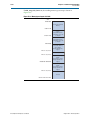
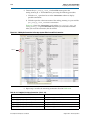
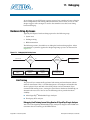
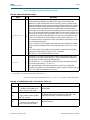
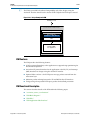
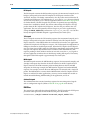
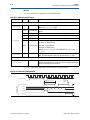
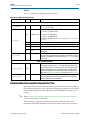
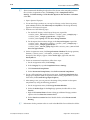
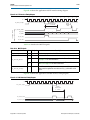
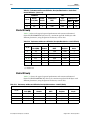
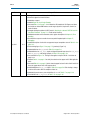
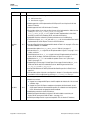
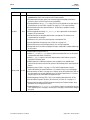
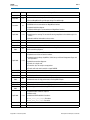
Figure 4–1 broadly describes the roles of each layer of the PCI Express IP core.
Figure 4–1. IP Compiler for PCI Express Layers
To Application Layer
To Link
IP Compiler for PCI Express
Tx
Tx Port
Avalon-ST Interface
or
With information sent
by the application
layer, the transaction
layer generates a TLP,
which includes a
header and, optionally,
a data payload.
The data link layer
ensures packet
integrity, and adds a
sequence number and
link cyclic redundancy
code (LCRC) check to
the packet.
The physical layer
encodes the packet
and transmits it to the
receiving device on the
other side of the link.
The transaction layer
disassembles the
transaction and
transfers data to the
application layer in a
form that it recognizes.
The data link layer
verifies the packet's
sequence number and
checks for errors.
The physical layer
decodes the packet
and transfers it to the
data link layer.
Avalon-MM Interface
Rx Port
or
Data/Descriptor
Interface
Application Interfaces
Transaction Layer
Data Link Layer
Rx
Physical Layer
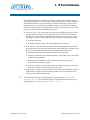
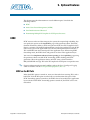
This chapter provides an overview of the architecture of the Altera IP Compiler for
PCI Express. It includes the following sections:
■
Application Interfaces
■
Transaction Layer
■
Data Link Layer
■
Physical Layer
■
PCI Express Avalon-MM Bridge
■
Completer Only PCI Express Endpoint Single DWord
Application Interfaces
You can generate the IP Compiler for PCI Express with the following application
interfaces:
■
Avalon-ST Application Interface
■
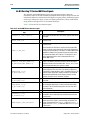
Avalon-MM Interface
Appendix B describes the Descriptor/Data interface.
Avalon-ST Application Interface
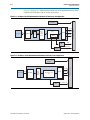
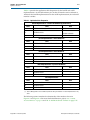
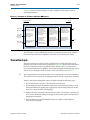
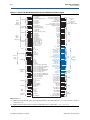
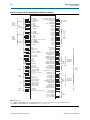
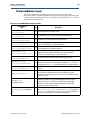
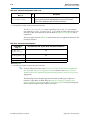
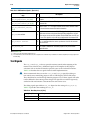
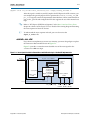
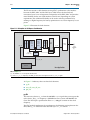
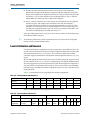
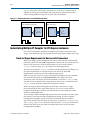
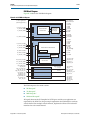
You can create an IP Compiler for PCI Express root port or endpoint using the
parameter editor to specify the Avalon-ST interface. It includes a PCI Express
Avalon-ST adapter module in addition to the three PCI Express layers.
IP Compiler for PCI Express User Guide
August 2014 Altera Corporation