1
2
Model Description
Models descriptions are formatted in XML (Extensible Markup Language) tag structures
to allow easy human and computer readability, and allow easier collaborations between
developers writing applications that interact with model definitions.
The model XML document has a structure that is defined by a schema. The schema
of the XML document is currently located at:
http://flame.ac.uk/schema/xmml_v2.xsd
This provides a way to validate the model document to make sure all the tags are being
used correctly. This can be achived by using xml command line tools like XMLStarlet and
xmllint or by using editors that can have xml validation builtin like Eclipse. The start and
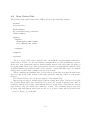
end of a model file should be formatted as follows:
<xmodel version="2" xmlns:xsi="http://www.w3.org/2001/XMLSchema-instance"
xsi:noNamespaceSchemaLocation=’http://flame.ac.uk/schema/xmml_v2.xsd’>
<name>Model_name</name>
<version>the version</version>
<description>a description</description>
...
</xmodel>
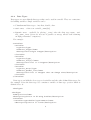
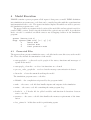
Where name is the name of the model, version is the version, and description allows
the description of the model. Models can also contain:
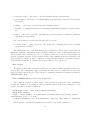
• other models (enabled or disabled)
• environment
–
–
–
–
constant variables
location of function files
time units
data types
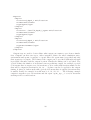
• agent types
–
–
–
–
name
description
memory
functions
• message types
– name
– description
– variables
2