1
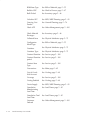
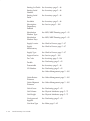
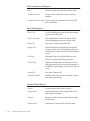
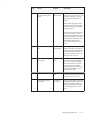
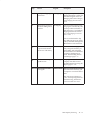
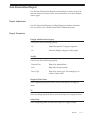
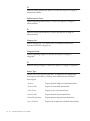
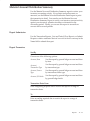
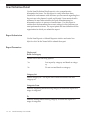
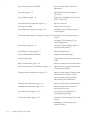
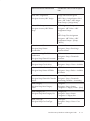
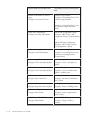
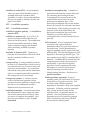
blanket purchase order See blanket purchase
agreement
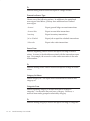
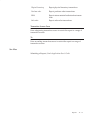
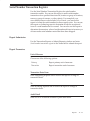
common bills of material for the identical
structures.
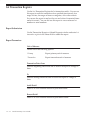
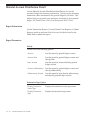
BOM item type An item classification that
determines the items you can use as
components in a bill of material. BOM Item
types include standard, model, option class,
and planning items.
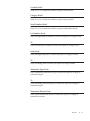
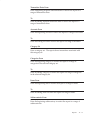
common locator .A locator without a project
or project and task reference. See also project
locator
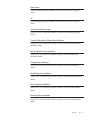
bulk items Component items on a bill of
material not usually transacted directly to the
job or repetitive schedule. Bulk items are
usually charged to the work in process
department where the item is consumed.
buyer Person responsible for placing item
resupply orders with suppliers and
negotiating supplier contracts.
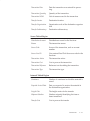
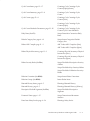
calendar type The period pattern used to
define a manufacturing calendar.
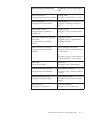
capacity requirements planning A
time–phased plan comparing required
capacity to available capacity, based on a
material requirements plan and
department/resource information. See
routing–based capacity and rate–based
capacity
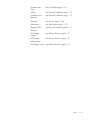
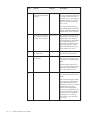
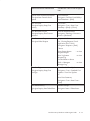
category Code used to group items with
similar characteristics, such as plastics,
metals, or glass items.
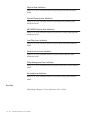
category set A feature in Inventory where
users may define their own group of
categories. Typical category sets include
purchasing, materials, costing, and planning.
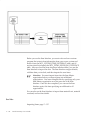
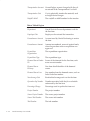
common bill of material An assembly that
uses the bill of material of another assembly
as its bill. This enables you to reduce your
maintenance effort by sharing the same bill
structure among two or more assemblies.
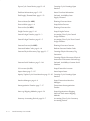
For example, if you have identical bills of
material that produce the same product in
two different organizations, you can define
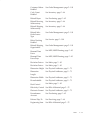
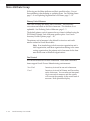
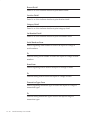
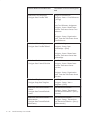
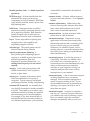
common subinventory Subinventory that
does not have a project reference into which
items can be delivered and out of which
items can be issued and transferred.
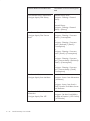
component item An item associated with a
parent item on a bill of material.
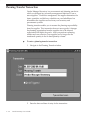
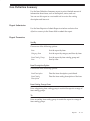
concurrent manager Components of your
applications concurrent processing facility
that monitor and run time–consuming tasks
for you without tying up your terminal.
Whenever you submit a request, such as
running a report, a concurrent manager does
the work for you, letting you perform many
tasks simultaneously.
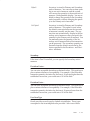
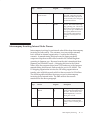
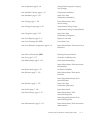
concurrent process A task in the process of
completing. Each time you submit a task,
you create a new concurrent process. A
concurrent process runs simultaneously with
other concurrent processes (and other
activities on your computer) to help you
complete multiple tasks at once with no
interruptions to your terminal.
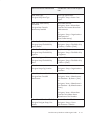
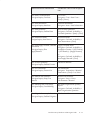
concurrent queue A list of concurrent requests
awaiting completion by a concurrent
manager. Each concurrent manager has a
queue of requests waiting in line. If your
system administrator sets up simultaneous
queuing, your request can wait to run in
more than one queue.
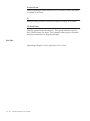
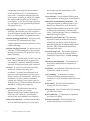
concurrent request A request to complete a
task for you. You issue a request whenever
you submit a task, such as running a report.
Once you submit a task, the concurrent
manager automatically takes over for you,
Glossary
3