1
Welcome to Sentinel WMS Central System
Putting together an efficient irrigation system is no small task. Concerns such
as watering precision, broken pipes and mainlines or dealing with electrical
shorts and power outrages have been problematic for landscape managers for
decades. These, along with increased competition for water supplies, scarcity
of resources, and recent irrigation mandates, have left those in irrigation
management roles searching for the most efficient, yet simple way of
combating all of these issues.
The Challenge: Effective Water Management
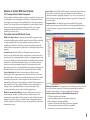
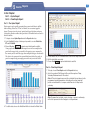
Ease of Use: Sentinel WMS is fully-featured yet intuitively designed for ease
of use, and it’s one of the most powerful irrigation control systems ever
offered. Information is graphically displayed—so it’s easy to see and use. All
similar functions are grouped together, making it simple to find, change and
enter data quickly.
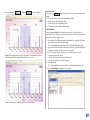
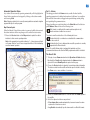
Program Interface: The friendly design of the Sentinel WMS program
interface provides easy, point-and-click access to all programming functions—
no extra keystrokes or sequences required and no extensive searching for
functions.
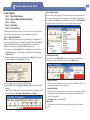
Multiple Site Applications: Sentinel provides the ability to program, control
and monitor multiple remote controllers from one location. Whether controlling
one large, contiguous site like a sports complex or housing association, or
multiple remote sites like a school district or parks & recreation department, a
central control system provides easy, rapid access to the irrigation system from a
computer.
The Solution: Sentinel WMS Central Control
System Control: Sentinel WMS allows all irrigation control actions to be
carried out easily and efficiently from a central location. Control actions such as
adjusting run times to changing weather conditions or stopping irrigation in the
event of rain or high wind can be automatically accomplished without requiring
a technician to visit individual controllers. However, if a technician is on-site
and sees a need for programming changes, like shortening run times after a
grow-in period, true two-way communications allow changes to the program at
the field controller on-site and can also be uploaded to the central computer.
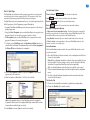
Sensor Integration: Sentinel can incorporate many different sensors,
including flow sensors, tipping rain cans, wind sensors, freeze sensors, and
full weather stations. These sensors and instruments monitor site and climate
conditions and report to the central computer. Run time adjustments are
automatically made based on these inputs and combined with information on
plant material and soil types. Sentinel Satellites can react automatically to
readings outside of pre-defined limits set by the system operator, like
isolating stations when excessive flow indicates a piping break.
Multiple Communication Options: A Sentinel WMS system consists of a
central computer, irrigation controllers, sensors, weather stations, and a
communication system that ties it all together. No matter whether the central
computer is located on site or at a remote location, communication options
like radio, telephone, and Ethernet can be mixed and matched to meet system
communication needs.
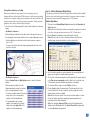
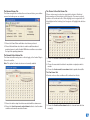
Automatic Operations: Daily operations and scheduling are made quick and
easy with automatic operations. All essential programming information is
contained in one window so it’s easy to understand and manage.
Customer-driven Features for Optimal Water Management:
• ET-based irrigation control features
• Operating setup parameters to the station output level
• Robust alarm and reporting capabilities
• Current and historical water-usage data review capabilities
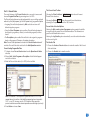
• Dynamic map-based operational reference capabilities
• Extensive use of visual cues and intuitive tool sets
1