1
Security 8-73
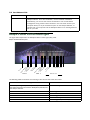
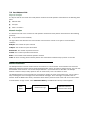
0 AND 0 = 0
0 AND 1 = 0
1 AND 0 = 0
1 AND 1 = 1
For example:
Filter rule:
Deny
IP: 163.176.1.15BINARY:
10100011.10110000.00000001.00001111
Mask: 255.255.255.255BINARY:11111111.11111111.11111111.11111111
Incoming Packet:
IP 163.176.1.15BINARY:
10100011.10110000.00000001.00001111
If you put the incoming packet and subnet mask together with AND, the result is:
10100011.10110000.00000001.00001111
which matches the IP address in the filter rule and the packet is denied.
Implied rules
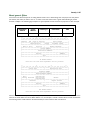
With a given set of filter rules, there is an Implied rule that may or may not be shown to the user. The implied
rule tells the filter set what to do with a packet that does not match any of the filter rules. An example of implied
rules is as follows:
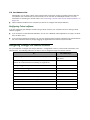
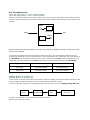
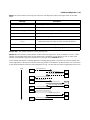
Implied
Meaning
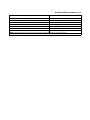
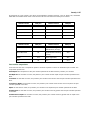
Y+Y+Y=N
If all filter rules are YES, the implied rule is NO.
N+N+N=Y
If all filter rules are NO, the implied rule is YES.
Y+N+Y=N
If a mix of YES and NO filters, the implied rule is NO.
Established connections
The TCP header contains one bit called the ACK bit (or TCP Ack bit). This ACK bit appears only with TCP, not
UDP. The ACK bit is part of the TCP mechanism that guaranteed the delivery of data. The ACK bit is set
whenever one side of a connection has received data from the other side. Only the first TCP packet will not have
the ACK bit set; once the TCP connection is in place, the remainder of the TCP packets with have the ACK bit
set.
The ACK bit is helpful for filter design and reduces the number of potential filter rules. A filter rule could be
created just allowing incoming TCP packets with the ACK bit set, since these packets had to be originated from
the local network.