1
Printing Bar Codes
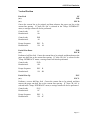
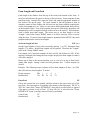
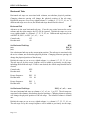
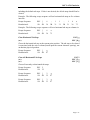
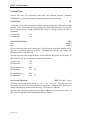
Variable Width Bar Code Definition
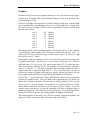
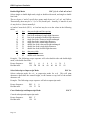
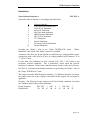
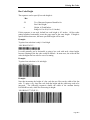
The sequence used to define a variable width, horizontal bar code is
^BN9xddddccc...c^G
^B
Two Character Sequence Identifier for
Horizontal Bar Code Definition.
N
Reserved Parameter.
9
Flags Variable Width.
x
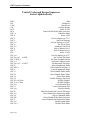
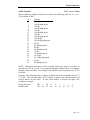
Bar Code Type.
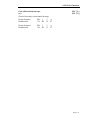
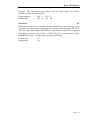
“a” = Code 39 1:1:2:2 Ratio
“b” = Code 39 1:1:3:3 Ratio
“c” = Code 39 1:2:4:5 Ratio
“d” = Code 39 LOGMAR Standard Density
“e” = Code 39 LOGMAR Medium Density
“f” = Code 39 LOGMAR Low Density
“g” = 2-of-5 1:1:3:X Ratio
“h” = 2-of-5 1:2:3:X Ratio
“i” = Interleaved 2-of-5 BS Code 1:1:3:3 Ratio
“j” = Interleaved 2-of-5 BS Code 1:2:4:5 Ratio
“k” = Interleaved 2-of-5 BS Code 1.5:1.5:4.5:4.5 Ratio
“l” = Interleaved 2-of-5 BS Code 2:2:6:6 Ratio
“m” = Interleaved 2-of-5 C Code 1:1:2:2 Ratio
“n” = Interleaved 2-of-5 C Code 1:1:2.5:2.5 Ratio
“o” = Interleaved 2-of-5 C Code 1.5:1.5:3.5:3.5 Ratio
“p” = Interleaved 2-of-5 C Code2:2:4.5:4.5 Ratio
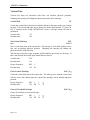
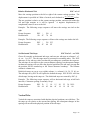
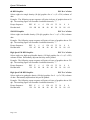
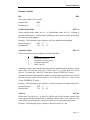
dddd
Width of all Bars and Spaces.
Includes Number of Dots in: Narrow Bar, Narrow Space,
Wide Bar, Wide Space; respectively.
Range of d is 0 to F (0 to 15 dots).
ccc...c
Characters to be Bar Coded.
^G
Sequence Terminator.
Required to signal end of character data.
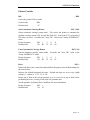
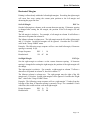
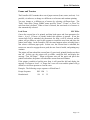
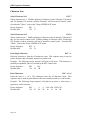
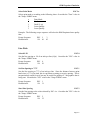
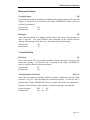
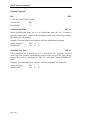
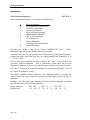
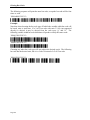
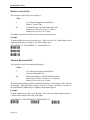
When defining a variable width bar code, first choose a bar code type that matches
the desired bar code. Then specify the width of the bars and spaces to achieve the
desired bar code density and wide:narrow ratios.
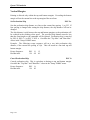
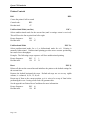
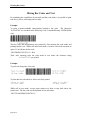
Example:
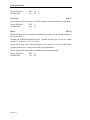
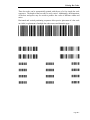
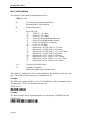
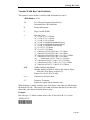
Bar code type “a” defines a rather dense Code 39 bar code with 1:1:2:2 ratio.
^BNa12345^G^-
Page B-7