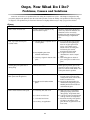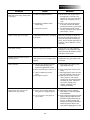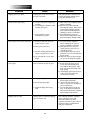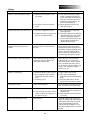
1
Health & Safety
Preparation, Application and Firing
Ceramics is one of the most rewarding and enjoyable of
all hobbies, and one of the safest, if some simple commonsense precautions are taken. As with any activity, responsibility must be taken for safe practices.
General rules of good housekeeping and common sense
should be applied when doing ceramics. Following simple
rules will ensure your safety and help you produce great
results when creating a ceramic project.
Our “Health and Safety Bulletin” is available for that
purpose. It is available on our web site at www.maycocolors.com. In addition to this bulletin, we urge you to read
other health and safety information, and to talk to your
dealer, distributor or certified ceramics teachers about the
safe use of ceramic products. MSDS (Material Safety Data
Sheets) are available on our website or can be obtained by
contacting Mayco Customer Service Department.
All Mayco products are properly labeled for material
safety. Read labels with care. In ceramics, as in all areas of
human activity, proper usage of products ensures safety. It is
the responsibility of the user to read and understand the
product label and to follow the guidelines for safety. Anyone
not able to understand and follow the label instructions and
safety guidelines should have an adult, competent of doing
so, supervising the application and usage of all Mayco
products. This includes the preparation, application and
firing of these products. The person firing a kiln should
have complete knowledge of and understand the specific
instructions for operation of the kiln as provided by the
manufacturer. The user should know any local ordinances
applicable to the installation of the kiln.
• When using solvent-containing ceramic materials, work out
doors, in a locally exhausting hood or with an exhaust fan.
Do not use or store near kilns, other heat sources or an open
flame. Dispose of used rags in an airtight metal container.
• Do not spray apply any product.
• Do not fire kilns in an enclosed area. Use a kiln ventilation
system. Carbon monoxide fumes can build up and present
a danger. Consult with your kiln supplier or manufacturer
for more information.
• If you should ingest ceramic products, seek medical help
immediately.
To ensure your health and safety, follow these simple
rules:
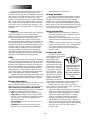
• Keep work surfaces and shelves clean by wiping down
with a wet sponge.
• Clean up spills when they occur. Do not allow to dry.
Keep dust under control at all times.
• Work on a newspaper or paper towel for easy clean up and
disposal.
• Do not smoke, eat or drink when working with hazardous
ceramic materials. Do not put your brush or brush
handle in your mouth.
• Wash your hands before you begin. The natural body oils
and salts on your hands may affect the finished piece. Any
open cuts should be properly covered.
• Wash your hands thoroughly when you are through working.
• Use a smock when working with ceramic materials. Wash
often and separately from other garments.
• Keep children away from kilns and out of glaze dipping
rooms. Only a qualified adult should operate a kiln.
• Children should not use lead-containing glazes or other
hazardous ceramic materials.
• Do not intermix dinnerware safe glazes containing lead.
• If pregnant or contemplating pregnancy, tell your physician
about your work with ceramics.
Non-Toxic Glazes
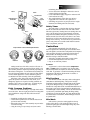
A neat work area should include the following:
• A table covered with several layers of newsprint and a
comfortable chair.
• An old towel under the newsprint - this will cushion the ware.
• Only the products and pieces that you are working with at
one time to avoid contaminating other pieces.
• Proper ventilation.
The labels on a product are very important and give you
a wealth of information. Read the label for information on
proper product use and hazards, if any.
Ceramic glazes are manufactured using a variety of raw
materials. Most of the ingredients are mined and extracted
from the ground. Some of these materials can be classified
as toxic and if misused can be harmful. The key to safe use
of all art materials starts with professional education and
training. Contact your Mayco distributor for information on
seminars in your area.
Non-Toxic glazes are formulated without the addition of
lead. They are tested for safety by an independent toxicologist. They meet FDA standards and those for the Arts and
Craft Material Institute for which the non-toxic seal is
assigned. You can use these glazes and products with confidence and ease. These products contain no materials in sufficient quantities to be toxic or injurious to humans or to cause
acute or chronic health problems. This does not mean that
any less care should be given while handling these products.
Dinnerware Safe (Food-Safe) Glazes
Many glazes are formulated to be safely used on surfaces
that come into contact with food or drink.
• If surfaces will come into contact with food or drink, use
only glazes that are labeled food or dinnerware safe.
Follow label instructions closely.
• Do not mix lead-containing dinnerware safe glazes, as the
balance of ingredients in each glaze will be disrupted.
Each mixture would have to be re-tested by an approved
laboratory to determine if the mixture is also food safe.
• It is the responsibility of anyone making pieces for resale
to have them tested by an approved laboratory for lead
release.
1