1
Health & Safety
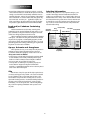
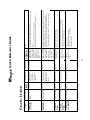
Labeling Information
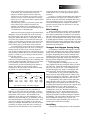
• Proper firing of dinnerware safe glazes is critical. Use shelf
cones on the kiln shelves to ensure that the pieces are fired hot
enough, even if the kiln is electronically controlled or has an
automatic kiln sitter. Always fire in accordance with manufacturer’s instructions. If crazed or under fired, these glazes may
not be food safe. Too heavy an application of glaze, fast
firing or not firing to the proper shelf cone listed on the label
may result in a glaze that does not meet the FDA standards.
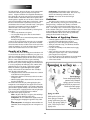
The labels on a product are very important and give you a
wealth of knowledge. Read and understand the label for
product’s use and hazards, if any. Ceramic hobby glazes are
manufactured with a variety of raw materials that are mined
and extracted from the ground. Some of these materials can
be classified as toxic and if misused can be dangerous. The
key to safe use of all art materials starts with professional
education and training.
Lead and/or Cadmium Containing
Glazes
Lead and cadmium are used in many ceramic glazes.
Cadmium is used to produce brilliant reds and yellows. Lead
gives a brilliance to the glaze and allows the glazes to mature
well at lower firing temperatures (shelf cone 06).
Glazes containing lead and/or cadmium should be handled
with respect. The dust from such glazes should not be inhaled.
Anyone who is pregnant or contemplating pregnancy should
only use these glazes with professional supervision. Use good
personal hygiene when working with these types of glazes and
keep them out of the reach of children.
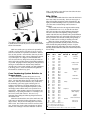
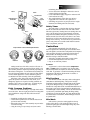
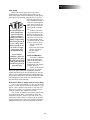
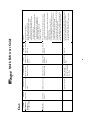
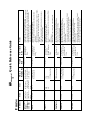
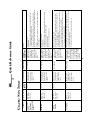
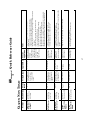
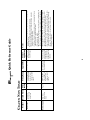
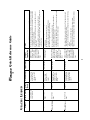
Application
Instructions
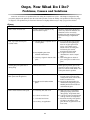
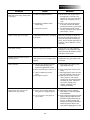
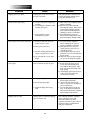
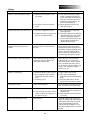
Product Family
Color Name
Firing
Toxicity Status
Instructions
Product Number
Sprays, Solvents and Overglazes
These products are easy to use safely and will present no
problems as long as these important rules are observed:
• Containers should be kept tightly closed when not in use.
• Keep out of reach of children.
• Aerosol sprays, solvents and solvent-based overglazes should
be used outdoors, with a locally exhausting hood or spray
booth or a window exhaust to assure adequate ventilation.
• Do not use near an open flame or heat source.
• Clean up after use and dispose of products properly in a
metal container designed for disposal of flammable
materials. Contaminated materials can be washed or placed
under water until final disposal.
Overglaze
Compatibility
Slip
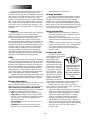
The mixture of any fine powder like slip requires the use
of a safety mask approved by OSHA. The work area should
be well ventilated with a system that draws all dust. This
area should be away from other working areas so as not to
spread the fine dust particles. Good housecleaning habits are
necessary when mixing and pouring slip. Wipe up spills
immediately. Do not sweep the area. Chronic lung damage
may result from prolonged inhalation and exposure to the
clay dust.
2
Product Lot #