1
CLINICAL GUIDANCE | SECTION TWO
Give clear instructions to the recipient before conducting the pitch-ranking
procedure to ensure they understand the task is to rank pitch and not loudness.
1.(Optional) Sweep across all active channels to find two channels that are
clearly distinct by pitch (e.g. approximate lowest and highest) as this can
make the pitch ranking task easier.
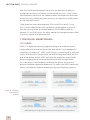
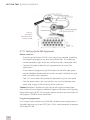
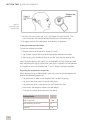
2.Select the two channels you wish to compare by clicking on the channel
number until it changes to yellow.
3.In the sweep toolbar, select C-levels and Selected channels.
4.Ask the recipient to tell you which of the following two sounds is higher.
5.Sweep these two channels by using the sweep left or right icon, or by using
the L or R keys - remember the order you swept.
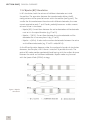
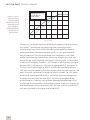
6.Based upon the recipient feedback, drag the lower pitch channel to the far
left channel position (i.e. channel 22), and the higher pitch channel to the
next channel position (i.e. channel 21).
7.Unselect the channel numbers.
8.To remind yourself which channels you have tested and ordered, consider
either a) using the NRT marker channel as a ‘flag’, or b) ensuring there
is always at least one deactivated channel separating the ordered from
unordered channels.
9.Select any other channel in the unordered list, then perform comparisons
with the lowest pitch channel in the ordered list. If the new channel is lower
than the lowest ordered channel, drag it to the new lowest position. If not,
compare the new channel to the highest ordered channel and if higher drag
it to the new highest position. If the new channel is between the two, drag
it to the position between the existing lowest and highest channels.
10.Repeat the above procedure for each new channel, comparing first with
the lowest and then the highest channel. Then compare it with channels in
between. Note that as the list of ordered channels increases, the number of
comparisons needed will also increase. It is generally suggested that after
comparing the new channel with the highest and lowest channels, to next
select a channel approximately half-way between and gradually iterate
to the correct channel position. This procedure works well provided no
channel becomes placed out of order.
67