1
SECTION 4. DLSMGR
4.1 INTRODUCTION
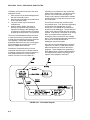
DataLoggeR Services ManaGeR (DlsMgr)
provides all communication with the datalogger
network. RTMS users do not interact directly
with DlsMgr but it is helpful to have an
understanding of how it works.
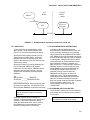
DlsMgr is given information regarding the layout
of the network as a Net Description. NetAdmin
provides DlsMgr with this description based on
user-entered parameters. Once it has received
a Net Description, DlsMgr uses the dialing and
path information to communicate with the
dataloggers in the network.
When new dataloggers are listed in the Net
Description, DlsMgr queries each new
datalogger in the network to obtain a list of data
available at that site. This information, known
as Table Definitions, is used to provide lists of
what data is available to programs requiring
datalogger data. In addition, DlsMgr initiates an
ongoing system for delivery of information
(packets) both to and from the dataloggers.
With this packet delivery system in place,
programs such as RTM, NetAdmin, and
DBSelect can request services regarding the
dataloggers.
The DlsMgr provides services including: a list of
stations in the network, a list of data available at
any station, collection of specified data from
sites, reading and setting of clocks, reading and
setting of ports and flags, and others.
4.1.1 PACKET DELIVERY
DlsMgr implements a packet delivery system
that is independent of the information contained
in the packets. This means that multiple jobs
can be going on at once. For example, clock
sets can be done while the normal ongoing data
collection is taking place.
DlsMgr periodically checks each datalogger for
any packets the datalogger needs to send,
including data. This polling for packets is based
on the polling interval the user-specified with
NetAdmin. Most of this packet delivery system
is done by the computer, however the RF232T
(radio base station) takes an active role in the
delivery of packets through the radio network.
4.1.2 RETRIES
DlsMgr tracks jobs to ensure their completion.
DlsMgr will retry jobs that fail or jobs for which
DlsMgr does not receive a response in the retry
period specified by the user. In addition to
these ‘top level’ retries, the underlying packet
delivery system may attempt immediate local
retries. For example, if a packet transmitted
over a serial link fails a signature test the packet
will be sent again. As expected, the exact
behavior of the system varies with the link being
used.
Telephone − The packet delivery system will
make two attempts to establish a phone
connection. Once the phone connection is
established, the packet delivery system will
deliver any packets to the datalogger and will
pause briefly to accept any packets from the
datalogger. If transactions for other dataloggers
that require the phone line are pending, DlsMgr
will complete the transaction and accept one
additional packet from the datalogger before
terminating the connection. This prevents one
datalogger from monopolizing the phone line. If
all the stations utilizing the telephone are
scheduled to call at the same time then only
one packet will be accepted from each station
before calling the next. This can cause DlsMgr
to spend most of its time dialing and switching
from site to site. Using the same calling interval
for all stations, but using the offset parameter to
stagger the calls within the interval, leads to a
more efficient ratio of calling time versus data
collected.
RF − The base station takes an active role in
delivery of packets both to and from the remote
dataloggers accessed via radio. The base
station periodically does a broadcast based on
the user entered polling interval and offset.
When the remote RF95T modems hear the
broadcast, they check the CR10T they are
connected to for any packets. Each remote, in
turn, sends the packets back to the base. This
polling is normally used for data collection.
If repeaters are being used, the repeater will do
the broadcast and receive replies from the
remote RF95T modems. The repeater then
relays all the packets back to the base. When
the base receives packets destined for a
4-1