1
Chapter 16 - Investigating Atom and Bond Properties
Calculating bond properties
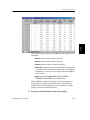
CAChe offers the following bond property experiments:
•
•
calculated bond order
calculated bond strain.
Calculating bond order
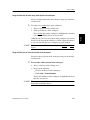
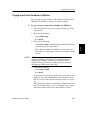
You can calculate bond order using one of the quantum mechanical
applications. CAChe determines the experimental bond order of
each bond in your chemical sample. Both bond order and partial
charge are calculated at the same time, so you do not need to run
separate experiments to get both properties.
If you have run an experiment that employed a quantum mechanical
procedure previously, this information is already present in the
chemical sample file and you do not need to re-compute it unless you
have changed the geometry of the molecule.
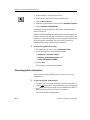
CAChe procedures for calculating bond order also enable you to:
•
optimize the geometry of the molecule first using classical
mechanics, quantum mechanics, or a combination of both.
You can combine all of the optimization procedures with calculating
bond order for your sample.
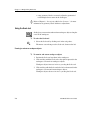
NOTE You cannot use procedures that involve MOPAC or ZINDO with
Personal CAChe.
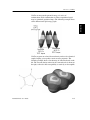
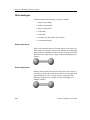
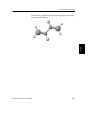
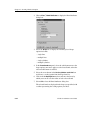
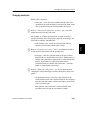
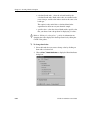
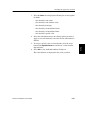
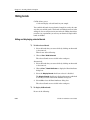
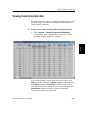
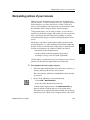
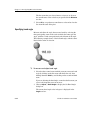
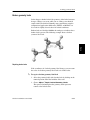
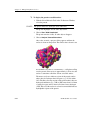
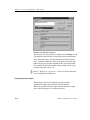
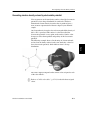
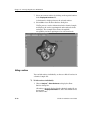
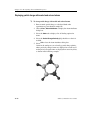
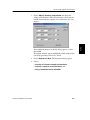
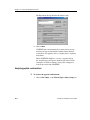
After you run a calculated bond order experiment, you can view
bonds that are scaled to reflect calculated bond order. You can
change the display ratio of a bond order of one to your choice of
measurement in Angstroms.
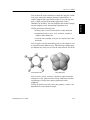
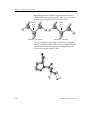
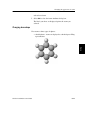
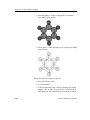
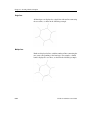
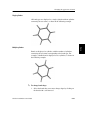
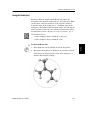
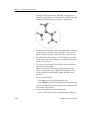
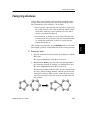
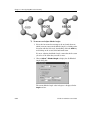
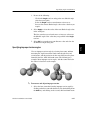
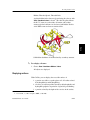
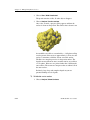
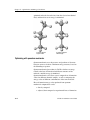
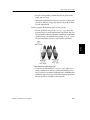
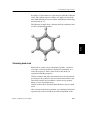
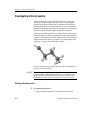
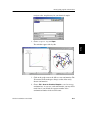
Many models use alternating single and double bonds (resonance
structures) to represent delocalized π electrons in rings. For
example, in benzene, all of the C-C bonds are the same length. This
could not be the case if half the bonds are double, and half are single.
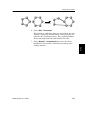
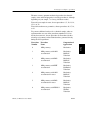
Calculating bond order using a CAChe experiment and displaying
the results by scaling bond cylinders by calculated bond order shows
16-4
CAChe for Windows User Guide