1
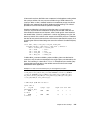
user ID naming convention also indicates whether the user has been authorized
in the remote source as a database administrator (DBA) or as an end user. In our
case study, the end user specific to that database identifier has been specifically
granted SELECT access to the tables at that remote data source. Authorizations
to PUBLIC have not been used. This approach has allowed us to investigate
exactly what the security and authentication requirements are when using each
of the federated technologies.
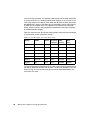
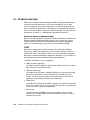
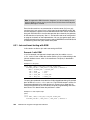
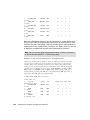
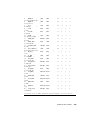
Table 2-2 shows the user IDs used for creating tables and those users authorized
to access tables in each of the data sources.
Table 2-2 User IDs used in each of the data sources
Region
DBMS
Server
Database
identifier
DBA
user ID
End
user
Region 1
IDS
linsvr
ifxl
ifxdbal
ifxusrl
Region 2
IDS
winsvr
ifxw
ifxdbaw
ifxusrw
Region 3
Oracle9i
winsvr
oraw
oradbaw
orausrw
Region 4
Informix XPS
linsvr
xpsl
xpsdbal
xpsusrl
Region 5
DB2
winsvr
db2w
db2dbaw
db2usrl
Region 6
Red Brick
linsvr
rbwl
rbwdbal
rbwusrl
Region 7
DB2
linsvr
db2l
db2dbal
db2usrl
The user ID used to run the queries for our case study was the local end user for
the relevant federated database. So for DB2 II, the end user db2dbaw was used.
When running the same queries through the Informix federated database, the
user ifxusrl was used.
46
IBM Informix: Integration Through Data Federation