1
CHAPTER 3
And A One, Two, Three!
Single Words, Multiple Words
Objective
The client will indicate the number of syllables for an auditorially presented word.
How to Play
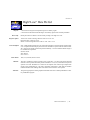
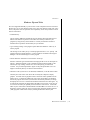
The client will listen to the word as it is pronounced. The client will think about how many syllables
there are in that word. If she needs help, click on the Syllable button and the word will be said in
syllable chunks. Count the number of syllable chunks. Tap out the number of chunks on the table, or
clap the number of syllable chunks. You can use cut out felt squares to use on the table in front of you
to count the syllables. Play the Syllable button again and this time, the client will count the syllables
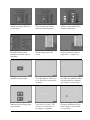
to check herself. When she is sure, she can pull down the colored squares from the pile and place one
on the line for each syllable that she counts. The client can always pull down the colored squares, then
click on Syllable to re-check their work.
Response Options
Touch screen: Touch the colored square and drag it to the line below. Drag one colored square for each
syllable chunk.
Keyboard: The number keys 1-6 correspond to a colored square. If you type a 1, the first colored
square moves down, etc. Type the letter W to hear the word said or the letter B to hear the syllables.
Mouse: Click on the colored square and drag it to the line below. Drag one colored square for each
syllable chunk.
Options
Game Results
Random
Trial, Level, Seconds, Percent Correct.
Rationale
This task is intended for clients in Rancho Level VII and above as it requires the ability to attend to a
complex auditory stimulus, analyze the sound segments, and holding this analysis in memory, perform
a motor response. This task requires an appreciation of sound segments, the ability to link sound and
symbol, and the motor ability to represent this information spatially.
Alternative
This game is appropriate for children learning to read, children and adults with reading and spelling
difficulty, short term memory problems, sustained and shifting attention difficulties, or central auditory processing dysfunction.
LANGUAGE ATTENTION MODULE | 39