1
CC5X C Compiler
B Knudsen Data
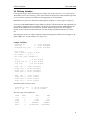
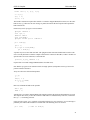
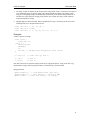
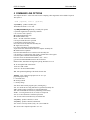
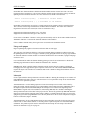
the code for a return table. This means that code is saved when the amount of data exceeds 40-50 bytes.
The compiler will automatically choose the optimal storage format.
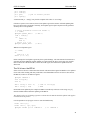
The 14 bit data format allows storing up to 16000 bytes of 7 bit ASCII text on a 8k device. The compiler
will use the 14 bit format when a pragma statement is used. This is normally found in the header file for
the device.
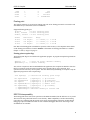
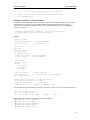
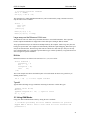
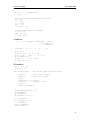
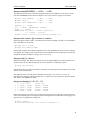
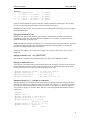
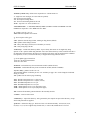
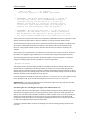
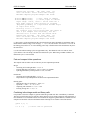
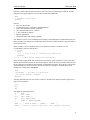
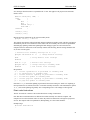
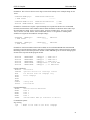
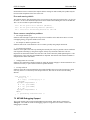
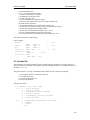
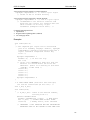
#pragma wideConstData
#pragma wideConstData r
#pragma wideConstData p
/* 1. */
/* 2. */
/* 3. */
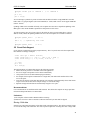
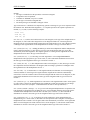
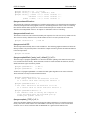
The device must contain one of the following special purpose registers sets:
1. EEADRH, EEADR, EEDATH, EEDATA, EEPGD, RD
2. PMDATA, PMADR, PMDATH, PMADRH, RD
3. PMDATL, PMADRL, PMDATH, PMADRH, RD
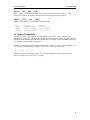
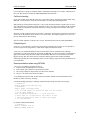
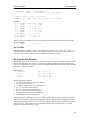
When a constant table contains less than 256 byte of data, there will be a tradeoff between speed and size.
Using a return table executes faster but requires more code when the table contains more than 40-50 bytes
of data. If speed is required, the following pragma statement defines a new limit for size optimization.
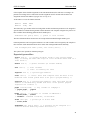
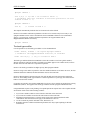
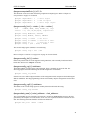
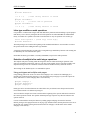
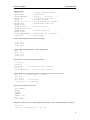
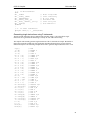
#pragma wideConstData 200 // return table limit
Data of size 16 bit or more
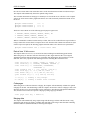
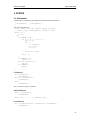
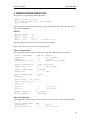
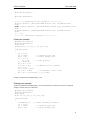
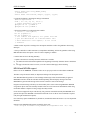
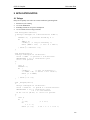
The compiler allows access of 8, 16, 24 and 32 bits data, including fixed and floating point formats.
When using arrays or structures with more than 256 byte data, single data items have to be aligned.
Alignment means that there should not be any remainder when dividing the offset with the size of the
data item. This is only a problem when defining structures containing data of different sizes.
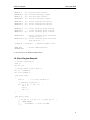
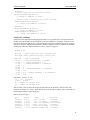
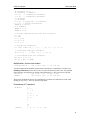
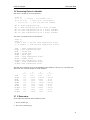
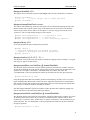
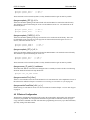
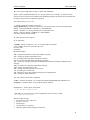
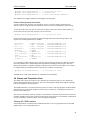
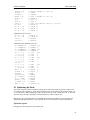
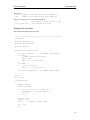
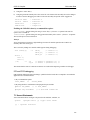
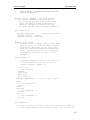
const long tl[5] = { 10000, -10000, 0, 30000, -1 };
const uns24 th[] = { 1000000, 0xFFFFFF, 9000000 };
const int32 ti[] = { 1000000000, 0x7FFFFFFF,
-900000000 };
const fixed8_8 tf[] = { -1.1, 200.25, -100.25 };
const float tp[] = { -1.1, 200.25, 23e20 };
const double td[] = { -1.1, 200.25, 23e-30};
const float16 ts[] = { -1.1, 200.25, 23e-30};
..
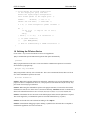
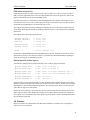
l = tl[i]; // reading a long integer
d = td[x]; // reading a double float constant
Code pages
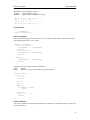
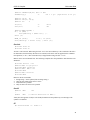
When using devices with more than one codepage, the compiler will automatically calculate the optimal
codepage for the data. The disadvantage is that the compiler will not know when a codepage is full, so the
functions still have to be moved manually between codepages to find allowed and optimal combinations.
Also, the data can be located on a specific codepage by using a page type modifier.
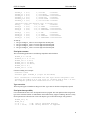
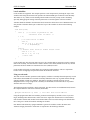
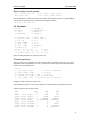
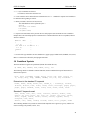
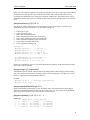
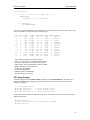
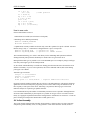
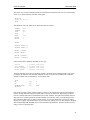
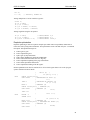
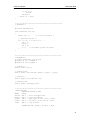
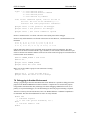
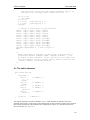
const page1 char tx[] = "Hello!";
Merging data
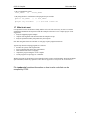
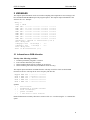
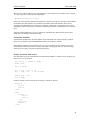
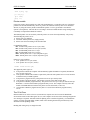
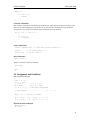
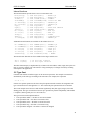
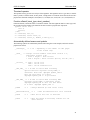
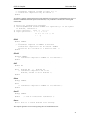
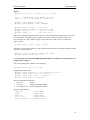
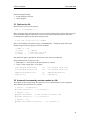
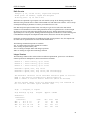
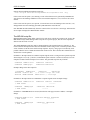
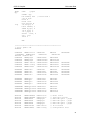
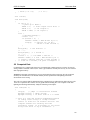
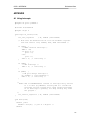
The compiler will automatically merge equal strings and sub-strings, and also other data items. Using
small tables will increase the chance of finding data items that can be merged. Note that data containing
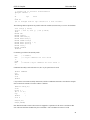
initialized addresses (ROM and RAM) are not merged. Examples:
30