1
TC1775
System Units
Interrupt System
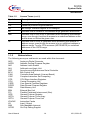
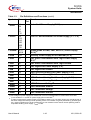
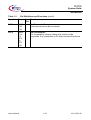
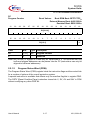
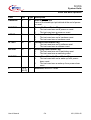
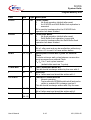
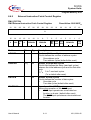
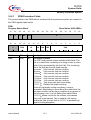
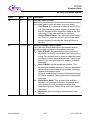
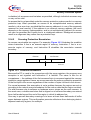
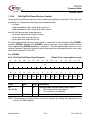
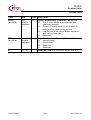
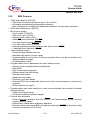
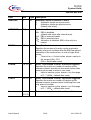
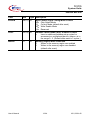
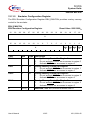
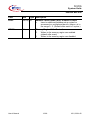
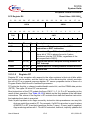
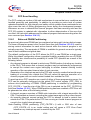
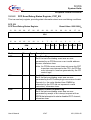
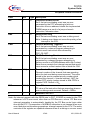
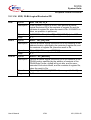
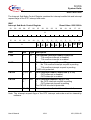
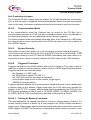
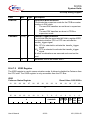
13.3.1.4 Service Request Flag (SRR)
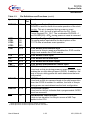
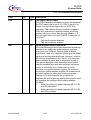
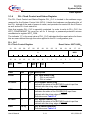
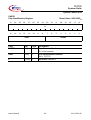
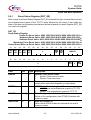
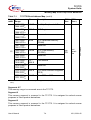
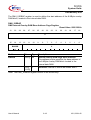
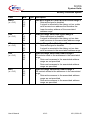
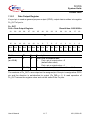
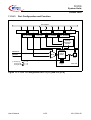
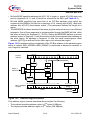
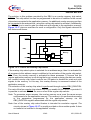
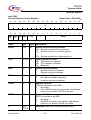
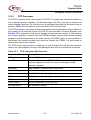
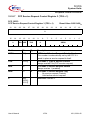
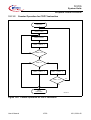
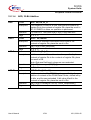
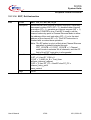
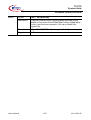
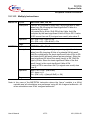
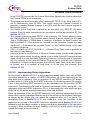
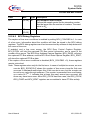
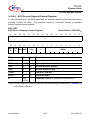
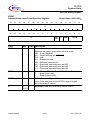
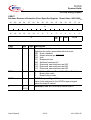
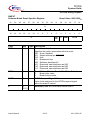
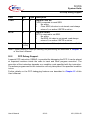
When set, the SRR flag indicates that a service request is pending. It can be set or reset
directly by hardware or indirectly through software using the SETR and CLRR bits.
Writing directly to this bit via software has no effect.
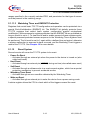
The SRR status bit can be directly set or reset by the associated hardware. For instance,
in the General Purpose Timer Unit, an associated timer event can cause this bit to be set
to 1. The details of how hardware events can cause the SRR bit to be set are defined in
the individual peripheral chapters.
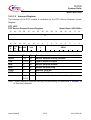
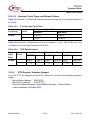
The acknowledgment of the service request by either the Interrupt Control Unit (ICU) or
the PCP Interrupt Control Unit (PICU) causes the SRR bit to be cleared.
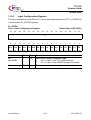
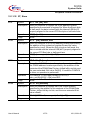
SRR can be set or cleared either by hardware or by software regardless of the state of
the enable bit SRE. However, the request is only forwarded for service if the enable bit
is set. If SRE = 1, a pending service request takes part in the interrupt arbitration of the
service provider selected by the device’s TOS field. If SRE = 0, a pending service
request is excluded from interrupt arbitrations.
SRR is automatically reset by hardware when the service request is acknowledged and
serviced. Software can poll SRR to check for a pending service request. SRR must be
reset by software in this case by writing a 1 to CLRR.
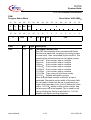
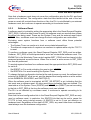
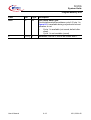
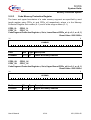
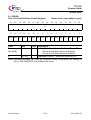
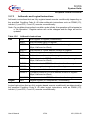
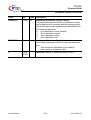
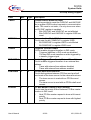
13.3.1.5 Type-of-Service Control (TOS)
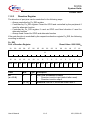
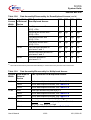
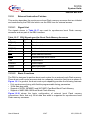
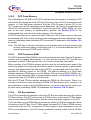
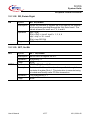
There are two Service Providers for service requests in the TC1775, the CPU and the
PCP. The TOS bit field is used to select whether a service request generates an interrupt
to the CPU (TOS[0] = 0) or to the PCP (TOS[0] = 1). Bit TOS[1] is read-only, returning 0
when read. Writing to this bit position has no effect. However, to ensure compatibility with
future extensions, it should always be written with 0.
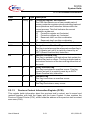
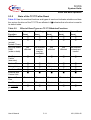
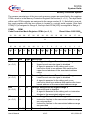
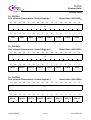
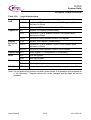
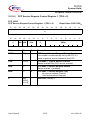
13.3.1.6 Service Request Priority Number (SRPN)
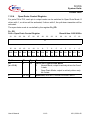
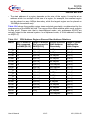
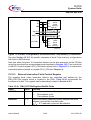
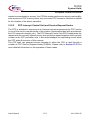
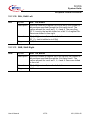
The 8-bit Service Request Priority Number (SRPN) indicates the priority of a service
request with respect to other sources requesting service from the same Service
Provider, and with respect to the priority of the Service Provider itself.
Each active source selecting the same Service Provider must have a unique SRPN
value to differentiate its priority. The special SRPN value of 00H excludes an SRN from
taking part in arbitration, regardless of the state of its SRE bit. The SRPN values for
active sources selecting different Service Providers (CPU vs. PCP) may overlap. If a
source is not active — meaning its SRE bit is 0 — no restrictions are applied to the
service request priority number.
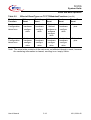
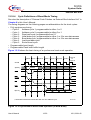
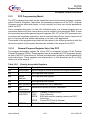
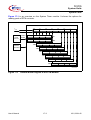
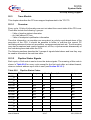
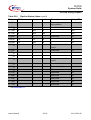
The SRPN is used by Service Providers to select an Interrupt Service Routine (ISR) or
Channel Program (in case of the PCP) to service the request. ISRs are associated with
Service Request Priority Numbers by an Interrupt Vector Table located in each Service
User’s Manual
13-7
V2.0, 2001-02