1
4.7.10 Single Well Analysis with Well Effects
Measuring Drawdown in the Well
Quite often project budget restrictions prevent the installation of an observation well or
piezometer at the site. As such, the pumping test must be conducted with a single
pumping well, and the drawdown measurements must be observed at this well.
The drawdown in the pumping well is affected however not only by the aquifer
characteristics, but also influenced by the following factors:
• Well storage
• Well Skin effects
• Well Losses
With a single well analysis, the storage coefficient may not be determined, or the value
that is calculated may not accurately and reliably represent the actual site conditions.
When doing a single well analysis, it is recommended to use a solution method that
accounts for well bore storage. The Papadopulos-Cooper method available in
AquiferTest accounts for these well effects.
4.7.11 Large Diameter Wells with WellBore Storage Papadopulos-Cooper
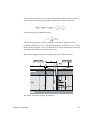
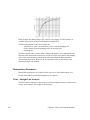
Standard methods of aquifer data analysis assume storage in the well is negligible;
however, for large-diameter wells this is not the case. At the beginning of the pumping
test, the drawdown comes not only from the aquifer, but also from within the pumping
well itself, or from the annular space surrounding the well (i.e. the gravel/filter pack).
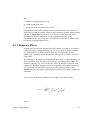
Thus the drawdown that occurs is reduced compared to the standard Theis solution.
However, this effect becomes more negligible as time progresses, and eventually there
is no difference when compared to the Theis solution for later time drawdown data.
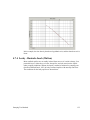
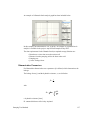
Papadopulos devised a method that accounts for well bore storage for a large-diameter
well that fully penetrates a confined aquifer (Kruseman and de Ridder, 1990). Using the
Jacob Correction factor, this method can also be applied to unconfined aquifers.
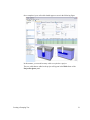
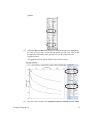
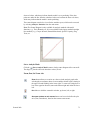
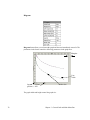
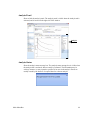
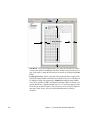
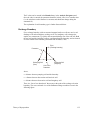
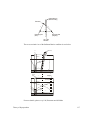
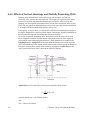
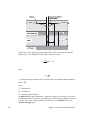
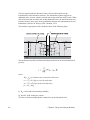
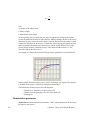
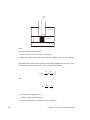
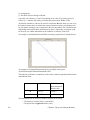
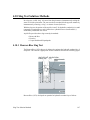
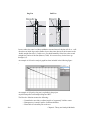
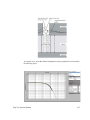
The diagram below shows the required conditions for a large-diameter well:
Pumping Test Methods
179