1
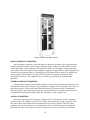
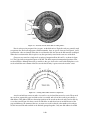
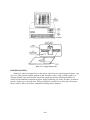
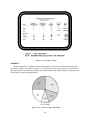
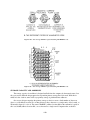
Figure 2-7.—Location of tracks on the disk's recording surface.
Data is written as tiny magnetic bits (or spots) on the disk surface. Eight-bit codes are generally used
to represent data. Each code represents a different number, letter, or special character. In chapter 4, you'll
learn how the codes are formed. When data is read from the disk, the data on the disk remains unchanged.
When data is written on the disk, it replaces any data previously stored on the same area of the disk.
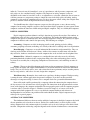
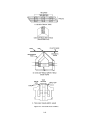
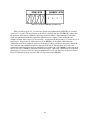
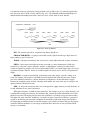
Characters are stored on a single track as strings of magnetized bits (0's and 1's) as shown in figure
2-8. The 1 bits indicate magnetized spots or ON bits. The 0 bits represent unmagnetized portions of the
track or OFF bits. Although the tracks get smaller as they get closer to the center of the disk platter, each
track can hold the same amount of data because the data density is greater on tracks near the center.
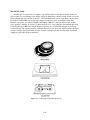
Figure 2-8.—A string of bits written to disk on a single track.
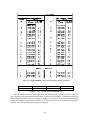
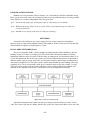
A track can hold one or more records. A record is a set of related data treated as a unit. The records
on a track are separated by gaps in which no data is recorded, and each of the records is preceded by a
disk address. This address indicates the unique position of the record on the track and is used to directly
access the record. Figure 2-9 shows a track on which five records have been recorded. Because of the
gaps and addresses, the amount of data we can store on a track is reduced as the number of records per
track is increased. Records on disk can be blocked (grouped together). Only one disk address is needed
2-10