1
2-D Electrophoresis
U S I N G
I M M O B I L I Z E D
P R I N C I P L E S
80–6429–60
Rev A / 9–98
&
P H
G R A D I E N T S
M E T H O D S
Easy Breeze, ExcelGel, Hoefer, Immobiline, IPGphor, Multiphor, MultiTemp, Pharmalyte, PlusOne, and Ultrodex
are trademarks of Amersham Pharmacia Biotech Limited or its subsidiaries.
Amersham is a trademark of Nycomed Amersham plc.
Pharmacia and Drop Design are trademarks of Pharmacia and Upjohn Inc.
All other trademarks and registered trademarks are the property of their respective companies or organizations.
Amersham Pharmacia Biotech UK Limited Amersham Place Little Chalfont Buckinghamshire England HP7 9NA
Amersham Pharmacia Biotech AB SE-751 84 Uppsala Sweden
Amersham Pharmacia Biotech Inc 800 Centennial Avenue PO Box 1327 Piscataway NJ 08855 USA
© Amersham Pharmacia Biotech Inc. 1998 - All rights reserved
All goods and services are sold subject to the terms and conditions of sale of the company within the Amersham
Pharmacia Biotech group which supplies them. A copy of these terms and conditions is available on request.
2-D Electrophoresis
U S I N G
I M M O B I L I Z E D
P R I N C I P L E S
&
P H
G R A D I E N T S
M E T H O D S
Tom Berkelman and Tirra Stenstedt
with contributions from
Bengt Bjellqvist
Nancy Laird
Ingmar Olsson
Wayne Stochaj
Reiner Westermeier
Preface
“Proteomics” is the large-scale screening of the proteins of a cell, organism or biological fluid, a process which requires stringently controlled
steps of sample preparation, 2-D electrophoresis, image detection and
analysis, spot identification, and database searches. The core technology
of proteomics is 2-D electrophoresis. At present, there is no other technique which is capable of simultaneously resolving thousands of
proteins in one separation procedure.
The replacement of classical first-dimension carrier ampholyte pH gradients with well-defined immobilized pH gradients has resulted in higher
resolution, improved interlaboratory reproducibility, higher protein
loading capacity, and an extended basic pH limit for 2-D electrophoresis.
With the increased protein capacity, micropreparative 2-D electrophoresis has accelerated spot identification by mass spectrometry and Edman
sequencing. With immobilized gradients stable as high as pH 12, basic
proteins can be separated routinely where previously they were lost due
to cathodic drift of carrier ampholyte gradients, or suffered from the
limited reproducibility of NEPHGE.
The remarkable improvements in 2-D electrophoresis resulting from
immobilized pH gradient gels, together with convenient new instruments for IPG-IEF, will make critical contributions to advances in
proteome analysis.
It is my pleasure to introduce this manual on 2-D electrophoresis. It
clearly describes the actual and technical basis of the current state-ofthe-art 2-D separations using immobilized pH gradients for the first
dimension, it provides detailed protocols for new and experienced users,
and it includes an extensive bibliography. Finally, there is the pictorial
troubleshooting guide—a bit like photos from the album of Murphy’s
law that you wouldn’t dare include in an official publication—but here
they are for all to learn from.
Angelika Görg
Technical University of Munich, August 1998
Table of Contents
Introduction
1.0 Introduction to the manual . . . . . . . . . . . . . . . . . . . . . . . . . . . .1
1.1 Introduction to two-dimensional (2-D)
electrophoresis . . . . . . . . . . . . . . . . . . . . . . . . . . . . . . . . . . . . . . . . . . . .1
1.2 Equipment choices . . . . . . . . . . . . . . . . . . . . . . . . . . . . . . . . . . . . . . .4
1.3 Laboratory technique . . . . . . . . . . . . . . . . . . . . . . . . . . . . . . . . . . .5
Part I. Sample preparation
2.0 Sample preparation—general strategy . . . . . . . . . . . . . . .6
2.1 Methods of cell disruption . . . . . . . . . . . . . . . . . . . . . . . . . . . . .7
2.1.1 Gentle lysis methods . . . . . . . . . . . . . . . . . . . . . . . . . . . . .7
2.1.2 More-vigorous lysis methods . . . . . . . . . . . . . . . . . . .8
2.2 Protection against proteolysis . . . . . . . . . . . . . . . . . . . . . . . . .9
2.3 Precipitation procedures . . . . . . . . . . . . . . . . . . . . . . . . . . . . . .10
2.4 Removal of contaminants that affect
2-D results . . . . . . . . . . . . . . . . . . . . . . . . . . . . . . . . . . . . . . . . . . . . . . .11
2.5 Composition of sample solution . . . . . . . . . . . . . . . . . . . . .12
Part II. First-dimension isoelectric focusing
3.0 First-dimension isoelectric
focusing—overview . . . . . . . . . . . . . . . . . . . . . . . . . . . . . . . . . . . .14
3.1 Background to isoelectric focusing (IEF) . . . . . . . . . . .14
3.2 Immobilized pH gradient selection . . . . . . . . . . . . . . . . . .16
3.3 Sample application method selection . . . . . . . . . . . . . . .16
3.4 IPG strip rehydration solution . . . . . . . . . . . . . . . . . . . . . . .17
3.4.1 Components of the rehydration solution . . .17
3.4.2 Rehydration solution preparation . . . . . . . . . . . .18
3.5 Multiphor II and Immobiline DryStrip Kit . . . . . . . .18
3.5.1 IPG strip rehydration—
Immobiline DryStrip Reswelling Tray . . . . . . .18
3.5.2 Preparing for IEF . . . . . . . . . . . . . . . . . . . . . . . . . . . . . . .19
A. Prepare the Immobiline DryStrip Kit . . . .19
B. Prepare electrode strips . . . . . . . . . . . . . . . . . . . . .19
C. Prepare for electrophoresis . . . . . . . . . . . . . . . .19
D. Optional: Apply sample after
gel rehydration . . . . . . . . . . . . . . . . . . . . . . . . . . . . . . .20
3.5.3 Isoelectric focusing guidelines . . . . . . . . . . . . . . . . .21
3.5.4 Protocol examples—Multiphor II . . . . . . . . . . .22
3.5.5 Running a protocol . . . . . . . . . . . . . . . . . . . . . . . . . . . . .22
3.5.6 Troubleshooting . . . . . . . . . . . . . . . . . . . . . . . . . . . . . . . . .23
3.6 IPGphor Isoelectric Focusing System . . . . . . . . . . . . . . .24
3.6.1 IPG strip rehydration—
IPGphor strip holder . . . . . . . . . . . . . . . . . . . . . . . . . . .24
3.6.2 Optional: Apply electrode pads . . . . . . . . . . . . . .24
3.6.3 Optional: Apply sample after
gel rehydration . . . . . . . . . . . . . . . . . . . . . . . . . . . . . . . . . . .25
3.6.4 Isoelectric focusing guidelines . . . . . . . . . . . . . . . . .25
3.6.5 Protocol examples—IPGphor . . . . . . . . . . . . . . . .26
3.6.6 Running a protocol . . . . . . . . . . . . . . . . . . . . . . . . . . . . .27
3.6.7 Troubleshooting . . . . . . . . . . . . . . . . . . . . . . . . . . . . . . . . .27
Part III. Second-dimension SDS-PAGE
4.0 Second-dimension SDS-PAGE—overview . . . . . . . .28
4.1 Background to SDS-PAGE . . . . . . . . . . . . . . . . . . . . . . . . . . .28
4.2 IPG strip equilibration . . . . . . . . . . . . . . . . . . . . . . . . . . . . . . . .28
4.2.1 Equilibration solution components . . . . . . . . . .28
4.2.2 Equilibration steps . . . . . . . . . . . . . . . . . . . . . . . . . . . . .29
4.3 Vertical systems . . . . . . . . . . . . . . . . . . . . . . . . . . . . . . . . . . . . . . . . .29
4.3.1 Preparing SDS slab gels—
vertical systems . . . . . . . . . . . . . . . . . . . . . . . . . . . . . . . . . .29
4.3.2 Applying the equilibrated IPG strip . . . . . . . . .32
4.3.3 Electrophoresis conditions . . . . . . . . . . . . . . . . . . . .32
4.3.4 Troubleshooting . . . . . . . . . . . . . . . . . . . . . . . . . . . . . . . . .33
4.4 Multiphor II flatbed system . . . . . . . . . . . . . . . . . . . . . . . . . .33
4.4.1 ExcelGel preparation . . . . . . . . . . . . . . . . . . . . . . . . . .33
4.4.2 Applying the equilibrated IPG strip . . . . . . . . .34
4.4.3 Electrophoresis conditions . . . . . . . . . . . . . . . . . . . . .34
4.4.4 Troubleshooting . . . . . . . . . . . . . . . . . . . . . . . . . . . . . . . . .35
Part IV. Visualization and analysis of results
5.0 Visualization of results . . . . . . . . . . . . . . . . . . . . . . . . . . . . . . . .36
5.1 Blotting . . . . . . . . . . . . . . . . . . . . . . . . . . . . . . . . . . . . . . . . . . . . . . . . . . .36
5.2 Evaluation . . . . . . . . . . . . . . . . . . . . . . . . . . . . . . . . . . . . . . . . . . . . . . .36
5.3 Standardization of results . . . . . . . . . . . . . . . . . . . . . . . . . . . . .36
Troubleshooting
6.0 Troubleshooting 2-D results . . . . . . . . . . . . . . . . . . . . . . . . . .37
Appendix: Solutions . . . . . . . . . . . . . . . . . . . . . . . . . . . . . . . . . . .42
References
44
................................................
Ordering information . . . . . . . . . . . . . . . . . . . . . . . . . . . . . . . . . .47
I N T R O D U C T I O N
Introduction
■
The 2-D technique has been improved to generate 2-D
maps that are superior in terms of resolution and reproducibility. This new 2-D technique, developed by A.
Görg and colleagues [3,4], utilizes an improved firstdimension separation method that replaces the carrier
ampholyte-generated pH gradients with immobilized
pH gradients (IPG) and replaces the tube gels with gel
strips supported by a plastic film backing. A more
detailed discussion of the merits of this technique is
presented in section 3.1, ‘Background to IEF.’
■
Methods for the rapid analysis of proteins have been
improved to the point that single spots eluted or transferred from single 2-D gels can be rapidly identified.
Mass spectroscopic techniques have been developed
that allow analysis of very small quantities of peptides
and proteins. Chemical microsequencing and amino
acid analysis can be performed on increasingly smaller
samples. Immunochemical identification is now possible
with a wide assortment of available antibodies.
■
More-powerful, less expensive computers and software
are now available, allowing routine computerized evaluations of the highly complex 2-D patterns.
■
Data about entire genomes (or substantial fractions
thereof) for a number of organisms are now available,
allowing rapid identification of the gene encoding a
protein separated by 2-D electrophoresis.
■
The World Wide Web provides simple, direct access to
spot pattern databases for the comparison of electrophoresis results and to genome sequence databases
for assignment of sequence information.
1.0 Introduction to the manual
This manual is divided into four parts. Part I provides
guidelines for sample preparation. Part II details procedures for performing the first dimension of 2-D electrophoresis. Part III contains general directions for
subsequent second-dimension electrophoresis of IPG
strips. Part IV discusses visualization and analysis of the
2-D electrophoresis results. The 2-D protocols described
herein use products of Amersham Pharmacia Biotech.
Equipment choices are discussed in section 1.2.
1.1 Introduction to two-dimensional
(2-D) electrophoresis
Two-dimensional electrophoresis (2-D electrophoresis) is
a powerful and widely used method for the analysis of
complex protein mixtures extracted from cells, tissues, or
other biological samples. This technique sorts proteins
according to two independent properties in two discrete
steps: the first-dimension step, isoelectric focusing (IEF),
separates proteins according to their isoelectric points
(pI); the second-dimension step, SDS-polyacrylamide gel
electrophoresis (SDS-PAGE), separates proteins according to their molecular weights (MW). Each spot on the
resulting two-dimensional array corresponds to a single
protein species in the sample. Thousands of different
proteins can thus be separated, and information such as
the protein pI, the apparent molecular weight, and the
amount of each protein is obtained.
Two-dimensional electrophoresis was first introduced by
P.H. O’Farrell [1] and J. Klose [2] in 1975. In the original
technique, the first-dimension separation was performed
in carrier ampholyte-containing polyacrylamide gels cast
in narrow tubes. (Under the influence of an electric
current, carrier ampholytes form a pH gradient, a critical
component of IEF. See section 3.1, ‘Background to IEF,’
for more detail.) Sample was applied to one end of each
tube gel and separated at high voltages. After IEF the gel
rods were removed from their tubes, equilibrated in SDS
sample buffer, and placed on vertical SDS-polyacrylamide
gels for the second-dimension separation.
The power of 2-D electrophoresis as a biochemical separation technique has been recognized virtually since its
introduction. Its application, however, has become significant only in the past few years as a result of a number of
developments.
A large and growing application of 2-D electrophoresis is
“proteome analysis.” Proteome analysis is “the analysis
of the PROTEin complement expressed by a genOME”
[5,6]. The analysis involves the systematic separation,
identification, and quantification of many proteins simultaneously from a single sample. 2-D electrophoresis is
used in this application due to its unparalleled ability to
separate thousands of proteins. 2-D electrophoresis is
also unique in its ability to detect post- and cotranslational modifications, which cannot be predicted from the
genome sequence.
Other applications of 2-D electrophoresis include analysis of cell differentiation, detection of disease markers,
monitoring therapies, drug discovery, cancer research,
purity checks, and microscale protein purification.
This manual describes methods for 2-D electrophoresis
using precast IPG strips (Immobiline® DryStrip gels)
available from Amersham Pharmacia Biotech. The 2-D
process begins with sample preparation. Proper sample
2 - D
E L E C T R O P H O R E S I S
|
1
I N T R O D U C T I O N
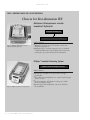
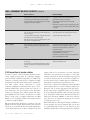
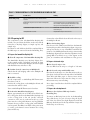
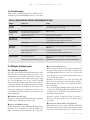
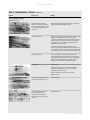
TABLE 1. EQUIPMENT CHOICES FOR 2-D ELECTROPHORESIS
Choices for first-dimension IEF
Multiphor® II Electrophoresis unit with
Immobiline® DryStrip Kit
Rehydration in Reswelling Tray
IEF in Multiphor II unit with Immobiline DryStrip Kit
Choice Factors:
Figure 1. Multiphor II Electrophoresis unit
with Immobiline DryStrip Kit
Multiphor II can be used for both first- and seconddimension separations.
■ Multiphor II is a versatile system. Its use is not limited
to IEF with IPG strips. Several different electrophoresis
techniques can be performed with the instrument.
■
IPGphor™ Isoelectric Focusing System
Rehydration and IEF, both in IPGphor strip holder
Choice Factors:
Rehydration and IEF can be performed overnight,
unattended.
■ Fewer IPG strip manipulations are required, reducing the
chance of error.
■ Faster separations and sharper focusing are possible
because of higher voltage.
■ Power supply and temperature control are built into
the instrument.
■
Figure 2. IPGphor Isoelectric Focusing System
2
|
U S I N G
I M M O B I L I Z E D
P H
G R A D I E N T S
I N T R O D U C T I O N
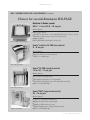
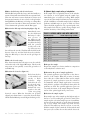
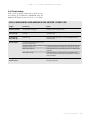
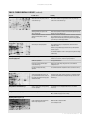
TABLE 1. EQUIPMENT CHOICES FOR 2-D ELECTROPHORESIS (continued)
Choices for second-dimension SDS-PAGE
Multiphor II (flatbed system)
24.5 × 11 cm or 24.5 × 18 cm gels
Choice Factors:
Precast gels offered:
ExcelGel® 8–18% (24.5 × 11 cm), ExcelGel XL 12–14% (24.5 × 18 cm).
■ Relatively rapid: 4 hours or less for electrophoresis.
■ High resolution.
■ All available IPG strip lengths can be used.
■
Figure 3. Multiphor II flatbed system
Hoefer® miniVE or SE 260 (mini vertical)
8 × 9 cm gels
Choice Factors:
■
■
Rapid: 1–2 hours for electrophoresis.
Best for 7 cm IPG strips.
Figure 4. Hoefer miniVE
Hoefer® SE 600 (standard vertical)
14 (or 16) × 15 cm gels
Choice Factors:
4–5 hours for electrophoresis.
Intermediate separation (15 cm gel length).
■ Intermediate throughput (up to four gels simultaneously).
■ Best for 13 cm IPG strips.
■
■
Figure 5. Hoefer SE 600
Hoefer® DALT (large-format vertical)
24 × 19 cm gels
Choice Factors:
7 hours to overnight electrophoresis.
Highest resolution (19 cm gel length).
■ Highest possible protein capacity.
■ High throughput (up to 10 gels simultaneously).
■ Best for 18 cm IPG strips.
■
■
Figure 6. Hoefer DALT
2 - D
E L E C T R O P H O R E S I S
|
3
I N T R O D U C T I O N
preparation is absolutely essential for a good 2-D result.
The next step in the 2-D process is IPG strip rehydration.
IPG strips are provided dry and must be rehydrated with
the appropriate additives prior to IEF. First-dimension
IEF is performed on a flatbed system at very high voltages with active temperature control. Next, strip equilibration in SDS-containing buffer prepares the sample for
the second-dimension separation. Following equilibration, the strip is placed on the second-dimension gel for
SDS-PAGE. The final steps are visualization and analysis
of the resultant two-dimensional array of spots.
In summary, the experimental sequence for 2-D electrophoresis is:
1. Sample preparation
2. IPG strip rehydration
3. IEF
4. IPG strip equilibration
5. SDS-PAGE
6. Visualization
7. Analysis
The IPGphor Isoelectric Focusing System (Figure 2)
further simplifies the first-dimension separation with a
system dedicated to IEF separation on IPG strips. The
system is comprised of IPG strip holders that serve as
both rehydration and IEF chambers, and the IPGphor
unit, which includes an 8,000 V power supply and builtin temperature control. Programmable parameters
include rehydration temperature and duration, IEF
temperature and maximum current, and the duration
and voltage pattern of multiple steps for one separation.
Up to 12 strip holders of the same length can be placed
on the IPGphor platform for any one protocol. Because
rehydration and IEF are performed consecutively without user intervention, they can be performed unattended
overnight. Fewer IPG strip manipulations result in less
error, strip mix-up, contamination, air contact, and urea
crystallization. Separations are faster because of the
substantially higher voltage that can be applied.
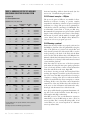
Table 2 shows the key operating differences between the
Multiphor II system and the IPGphor Isoelectric Focusing
System for first-dimension IEF.
1.2 Equipment choices
Different options exist in terms of methods and equipment for IEF and SDS-PAGE. Table 1 lists the instruments
available from Amersham Pharmacia Biotech. For
detailed information on the operation of any of the instruments described, please see the respective User Manual.
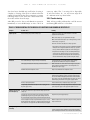
TABLE 2. IEF SYSTEM SELECTION
Maximum
voltage
Additional
equipment required
Multiphor II
3500 V 2
Immobiline DryStrip Reswelling Tray, 3–48 hours
Immobiline DryStrip Kit,
EPS 3501 XL power supply,
MultiTemp III Thermostatic Circulator
IPGphor
8000 V
IPG strip holders of desired length
Selecting an IEF system
Amersham Pharmacia Biotech offers two different
systems for the first-dimension separation: the Multiphor® II system with associated accessories, and the
IPGphor™ Isoelectric Focusing System.
Multiphor II is a versatile system that can be used for
several different electrophoresis techniques. For 2-D
electrophoresis it can be used for both first-dimension
IEF and second-dimension SDS-PAGE. Strip rehydration
is performed in the Immobiline DryStrip Reswelling
Tray. After rehydration the IPG strips are transferred to
the electrophoresis unit for first-dimension IEF. The electrophoresis system is comprised of the Multiphor II
flatbed unit with the Immobiline DryStrip Kit (Figure 1).
This system accommodates up to 12 rehydrated IPG
strips of the same length for any one IEF protocol.
Power is supplied by the EPS 3501 XL power supply, and
temperature control is provided by the MultiTemp® III
Thermostatic Circulator.
4
|
U S I N G
I M M O B I L I Z E D
P H
G R A D I E N T S
Time required
for IEF 1
1.5–24 hours
Optimal focusing time varies widely depending on the IPG strip length and pH range and the
nature of the sample. Similar separations can generally be performed at least twofold faster
with the IPGphor system than with the Multiphor II system.
2
Higher voltages are not recommended for safety reasons.
1
Selecting a second-dimension system
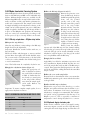
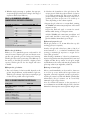
The second-dimension separation may be performed in
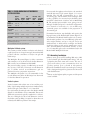
a vertical or flatbed system. Table 3 matches the appropriate second-dimension system and gel size with IPG
strip length. Further considerations are discussed below.
(For a more complete discussion of the relative merits
of flatbed vs. vertical second dimensions, consult [7].)
I N T R O D U C T I O N
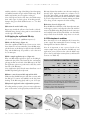
TABLE 3. SECOND-DIMENSION ELECTROPHORESIS
SYSTEM SELECTION
Approx.
gel size
(wxl, cm)
Number
of gels
Gel
thickness
(mm)
IPG strip
length
(cm)
Total
oper. time
(h:min)
Flatbed
Multiphor II,
ExcelGel
24.5 × 11,
24.5 × 18
11
0.5
all
1:45
3:20
Vertical
Hoefer miniVE
or SE 260
8×9
2
1, 1.5
7
1:30
14 × 15,
16 × 15 2
2 or 4 3
1, 1.5
11, 13
5:00
24 × 19
10
1, 1.5
18
7:00–15:00
Hoefer SE 600
Hoefer DALT
Multiple shorter IPG strips fit on one ExcelGel: two 11 cm strips or three 7 cm strips.
If 1-cm-wide spacers are used.
3
Accessory divider plates increase the capacity to four gels.
1
2
Multiphor II flatbed system
This system provides excellent resolution and relatively
rapid separations in a large-format gel. Precast ExcelGel
products offer the convenience of ready-to-use gels and
buffer strips.
For increased throughput and resolution, the standardsized SE 600 vertical gel system (Figure 5) is recommended. The SE 600 accommodates up to four
16-cm-long gels, and the built-in heat exchanger offers
cooling capability for increased reproducibility when
used with a thermostatic circulator such as MultiTemp
III. The standard spacer width is 2 cm, giving a 14-cmwide gel. If additional space for molecular weight markers is desired at both ends of a 13 cm IPG strip,
1-cm-wide spacers are available for the preparation of
16-cm-wide gels.
For maximal resolution, reproducibility, and capacity, the
large-gel format of the Hoefer DALT system (Figure 6) is
recommended. The Hoefer DALT system can accommodate the entire gradient of an 18 cm IPG strip (plus molecular weight markers) and up to 10 gels can be run
simultaneously. A built-in heat exchanger and buffer
circulation pump provide precise temperature control
and a uniform thermal environment. Twenty or more
1- or 1.5-mm-thick gels can be cast simultaneously in the
Hoefer DALT Multiple Gel Caster.
1.3 Laboratory technique
■
Always wear gloves when handling IPG strips, SDS
polyacrylamide gels, ExcelGel Buffer Strips, and any
equipment that these items will contact. The use of
gloves will reduce protein contamination that can
produce spurious spots or bands in 2-D patterns.
■
Clean all assemblies that will contact the gels or sample
with a detergent designed for glassware and rinse well
with distilled water.
■
Always use the highest-quality reagents and the purest
water available.
The Multiphor II system (Figure 3) offers convenience
and versatility as it can be used for both first-dimension
IEF as well as second-dimension SDS-PAGE.
The protein loading capacity of an IPG strip can exceed
the capacity of the thin, horizontal second-dimension
gel, so thicker vertical second-dimension gels are
preferred for micro-preparative separations.
The Multiphor II system is not recommended for the
second dimension if pH 6–11 IPG strips have been used
for the first-dimension separation.
Vertical systems
Vertical systems offer relative ease of use and the possibility of performing multiple separations simultaneously.
Vertical 2-D gels can be either 1 or 1.5 mm thick.
For rapid results, the mini-gel units—the Hoefer miniVE
(Figure 4) or the SE 260—are recommended. The seconddimension separation is typically complete in 1 to 2 hours.
The use of mini-gels for the second dimension of 2-D is
ideal when quick profiling is required or when there are
relatively few different proteins in the sample.
2 - D
E L E C T R O P H O R E S I S
|
5
P A R T
I .
S A M P L E
Part I
Sample preparation
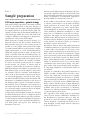
2.0 Sample preparation — general strategy
Appropriate sample preparation is absolutely essential
for good 2-D results. Due to the great diversity of
protein sample types and origins, only general guidelines
for sample preparation are provided in this guide. The
optimal procedure must be determined empirically for
each sample type. Ideally, the process will result in the
complete solubilization, disaggregation, denaturation,
and reduction of the proteins in the sample.
When developing a sample preparation strategy, it is
important to have a clear idea of what is desired in the
final 2-D result. Is the goal to view as many proteins as
possible, or is only a subset of the proteins in the sample
of potential interest? Which is more important, complete
sample representation, or a clear, reproducible pattern?
Additional sample preparation steps can improve the
quality of the final result, but each additional step can
result in the selective loss of protein species. The trade-off
between improved sample quality and complete protein
representation must therefore be carefully considered.
P R E P A R A T I O N
Proteases may be liberated upon cell disruption. Proteolysis greatly complicates analysis of the 2-D result, thus
the protein sample should be protected from proteolysis
during cell disruption and subsequent preparation.
Protease inhibition is discussed in section 2.2.
If only a subset of the proteins in a tissue or cell type is
of interest, prefractionation can be employed during
sample preparation. If proteins from one particular
subcellular compartment (e.g., nuclei, mitochondria,
plasma membrane) are desired, the organelle of interest
can be purified by differential centrifugation or other
means prior to solubilization of proteins for 2-D electrophoresis. The sample can also be prefractionated by
solubility under different extraction conditions prior to
2-D electrophoresis. References [8,9] describe examples
of this approach. See reference [10] for an overview of
the subject of protein fractionation.
Precipitation of the proteins in the sample and removal
of interfering substances are optional steps. The decision
to employ these steps depends on the nature of the
sample and the experimental goal. Precipitation procedures, which are used both to concentrate the sample
and to separate the proteins from potentially interfering
substances, are described in section 2.3. Removal techniques, which eliminate specific contaminants from the
sample, are described in section 2.4, as are the effects
contaminants (salts, small ionic molecules, ionic detergents, nucleic acids, polysaccharides, lipids, and phenolic compounds) might have on the 2-D result if they are
not removed.
In order to characterize specific proteins in a complex
protein mixture, the proteins of interest must be
completely soluble under electrophoresis conditions.
Different treatments and conditions are required to solubilize different types of protein samples: some proteins
are naturally found in complexes with membranes,
nucleic acids, or other proteins; some proteins form various non-specific aggregates; and some proteins precipitate when removed from their normal environment. The
effectiveness of solubilization depends on the choice of
cell disruption method, protein concentration and dissolution method, choice of detergents, and composition of
the sample solution. If any of these steps is not optimized
for a particular sample, separations may be incomplete
or distorted and information may be lost.
In general, it is advisable to keep sample preparation as
simple as possible. A sample with low protein concentrations and a high salt concentration, for example,
could be diluted normally and analyzed, or desalted,
then concentrated by lyophilization, or precipitated with
TCA and ice-cold acetone and re-solubilized with rehydration solution. The first option of simply diluting the
sample with rehydration solution may be sufficient. If
problems with protein concentration or interfering
substances are otherwise insurmountable, precipitation
or removal steps may be necessary.
To fully analyze all intracellular proteins, the cells must
be effectively disrupted. Choice of disruption method
depends on whether the sample is from cells, solid tissue,
or other biological material and whether the analysis is
targeting all proteins or just a particular subcellular fraction. Both gentle and vigorous lysis methods are
discussed in section 2.1.
The composition of the sample solution is particularly
critical for 2-D, because solubilization treatments for
the first-dimension separation must not affect the
protein pI, nor leave the sample in a highly conductive
solution. In general, concentrated urea as well as one or
more detergents are used. Sample solution composition
is discussed in section 2.5.
6
|
U S I N G
I M M O B I L I Z E D
P H
G R A D I E N T S
P A R T
I .
S A M P L E
P R E P A R A T I O N
cause urea to hydrolyze to isocyanate, which modifies
proteins by carbamylation.
General sample preparation guidelines:
■
■
Keep the sample preparation strategy as simple as possible to avoid protein losses. Additional sample preparation steps may improve the quality of the final 2-D result,
but at the possible expense of selective protein loss.
The cells or tissue should be disrupted in such a way as
to minimize proteolysis and other modes of protein
degradation. Cell disruption should be done at as low
a temperature as possible and with a minimum of heat
generation. Cell disruption should ideally be carried
out directly into a strongly denaturing solution
containing protease inhibitors.
■
Sample preparation solutions should be freshly
prepared or stored as frozen aliquots. Use high-purity
or de-ionized urea.
■
Preserve sample quality by preparing the sample just
prior to IEF or storing samples in aliquots at –80 °C.
Do not expose samples to repeated thawing.
■
Remove all particulate material by ultracentrifugation.
Solid particles and lipids must be removed because they
will block the gel pores.
■
To avoid modification of proteins, never heat a sample
after adding urea. When the sample contains urea, it
must not be heated over 37 °C. Elevated temperatures
■
For more-specific guidance on preparing samples for
application to IPG strips see [11–13].
2.1 Methods of cell disruption
Listed in Tables 4 and 5 are a few standard disruption
methods, both mechanical and chemical. Cell disruption
should be performed at cold temperatures. Keep the
sample on ice as much as possible and use chilled solutions. Proteases may be liberated upon cell disruption,
thus the protein sample should be protected from proteolysis if one of these methods is to be used. (See section
2.2.) It is generally preferable to disrupt the sample material directly into a strongly denaturing lysis solution in
order to rapidly inactivate proteases and other enzymatic
activities that may modify proteins. Cell disruption is
often carried out in an appropriate solubilization solution
for the proteins of interest. References [14,15] contain
general information on tissue disruption and cell lysis.
2.1.1 Gentle lysis methods
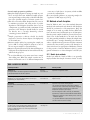
Gentle lysis methods, listed in Table 4, are generally
employed when the sample of interest consists of easily
TABLE 4. GENTLE LYSIS METHODS
Cell disruption method
Application
General procedure
Osmotic lysis [16]
This very gentle method is well suited for applications in which the lysate is to
be subsequently fractionated into subcellular components.
Blood cells,
tissue culture cells
Suspend cells in a hypoosmotic solution.
Freeze-thaw lysis [8,14,17]
Many types of cells can be lysed by subjecting them to one or more cycles
of quick freezing and subsequent thawing.
Bacterial cells,
tissue culture cells
Rapidly freeze cell suspension using liquid nitrogen, then thaw.
Repeat if necessary.
Detergent lysis
Detergents solubilize cellular membranes, lysing cells and liberating
their contents.
Tissue culture cells
Suspend cells in lysis solution containing detergent.
Cells can often be lysed directly into sample solution or rehydration
solution because these solutions always contain detergent. See Appendix,
solution A, for an example of a widely used lysis solution. Further
examples of this technique are given in [18,19].
If an anionic detergent such as SDS is used for lysis, one of the following
preparation steps is required to ensure that the SDS will not interfere with IEF:
• Dilute the lysed sample into a solution containing an excess of non-ionic
or zwitterionic detergent.
• Or, separate the SDS from the sample protein by acetone precipitation.
(See Tables 7 and 8 and section 2.5 for details.)
Enzymatic lysis [20,21]
Cells with cell walls can be lysed gently following enzymatic removal of the
cell wall. This must be done with an enzyme specific for the type of cell to
be lysed (e.g., lysozyme for bacterial cells, cellulase and pectinase for plant
cells, lyticase for yeast cells).
Plant tissue, bacterial
cells, fungal cells
Treat cells with enzyme in isoosmotic solution.
2 - D
E L E C T R O P H O R E S I S
|
7
P A R T
I .
S A M P L E
lysed cells (such as tissue culture cells, blood cells, and
some microorganisms). Gentle lysis methods can also be
employed when only one particular subcellular fraction
is to be analyzed. For example, conditions can be chosen
in which only cytoplasmic proteins are released, or intact
mitochondria or other organelles are recovered by differential centrifugation. Sometimes these techniques are
combined (e.g., osmotic lysis following enzymatic treatment, freeze-thaw in the presence of detergent).
P R E P A R A T I O N
2.1.2 More-vigorous lysis methods
More-vigorous lysis methods, listed in Table 5, are
employed when cells are less easily disrupted, i.e., cells in
solid tissues or cells with tough cell walls. More-vigorous
lysis methods will result in complete disruption of the
cells, but care must be taken to avoid heating or foaming
during these procedures.
TABLE 5. MORE-VIGOROUS LYSIS METHODS
Cell disruption method
Application
General procedure
Sonication [4,22,23]
Ultrasonic waves generated by a sonicator lyse cells through shear forces.
Complete shearing is obtained when maximal agitation is achieved, but care
must be taken to minimize heating and foaming.
Cell suspensions
Sonicate cell suspension in short bursts to avoid heating. Cool on ice
between bursts.
French pressure cell [20,21,24]
Cells are lysed by shear forces resulting from forcing cell suspension
through a small orifice under high pressure.
Microorganisms
with cell walls (bacteria,
algae, yeasts)
Place cell suspension in chilled French pressure cell. Apply pressure and
collect extruded lysate.
Grinding [4,7,25,26]
Some cell types can be opened by hand grinding with a mortar and pestle.
Solid tissues,
microorganisms
Tissue or cells are normally frozen with liquid nitrogen and ground to a
fine powder. Alumina or sand may aid grinding.
Mechanical homogenization [8,16,27–29]
Many different devices can be used to mechanically homogenize tissues.
Handheld devices such as Dounce or Potter-Elvehjem homogenizers can be
used to disrupt cell suspensions or relatively soft tissues. Blenders or other
motorized devices can be used for larger samples. Homogenization is rapid
and poses little danger to proteins except by the proteases that may be
liberated upon disruption.
Solid tissues
Chop tissue into small pieces if necessary. Add chilled homogenization
buffer (3–5 volumes to volume of tissue). Homogenize briefly. Clarify
lysate by filtration and/or centrifugation.
Glass bead homogenization [20,21,30]
The abrasive actions of the vortexed beads break cell walls, liberating the
cellular contents.
Cell suspensions,
microorganisms
Suspend cells in an equal volume of chilled lysis solution and place into
a sturdy tube. Add 1–3 grams of chilled glass beads per gram of wet
cells. Vortex 1 minute and incubate cells on ice 1 minute. Repeat
vortexing and chilling two to four times.
8
|
U S I N G
I M M O B I L I Z E D
P H
G R A D I E N T S
P A R T
I .
S A M P L E
P R E P A R A T I O N
2.2 Protection against proteolysis
carrier ampholyte mixtures.
When cells are lysed, proteases are often liberated or activated. Degradation of proteins through protease action
greatly complicates the analysis of 2-D electrophoresis
results, so measures should be taken to avoid this problem. If possible, inhibit proteases by disrupting the
sample directly into strong denaturants such as 8 M urea,
10% TCA, or 2% SDS [31–35]. Proteases are less active
at lower temperatures, so sample preparation at as low a
temperature as possible is recommended. In addition,
most tissue proteases are inactive above pH 9, so proteolysis can often be inhibited by preparing the sample in
the presence of tris base, sodium carbonate, or basic
These approaches alone are often sufficient protection
against proteolysis. Some proteases, however, may retain
some activity even under these conditions. In these cases,
protease inhibitors may be used. Individual protease
inhibitors are active only against specific classes of
proteases, so it is usually advisable to use a combination
of protease inhibitors. Broad-range protease inhibitor
“cocktails” are available from a number of commercial
sources. Table 6 lists common protease inhibitors and
the proteases they inhibit. For more, comprehensivediscussions of protease inhibition, see [12,28,36–40].
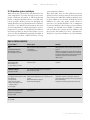
TABLE 6. PROTEASE INHIBITORS
Protease inhibitor
Effective against
Limitations
PMSF
(Phenylmethylsulphonyl fluoride)
Most commonly used inhibitor.
Use at concentrations up to 1 mM.
PMSF is an irreversible inhibitor that inactivates:
• serine proteases
• some cysteine proteases
PMSF rapidly becomes inactive in aqueous solutions: Prepare just
prior to use.
PMSF may be less effective in the presence of thiol reagents such
as DTT or 2-mercaptoethanol. This limitation can be overcome by
disrupting the sample into PMSF-containing solution lacking thiol
reagents. Thiol reagents can be added at a later stage.
PMSF is very toxic.
AEBSF
(Aminoethyl benzylsufonyl
fluoride or Pefabloc® SC)
Use at concentrations up to 4 mM.
AEBSF is similar to PMSF in its inhibitory activity, but is more
soluble and less toxic.
AEBSF-induced modifications can potentially alter the pI
of a protein.
1 mM EDTA or 1 mM EGTA
Generally used at 1 mM.
These compounds inhibit metalloproteases by chelating free
metal ions required for activity.
Peptide protease inhibitors
(e.g., leupeptin, pepstatin, aprotinin, bestatin)
These inhibitors are:
• reversible inhibitors
• active in the presence of DTT
• active at low concentrations under
a variety of conditions
Use at 2–20 µg/ml.
Leupeptin inhibits many serine and cysteine proteases.
Pepstatin inhibits aspartyl proteases (e.g., acidic proteases such
as pepsin).
Aprotinin inhibits many serine proteases.
Bestatin inhibits aminopeptidases.
TLCK, TPCK
(Tosyl lysine chloromethyl ketone, tosyl
phenylalanine chloromethyl ketone)
Use at 0.1–0.5 mM.
These similar compounds irreversibly inhibit many serine and
cysteine proteases.
Benzamidine
Use at 1–3 mM.
Benzamidine inhibits serine proteases.
Peptide protease inhibitors are expensive.
Peptide protease inhibitors are small peptides and thus may
appear on the 2-D map, depending on the size range separated by
the second-dimension gel.
Pepstatin does not inhibit any proteases that are active at pH 9.
2 - D
E L E C T R O P H O R E S I S
|
9
P A R T
I .
S A M P L E
2.3 Precipitation procedures
Protein precipitation is an optional step in sample
preparation for 2-D electrophoresis. Precipitation,
followed by resuspension in sample solution, is generally employed to selectively separate proteins in the
sample from contaminating species such as salts, detergents, nucleic acids, lipids, etc., that would otherwise
interfere with the 2-D result. Precipitation followed by
resuspension can also be employed to prepare a concentrated protein sample from a dilute source (e.g., plant
tissues, urine).
P R E P A R A T I O N
No precipitation technique is completely efficient, and
some proteins may not readily resuspend following
precipitation. Thus, employing a precipitation step during
sample preparation may alter the protein profile of a
sample. Precipitation and resuspension should be avoided
if the aim of a 2-D experiment is complete and accurate
representation of all the proteins in a sample. Table 7 lists
some of the precipitation techniques used. If sample
preparation requires precipitation, typically only one
precipitation technique is employed.
For an overview of precipitation techniques, see [14,15,41].
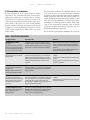
TABLE 7. PRECIPITATION PROCEDURES
Precipitation method
General procedure
Limitations
Ammonium sulphate precipitation
(“Salting out”)
In the presence of high salt concentrations,
proteins tend to aggregate and precipitate
out of solution. Many potential contaminants
(e.g., nucleic acids) will remain in solution.
Prepare protein so final concentration of the protein solution is
>1 mg/ml in a buffer solution that is >50 mM and contains EDTA.
Slowly add ammonium sulphate to the desired percent saturation
[41] and stir for 10–30 minutes. Pellet proteins by centrifugation.
Many proteins remain soluble at high salt concentrations, so this
method is not recommended when total protein representation is
desired. This method can, however, be used for prefractionation or
enrichment.
Residual ammonium sulphate will interfere with IEF and must be
removed [42]. See section 2.4 on removal of salts.
TCA precipitation
TCA (trichloroacetic acid) is a very effective
protein precipitant.
TCA is added to the extract to a final concentration of 10–20% and
the proteins are allowed to precipitate on ice for 30 minutes [43].
Alternatively, tissue may be homogenized directly into 10–20% TCA
[32,44]. This approach limits proteolysis and other protein modifications.
Centrifuge and wash pellet with acetone or ethanol to remove
residual TCA.
Proteins may be difficult to resolubilize and may not resolubilize
completely.
Residual TCA must be removed by extensive washing with acetone
or ethanol.
Extended exposure to this low-pH solution may cause some protein
degradation or modification.
Acetone precipitation
This organic solvent is commonly used to
precipitate proteins.
Many organic-soluble contaminants (e.g.,
detergents, lipids) will remain in solution.
Add at least 3 volumes of ice-cold acetone to the extract. Allow
proteins to precipitate at –20 ºC for at least 2 hours. Pellet proteins
by centrifugation [43,45–47]. Residual acetone is removed by air
drying or lyophilization.
Precipitation with TCA in acetone
The combination of TCA and acetone is
commonly used to precipitate proteins during
sample preparation for 2-D electrophoresis
and is more effective than either TCA or
acetone alone.
Suspend lysed or disrupted sample in 10% TCA in acetone with
either 0.07% 2-mercaptoethanol or 20 mM DTT. Precipitate proteins
for at least 45 minutes at –20 ºC. Pellet proteins by centrifugation
and wash pellet with cold acetone containing either 0.07%
2-mercaptoethanol or 20 mM DTT. Remove residual acetone by air
drying or lyophilization [4,25,31,40,48,49].
Proteins may be difficult to resolubilize and may not resolubilize
completely.
Extended exposure to this low-pH solution may cause some protein
degradation or modification.
Precipitation with ammonium acetate
in methanol following phenol extraction
This technique has proven useful with plant
samples containing high levels of
interfering substances.
Proteins in the sample are extracted into water- or buffer-saturated
phenol. Proteins are precipitated from the phenol phase with 0.1 M
ammonium acetate in methanol. The pellet is washed several times
with ammonium acetate in methanol and then with acetone.
Residual acetone is evaporated [40,39,44,50].
The method is complicated and time consuming.
1 0
|
U S I N G
I M M O B I L I Z E D
P H
G R A D I E N T S
P A R T
I .
S A M P L E
P R E P A R A T I O N
2.4 Removal of contaminants
that affect 2-D results
Non-protein impurities in the sample can interfere with
separation and subsequent visualization of the 2-D
result, so sample preparation can include steps to rid the
sample of these substances. Table 8 lists contaminants
that affect 2-D results and techniques for their removal.
Reference [12] provides further discussion on the
removal of interfering substances.
TABLE 8. CONTAMINANTS THAT AFFECT 2-D RESULTS
Contaminant
Reason for removal
Removal techniques
Salts, residual buffers, and other
charged small molecules that carry
over from sample preparation
Salts disturb the electrophoresis process and must be removed or
maintained at as low a concentration as possible.
Salts in the IPG strip result in high strip conductivity. Focusing of
the proteins will not occur until the ions have moved to the ends of
the strips, prolonging the time required for IEF. Water movement
can also result, causing one end of the strip to dry out and the
other to swell. Salt in the IPG strip can result in large regions at
either end of the IPG strip where proteins do not focus (seen as
horizontal streaking in the final result).
If the sample is rehydrated into the IPG strip, the salt concentration
in the rehydration solution should be lower than 10 mM.
If the sample is applied in sample cups, salt concentrations of up
to 50 mM in the sample may be tolerated; however, proteins may
precipitate at the sample application point as they abruptly move
into a lower-salt environment.
Desalting can be performed by:
• dialysis
• spin dialysis
• gel filtration
• precipitation/resuspension
Dialysis is a very effective method for salt removal, resulting in
minimal sample loss; however, the process is time consuming and
requires large volumes of solution.
Spin dialysis is quicker, but protein adsorption onto the dialysis
membrane may be a problem. Spin dialysis should be applied to
samples prior to addition of urea and detergent.
Gel filtration can be acceptable but often results in protein losses.
Precipitation/resuspension is an effective means of removing salts and
other contaminants, but can also result in losses (see section 2.3).
Endogenous small ionic molecules
(nucleotides, metabolites,
phospholipids, etc.)
Endogenous small ionic molecules are present in any cell lysate.
These substances are often negatively charged and can result in
poor focusing toward the anode.
TCA/acetone precipitation is particularly effective at removing this
sort of contaminant. Other desalting techniques may be applied
(see above).
Ionic detergent
Ionic detergent (usually SDS) is often used during protein extraction
and solubilization, but can strongly interfere with IEF. SDS forms
complexes with proteins, and the resulting negatively charged
complex will not properly focus unless the SDS is removed or
sequestered.
Dilute the SDS-containing sample into a rehydration solution
containing a zwitterionic or non-ionic detergent (CHAPS, Triton
X-100, or NP-40) so the final concentration of SDS is 0.25% or
lower and the ratio of the other detergent to SDS is at least 8:1 [24].
Acetone precipitation of the protein will partially remove SDS.
Precipitation at room temperature will maximize removal of SDS,
but protein precipitation is more complete at –20 ºC [43].
Nucleic acids (DNA, RNA)
Nucleic acids increase sample viscosity and cause
background smears.
High-molecular-weight nucleic acids can clog gel pores.
Nucleic acids can bind to proteins through electrostatic
interactions, preventing focusing.
If the separated sample proteins are visualized by silver staining,
nucleic acids present in the gel will also stain, resulting in a
background smear on the 2-D gel.
Treat samples rich in nucleic acids with a protease-free
DNase/RNase mixture to reduce the nucleic acids to mono- and
oligonucleotides. This is often done by adding 0.1 × volume of a
solution containing 1 mg/ml DNase I, 0.25 mg/ml RNase A, and
50 mM MgCl2 followed by incubation on ice [30,47].
Note: The DNase and RNase proteins may appear on the 2-D map.
Ultracentrifugation can be used to remove large nucleic acids;
however, this technique may also remove high-molecular-weight
proteins from the sample.
When using low-ionic-strength extraction conditions, negatively
charged nucleic acids may form complexes with positively charged
proteins. High-ionic-strength extraction and/or high-pH extraction
may minimize these interactions. (Note that salts added during
extraction must be subsequently removed; see above.)
continues on following page
2 - D
E L E C T R O P H O R E S I S
|
1 1
P A R T
I .
S A M P L E
P R E P A R A T I O N
TABLE 8. CONTAMINANTS THAT AFFECT 2-D RESULTS (continued)
Contaminant
Reason for removal
Removal techniques
Polysaccharides
Polysaccharides can clog gel pores, causing either precipitation or
extended focusing times and resulting in horizontal streaking.
Some polysaccharides contain negative charges and can complex
with proteins by electrostatic interactions.
Precipitate the sample in TCA, ammonium sulphate, or
phenol/ammonium acetate, then centrifuge.
Ultracentrifugation will remove high-molecular-weight
polysaccharides.
Employing the same methods used for preventing protein-nucleic
acid interactions may also be helpful (solubilize sample in SDS or
at high pH).
Lipids
Many proteins, particularly membrane proteins, are complexed with
lipids. This reduces their solubility and can affect both the pI and
the molecular weight.
Lipids form complexes with detergents, reducing the effectiveness
of the detergent as a protein solubilizing agent.
When extracts of lipid-rich tissues are centrifuged, there is often a
lipid layer that can be difficult to remove.
Strongly denaturing conditions and detergents minimize
protein-lipid interactions. Excess detergent may be necessary.
Phenolic compounds
Phenolic compounds are present in many plant tissues and can
modify proteins through an enzyme-catalyzed oxidative reaction
[40,46].
Prevent phenolic oxidation by employing reductants during tissue
extraction (e.g., DTT, 2-mercaptoethanol, sulphite, ascorbate).
Rapidly separate proteins from phenolic compounds by
precipitation techniques.
Inactivate polyphenol oxidase with inhibitors such as
diethyldithiocarbamic acid or thiourea.
Remove phenolic compounds by adsorption to polyvinylpyrrolidone
(PVP) or polyvinylpolypyrrolidone (PVPP).
Insoluble material
Insoluble material in the sample can clog gel pores and result in
poor focusing.
Insoluble material is particularly problematic when the sample is
applied using sample cups: It can prevent protein entry into the
IPG strip.
Samples should always be clarified by centrifugation prior to
application to first-dimension IEF.
2.5 Composition of sample solution
In order to achieve a well-focused first-dimension separation, sample proteins must be completely disaggregated and fully solubilized. Regardless of whether the
sample is a relatively crude lysate or additional sample
precipitation steps have been employed, the sample solution must contain certain components to ensure
complete solubilization and denaturation prior to firstdimension IEF. These always include urea and one or
more detergents. The lysis solution in the Appendix,
solution A, containing urea and the zwitterionic detergent CHAPS, has been found to be effective for solubilizing a wide range of samples. Reductant and IPG
Buffer are also frequently added to the sample solution
to enhance sample solubility.
IEF performed under denaturing conditions gives the
highest resolution and the cleanest results. Urea, a neutral
chaotrope, is used as the denaturant in the first dimension
of 2-D electrophoresis. It is always included in the 2-D
1 2
|
U S I N G
I M M O B I L I Z E D
P H
G R A D I E N T S
Precipitation with acetone removes some lipid.
sample solution at a concentration of at least 8 M. Urea
solubilizes and unfolds most proteins to their fully
random conformation, with all ionizable groups exposed
to solution. Recently, the use of thiourea in addition to
urea has been found to further improve solubilization,
particularly of membrane proteins [9,13,51–53].
A non-ionic or zwitterionic detergent is always included
in the sample solution to ensure complete sample solubilization and to prevent aggregation through hydrophobic interactions. Originally, either of two similar
non-ionic detergents, NP-40 or Triton X-100, were used
[1,2]. Subsequent studies have demonstrated that the
zwitterionic detergent CHAPS is often more effective
[54]. Non-ionic or zwitterionic detergents are used in
concentrations up to 4%.
When difficulties in achieving full sample solubilization
are encountered, the anionic detergent SDS can be used
as a solubilizing agent. SDS is a very effective protein
solubilizer, but because it is charged and forms complexes
P A R T
I .
S A M P L E
P R E P A R A T I O N
with proteins, it cannot be used as the sole detergent for
solubilizing samples for 2-D electrophoresis. A widely
used method for negating the interfering effect of SDS is
dilution of the sample into a solution containing an
excess of CHAPS, Triton X-100, or NP-40. The final
concentration of SDS should be 0.25% or lower, and the
ratio of the excess detergent to SDS should be at least 8:1
[24,31,55].
Reducing agents are frequently included in the sample
solution to break any disulphide bonds present and to
maintain all proteins in their fully reduced state. The
most commonly used reductant is dithiothreitol (DTT) at
concentrations ranging from 20 to 100 mM. Dithioerythritol (DTE) is similar to DTT and can also be used as a
reducing agent. Originally, 2-mercaptoethanol was used
as a reductant, but higher concentrations of the reductant
are required, and inherent impurities may result in artifacts [56]. More recently, the non-thiol reductant tributyl
phosphine, at a concentration of 2 mM, has been used as
a reductant for 2-D samples [57].
Carrier ampholytes or IPG Buffer [up to 2% (v/v)] can
be included in the sample solution. They enhance
protein solubility by minimizing protein aggregation due
to charge-charge interactions.
A sample should remain in sample solution at room
temperature for at least 1 hour for full denaturation and
solubilization prior to centrifugation and subsequent
sample application. Heating of the sample in the presence
of detergent can aid in solubilization, but should only be
done prior to the addition of urea, as heating in the presence of urea can introduce protein charge modifications.
Sonication helps speed solubilization, particularly from
material that is otherwise difficult to resuspend.
A widely used sample solution is the lysis solution given
in the Appendix, solution A.
For a general review of protein solubilization for electrophoretic analysis, see [12].
2 - D
E L E C T R O P H O R E S I S
|
1 3
P A R T
I I .
F I R S T - D I M E N S I O N
Part II
First-dimension
isoelectric focusing
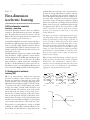
3.0 First-dimension isoelectric
focusing—overview
Amersham Pharmacia Biotech offers two different
systems for the first-dimension separation: the Multiphor II system with associated accessories, and the
IPGphor Isoelectric Focusing System. A comparison of
these two systems is given in section 1.2.
A useful first-dimension separation requires selecting a
first-dimension pH range appropriate for the sample as
well as a suitable sample application method. Choice
of immobilized pH gradient is discussed in section 3.2.
Sample application methods and their selection are
discussed in section 3.3.
The first-dimension separation procedure involves IPG
strip rehydration, sample application, and isoelectric
focusing. Preparation of the IPG strip rehydration solution is described in section 3.4. The protocols for IPG
strip rehydration, sample application, and IEF are
specific to the first-dimension system used and are
described in section 3.5 for the Multiphor II system, and
section 3.6 for the IPGphor Isoelectric Focusing System.
I S O E L E C T R I C
gradient where its net charge is zero. A protein with a
positive net charge will migrate toward the cathode,
becoming progressively less positively charged as it
moves through the pH gradient until it reaches its pI.
A protein with a negative net charge will migrate
toward the anode, becoming less negatively charged
until it also reaches zero net charge. If a protein should
diffuse away from its pI, it immediately gains charge
and migrates back. This is the focusing effect of IEF,
which concentrates proteins at their pIs and allows
proteins to be separated on the basis of very small
charge differences.
The degree of resolution is determined by the slope of
the pH gradient and the electric field strength. IEF is
therefore performed at high voltages (typically in
excess of 1,000 V). When the proteins have reached
their final positions in the pH gradient, there is very
little ionic movement in the system, resulting in a very
low final current (typically below 1 mA). IEF of a given
sample in a given electrophoresis system is generally
performed for a constant number of volt-hours. (Volthours is the product of the voltage and the hours
elapsed at that voltage.)
IEF performed under denaturing conditions gives the
highest resolution and the cleanest results. Complete
denaturation and solubilization achieved with a
mixture of urea and detergent ensure that each protein
is present in only one configuration and minimizes
aggregation and intermolecular interaction.
3.1 Background to isoelectric
focusing (IEF)
IEF is an electrophoretic method that separates
proteins according to their isoelectric points (pI).
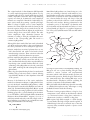
Proteins are amphoteric molecules; they carry either
positive, negative, or zero net charge, depending on the
pH of their surroundings (see Figure 7). The net charge
of a protein is the sum of all the negative and positive
charges of its amino acid side chains and amino- and
carboxyl- termini. The isoelectric point is the specific
pH at which the net charge of the protein is zero.
Proteins are positively charged at pH values below
their pI and negatively charged at pH values above
their pI. If the net charge of a protein is plotted versus
the pH of its environment (see Figure 7), the resulting
curve intersects the abscissa at the isoelectric point.
The presence of a pH gradient is critical to the IEF
technique. In a pH gradient, under the influence of an
electric field, a protein will move to the position in the
1 4
|
U S I N G
I M M O B I L I Z E D
P H
G R A D I E N T S
F O C U S I N G
COO
COOH
COO
NH 3
NH 3
NH 2
COOH
COO
COO
NH 3
NH 3
pH < pl
NH 2
pH = pl
pH<pI
pH > pl
pH<pI
pH<pI
Net Charge
+3
+2
Isoelectric point (pl)
+1
0
3
-1
-2
-3
Figure 7
4
5
6
7
8
9
10
11 pH
P A R T
I I .
F I R S T - D I M E N S I O N
The original method for first-dimension IEF depended
on carrier ampholyte-generated pH gradients in polyacrylamide tube gels [1,2]. Carrier ampholytes are small,
soluble, amphoteric molecules with a high buffering
capacity near their pI. Commercial carrier ampholyte
mixtures are comprised of hundreds of individual polymeric species with pIs spanning a specific pH range.
When a voltage is applied across a carrier ampholyte
mixture, the carrier ampholytes with the lowest pI (and
the most negative charge) move toward the anode, and
the carrier ampholytes with the highest pI (and the most
positive charge) move toward the cathode. The other
carrier ampholytes align themselves between the
extremes, according to their pIs, and buffer their environment to the corresponding pHs. The result is a
continuous pH gradient.
I S O E L E C T R I C
Immobilized pH gradients are formed using two solutions, one containing a relatively acidic mixture of acrylamido buffers and the other containing a relatively basic
mixture. The concentrations of the various buffers in the
two solutions define the range and shape of the pH
gradient produced. Both solutions contain acrylamide
monomers and catalysts. During polymerization the
acrylamide portion of the buffers copolymerize with
the acrylamide and bisacrylamide monomers to form a
polyacrylamide gel. Figure 8 is a graphical representation of the polyacrylamide matrix with attached buffering groups.
R
N
H
Although this basic method has been used in hundreds
of 2-D electrophoresis studies, it has several limitations
that have prevented its more widespread application:
■
Carrier ampholytes are mixed polymers that are not
well characterized and suffer from batch-to-batch
manufacturing variations. These variations reduce the
reproducibility of the first-dimension separation.
■
Carrier ampholyte pH gradients are unstable and have
a tendency to drift, usually toward the cathode, over
time. Gradient drift adversely affects reproducibility by
introducing a time variable. Gradient drift also causes
a flattening of the pH gradient at each end, particularly
above pH 9, rendering the 2-D technique less useful at
pH extremes.
■
The soft polyacrylamide tube gels have low mechanical
stability. The gel rods may stretch or break, affecting
reproducibility. Results are often dependent on the skill
of the operator.
Because of the limitations of the carrier ampholytes
method, an alternative technique for pH gradient formation was developed: immobilized pH gradients, or IPG.
This technique was introduced by Bjellqvist and others in
1982 [58]. An immobilized pH gradient (IPG) is created
by covalently incorporating a gradient of acidic and basic
buffering groups into a polyacrylamide gel at the time it
is cast. The buffers, called acrylamido buffers (Amersham
Pharmacia Biotech Immobiline® reagents), are a set of
well-characterized molecules, each with a single acidic or
basic buffering group linked to an acrylamide monomer.
Their general structure is the following:
CH 2 = CH–C–NH–R
||
O
F O C U S I N G
R
NH
R
C
O
R
C
O
O
NH
R
O
R
Figure 8
For improved performance and simplified handling, the
IPG gel is cast onto a plastic backing. The gel is then
washed to remove catalysts and unpolymerized
monomers, which could otherwise modify proteins and
interfere with separation. Finally the gel is dried and cut
into 3-mm-wide strips. The resulting IPG strips can be
rehydrated with a rehydration solution containing the
necessary components for first-dimension IEF.
IEF is performed with the IPG strips placed horizontally
on a flatbed electrophoresis unit. Advantages to using
the flatbed format include the following:
■
Isoelectric focusing requires efficient cooling for close
temperature control, which can be effectively achieved
on a horizontal ceramic cooling plate connected to a
thermostatic circulator or a Peltier cooling plate.
■
IEF requires high field strengths to obtain sharply
focused bands, thus high voltages must be applied. A
flatbed design is the most economical way to meet the
necessary safety standards required to operate at such
high voltages.
R = weakly acidic or basic buffering group
2 - D
E L E C T R O P H O R E S I S
|
1 5
P A R T
I I .
F I R S T - D I M E N S I O N
A. Görg et al. [3,4] pioneered the development and use of
IPG strips for the first dimension of 2-D electrophoresis.
The protocols presented in this manual are largely based
on the work of A. Görg and her colleagues. The IPG strips
are rehydrated in a solution containing the necessary
additives and, optionally, the sample proteins. (The rehydration solution is described in detail in section 3.4.) IEF
is performed by gradually increasing the voltage across
the IPG strips to at least 3,500 V and maintaining this voltage for at least several thousand volt-hours. After IEF the
IPG strips are equilibrated in equilibration solution and
applied onto flatbed or vertical SDS-polyacrylamide gels.
When IPG strips are used for the first-dimension separation, the resultant 2-D maps are superior in terms of
resolution and reproducibility. IPG strips are a marked
improvement over the tube gels with carrier ampholytegenerated pH gradients:
■
The first-dimension separation is more reproducible
because the covalently fixed gradient cannot drift.
■
The plastic-backed IPG strips are easy to handle. They
can be picked up at either end with forceps or gloved
fingers.
■
The plastic support film prevents the gels from stretching or breaking.
■
IPG technology increases the useful pH range on any
single IPG strip; more very acidic and basic proteins
can be separated.
■
The IPG strips have a higher loading capacity for
protein [59].
■
The sample can be introduced into the IPG strip during
rehydration [60,61].
■
Precast Immobiline DryStrip gels are available from
Amersham Pharmacia Biotech. These ready-made dry
IPG strips eliminate the need to handle toxic acrylamide monomers, preparation time and effort are
significantly reduced, and reproducibility of the pH
gradient is assured.
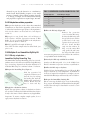
3.2 Immobilized pH gradient selection
Ready-made IPG strips, Immobiline DryStrip gels, are
available from Amersham Pharmacia Biotech with the
pH gradients 4–7 L (linear), 6–11 L (linear), 3–10 L
(linear), and 3–10 NL (non-linear). Available strip
lengths are 7, 11, 13, and 18 cm. The pH 3–10 L IPG
strips have a linear pH gradient between pH 3 and
pH 10. The pH 3–10 NL IPG strips have a roughly
sigmoidal gradient that gives improved resolution
between pH 5 and pH 7.
1 6
|
U S I N G
I M M O B I L I Z E D
P H
G R A D I E N T S
I S O E L E C T R I C
F O C U S I N G
If a specialized pH gradient is required, recipes for
preparing custom narrow and wide immobilized pH
gradients are given in [62].
A pH 3–10 IPG strip will display the widest range of
proteins on a single 2-D gel. The narrower pH ranges
are used for higher resolution separations in a particular pH range.
3.3 Sample application method selection
Sample can be applied either by including it in the rehydration solution or by applying it directly to the
rehydrated IPG strip via sample cups or sample wells.
It is usually preferable to load the sample onto the IPG
strip by including the sample in the rehydration solution
(see section 3.4). Advantages to this mode of application
include the following:
■
This method allows larger quantities of protein to be
loaded and separated [60,61].
■
This method allows more dilute samples to be loaded.
■
Because there is no discrete application point, this
method eliminates the formation of precipitates at the
application point that often occur when loading with
sample cups.
■
This method is technically simpler, avoiding problems
of leakage that can occur when using sample cups.
There are, however, cases when one might prefer to
load the sample following rehydration, immediately
prior to IEF:
■
If proteolysis or other protein modifications are a
concern, overnight rehydration with sample may not
be desired.
■
Better results are often obtained on pH 6–11 L IPG
strips when the sample is loaded anodically in a sample
cup or sample well.
Guidelines for sample application after rehydration
using the Multiphor II and Immobiline DryStrip Kit
system are given in section 3.5.2.D. Sample is pipetted
into sample cups precisely positioned on the surface of
the IPG gels. Up to 100 µl per strip can be applied
through the sample cups.
IPGphor system guidelines for sample application after
rehydration are given in section 3.6.3. Sample is pipetted
into sample application wells located at each end of the
strip holder. Up to 7.5 µl of sample solution can be added
to each side (i.e., 15 µl per well or 30 µl total if both sides
of both wells are used).
P A R T
I I .
F I R S T - D I M E N S I O N
3.4 IPG strip rehydration solution
IPG strips must be rehydrated prior to IEF. The IPG
strips are rehydrated in the Immobiline DryStrip
Reswelling Tray if the Multiphor II system is used for
IEF, or in IPGphor strip holders, if the IPGphor is used.
Rehydration solution, which may or may not include the
sample, is applied to the reservoir slots of the Reswelling
Tray or the IPGphor strip holders, then the IPG strips
are soaked individually. Rehydrated strips are 3 mm
wide and approximately 0.5 mm thick.
3.4.1 Components of the rehydration solution
Selection of the optimal rehydration solution will
depend on the specific protein solubility requirements of
the sample. A typical solution generally contains urea,
non-ionic or zwitterionic detergent, dithiothreitol
(DTT), IPG Buffer (Amersham Pharmacia Biotech)
appropriate to the pH range of the IPG strip, and dye.
The sample may also be included. The role of each
component is described below, as well as the recommended concentration range.
t Urea
solubilizes and denatures proteins, unfolding
them to expose internal ionizable amino acids.
Commonly 8 M urea is used, but the concentration
can be increased to 9 or 9.8 M if necessary for
complete sample solubilization. It has recently been
reported that using thiourea in addition to urea
further improves solubilization, particularly of
membrane proteins [9,13,51–53].
I S O E L E C T R I C
impurities may result in artifacts [56]. It has recently
been reported that the non-thiol reductant tributyl
phosphine can be used in first-dimension IEF [57].
Add the reductant just prior to use.
tIPG
Buffer (carrier ampholyte mixture) can improve
separations and sample solubility, particularly with
high sample loads. IPG Buffers for each pH range are
a mixture of carrier ampholytes that enhances sample
solubility and produces more-uniform conductivity
across the pH gradient during IEF without affecting
the shape of the gradient. IPG Buffers are also specially
formulated not to interfere with silver staining. Table
9 lists the recommended final concentration of IPG
Buffer for the rehydration solution.
t The
recommended IPG Buffer concentration for the
IPGphor system is 0.5%, but up to 2% can be added
if sample solubilization remains a problem.
t Note:
Concentrations at the upper end of the recommended range may increase the time required for the
voltage to reach its maximum setting during IEF,
which can increase the time required for complete
focusing.
t IPG
Buffer can be included in the stock rehydration
solution or added just prior to use. (IPG Buffer is
included in the stock solution when multiple IPG
strips of the same pH range will be used. IPG Buffer is
added just prior to use to single aliquots of the stock
solution when the same stock solution will be used
with different pH range IPG strips.) See section 3.4.2.
t Detergent
t Tracking
t Reductant
t Sample
solubilizes hydrophobic proteins and minimizes protein aggregation. The detergent must have
zero net charge—use only non-ionic and zwitterionic
detergents. CHAPS, Triton X-100, or NP-40 in a
concentration of 0.5 to 4% are most commonly used.
cleaves disulphide bonds to allow proteins
to unfold completely. DTT or DTE (20 to 100 mM) is
commonly used. 2-Mercaptoethanol can be used
instead, but higher concentrations are required, and
F O C U S I N G
dye (bromophenol blue) provides a monitor
for IEF progress at the beginning of the protocol. If the
tracking dye does not migrate toward the anode, no
current is flowing. Note, however, that the dye leaves
the strip well before the sample is focused!
can be applied by including it in the rehydration solution. Up to 1 mg of sample per strip can be
diluted into or redissolved in rehydration solution just
prior to IEF. The amount of sample required is
TABLE 9. ADDITION OF IPG BUFFER TO THE REHYDRATION SOLUTION
Suggested carrier ampholytes
for rehydration solution
IEF system
pH range of IPG strip
Recommended concentration
Multiphor II
4–7 L, 3–10 L or 3–10 NL
IPG Buffer with pH range
identical to that of IPG strip
2% IPG Buffer (50 µl per 2.5 ml)
Multiphor II
6–11 L
pH 6–11 L IPG Buffer
0.5% IPG Buffer (12.5 µl per 2.5 ml)
IPGphor
4–7 L, 3–10 L, 3–10 NL, or 6–11 L
IPG Buffer with pH range identical
to that of IPG strip
0.5% IPG Buffer (12.5 µl per 2.5 ml)
2 - D
E L E C T R O P H O R E S I S
|
1 7
P A R T
I I .
F I R S T - D I M E N S I O N
dictated in part by the detection or visualization
method used. Radiolabeling requires a very small
amount of sample, silver staining requires typically
1 to 100 µg of sample, and Coomassie blue staining
and preparative applications require larger amounts.
I S O E L E C T R I C
TABLE 10. REHYDRATION SOLUTION VOLUME PER IPG STRIP
IPG strip length (cm)
7
11
13
18
3.4.2 Rehydration solution preparation
A Prepare the rehydration stock solution. Recommended
formulations are listed in the Appendix, solutions B and
C. (Select the formulation appropriate to the experiment.)
Note: Stock solution can be stored in 2.5 ml aliquots
at –20 °C.
B Just prior to use, slowly thaw a 2.5 ml aliquot of
stock solution. Add the appropriate amount of IPG
Buffer, if it is not already included in the rehydration
stock solution. (Refer to Table 9).
C Add 7 mg DTT and sample (if desired).
Note: DTT and the sample must be added fresh, just
prior to use.
3.5 Multiphor II and Immobiline DryStrip Kit
3.5.1 IPG strip rehydration —
Immobiline DryStrip Reswelling Tray
The Immobiline DryStrip Reswelling Tray has 12 independent reservoir slots that can each hold a single IPG strip
up to 18 cm long. Separate slots allow the rehydration of
individual IPG strips in a minimal volume of solution.
A Prepare the Reswelling Tray (Figure 9).
Slide the protective lid
completely off the tray and
level the tray by turning
the leveling feet until the
bubble in the spirit level is
centred. Ensure that the
tray is clean and dry.
Figure 9
B Apply the rehydration solution.
Pipette the appropriate volume of rehydration solution
into each slot as indicated in Table 10. Deliver the solution
slowly to the center of the slot. Remove any large bubbles.
Important: To ensure complete sample uptake, do not
apply excess rehydration solution.
1 8
|
U S I N G
I M M O B I L I Z E D
P H
G R A D I E N T S
F O C U S I N G
1
Total volume per strip1 (µl)
125
200
250
350
Including sample, if applied.
C Place the IPG strip (Figure 10).
Remove the protective
cover from the IPG strip.
Position the IPG strip with
the gel side down and the
pointed end of the strip
against the sloped end of
the slot. Lower the IPG
strip onto the solution. To
help coat the entire IPG
Figure 10
strip, gently lift and lower
the strip and slide it back
and forth along the surface of the solution. Be careful not
to trap bubbles under the IPG strip.
D Overlay the IPG strip with IPG Cover Fluid.
Overlay each IPG strip with 1.5 to 3 ml of IPG Cover
Fluid to minimize evaporation and urea crystallization.
E Allow the IPG strip to rehydrate.
Slide the lid onto the Reswelling Tray and allow the IPG
strips to rehydrate at room temperature. A minimum of
10 hours is required for rehydration; overnight is recommended. If the IPG strips swell unevenly, refer to Table 11.
F Prepare the Immobiline DryStrip Kit.
Before removing the IPG strips from the Reswelling
Tray, prepare the Multiphor II Immobiline DryStrip Kit
and the electrode strips as described in sections 3.5.2.A
and 3.5.2.B.
P A R T
I I .
F I R S T - D I M E N S I O N
I S O E L E C T R I C
F O C U S I N G
TABLE 11. TROUBLESHOOTING IPG STRIP REHYDRATION IN RESWELLING TRAY
Symptom
Possible cause
Uneven swelling of strips
Note: It is normal for the basic end to swell faster than the
acidic end.
Remedy
Dehydrated IPG strips were stored at or above room temperature
for too long.
Do not allow dry IPG strips to sit at room temperature for longer
than 10 minutes. Strips will pick up moisture from the air. Store
IPG strips well sealed at temperatures below –20 °C.
Incorrect volume of rehydration solution used.
Make sure the correct amount of solution is added to the slot in
the Reswelling Tray.
The rehydration time is too short.
Rehydrate the IPG strips for at least 10 hours.
3.5.2 Preparing for IEF
The components of the 2-D Immobiline DryStrip Kit
include a tray and electrode holder, anode and cathode
electrodes, a DryStrip aligner, a sample cup bar, and
sample cups.
Procedures A and B below should be completed before
the IPG strips are removed from the Reswelling Tray.
A. Prepare the Immobiline DryStrip Kit
A Clean all components of the Immobiline DryStrip Kit.
The Immobiline DryStrip tray, DryStrip aligner, electrodes, sample cup bar, and sample cups must be clean
and ready for use. Clean with detergent, rinse thoroughly
with distilled water, and allow to dry.
Connect the red and black electrode leads on the tray to
the Multiphor II unit.
E Place the DryStrip aligner.
Pour about 15 ml of IPG Cover Fluid into the Immobiline DryStrip tray. Place the DryStrip aligner, 13-grooveside up, into the tray on top of the IPG Cover Fluid. The
presence of air bubbles between the strip positions under
the DryStrip aligner will not affect the experiment. Avoid
getting IPG Cover Fluid on top of the aligner at this
point, as it interferes with visualization of the grooves.
B. Prepare electrode strips
A Cut electrode strips to size.
Cut two IEF electrode strips to a length of 110 mm.
B Confirm electrical connections on Multiphor II.
B Soak electrode strips with distilled water.
Check that the red bridging cable in the Multiphor II
unit is connected.
C Establish cooling.
Place the electrode strips on a clean flat surface such as a
glass plate. Soak each electrode strip with 0.5 ml distilled
water. Blot with filter paper to remove excess water.
Set the temperature on MultiTemp III Thermostatic
Circulator to 20 °C.
Important: Electrode strips must be damp, not wet.
Excess water may cause streaking.
Position the cooling plate on the Multiphor II unit and
ensure that the surface is level.
Note: Steps A and B above should be completed before
proceeding.
Turn on MultiTemp III Thermostatic Circulator.
C. Prepare for electrophoresis
D Position the Immobiline DryStrip tray.
A Remove the rehydrated IPG strip from the
Reswelling Tray.
Pipette approximately 10 ml of IPG Cover Fluid onto
the cooling plate. Position the Immobiline DryStrip tray
on the cooling plate so the red (anodic) electrode
connection of the tray is positioned at the top of the
plate near the cooling tubes. Remove any large bubbles
between the tray and the cooling plate; small bubbles
can be ignored. The IPG Cover Fluid at this point serves
to ensure good thermal contact between the cooling
plate and the tray.
To remove an IPG strip from its slot in the Reswelling
Tray, slide the tip of a pair of forceps along the sloped
end of the slot and into the slight depression under the
IPG strip. Grab the end of the strip with the forceps and
lift the strip out of the tray.
2 - D
E L E C T R O P H O R E S I S
|
1 9
P A R T
I I .
F I R S T - D I M E N S I O N
I S O E L E C T R I C
F O C U S I N G
B Rinse the IPG strip with deionized water.
D. Optional: Apply sample after gel rehydration
Hold the IPG strip with the forceps and rinse briefly in a
stream of deionized water delivered from a squeeze bottle.
This rinse will remove excess rehydration solution and
thus prevent formation of urea crystals on the gel surface
during IEF. Place the IPG strip on its edge on a damp filter
paper for several seconds to drain excess moisture. Avoid
contact between the gel surface and the filter paper.
If the sample was not applied by means of the rehydration solution, it can be applied using the sample cups,
immediately prior to isoelectric focusing. When sample
cups are used, the sample load limits are lower and more
specific. Guidelines on suitable sample loads for different
gradients and IPG strips are given in Table 12. These
values should be regarded as only a general guide. Suitable sample load will vary greatly among samples and
with the sensitivity of the staining method used.
C Position the IPG strip in the DryStrip aligner (Fig. 11).
Immediately transfer the rehydrated
IPG strips to adjacent grooves of
the aligner in the
Immobiline DryStrip
tray. Place the strips
with the pointed
Figure 11
(acidic) end at the
top of the tray near
the red electrode (anode). The blunt end should be at the
bottom of the tray near the black electrode (cathode).
Align the IPG strips so that the anodic gel edges are
lined up.
D Place the electrode strips.
Place the moistened electrode strips across the cathodic
and anodic ends of the aligned IPG strips. The electrode
strips must at least partially contact the gel surface of
each IPG strip.
TABLE 12. SUITABLE SAMPLE LOADS WITH SAMPLE CUPS
Immobiline DryStrip
7 cm
7 cm
7 cm
11 cm
11 cm
11 cm
13 cm
13 cm
13 cm
18 cm
18 cm
18 cm
Suitable sample load (µg of protein)
pH 4–7 L
pH 6–11 L
pH 3–10 L and pH 3–10 NL
pH 4–7 L
pH 6–11 L
pH 3–10 L
pH 4–7 L
pH 6–11 L
pH 3–10 L and pH 3–10 NL
pH 4–7 L
pH 6–11 L
pH 3–10 L and pH 3–10 NL
4–8
8–16
2–4
10–20
20–40
4–8
15–30
30–60
8–15
30–60
60–120
15–30
A Prepare the sample.
Prepare the sample in a solution similar in composition
to the rehydration solution used.
E Position the electrodes (Figure 12).
B Determine the point of sample application.
Each electrode has
a side marked red
(anode) or black
(cathode).
Align
each electrode over
an electrode strip,
ensuring that the
marked side correFigure 12
sponds to the side
of the tray giving
electrical contact. When the electrodes are properly
aligned, press them down to contact the electrode strips.
Check that the IPG strips are still aligned in their grooves.
The optimal application point depends on the characteristics of the sample. When the proteins of interest
have acidic pIs or when SDS has been used in sample
preparation, sample application near the cathode is
recommended. Anodic sample application is necessary
with pH 6–11 gradients and preferred when pH 3–10
gradients are used. The optimal application point can
vary with the nature of the sample. Empirical determination of the optimal application point is best.
2 0
|
U S I N G
I M M O B I L I Z E D
P H
G R A D I E N T S
C Position the sample cup bar.
Place sample cups on the sample cup bar, high enough on
the bar to avoid touching the gel surface. Position the
sample cup bar so that the sample cups are a few millimeters away from the cathodic or anodic electrode, depending on your sample. The sample cups must face the
electrode. The sample cup bar has a spacer on one side.
Slide the sample cup bar toward the anode/cathode until
the spacer just touches the anodic/cathodic electrode.
P A R T
I I .
F I R S T - D I M E N S I O N
D Press the sample cups against the IPG strips (Fig. 13).
Figure 13
Move the sample cups into
position, one sample cup
above each IPG strip, and
press the sample cups down
to ensure good contact with
each IPG strip. This is
perhaps the most critical
part of the setup. Check
that the strips are in their
correct, straight position in
the DryStrip aligner.
I S O E L E C T R I C
F O C U S I N G
■
Apply the sample in dilute solutions (60 to 100 µg
protein per 100 µl).
■
Limit the voltage to 10 to 30 V/cm for the initial 1 to
2 hours of focusing.
■
Add Ultrodex™ resin to the sample [4].
For micropreparative applications, larger sample loads
can be applied via sample cups:
■
Load the sample cup repeatedly during IEF.
■
Apply the sample at both the acidic and the basic ends
(using two sample cup bars).
3.5.3 Isoelectric focusing guidelines
E Apply IPG Cover Fluid.
Once the sample cups are properly positioned, pour 70
to 80 ml of IPG Cover Fluid into the tray to completely
cover the IPG strips. If the IPG Cover Fluid leaks into
the sample cups correct the position of the sample cups,
remove the fluid from the cups with a pipette, and check
for leakage again. Add approximately 150 ml of additional IPG Cover Fluid to cover the sample cups. The
IPG strips are submerged under a layer of IPG Cover
Fluid to prevent drying of the IPG strip, precipitation of
the components of the rehydration solution, and diffusion of gasses into the IPG strip.
F Apply the sample (Figure 14).
Figure 14
Apply sample (up to
100 µl per IPG strip)
into the sample cups
by pipetting under
the surface of the
IPG Cover Fluid.
The sample should
sink to the bottom
of the cup. Watch
for leakage.
Note: As mentioned in section 3.3, when sample is
applied via sample cups, precipitates can form at the
application point and the amount of protein that can be
loaded is less than if the sample had been included in the
rehydration solution. These limitations can sometimes
be minimized with the following suggestions.
IEF in the Multiphor II system is conducted at very high
voltages (up to 3,500 V) and very low currents (typically
less than 1 mA) due to the low ionic strength within IPG
strips. During IEF the current decreases while the voltage
increases as proteins and other charged components
migrate to their equilibrium positions. A typical IEF
protocol generally proceeds through a series of voltage
steps that begins at a relatively low value. Voltage is then
gradually increased to the final desired focusing voltage,
which is held for up to several hours. A low initial voltage
minimizes sample aggregation and allows the parallel
separation of samples with differing salt concentrations.
A gradual increase in voltage is particularly advised for
higher protein loads (100 µg or more per IPG strip).
Many factors affect the amount of time required for
complete focusing, and each specific set of conditions
(e.g., sample and rehydration solution composition, IPG
strip length, and pH gradient) will require an empirical
determination for optimal results. An approximate time
is given in the example protocols provided in Table 13.
One factor that increases required focusing time is the
presence of small ions, which must move to the ends of
the IPG strips before protein focusing can occur. Larger
quantities of protein also require more time to focus.
Note: Over-focusing is seldom a problem below 100,000
total volt-hours, but on longer runs it may contribute to
horizontal streaking, visible in the 2-D result. (See also
section 6.0, “Troubleshooting 2-D results.”)
Protein precipitation and aggregation at the application
point can sometimes be avoided:
■
The sample should contain urea, non-ionic detergents,
and IPG buffer or carrier ampholytes.
2 - D
E L E C T R O P H O R E S I S
|
2 1
P A R T
I I .
F I R S T - D I M E N S I O N
3.5.4 Protocol examples—Multiphor II
The protocols given in Table 13 are suitable for firstdimension isoelectric focusing of protein samples in typical analytical quantities with IPG Buffer concentrations
of 0.5 to 2% in the rehydration solution. Optimal focusing time will vary with the nature of the sample, the
amount of protein, and how the sample is applied.
For higher protein loads (up to 1 mg or more), the final
focusing step of each protocol can be extended up to
100,000 volt-hours (Vh) if necessary.
Note: Sample application onto pH 6–11 L IPG strips by
inclusion in the rehydration solution significantly
prolongs the time required for complete focusing.
I S O E L E C T R I C
F O C U S I N G
Increase the recommended volt-hours in the final phase
of the program by 6- to 10-fold for 7-cm-long IPG strips,
5- to 8-fold for 11-cm-long IPG strips, and 5- to 7-fold
for 13- and 18- cm-long IPG strips.
3.5.5 Running a protocol
Ensure that the electrodes on the Immobiline DryStrip
tray are connected and place the lid on the Multiphor II
unit. Connect the leads on the lid to the power supply.
Ensure that the current check on the EPS 3501 XL power
supply is switched off. Begin IEF.
As isoelectric focusing proceeds, the bromophenol blue
tracking dye migrates toward the anode. Note that the
TABLE 13. IMMOBILINE DRYSTRIP IEF GUIDELINES FOR MULTIPHOR II
Program EPS 3501 XL power supply in gradient mode with current check option turned off. IPG strip is rehydrated with a solution containing IPG Buffer of the corresponding pH range.
Immobiline DryStrip
length
7 cm
pH range(s)
pH 4–7 L
7 cm
Phase
Voltage (V)
Current (mA) Power (W)
Duration (h:min)
Vh (recommended)
1
2
3
Total
200
35001
3500
2
2
2
5
5
5
0:01
1:30
0:55–1:30
2:25–3:00
1
2800
3200–5200
6000–8000
pH 6–11 L,2 pH 3–10 L, and pH 3–10 NL
1
2
3
Total
200
35001
3500
2
2
2
5
5
5
0:01
1:30
0:35–1:05
2:05–2:35
1
2800
2200–3700
5000–6500
11 cm
pH 4–7 L
1
2
3
Total
300
35001
3500
2
2
2
5
5
5
0:01
1:30
2:20–3:30
3:50–5:00
1
2900
8100–12100
11000–15000
11 cm
pH 6–11 L,2 and pH 3–10 L
1
2
3
Total
300
35001
3500
2
2
2
5
5
5
0:01
1:30
1:45–2:35
3:15–4:05
1
2900
6100–9100
9000–12000
13 cm
pH 4–7 L
1
2
3
Total
300
35001
3500
2
2
2
5
5
5
0:01
1:30
3:45–4:20
5:15–5:50
1
2900
13100–18100
16000–21000
13 cm
pH 6–11 L,2 pH 3–10 L, and pH 3–10 NL
1
2
3
Total
300
35001
3500
2
2
2
5
5
5
0:01
1:30
3:10–4:00
4:40–5:30
1
2900
11100–14100
14000–17000
18 cm
pH 4–7 L
1
2
3
Total
500
35001
3500
2
2
2
5
5
5
0:01
1:30
5:40–7:40
7:10–9:10
1
3000
20000–27000
23000–30000
18 cm
pH 6–11 L,2 pH 3–10 L, and pH 3–10 NL
1
2
3
Total
500
35001
3500
2
2
2
5
5
5
0:01
1:30
4:50–6:20
6:20–7:50
1
3000
17000–22000
20000–25000
1
2
During phase 2, the voltage will rise from the voltage set for phase 1 to 3500 V. The voltage will remain at 3500 V throughout phase 3.
When applying sample onto pH 6–11 L IPG strips by inclusion in the rehydration, solution more time is required for complete focusing. Increase the recommended volt-hours (Vh) in the final phase of the
program by 6– to 10–fold for 7-cm-long IPG strips, 5– to 8–fold for 11-cm-long IPG strips, and 5– to 7–fold for 13- and 18-cm-long IPG strips.
2 2
|
U S I N G
I M M O B I L I Z E D
P H
G R A D I E N T S
P A R T
I I .
F I R S T - D I M E N S I O N
I S O E L E C T R I C
F O C U S I N G
dye front leaves the IPG strip well before focusing is
complete, so clearing of the dye is no indication that the
sample is focused. If the dye does not migrate, no current
is flowing. If this occurs, check the contact between the
electrodes and the electrode strips.
screw-cap tubes. The 7 cm strips fit in disposable,
15 ml conical tubes; 11-, 13-, and 18 cm strips fit in
25 × 200 mm screw-cap culture tubes.
After IEF proceed to the second-dimension separation
immediately or store the IPG strips at –40 to –80 ºC in
Table 14 lists possible problems that could be encountered during IEF and how to solve them.
3.5.6 Troubleshooting
TABLE 14. TROUBLESHOOTING FIRST-DIMENSION IEF: MULTIPHOR II AND IMMOBILINE DRYSTRIP KIT
Symptom
Possible cause
Remedy
Sample cups leak
Incorrect handling and placement of sample cups.
Sample cups are fragile and should not be taken on and off the
application bar too many times.
Make sure the sample cups are aligned with the IPG strips.
Make sure the bottom of the sample cups are flat against the gel surface
of the IPG strips. (See Figure 13.)
Note: Leaks can often be detected prior to sample application:
• Observe the IPG Cover Fluid when it is poured into the Immobiline DryStrip
Kit tray. If it leaks in through the bottom of the sample cups, reposition
the cups, remove the fluid with a pipette, and check for leakage again.
• An optional check for leakage is to add 0.01% bromophenol blue dye
solution to the cups. If the dye leaks out of a cup, the cup must be
repositioned to eliminate the leak. (Important: The leak detection dye
must be removed from the sample cup before loading the sample.)
Low current
No current at start of run
Sample dye does not move
out of the sample cup
Sparking or burning
of IPG strips
This is normal for IPG gels. The gels have very low conductivity.
Usually, IPG IEF starts close to 1 mA and drops into the µA range.
This depends on the number of IPG strips in the instrument.
Power supply cannot detect the low µA range current and shuts off.
Make sure that the low-current shut-off has been bypassed (see power
supply instructions). IPG IEF may start in a current range that is not
detectable by the power supply.
IPG Buffer omitted from rehydration solution.
Always include IPG Buffer in the rehydration solution.
No electrode contact or lack of electrical continuity.
Check to make sure that all Multiphor II contacts are in place. Make sure
that the metal band within the electrode contacts the metal band along
the side of the Immobiline DryStrip tray. Note that the metal band within
the electrode is only on the end marked with the red or black circle. Ensure
that the bridging cable under the cooling plate is properly installed.
IPG strip is improperly rehydrated.
Ensure that the IPG strip is rehydrated along its entire length.
The high-voltage lead from the electrophoresis unit is not plugged into
the power supply correctly.
Ensure that the plugs on the high-voltage leads fit securely into the output
jacks on the power supply. Use the appropriate adapter if necessary.
It is normal for several hours to elapse before the sample dye leaves the
sample cups.
The sample cups were pressed down so hard against the gel that they
pushed through the gel to rest against the plastic backing. This blocks
the current and physically prevents the protein from entering the IPG strip.
Replace IPG strip and reapply sample cup.
The ionic strength of the sample is higher than that of the gel. As a result,
the field strength in the sample zone is inadequate to move the protein out
of the sample zone at an appreciable rate. Movement may stop all together.
Dilute the sample as much as possible or, just prior to loading, dialyse the
sample to remove salts.
Conductivity of the sample/IPG strips is too high.
Ensure that the sample is adequately desalted.
Or, before raising the voltage to maximum, include a prolonged low-voltage
phase in the IEF protocol to allow the ions to move to the ends of the IPG strip.
2 - D
E L E C T R O P H O R E S I S
|
2 3
P A R T
I I .
F I R S T - D I M E N S I O N
3.6 IPGphor Isoelectric Focusing System
With the IPGphor Isoelectric Focusing System, both rehydration of the IPG strip and IEF occur in individual strip
holders. Different-length holders are available for the
different-length IPG strips. A strip holder is made of thermally conductive ceramic with built-in platinum electrodes and a transparent lid. The sample can be loaded
by simply including it in the rehydration solution, or the
sample can be loaded separately just prior to IEF. Once
sample is applied to the IPG strip and the strip holder is
in place on the IPGphor unit platform, the remaining
steps are carried out automatically according to the
chosen protocol. Up to 12 strip holders can be used.
I S O E L E C T R I C
F O C U S I N G
C Place the IPG strip (Figures 16 and 17).
Figure 16
3.6.1 IPG strip rehydration—IPGphor strip holder
A Prepare the strip holder(s).
Select the strip holder(s) corresponding to the IPG strip
length chosen for the experiment.
Important: Handle the ceramic holders with care, as
they are brittle.
Wash each holder with detergent to remove residual
protein. Rinse thoroughly with double distilled water.
Use a cotton swab or a lint-free tissue to dry the holder
or allow it to air-dry. Handle clean holders with gloves
to avoid contamination.
Note: The holder must be completely dry before use.
B Apply the rehydration solution (Figure 15).
Pipette the appropriate volume of rehydration solution
into each holder as indicated
in Table 15. Deliver the solution slowly at a central point
in the strip holder channel
away from the sample application wells. Remove any
larger bubbles.
Figure 15
Important: To ensure complete sample uptake, do not
apply excess rehydration solution.
TABLE 15. REHYDRATION SOLUTION VOLUME PER IPG STRIP
IPG strip length (cm)
Total volume per strip1 (µl)
7
11
13
18
125
200
250
350
1
|
U S I N G
I M M O B I L I Z E D
P H
Finally, lower the cathodic
(square) end of the IPG strip into the channel, making
sure that the gel contacts the strip holder electrodes at
each end. (The gel can be visually identified once the
rehydration solution begins to dye the gel.) Be careful
not to trap bubbles under the IPG strip.
D Apply IPG Cover Fluid.
Apply IPG Cover Fluid to minimize evaporation and
urea crystallization. Pipette the fluid dropwise into one
end of the strip holder until one-half of the IPG strip is
covered. Then pipette the fluid dropwise into the other
end of the strip holder, adding fluid until the entire IPG
strip is covered.
E Place the cover on the strip holder.
Pressure blocks on the underside of the cover ensure that
the IPG strip maintains good contact with the electrodes
as the gel swells.
F Allow the IPG strip to rehydrate.
Rehydration can proceed on the bench top or on the
IPGphor unit platform. Ensure that the holder is on a
level surface. A minimum of 10 hours is required for
rehydration; overnight is recommended. The rehydration period can be programmed as the first step of an
IPGphor protocol. This is especially convenient if
temperature control during rehydration is a concern.
3.6.2 Optional: Apply electrode pads
Under certain conditions, such as prolonged focusing,
water may migrate toward one end of the IPG strip,
causing the other end to begin drying out. This effect can
Including sample, if applied.
2 4
Figure 17
Remove the protective cover
from the IPG strip. Position
the IPG strip with the gel side
down and the pointed
(anodic) end of the strip
directed toward the pointed
end of the strip holder.
Pointed end first, lower the
IPG strip onto the solution.
To help coat the entire strip,
gently lift and lower the strip
and slide it back and forth
along the surface of the solution, tilting the strip holder
slightly as needed to ensure
complete and even wetting.
G R A D I E N T S
P A R T
I I .
F I R S T - D I M E N S I O N
be minimized by placing paper electrode pads between
the IPG strip and each strip holder electrode just before
IEF. Electrode pads may also absorb ions that would
otherwise accumulate at the ends of the IPG strip and
possibly interfere with the separation.
A Prepare electrode pads.
Cut two 3-mm-wide electrode pads from a paper IEF
electrode strip. Place on a clean, flat surface such as a
glass plate and soak with deionized water. Remove
excess water by blotting with filter paper.
Important: Electrode pads must be damp, not wet.
B Position electrode pads.
Remove cover from strip holder. Using forceps or tweezers, lift one end of the rehydrated IPG strip. Position an
electrode pad over the electrode, then lower the IPG
strip back into place. Repeat at the other end. Replace
cover on strip holder.
3.6.3 Optional: Apply sample after
gel rehydration
If the sample was not applied as a part of the rehydration solution, it can be applied immediately prior to IEF.
A Prepare sample.
Prepare the sample in a solution similar in composition
to the rehydration solution used.
B Apply sample (Figure 18).
Remove cover from strip
holder. Pipette the sample
into either or both of the
lateral wells at either end of
the strip holder. Introduce
the sample below the IPG
Cover Fluid.
Up to 7.5 µl of sample solution can be added to each
side (i.e., 15 µl per well or 30 µl total if both sides of
both wells are used).
Figure 18
Note: The IPG strip backing is impermeable; do not
apply the sample to the back of the strip.
Replace cover on strip holder.
3.6.4 Isoelectric focusing guidelines
IEF in the IPGphor system is conducted at very high
voltages (up to 8,000 V) and very low currents (typically
less than 50 µA per IPG strip) due to the low ionic
strength within IPG strips. During IEF the current
I S O E L E C T R I C
F O C U S I N G
decreases while the voltage increases as proteins and
other charged components migrate to their equilibrium
positions. A typical IEF protocol generally proceeds
through a series of voltage steps that begins at a relatively low value. Voltage is gradually increased to the
final desired focusing voltage, which is held for up to
several hours. A low initial voltage minimizes sample
aggregation and allows the parallel separation of
samples with differing salt concentrations. A gradual
increase in voltage is particularly advised for higher
protein loads (100 µg or more per IPG strip).
Many factors affect the amount of time required for
complete focusing, and each specific set of conditions
(e.g., sample and rehydration solution composition, IPG
strip length, and pH gradient) requires an empirical
determination for optimal results. An approximate time
is given in the example protocols provided in Table 16.
Factors that increase the required focusing time include
residual ions, which must move to the ends of the IPG
strips before protein focusing can occur; and the presence of IPG Buffers, which contribute to the ionic
strength of the electrophoresis medium. A higher IPG
Buffer concentration increases the conductivity of the
IPG strip, resulting in a lower final voltage when the
system is limited by the maximum current setting.
Longer focusing times may therefore be required at IPG
Buffer concentrations higher than 0.5%.
Results for larger quantities of protein (50 µg to in excess
of 1 mg) and for samples loaded through sample application wells can be improved by an extended focusing time
and a more gradual ramping to the maximum voltage.
Note: Complete focusing requires considerably more
time with pH 6–11 L IPG strips than with the other
pH gradients.
Note: It is generally preferable to program a protocol
on the basis of volt-hours rather than time. At limiting
current, the actual maximum voltage attainable and the
speed at which it is attained can vary depending on
the conductivity of the sample and other components of
the rehydration solution. Because the optimal time for
focusing can vary, programming the protocol based on
volt-hours is preferred because it compensates for
this variability.
Note: Exceeding the current limit of 50 µA per IPG strip
is not recommended, as this may result in excessive heat
generation and may damage the IPG strip and/or strip
holder. Under extreme circumstances, the IPG strip
may burn.
Note: Over-focusing is seldom a problem below 100,000
total volt-hours, but on longer runs it may contribute to
2 - D
E L E C T R O P H O R E S I S
|
2 5
P A R T
I I .
F I R S T - D I M E N S I O N
I S O E L E C T R I C
F O C U S I N G
TABLE 16. IMMOBILINE DRYSTRIP IEF GUIDELINES
FOR IPGPHOR ISOELECTRIC FOCUSING SYSTEM
horizontal streaking, visible in the 2-D result. (See also
section 6.0, “Troubleshooting 2-D results.”)
50 µA per IPG strip
20 °C for both rehydration and IEF
3.6.5 Protocol examples—IPGphor
pH gradients 4–7 L, 3–10 L, and 3–10 NL
7 cm
11 cm
Step duration Volt-hours
(h:min)
(Vh)
Gradient
type
Step
Voltage
1
2
3
4
rehydration2
5002
10002
80002
12:001
0:30
0:30
1:00
250
500
8000
Step-n-hold
Step-n-hold
Step-n-hold
1
2
3
4
rehydration2
5002
10002
80002
12:001
1:00
1:00
2:00
500
1000
16000
Step-n-hold
Step-n-hold
Step-n-hold
1
2
3
4
rehydration2
5002
10002
80002
12:001
1:00
1:00
2:00
500
1000
16000
Step-n-hold
Step-n-hold
Step-n-hold
1
2
3
4
rehydration2
5002
10002
80002
12:001
1:00
1:00
4:00
500
1000
32000
Step-n-hold
Step-n-hold
Step-n-hold
The protocols given in Table 16 are suitable for firstdimension isoelectric focusing of protein samples
suspended in rehydration solution in typical analytical
quantities (1 to 50 µg). The protocols are optimized for
a rehydration solution containing 0.5% IPG Buffer. The
recommended current limit is 50 µA per IPG strip.
Recommended focusing times are given, but the optimal
length of time will depend on the nature of the sample,
the amount of protein, and the method of sample application. Please refer to the IPGphor User Manual for
instructions on how to program a protocol.
3.6.6 Running a protocol
13 cm
18 cm
pH gradient 6–11 L
7 cm
11 cm
13 cm
18 cm
Step duration Volt-hours
(h:min)
(Vh)
Gradient
type
Step
Voltage
1
2
3
4
rehydration2
5002
10002
80002
12:001
0:30
0:30
3:45
250
500
30000
Step-n-hold
Step-n-hold
Step-n-hold
1
2
3
4
rehydration2
5002
10002
80002
12:001
1:00
1:00
7:30
500
1000
60000
Step-n-hold
Step-n-hold
Step-n-hold
1
2
3
4
rehydration2
5002
10002
80002
12:001
1:00
1:00
9:30
500
1000
75000
Step-n-hold
Step-n-hold
Step-n-hold
1
2
3
4
5
rehydration2
5002
10002
80002
80002
12:001
1:00
1:00
12:30
2:30
500
1000
100000
20000
Step-n-hold
Step-n-hold
Step-n-hold
Step-n-hold
The total rehydration time can be adjusted somewhat for convenience, but must be
greater than 10 hours.
2
This voltage may not be reached within the suggested step duration.
1
2 6
|
U S I N G
I M M O B I L I Z E D
P H
G R A D I E N T S
Ensure that the strip holders are properly positioned on
the IPGphor platform. (Use the guidemarks along the
sides of the platform to position each strip holder and
check that the pointed end of the strip holder is over the
anode [pointing to the back of the unit] and the blunt
end is over the cathode. Please refer to the IPGphor User
Manual.) Check that both external electrode contacts on
the underside of each strip holder make metal-to-metal
contact with the platform.
Close the safety lid. At least two of the three pressure
pads under the safety lid must press gently against the
cover of each strip holder to ensure contact between the
electrodes and the electrode areas. Begin IEF.
As isoelectric focusing proceeds, the bromophenol blue
tracking dye migrates toward the anode. Note that the
dye front leaves the IPG strip well before focusing is
complete, so clearing of the dye is no indication that the
sample is focused. If the dye does not migrate, no current
is flowing. If this occurs, check the contact between the
external face of the strip holder electrodes and the electrode areas on the instrument and between the rehydrated gel and the internal face of the electrodes.
Note: It is possible that the programmed maximum voltage will not be reached with the shorter IPG strips or
with samples with high conductivity.
After IEF proceed to the second-dimension separation
immediately or store the IPG strips at –40 to –80 ºC in
screw-cap tubes. The 7 cm strips fit in disposable, 15 ml
conical tubes; 11-, 13-, 18 cm strips fit in 25 × 200 mm
screw-cap culture tubes.
P A R T
I I .
F I R S T - D I M E N S I O N
I S O E L E C T R I C
F O C U S I N G
3.6.7 Troubleshooting
Table 17 lists possible problems that could be encountered during IEF and how to solve them.
TABLE 17. TROUBLESHOOTING FIRST-DIMENSION IEF: IPGPHOR
Symptom
Possible cause
Remedy
Current too low or zero
Electrical continuity is impeded.
Check the external electrode contacts:
The electrodes at the bottom of the strip holder (one at each end) must make metal-tometal contact with the appropriate electrode contact area.
Check the internal electrode contacts:
The gel (which becomes visible because of the dye in the rehydration solution) must
contact both electrodes in the strip holder.
Check that the IPG strip is fully rehydrated along its entire length. Electrical contact at the
electrodes is reduced by incomplete rehydration.
Voltage too low or
does not reach the
maximum set value
The IPGphor protocol settings are incorrect for
the experiment.
Conductivity/ionic strength is too high.
Check that the current limit is properly set.
Check that the actual number of strips on the IPGphor platform equals the number of
strips entered in the protocol.
Prepare the sample to yield a salt concentration less than 10 mM.
The recommended IPG Buffer concentration is 0.5%. A maximum of 2% is advisable only
if sample solubility is a problem.
Sparking or burning
in the strips
Current limit setting is too high.
Do not exceed the maximum recommended setting of 50 µA per IPG strip.
The IPG strip is not fully rehydrated.
Ensure that the IPG strips are rehydrated with a sufficient volume of rehydration solution.
Remove any large bubbles trapped under the IPG strip after placing on rehydration
solution.
Check that the entire IPG strip surface is wetted.
The IPG strip dried during IEF.
Always apply IPG Cover Fluid to prevent dehydration of a rehydrated IPG strip.
2 - D
E L E C T R O P H O R E S I S
|
2 7
P A R T
I I I .
S E C O N D - D I M E N S I O N
Part III
Second-dimension
SDS-PAGE
4.0 Second-dimension SDS-PAGE—overview
After IEF the second-dimension separation can be
performed on various flatbed or vertical systems, depending on factors such as those discussed in section 1.2,
‘Equipment choices.’ SDS-PAGE consists of four steps:
(1) preparing the second-dimension gel, (2) equilibrating
the IPG strip(s) in SDS buffer, (3) placing the equilibrated
IPG strip on the SDS gel, and (4) electrophoresis.
In this guide the equilibration step is described first
because it is a protocol common to both vertical and
flatbed systems. Gel preparation, IPG strip placement,
and electrophoresis protocols, on the other hand, are
specific to the orientation of the gel. Sections 4.3 and 4.4
describe these protocols as they apply to vertical systems
and Multiphor II flatbed systems, respectively. Note
however, that the second-dimension gel must be
prepared before the equilibration step is started.
4.1 Background to SDS-PAGE
SDS-PAGE (SDS-polyacrylamide gel electrophoresis) is
an electrophoretic method for separating polypeptides
according to their molecular weights (MW). The technique is performed in polyacrylamide gels containing
sodium dodecyl sulphate (SDS). The intrinsic electrical
charge of the sample proteins is not a factor in the separation due to the presence of SDS in the sample and the
gel. SDS is an anionic detergent that denatures proteins
by wrapping around the polypeptide backbone in a ratio
of approximately 1.4 grams SDS per gram protein. The
bound SDS masks the charge of the proteins themselves,
forming anionic complexes with constant net negative
charge per unit mass. The SDS also disrupts hydrogen
bonds, blocks hydrophobic interactions, and partially
unfolds the protein molecules, minimizing differences in
molecular form by eliminating the tertiary and secondary
structures. The proteins are totally unfolded when a
reducing agent such as DTT is employed. The disulphide
bonds, which can form between cysteine residues, are
cleaved, and the polypeptides become flexible rods of
negative charges with equal “charge densities,” or charge
per unit length. When proteins are treated with both SDS
and a reducing agent, separations exclusively by molecu2 8
|
U S I N G
I M M O B I L I Z E D
P H
G R A D I E N T S
S D S - P A G E
lar weight are possible. In fact, there is an approximately
linear relationship between the logarithm of the molecular weight and the relative distance of migration of the
SDS-polypeptide micelle. (Note: This linear relationship
is valid only for a certain molecular weight range that is
determined by the polyacrylamide percentage.)
The most commonly used buffer system for seconddimension SDS-PAGE is the tris-glycine system described
by Laemmli [63]. Other buffer systems can be used,
particularly the tris-tricine system of Schägger and von
Jagow [64] for resolution of polypeptides in the size
range below 10 kDa. ExcelGel precast gels for seconddimension SDS-PAGE on the Multiphor II flatbed
system utilize a different tris-tricine buffer system.
4.2 IPG strip equilibration
The equilibration step saturates the IPG strip with the
SDS buffer system required for the second-dimension
separation. The equilibration solution contains buffer,
urea, glycerol, reductant, SDS, and dye. An additional
optional equilibration step replaces the reductant with
iodoacetamide.
4.2.1 Equilibration solution components
Equilibration introduces reagents essential for the
second-dimension separation.
t Equilibration
buffer (50 mM Tris-HCl, pH 8.8) maintains IPG strip pH in a range appropriate for
electrophoresis.
t Urea
(6 M), together with glycerol, reduces the effects
of electroendosmosis by increasing the viscosity of the
buffer [3]. Electroendosmosis is due to the presence of
fixed charges on the IPG strip in the electric field and
can interfere with protein transfer from the IPG strip
to the second-dimension gel.
t Glycerol
(30%), together with urea, reduces electroendosmosis and improves transfer of protein from
the first to the second dimension [3].
t DTT
preserves the fully reduced state of denatured,
unalkylated proteins.
t Sodium
dodecyl sulphate (SDS) denatures proteins
and forms negatively charged protein-SDS complexes.
The amount of SDS bound to a protein, and therefore
the additional negative charge, is directly proportional
to the mass of the protein. Thus, electrophoresis of
proteins through a sieving gel in the presence of SDS
separates proteins on the basis of molecular mass.
P A R T
I I I .
S E C O N D - D I M E N S I O N
t Iodoacetamide
alkylates thiol groups on proteins,
preventing their reoxidation during electrophoresis.
Protein reoxidation during electrophoresis can result
in streaking and other artifacts. Iodoacetamide also
alkylates residual DTT to prevent point streaking and
other silver-staining artifacts [65]. Iodoacetamide is
introduced in a second equilibration step. This step is
optional when SDS-PAGE is performed in a vertical
second-dimension system, but required when SDSPAGE is performed on a flatbed second-dimension
system, especially when the flatbed separation is to be
visualized by silver staining. Equilibration with
iodoacetamide is also used to minimize unwanted
reactions of cysteine residues (i.e., when mass spectroscopy is to be performed on the separated proteins).
t Tracking
dye (bromophenol blue) allows monitoring
of electrophoresis.
4.2.2 Equilibration steps
Note: The second-dimension gel must be ready for use
prior to IPG strip equilibration. See sections 4.3.1 and 4.4.1
for preparation of vertical and horizontal gels, respectively.
A Prepare equilibration solution.
Prepare SDS equilibration buffer (see Appendix, solution D). This is a stock solution. Just prior to use, add
100 mg DTT per 10 ml SDS equilibration buffer.
B Equilibration.
Place the IPG strips in individual tubes with the support
film toward the tube wall (screw-cap culture tubes work
well). Add DTT-containing equilibration solution to
each tube. Suggested volumes are 10 ml for 18 cm IPG
strips, 5–10 ml for 11 cm or 13 cm IPG strips, and
2.5–5 ml for 7 cm IPG strips. Cap the tube or seal it
with flexible paraffin film and place it on its side on a
rocker. Equilibrate for 15 minutes.
C Second equilibration (recommended for flatbed second
dimension, optional for vertical second dimension).
A second equilibration may be performed with an
iodoacetamide solution (without DTT). Prepare a solution of 250 mg iodoacetamide per 10 ml SDS equilibration buffer.
Note: This second equilibration step reduces point
streaking and other artifacts when using a flatbed system
for the second dimension.
S D S - P A G E
Decant the first equilibration solution and add iodoacetamide-containing equilibration solution to each tube.
Suggested volumes are 10 ml for 18 cm IPG strips, 5–10
ml for 11 cm or 13 cm IPG strips, and 2.5–5 ml for 7 cm
IPG strips. Cap the tube or seal it with flexible paraffin
film, place it on its side on a rocker, and equilibrate for
15 minutes.
D Drain moisture from IPG strips (flatbed second
dimension only).
After equilibration place the IPG strips on filter paper
moistened with deionized water. To help drain the equilibration solution, place the IPG strips so that they rest
on an edge. IPG strips can be left in this position for up
to 10 minutes without noticeably affecting the spot
sharpness. Alternatively, the IPG strips can be gently
blotted with moistened filter paper to remove excess
equilibration buffer.
4.3 Vertical systems
4.3.1 Preparing SDS slab gels—
vertical systems
The instructions provided below for the preparation of
vertical SDS-polyacrylamide gels employ the tris-glycine
system of Laemmli [63]. Vertical second-dimension gels
are most conveniently cast several at a time, in a multiple gel caster (see ‘Ordering information’). For assembly
of the gel cassette, refer to the relevant User Manual.
A Select the gel percentage.
a. Single percentage gel versus gradient gel.
Single percentage gels offer better resolution for a
particular MW window. A commonly used seconddimension gel for 2-D electrophoresis is a homogeneous gel containing 12.5% total acrylamide.
When a gradient gel is used, the overall separation
interval is wider and the linear separation interval is
larger. In addition, bands are sharper because the
decreasing pore size functions to minimize diffusion.
A gradient gel requires more skill to cast, however.
For detailed instructions on gradient preparation, see
the User Manual for the relevant gel unit gradient
maker and gel caster.
Note: Stacking gels are not necessary for vertical
2-D gels.
2 - D
E L E C T R O P H O R E S I S
|
2 9
P A R T
I I I .
S E C O N D - D I M E N S I O N
b. Whether single percentage or gradient, the appropriate percentage gel is selected according to the range of
separation desired (see Table 18).
TABLE 18. RECOMMENDED ACRYLAMIDE
CONCENTRATIONS FOR PROTEIN SEPARATION
b. Calculate the formulation of the gel solution. The
recipes given in Table 20 produce 100 ml of solution
for a single percentage gel. The recipes in Table 21
produce 50 ml each of light and heavy solution for a
gradient gel. These recipes are to be scaled up or
down, depending on the volume required.
Separation Size Range (MW × 10-3 )
c. Prepare the gel solution in a vacuum flask, omitting
the TEMED and ammonium persulphate. Add a small
magnetic stir bar.
5%
7.5%
10%
12.5%
15%
36–200
24–200
14–200
14–1001
14–601
c. Stopper the flask and apply a vacuum for several
minutes while stirring on a magnetic stirrer.
5–15%
5–20%
10–20%
14–200
10–200
10–150
% Acrylamide in resolving gel
Single percentage:
Gradient:
1
S D S - P A G E
The larger proteins fail to move significantly into the gel.
B Select the gel thickness.
Either 1.0- or 1.5-mm-thick spacers can be used for all
vertical formats. Thinner gels stain and destain more
quickly and generally give less background staining.
Thicker gels allow easier positioning of the IPG strip on
the surface of the SDS gel and have a higher protein
capacity. Thicker gels are also less fragile and easier
to handle.
c. Add the TEMED and ammonium persulphate and
gently swirl the flask to mix, being careful not to
generate bubbles. Immediately pour the gel.
D Pour and prepare the gel.
Fill the gel cassette to 3 to 10 mm below the top. (No
stacking gel layer is required.)
Overlay each gel with a thin layer (100 to 500 µl) of
water-saturated n-, i-, or t-butanol immediately after
pouring to minimize gel exposure to oxygen and to
create a flat gel surface.
After allowing a minimum of 1 hour for polymerization,
inspect each gel and ensure that polymerization is even and
complete and that the top surface of each gel is straight
and flat. Remove the overlay and rinse the gel surface with
gel storage solution (see Appendix, solution I).
C Prepare the gel solution.
E Storage of unused gels.
a. The total volume of solution needed depends on the
gel size, the gel thickness, and the number of gels cast.
Table 19 gives volumes of gel solution required per gel
for the various possible vertical gel formats.
Gels not used immediately can be stored for future use
at 4 °C for up to two weeks. Gel storage solution (see
Appendix, solution I) is pipetted over the top gel surface,
and the gel cassette is sealed with flexible paraffin film.
Alternatively, the gel cassettes can be stored fully
immersed in gel storage solution.
TABLE 19. VOLUMES REQUIRED PER VERTICAL GEL
Casting system
Volume (ml)
Hoefer® miniVE or SE 260 (10 × 10.5 cm plates)
1-mm-thick spacers
1.5-mm-thick spacers
10
15
Hoefer® SE 600 (18 x 16 cm plates)
2-cm-wide × 1-mm-thick spacers
2-cm-wide × 1.5-mm-thick spacers
1-cm-wide × 1-mm-thick spacers
1-cm-wide × 1.5-mm-thick spacers
30
40
30
45
Hoefer® DALT
3 0
|
U S I N G
see User Manual
I M M O B I L I Z E D
P H
G R A D I E N T S
Note: For further information on the preparation of
second-dimension vertical SDS slab gels, refer to the User
Manuals for the respective vertical gel unit and gel caster.
P A R T
I I I .
S E C O N D - D I M E N S I O N
S D S - P A G E
TABLE 20. RECIPES FOR SINGLE PERCENTAGE GELS
(Preparation of stock solutions is described in the Appendix—solutions E, F, G, and H.)
Final gel concentration
5%
7.5%
10%
12.5%
15%
Monomer stock solution
(solution E)
16.7 ml
25 ml
33.3 ml
41.7 ml
50 ml
4X Resolving gel buffer (solution F)
25 ml
25 ml
25 ml
25 ml
25 ml
10% SDS (solution G)
1 ml
1 ml
1 ml
1 ml
1 ml
Double distilled water
56.8 ml
48.5 ml
40.2 ml
31.8 ml
23.5 ml
10% Ammonium persulphate* (solution H)
TEMED*
Total volume
500 µl
500 µl
500 µl
500 µl
500 µl
33 µl
33 µl
33 µl
33 µl
33 µl
100 ml
100 ml
100 ml
100 ml
100 ml
10%
12.5%
15%
*Add after deaeration.
TABLE 21. RECIPES FOR GRADIENT GELS
(Preparation of stock solutions is described in the Appendix—Solutions E, F, G, and H.)
Light solution— final concentration
5%
Monomer stock solution
(solution E)
8.4 ml
12.5 ml
16.7 ml
21.0 ml
25 ml
12.5 ml
12.5 ml
12.5 ml
12.5 ml
12.5 ml
4X Resolving gel buffer (solution F)
10% SDS (solution G)
Double distilled water
10% Ammonium persulphate* (solution H)
500 µl
28.5 ml
165 µl
7.5%
500 µl
24.5 ml
165 µl
500 µl
500 µl
20.1 ml
165 µl
16.0 ml
165 µl
500 µl
12.0 ml
165 µl
TEMED*
16.5 µl
16.5 µl
16.5 µl
16.5 µl
16.5 µl
Total volume
50 ml
50 ml
50 ml
50 ml
50 ml
Heavy solution— final concentration
10%
12.5%
15%
17.5%
20%
Monomer stock solution
(solution E)
16.7 ml
21.0 ml
25.0 ml
29.2 ml
33.3 ml
4X Resolving gel buffer (solution F)
12.5 ml
12.5 ml
12.5 ml
12.5 ml
12.5 ml
7.5 g
7.5 g
7.5 g
7.5 g
7.5 g
Sucrose
10% SDS (solution G)
Double distilled water
10% Ammonium persulphate* (solution H)
500 µl
16.2 ml
165 µl
500 µl
11.7 ml
165 µl
500 µl
500 µl
7.7 ml
165 µl
3.5 ml
165 µl
500 µl
0 ml
165 µl
TEMED*
16.5 µl
16.5 µl
16.5 µl
16.5 µl
16.5 µl
Total volume
50 ml
50 ml
50 ml
50 ml
50 ml
*Add after deaeration.
2 - D
E L E C T R O P H O R E S I S
|
3 1
P A R T
Figure 19
I I I .
S E C O N D - D I M E N S I O N
Figure 20
4.3.2 Applying the equilibrated IPG strip
S D S - P A G E
Figure 21
(See section 4.2.2 for equilibration protocol.)
D Finish assembling the electrophoresis unit and add
SDS electrophoresis buffer. (See Appendix, solution J.)
A Place the IPG strip.
4.3.3 Electrophoresis conditions
Dip the IPG strip (from section 4.2.2) in the SDS electrophoresis buffer (see Appendix, solution J) to lubricate
it. Position the IPG strip between the plates on the surface
of the second-dimension gel with the plastic backing
against one of the glass plates (Figure 19). With a thin
plastic ruler, gently push the IPG strip down so the entire
lower edge of the IPG strip is in contact with the top
surface of the slab gel (Figure 20). Ensure that no air
bubbles are trapped between the IPG strip and the slab gel
surface or between the gel backing and the glass plate.
Table 22 lists the recommended conditions for the
Hoefer miniVE, SE 260, and SE 600. For Hoefer DALT
conditions, please see the User Manual. Electrophoresis
is performed at constant current in two steps. During the
initial migration and stacking period, the current is
approximately half of the value required for the separation. Stop electrophoresis when the dye front is approximately 1 mm from the bottom of the gel.
B Optional: Apply molecular weight marker proteins.
The markers are applied to a paper IEF sample application piece in a volume of 15 to 20 µl. For less volume,
cut the sample application piece proportionally. Place
the IEF application piece on a glass plate and pipette the
marker solution onto it, then pick up the application
piece with forceps and apply to the top surface of the gel
next to one end of the IPG strip. The markers should
contain 200 to 1,000 ng of each component for
Coomassie staining and about 10 to 50 ng of each
component for silver staining.
Cooling is optional; however, temperature control
improves gel-to-gel reproducibility, especially if the
ambient temperature of the laboratory fluctuates significantly. Do not cool SDS gels below 15 °C.
After electrophoresis, remove gels from their gel
cassettes in preparation for staining or blotting. Notch
or mark each gel at the upper corner nearest the pointed
end of the IPG strip to identify the acidic end of the firstdimension separation.
TABLE 22. RECOMMENDED ELECTROPHORESIS
CONDITIONS FOR SECOND-DIMENSION VERTICAL GELS
C Seal the IPG strip in place.
Imbedding the IPG strip in agarose prevents it from
moving or floating in the electrophoresis buffer.
Hoefer miniVE or SE 260
1.5-mm-thick gels
Prepare agarose sealing solution (see Appendix, solution K).
1.0-mm-thick gels
Melt each aliquot as needed in a 100 °C heat block (each
gel will require 1 to 1.5 ml). It takes approximately 10
minutes to fully melt the agarose. (Tip: An ideal time to
carry out this step is during IPG strip equilibration.)
Allow the agarose to cool to 40 to 50 °C and then slowly
pipette the amount required to seal the IPG strip in place
(Figure 21). Pipetting slowly avoids introducing bubbles.
Allow a minimum of 1 minute for the agarose to cool
and solidify.
3 2
|
U S I N G
I M M O B I L I Z E D
P H
G R A D I E N T S
Hoefer SE 600
1.5-mm-thick gels
1.0-mm-thick gels
Step
Current (mA/gel)
Duration (h:min )
1
2
1
2
15
30
10
20
0:15
1:301
0:15
1:301
1
2
1
2
15
302
10
202
0:15
5:001
0:15
5:001
The time shown is approximate. Stop electrophoresis when the dye front is 1 mm from the
bottom of the gel.
2
Currents up to 50% higher may be used if only two gels per unit are being run (no divider
plates) and the unit is being cooled with a thermostatic circulator.
1
P A R T
I I I .
S E C O N D - D I M E N S I O N
S D S - P A G E
4.3.4 Troubleshooting
Table 23 lists possible problems that could be encountered during vertical SDS-PAGE and how to solve them.
TABLE 23. TROUBLESHOOTING VERTICAL SECOND-DIMENSION SDS-PAGE
Symptom
Possible cause
Remedy
No current at
start of run
Insufficient volume of buffer in upper or lower reservoir.
Ensure that both reservoirs contain enough SDS electrophoresis buffer to contact both
upper and lower electrode wires. Check for leaks.
The second dimension
separation proceeds
too slowly
SDS electrophoresis buffer is prepared incorrectly,
or resolving gel buffer is prepared incorrectly.
Make fresh solutions.
Acrylamide solution is too old.
Prepare fresh monomer stock solution.
Dye front curves up
(smiles) at the edges
Gel is not properly cooled.
During electrophoresis, actively cool gel using a thermostatic circulator.
Dye front curves
down (frowns)
Dye front is irregular
Use the maximum possible volume of buffer in the lower reservoir.
Current is too high.
Limit current to values suggested in Table 22.
Gel is poorly polymerized near the spacers.
Degas the gel solution or increase the amount of ammonium persulphate and
TEMED by 50%.
Improper instrument assembly (SE 600).
Ensure that the gasket is not pinched.
Leakage of upper reservoir.
Ensure that an adequate level of buffer is in the upper reservoir.
Poor, uneven polymerization of gel.
Degas the gel solution or increase the amount of ammonium persulphate and
TEMED by 50%.
The top surface of the second-dimension gel is not flat.
Immediately after pouring the gel, overlay the surface with water-saturated butanol.
4.4 Multiphor II flatbed system
C Place the ExcelGel SDS gel.
4.4.1 ExcelGel preparation
Remove the gel from the foil package by cutting away
the edges of the package. A notch at the lower-left corner
of the film identifies the 18% or 14% (i.e., anodic) end.
Two sizes of precast ExcelGel gradient SDS gels are available: The 110 × 250 mm gel contains an 8 to 18% acrylamide gradient, and the 180 × 250 mm gel contains a 12
to 14% acrylamide gradient. Either gel accepts a single
18- or 13 cm IPG strip, two 11 cm, or three 7 cm IPG
strips. Placing shorter IPG strips end-to-end is ideal for
comparative studies. For maximum resolution, the larger
gel coupled with the 18 cm IPG strip is the best choice.
Important: A flatbed second-dimension system is not
recommended if the first dimension has been run on a
pH 6–11 IPG strip.
Note: The gel is cast on a plastic support film and does
not cover the film entirely.
Markings on the plastic cover of the gel indicate the
direction of electrophoresis. Orient the gel according to
these markings, remove the cover, and place the gel on
the cooling plate.
Note: Avoid trapping bubbles between the gel and the
cooling plate. Avoid getting IPG Cover Fluid or kerosene
on the gel surface, as this may cause the buffer strips to
slide during electrophoresis.
Just prior to preparing the ExcelGel SDS gel, equilibrate
the IPG strips as described in section 4.2.2.
Separation quality is improved if the gel surface is
allowed to dry, uncovered, for about 5 minutes before
proceeding.
B Prepare the Multiphor II unit.
D Position the cathodic buffer strip (Figure 22).
Set the temperature on the MultiTemp III Thermostatic
Circulator to 15 °C. Pipette 2.5 to 3.0 ml of IPG Cover
Fluid or kerosene onto the Multiphor II cooling plate.
Peel back the foil on the colorless cathodic (–) ExcelGel
SDS buffer strip. Place the buffer strip with the smooth,
narrow face downward along and in complete contact
A Equilibrate the IPG strips.
2 - D
E L E C T R O P H O R E S I S
|
3 3
P A R T
I I I .
S E C O N D - D I M E N S I O N
with the cathodic (–) edge of the SDS gel. Avoid trapping
air bubbles between the gel and the buffer strip. If the
buffer strip breaks, piece it together on the gel.
Note: Vinyl gloves tend to stick less to the buffer strips
than other types of plastic gloves. If sticking persists,
dampen the gloves with distilled water or a 5% SDS
solution.
E Position the anodic buffer strip.
Repeat step 4 with the yellow-colored anodic (+) ExcelGel buffer strip, placing it along and in contact with the
anodic edge of the SDS gel.
4.4.2 Applying the equilibrated IPG strip
S D S - P A G E
IPG strip. Pipette the markers onto the extra sample application piece. Apply the markers in a volume of 15 to
20 µl. For less volume, cut the sample application piece
proportionally. The markers should contain 200 to 1,000
ng of each component for Coomassie staining and about
10 to 50 ng of each component for silver staining.
E Position electrodes (Figure 25).
Place the IEF electrode holder on the electrophoresis unit,
in the upper position, and align the electrodes with the
centre of the buffer strips. Plug in the electrode connectors
and carefully lower the electrode holder onto the buffer
strips. Check that the buffer strips have not moved.
(See section 4.2.2 for the equilibration protocol.)
4.4.3 Electrophoresis conditions
A Place the IPG strip(s) (Figure 23).
Place the safety lid on the Multiphor II. Connect the
power supply. Recommended electrical settings and
running times are listed in Table 24.
Once the equilibrated IPG strips (from section 4.2.2)
have drained for at least 3 minutes, place the IPG strips,
gel side down, on the SDS gel so that the cathodic buffer
strip and the IPG strip are parallel to each other and
2 to 3 mm apart.
B Place sample application pieces (Figure 24).
Place one IEF sample application piece on the SDS gel,
underneath the plastic tab formed by the overhanging
gel support film at each end of the IPG strip(s). Be sure
the application pieces are positioned so that they touch
the ends of the IPG strip.
Note: It is important to use a protocol with a lowcurrent sample entry phase. Remove the IPG strip and
application pieces and move the cathodic buffer strip
prior to the second, higher current phase (as indicated in
footnote 1 of Table 24).
TABLE 24. ELECTROPHORESIS CONDITIONS FOR EXCELGEL
Note: Application pieces absorb water that flows out of
the IPG strips during electrophoresis.
ExcelGel SDS,
gradient, 8–18%
C Ensure contact between IPG strip and ExcelGel.
ExcelGel XL SDS,
gradient, 12–14%
Make sure that the IPG strip is in full, direct contact with
the SDS gel. To remove any bubbles, stroke the plastic
backing of the IPG strip gently with a pair of forceps.
D Optional: Apply molecular weight marker proteins.
If loading marker proteins, place an extra application
piece on the surface of the gel just beyond the end of the
Figure 22
3 4
|
U S I N G
Figure 23
I M M O B I L I Z E D
P H
G R A D I E N T S
Step
Voltage
(V)
Current
(mA)
Power
(W)
Duration
(h:min)
1
2
600
600
20
50
30
30
0:25–0:301
1:102
1
2
1000
1000
20
40
40
40
0:451
2:402
When the bromophenol blue dye front has moved away from the IPG strip by 4–6 mm for ExcelGel
XL SDS 12–14% or by 1–2 mm for ExcelGel SDS 8–18%, remove the IPG strip and the
application pieces. Then move the cathodic buffer strip forward to cover the area of the removed
IPG strip. Adjust the position of the cathodic electrode.
2
Electrophoresis is stopped 5 minutes after the bromophenol blue front has just reached the
anodic buffer strip. Remove and discard the buffer strips.
1
Figure 24
Figure 25
P A R T
I I I .
S E C O N D - D I M E N S I O N
S D S - P A G E
4.4.4 Troubleshooting
Table 25 lists possible problems that could be encountered during second-dimension SDS-PAGE using the
Multiphor II flatbed system and how to solve them.
TABLE 25. TROUBLESHOOTING SECOND-DIMENSION SDS-PAGE: MULTIPHOR II FLATBED SYSTEM
Symptom
Possible cause
Remedy
No current at start of run.
The electrode cable is not plugged in.
Ensure that all cables are properly connected.
Dye front curves up
(smiles) at one edge
Cathodic buffer strip does not contact the gel at
the one edge.
Ensure that the cathodic buffer strip is centred and covers the entire width of the
second-dimension gel.
Dye front curves up
(smiles) at both edges
Inadequate cooling.
Ensure that the thermostatic circulator is connected to the Multiphor II unit and
functioning correctly.
Dye front is irregular
Some dye front irregularity results from the use of IPG
Buffer and does not affect results.
Buffer strip slides out
from under electrode
Buffer strips or ExcelGel are old.
Ensure that the expiration dates on the buffer strips and ExcelGel have not elapsed.
Bubbles under the buffer strip.
Ensure that the buffer strips are placed firmly on the gel with no air bubbles trapped
beneath them.
Bubbles under the IPG strip.
Ensure that the IPG strip is placed firmly on the gel with no air bubbles trapped
underneath. Stroke the plastic backing of the IPG strip gently with a pair of forceps to
remove trapped bubbles.
Incorrect electrode placement.
Ensure that the electrodes are aligned over the centre of the buffer strips before
lowering the electrode holder.
2 - D
E L E C T R O P H O R E S I S
|
3 5
P A R T
I V .
V I S U A L I Z A T I O N
A N D
A N A L Y S I S
O F
R E S U L T S
Part IV
Visualization and
analysis of results
5.0 Visualization of results
Most detection methods used for SDS gels can be
applied to second-dimension gels.
Autoradiography and fluorography are the most sensitive detection methods. To employ these techniques, the
sample must consist of protein radiolabeled in vivo using
either 35S, 14C, 3H, or, in the case of phosphoproteins, 32P.
For autoradiographic detection, the gel is simply dried
and exposed to X-ray film or a storage phosphor screen.
Fluorography is a technique that provides extra sensitivity by impregnating the gel in a scintillant such as PPO
(2,4-diphenyloxazole) prior to drying.
Silver staining is the most sensitive nonradioactive
method. Silver staining is a complex, multistep process,
and many variables can influence the results. Highpurity reagents and precise timing are necessary for
reproducible, high-quality results. Impurities in the gel
and/or the water used for preparing the staining reagents
can give poor staining results.
Coomassie staining, although 50-fold less sensitive than
silver staining, is a relatively simple method and more
quantitative than silver. Coomassie blue binds to
proteins stoichiometrically, so this staining method is
preferable when relative amounts of protein are to be
determined by densitometry.
The Hoefer Automated Gel Stainer automates multistep
staining processes for increased convenience and reproducibility. Automated protocols #2 and #3, for example,
were developed to use the Amersham Pharmacia Biotech
PlusOne® Silver Staining Kit, Protein, to silver-stain proteins
in SDS gels. This convenient adaptation gives reproducible
results and sensitivity below 1 ng per band for most
proteins. Protocols #5 and #7 are recommended for
Coomassie staining of SDS gels. For complete details, please
refer to the Hoefer Automated Gel Stainer Protocol Guide.
5.1 Blotting
Second-dimension gels can be blotted onto a nitrocellulose or PVDF membrane for immunochemical detection
of specific proteins or chemical microsequencing.
Note: The plastic backing on ExcelGel products must be
removed with a film remover prior to electrotransfer (see
‘Ordering information’).
3 6
|
U S I N G
I M M O B I L I Z E D
P H
G R A D I E N T S
5.2 Evaluation
In theory the analysis of up to 15,000 proteins should be
possible in one gel; in practice, however, 5,000 detected
protein spots means a very good separation. Evaluating
high-resolution 2-D gels by a simple comparison of two
gels is not always possible. In large studies with patterns
containing several thousand spots, it may be almost
impossible to detect the appearance of a few new spots
or the disappearance of single spots. Image collection
hardware and image evaluation software are necessary
to detect these differences as well as to obtain maximum
information from the gel patterns.
Amersham Pharmacia Biotech ImageMaster 2D Elite
Software and 2D Database Software together with the
Sharp JX-330 Scanner comprise a system that allows the
user to capture, store, evaluate, and present information
contained in 2-D gels:
■
The Sharp JX-330 Desktop Scanner captures optical
information over a range from 0 to 3.0 OD from pixels
as small as 42 µm (600 dpi).
■
ImageMaster 2D Elite Software provides the essential
tools for analyzing complex protein samples separated
by 2-D electrophoresis. Protein spots are automatically
detected, background is corrected, spot density is
quantified, and spots are matched between up to 100
gels. The software can also detect and graphically
display quantitative amount changes in spot patterns.
■
ImageMaster 2D Database Software adds a database
search facility that searches and queries across experiments and images, and analyses experiments for quantitative pattern relationships.
5.3 Standardization of results
The 2-D electrophoresis technique is often used comparatively and thus requires a reproducible method for
determining relative spot positions. Because the precast
Immobiline DryStrip IPG strips are highly reproducible,
the pI of a particular protein can be estimated from its
focusing position along a linear pH gradient IPG strip.
The second dimension can be calibrated using molecular
weight marker proteins loaded to the side of the seconddimension gel. Often there are abundant proteins in the
sample for which the pI and molecular weight are
known. These proteins can serve as internal standards.
Note: The pI of a protein can depend on its chemical
environment and thus can differ depending on the experimental conditions used. Although marker proteins for
pI estimation are available, pI estimates based on their
use are therefore not necessarily valid.
T R O U B L E S H O O T I N G
Troubleshooting
6.0 Troubleshooting 2-D results
Table 26 lists problems that may be encountered in
2-D electrophoresis results, describes the possible
causes, and suggests ways to prevent each problem in
future experiments.
For troubleshooting problems encountered during the
various steps of the 2-D process, refer to the following
tables:
■
■
Table 14, page 23. Troubleshooting first-dimension
IEF: Multiphor II and Immobiline DryStrip Kit
■
Table 17, page 27. Troubleshooting first-dimension
IEF: IPGphor
■
Table 23, page 33. Troubleshooting vertical seconddimension SDS-PAGE
■
Table 25, page 35. Troubleshooting second-dimension
SDS-PAGE: Multiphor II flatbed system
Table 11, page 19. Troubleshooting IPG strip rehydration in Reswelling Tray
TABLE 26. TROUBLESHOOTING 2-D RESULTS
Symptom
Possible cause
Remedy
No distinct spots are visible
Sample is insufficient .
Increase the amount of sample applied.
Insufficient sample entered the IPG strip
due to poor sample solubilization.
Increase the concentration of the solubilizing components in the sample
solution. (See section 2.5, “Composition of sample solution.”)
Sample contains impurities that
prevent focusing.
Increase the focusing time or modify the sample preparation method. (See
“Part I. Sample Preparation.”)
The pH gradient is wrongly oriented.
The pointed end of the Immobiline DryStrip is the acidic end and should
point toward the anode (+).
(Flatbed gel format) IPG strip is placed
wrong side down on second-dimension gel.
Ensure that the IPG strip is placed gel-side down (plastic backing upward)
on the SDS second-dimension gel.
Detection method was not sensitive enough.
Use another detection method (e.g., silver staining instead of Coomassie
blue staining).
Failure of detection reagents.
Check expiration dates on staining solutions.
Prepare fresh staining solutions.
Protein carbamylation.
Do not heat any solutions containing urea above 30 ºC, as isocyanate, a
urea degradation product, will carbamylate proteins, changing their pI.
Protein oxidation.
DTT in the rehydration and equilibration solutions keeps the disulphide
bonds reduced. For additional protection include an iodoacetamide
treatment during equilibration prior to the second-dimension separation.
Iodoacetamide alkylates the thiol groups to prevent the reduced proteins
from reoxidizing.
(Vertical gel format) IPG strip is not
placed properly.
Ensure that the plastic backing of the IPG strip is against the glass plate
on the second-dimension gel.
Individual proteins appear as multiple spots or
are missing, unclear, or in the wrong position
Spots are vertically doubled, or “twinned”
2 - D
E L E C T R O P H O R E S I S
|
3 7
T R O U B L E S H O O T I N G
TABLE 26. TROUBLESHOOTING 2-D RESULTS (continued)
Symptom
Possible cause
Remedy
(Vertical gel format) The top surface of the
second-dimension gel is not flat.
Immediately after pouring the gel, overlay the surface with
water-saturated butanol.
(Vertical gel format) Uneven polymerization
of gel due to incomplete polymerization,
too rapid polymerization, or leakage during
gel casting.
Degas the gel solution.
Distortion of 2-D pattern
Polymerization can be accelerated by increasing by 50% the amount of
ammonium persulphate and TEMED used. Polymerization can be slowed
by decreasing by 33% the amount of ammonium persulphate and
TEMED used.
Ensure that there is no leakage during gel casting.
(Flatbed gel format) Moisture on the surface
of the second-dimension gel.
Allow ExcelGel to dry for about 5 minutes after removing plastic cover and
before applying buffer strips and IPG strip.
(Flatbed gel format) IPG strip not removed
during electrophoresis.
Remove the IPG strip and application pieces from the second-dimension
gel when the bromophenol blue dye from has moved away from the IPG
strip by 4–6 mm.
(Flatbed gel format) Air bubbles under the
second-dimension gel cause uneven
migration due to poor heat transfer.
Ensure that no bubbles are trapped under the second-dimension gel during
placement on the cooling plate.
(Flatbed gel format) Water drops or pieces
of buffer strip on the surface of the second
dimension gel.
Take care that nothing is dropped or splashed onto the surface of the
second-dimension gel.
Sample not completely solubilized prior
to application.
Be sure that the sample is completely and stably solubilized.
Note: Repeated precipitation-resolubilization cycles produce or increase
horizontal streaking.
Horizontal streaking or incompletely focused spots
See section 2.5, “Composition of the sample solution,” for general
guidelines for sample solubilization.
Sample is poorly soluble in rehydration
solution.
Increase the concentration of the solubilizing components in the rehydration
solution. (See section 3.4, “IPG strip rehydration solution.”)
Increase concentration of IPG Buffer.
3 8
|
U S I N G
I M M O B I L I Z E D
P H
G R A D I E N T S
T R O U B L E S H O O T I N G
TABLE 26. TROUBLESHOOTING 2-D RESULTS (continued)
Symptom
Possible cause
Remedy
Interfering substances. Non-protein
impurities in the sample can interfere with
IEF, causing horizontal streaking in the final
2-D result, particularly toward the acidic
side of the gel.
Modify sample preparation to limit these contaminants. (See section 2.4,
“Removal of contaminants that affect 2-D results.”)
Ionic impurities in sample.
Reduce salt concentration to below 10 mm by dilution or desalt the sample
by dialysis. Precipitation with TCA and acetone and subsequent
resuspension is another effective desalting technique that removes lipids,
nucleotides and other small molecules. Note: Specific and non-specific
losses of proteins can occur with dialysis, gel chromatography, and
precipitation/resuspension of samples.
Horizontal streaking or incompletely
focused spots (continued)
If the sample preparation cannot be modified, the effect of ionic
impurities can be reduced by modifying the IEF protocol. Limit the voltage
to 100–150 V for 2 hours, then resume a normal voltage step program. This
pre-step allows the ions in the sample to move to the ends of the IPG strip.
Ionic detergent in sample.
If the ionic detergent SDS is used in sample preparation, the final
concentration must not exceed 0.25% after dilution into the rehydration
solution. Additionally, the concentration of the non-ionic detergent present
must be at least 8 times higher than the concentration of any ionic
detergent to ensure complete removal of SDS from the proteins.
High sample load.
Load less sample.
Micropreparative separations require clean sample. Modify sample
preparation to limit contaminants. (See section 2.4, “Removal of
contaminants that affect 2-D results.”)
Program a low initial voltage and increase voltage gradually.
Extend focusing time.
Underfocusing. Focusing time was not long
enough to achieve steady state focusing.
Prolong focusing time.
Overfocusing. Extended focusing times
(over 100,000 Vh) may result in
electroendosmotic water and protein
movement, which can produce horizontal
smearing.
Reduce focusing time.
2 - D
E L E C T R O P H O R E S I S
|
3 9
T R O U B L E S H O O T I N G
TABLE 26. TROUBLESHOOTING 2-D RESULTS (continued)
Symptom
Possible cause
Remedy
Impurities in agarose overlay or
equilibration solution.
Prepare fresh agarose overlay and equilibration solution.
(Flatbed gel format) Sample aggregation
or precipitation.
Dilute the sample and apply as a larger volume.
Insufficient equilibration.
Prolong equilibration time.
(Flatbed gel format) Electroendosmosis.
Add 30% glycerol and 6 M urea to the SDS equilibration buffer.
Horizontal stripes across gel
Prominent vertical streak at the point of
sample application (when loading IPG strips
using sample cups)
Vertical streaking
Program a low initial voltage and increase voltage gradually.
Place application pieces at the end of the strips during second-dimension
electrophoresis to absorb excess water.
Second-dimension buffer solutions
prepared incorrectly.
Prepare fresh solutions.
Insufficient SDS in SDS electrophoresis
buffer.
Use 0.1% w/v SDS.
Impurities in sample.
Modify sample preparation. (See section 2.4, “Removal of contaminants
that affect 2-D results.”)
Impurities in rehydration solution
components.
Use only high-quality reagents.
Vertical gap in 2-D pattern
4 0
|
U S I N G
I M M O B I L I Z E D
P H
G R A D I E N T S
De-ionize urea solutions
T R O U B L E S H O O T I N G
TABLE 26. TROUBLESHOOTING 2-D RESULTS (continued)
Symptom
Possible cause
Remedy
Bubble between IPG strip and top surface of
second-dimension gel.
Ensure that no bubbles are trapped between the IPG strip and the top
surface of the second-dimension gel.
(Flatbed gel format) Urea crystals on the
surface of the IPG strip.
Allow residual equilibration solution to drain from the IPG strip before placing
the strip on the second-dimension gel.
(Flatbed gel format) Bubbles under the
IPG strip.
Ensure that the IPG strip is placed firmly on the gel with no air bubbles
trapped underneath. Stroke the plastic backing of the IPG strip gently with
a pair of forceps to remove trapped bubbles.
The IPG strip was not fully rehydrated.
Ensure that the IPG strips are rehydrated with a sufficient volume of
rehydration solution.
Vertical regions of poor focusing
Remove any large bubbles trapped under the IPG strip after rehydration
solution is applied.
Check that the rehydration solution is evenly spread along the entire length
of the IPG strip.
Proteolysis of sample.
Prepare sample in a manner that limits proteolysis and/or use protease
inhibitors. (See section 2.2, “Protection against proteolysis.”)
Insufficient equilibration.
Prolong equilibration time.
Poor transfer of protein from IPG strip to
second-dimension gel.
Employ a low current sample entry phase in the second-dimension
electrophoresis run.
Poor entry of sample protein during
rehydration.
Use recommended volume of rehydration solution. (See Tables 10 and 15.)
(Silver staining). Dirty plates used to cast
gel or particulate material on the surface of
the gel. DTT and other thiol reducing agents
exacerbate this effect.
Properly wash glass plates. Scavenge any excess or residual thiol reducing
agent with iodoacetamide before loading the IPG strips onto the seconddimension gel.
Background smear toward bottom of gel
(Silver or Coomassie blue staining) Staining
of carrier ampholytes.
Use IPG Buffer as carrier ampholyte mixture. Reduce concentration
if necessary.
Background smear toward top of gel
(Silver staining) Nucleic acids in sample.
Add DNase and RNase to hydrolyze nucleic acids. Note: The proteins
DNase and RNase may appear on the 2-D map.
Protein contaminant in SDS electrophoresis
buffer or dirty electrophoresis unit.
Make fresh SDS electrophoresis buffer.
Poor representation of higher
molecular weight proteins
Point streaking
High background in top region of gel
Clean electrophoresis unit.
2 - D
E L E C T R O P H O R E S I S
|
4 1
A P P E N D I X
Appendix: Solutions
A. Lysis solution
C. Rehydration stock solution with IPG Buffer1
(8 M urea, 4% CHAPS, 40 mM Tris (base), 40 ml)
(8 M urea, 2% CHAPS, 0.5% or 2% IPG Buffer,2 bromophenol blue, 25 ml)
Final concentration
Urea (FW 60.06)
8 M1
2
CHAPS
4% (w/v)
Tris base (FW 121.1)
40 mM
Double distilled H 2 O
Prepare fresh or store in aliquots at –20 °C.
Amount
Urea (FW 60.06)
CHAPS 4
IPG Buffer
(same pH range as the IPG strip)
Bromophenol blue
Double distilled H 2 O
Store in 2.5 ml aliquots at –20 °C.
19.2 g
1.6 g
0.194 g
to 40 ml
If necessary, the concentration of urea can be increased to 9 or 9.8 M.
Other detergents (Triton X-100, NP-40, and other non-ionic or zwitterionic detergents) can be
used instead of CHAPS.
Note: Protease inhibitors and/or reductants may be added if necessary.
1
2
1
Final concentration
Amount
8 M3
2% (w/v)
0.5% or 2% (v/v) 5
12 g
0.5 g
125 or 500 µl 6
trace
(a few grains)
to 25 ml
DTT is added just prior to use: 7 mg DTT per 2.5 ml aliquot of rehydration stock solution.
If loading sample by inclusion in the rehydration solution, sample is also added to the 2.5 ml
aliquot of rehydration solution just prior to use.
Either of two IPG Buffer concentrations is recommended depending on the IEF system used and
the pH range of the IPG strip. Refer to Table 9.
3
If necessary, the concentration of urea can be increased to 9 or 9.8 M.
4
Other detergents (Triton X-100, NP-40, and other non-ionic or zwitterionic detergents) can be
used instead of CHAPS.
5
Selection of IPG Buffer concentration is based on IEF system used and pH range of the IPG strip.
Refer to Table 9.
6
Use 125 µl IPG Buffer for a 0.5% concentration and 500 µl IPG Buffer for a 2% concentration.
2
1
B. Rehydration stock solution without IPG Buffer
(8 M urea, 2% CHAPS, bromophenol blue, 25 ml)
Urea (FW 60.06)
CHAPS 3
Bromophenol blue
Double distilled H 2 O
Store in 2.5 ml aliquots at –20 °C.
Final concentration
Amount
8 M2
2% (w/v)
trace
12 g
0.5 g
(a few grains)
to 25 ml
D. SDS equilibration buffer1
(50 mM Tris-Cl pH 8.8, 6 M urea, 30% glycerol, 2% SDS, bromophenol blue, 200 ml)
DTT and IPG Buffer are added just prior to use: Add 7 mg DTT per 2.5 ml aliquot of rehydration
stock solution. See Table 9 for the appropriate volume of IPG Buffer to use. If loading sample by
inclusion in the rehydration solution, sample is also added to the 2.5 ml aliquot of rehydration
solution just prior to use.
2
If necessary, the concentration of urea can be increased to 9 or 9.8 M.
3
Other detergents (Triton X-100, NP-40, and other non-ionic or zwitterionic detergents) can be
used instead of CHAPS.
1
1.5 M Tris-Cl, pH 8.8
(see solution F)
Urea (FW 60.06)
Glycerol (87% v/v)
SDS (FW 288.38)
Bromophenol blue
Double distilled H 2 O
Store in 40 ml aliquots at –20 °C.
1
4 2
|
U S I N G
I M M O B I L I Z E D
P H
G R A D I E N T S
Final concentration
Amount
50 mM
6M
30% (v/v)
2% (w/v)
trace
6.7 ml
72.07 g
69 ml
4.0 g
(a few grains)
to 200 ml
This is a stock solution. Prior to use DTT or Iodoacetamide is added. See section 4.2.2.
A P P E N D I X
E. Monomer stock solution
I. Gel storage solution
(30% acrylamide, 0.8% N,N’-methylenebisacrylamide, 200 ml)
(0.375 M Tris-Cl pH 8.8, 0.1% SDS 200 ml)
Final concentration
Acrylamide (FW 71.08)
30%
N,N’-methylenebisacrylamide
(FW 154.17)
0.8%
Double distilled H 2 O
Filter solution through a 0.45 µm filter.
Store at 4 °C away from light.
Amount
60.0 g
1.6 g
to 200 ml
4X resolving gel buffer
(see solution F)
10% SDS (see solution G)
Double distilled H 2 O
Store at 4 °C.
Final concentration
Amount
1X
0.1%
50 ml
2 ml
to 200 ml
J. SDS electrophoresis buffer1
F. 4X Resolving gel buffer
(25 mM Tris, 192 mM glycine, 0.1% SDS, 5 liters)
(1.5 M Tris-Cl pH 8.8, 1000 ml)
Final concentration
Tris base (FW 121.1)
1.5 M
Double distilled H 2 O
HCl (FW 36.46)
Double distilled H 2 O
Filter solution through a 0.45 µm filter.
Store at 4 °C.
Final concentration
Amount
25 mM
192 mM
0.1% (w/v)
15.1 g
72.1 g
5.0 g
to 5000 ml
Amount
181.5 g
750 ml
adjust to pH 8.8
to 1000 ml
Tris base (FW 121.1)
Glycine (FW 75.07)
SDS (FW 288.38)
Double distilled H 2 O
Store at room temperature.
1
G. 10% SDS
Because the pH of this solution need not be checked, it can be made up directly in large reagent
bottles marked at 5.0 liters. 20 liters can be made up at a time and stored at room temperature.
K. Agarose sealing solution
Final concentration
SDS (FW 288.38)
10% (w/v)
Double distilled H 2 O
Filter solution through a 0.45 µm filter.
Store at room temperature.
Amount
5.0 g
to 50 ml
H. 10% Ammonium persulphate
Final concentration
Final concentration
Amount
SDS electrophoresis buffer
(see solution J)
100 ml
Agarose (NA or M)
0.5%
0.5 g
Bromophenol blue
trace
a few grains
Add all ingredients into a 500 ml Erlenmeyer flask. Swirl to disperse. Heat in a microwave
oven on low until the agarose is completely dissolved. Do not allow the solution to boil
over. Dispense 2 ml aliquots into screw-cap tubes and store at room temperature.
Amount
Ammonium persulphate (FW 228.20)
10%
0.1 g
to 1.0 ml
Double distilled H 2 O
Fresh ammonium persulphate “crackles” when water is added. If it does not, replace it
with fresh stock. Prepare just prior to use.
2 - D
E L E C T R O P H O R E S I S
|
4 3
R E F E R E N C E S
References
11. Dunn, M.J., Corbett, J.M. 2-dimensional polyacrylamide gel electrophoresis. Methods Enzymol. 271,
177–203 (1996).
1. O’Farrell, P.H. High resolution two-dimensional
electrophoresis of proteins. J. Biol. Chem. 250,
4007–4021 (1975).
2. Klose, J. Protein mapping by combined isoelectric
focusing and electrophoresis of mouse tissues. A
novel approach to testing for induced point mutation
in mammals. Humangenetik 26, 231–243 (1975).
3. Görg, A., Postel, W., Günther, S., Weser, J. Improved
horizontal two-dimensional electrophoresis with
hybrid isoelectric focusing in immobilized pH gradients in the first dimension and laying-on transfer to the
second dimension. Electrophoresis 6, 599–604 (1985).
4. Görg, A., Postel, W., Günther, S. The current state of
two-dimensional electrophoresis with immobilized
pH gradients. Electrophoresis 9, 531–546 (1988).
5. Wilkins, M.R., Pasquali, C., Appel, R.D., Ou, K.,
Golaz, O., Sanchez, J.C., Yan, J.X., Gooley, A.A.,
Hughes, G., Humphrey-Smith, I., Williams, K.L.,
Hochstrasser, D.F. From proteins to proteomes:
Large-scale protein identification by two-dimensional
electrophoresis and amino acid analysis. BioTechnology 14, 61–65 (1996).
6. Pennington, S.R., Wilkins, M.R., Hochstrasser, D.F.,
Dunn, M.J. Proteome analysis: From protein characterization to biological function. Trends in Cell Biology 7, 168–173 (1997).
7. Görg, A., Boguth, G., Obermaier, C., Posch, A.,
Weiss, W. Two-dimensional polyacrylamide gel electrophoresis with immobilized pH gradients in the
first dimension (IPG-DALT): The state of the art and
the controversy of vertical versus horizontal systems.
Electrophoresis 16, 1079–1086 (1995).
8. Lenstra, J.A., Bloemendal, H. Topography of the
total protein population from cultured cells upon
fractionation by chemical extractions. Eur. J.
Biochem. 135, 413–423 (1983).
9. Molloy, M.P., Herbert, B.R., Walsh, B.J., Tyler, M.I.,
Traini, M., Sanchez, J.C., Hochstrasser, D.F.,
Williams, K.L., Gooley, A.A. Extraction of membrane proteins by differential solubilization for separation using two-dimensional gel electrophoresis.
Electrophoresis 19, 837–844, (1998).
10. Deutscher, M.P. ed. Guide to Protein Purification.
Methods Enzymol. 182, 1–894 (1990).
4 4
|
U S I N G
I M M O B I L I Z E D
P H
G R A D I E N T S
12. Rabilloud, T. Solubilization of proteins for electrophoretic analysis. Electrophoresis 17, 813–829
(1996).
13. Rabilloud, T., Adessi, C., Giraudel, A., Lunardi, J.
Improvement of the solubilization of proteins in
two-dimensional electrophoresis with immobilized
pH gradients. Electrophoresis 18, 307–316 (1997).
14. Bollag, D.M., Edelstein, S.J. Protein Methods.
Chapter 2: Protein Extraction, Wiley-Liss, NY.
(1991).
15. Scopes, R.K. Protein Purification: Principles and
Practice, 2nd Ed., Chapter 2: Making an Extract,
Springer Verlag, NY. (1987).
16. Dignam, J.D. Preparation of extracts from higher
eukaryotes. Methods Enzymol. 182, 194–203
(1990).
17. Toda, T., Ishijima, Y., Matsushita, H., Yoshida, M.,
Kimura, N. Detection of thymopoietin-responsive
proteins in nude mouse spleen cells by two-dimensional polyacrylamide gel electrophoresis and image
processing. Electrophoresis 15, 984–987 (1994).
18. Sanchez, J.C., Appel, R.D., Golaz, O., Pasquali, C.,
Ravier, F., Bairoch, A., Hochstrasser, D.F. Inside
SWISS-2DPAGE database. Electrophoresis 16,
1131–1151 (1995).
19. Portig, I., Pankuweit, S., Lottspeich, F., Maisch, B.
Identification of stress proteins in endothelial cells.
Electrophoresis 17, 803–808 (1996).
20. Cull, M., McHenry, C.S. Preparation of extracts
from prokaryotes. Methods Enzymol. 182,
147–153 (1990).
21. Jazwinski, S.M. Preparation of extracts from yeast.
Methods Enzymol. 182, 154–174 (1990).
22. Kawaguchi, S.I., Kuramitsu, S. Separation of heatstable proteins from Thermus thermophilus HB8 by
two-dimensional electrophoresis. Electrophoresis
16, 1060–1066 (1995).
23. Teixeira-Gomes, A.P., Cloeckaert, A., Bezard, G.,
Dubray, G., Zygmunt, M.S. Mapping and identification of Brucella melitensis proteins by twodimensional electrophoresis and microsequencing.
Electrophoresis 18, 156–162 (1997).
24. Ames, G.F.L., Nikaido, K. Two-dimensional gel
electrophoresis of membrane proteins. Biochemistry
15, 616–623 (1976).
R E F E R E N C E S
25. Görg, A., Postel, W., Domscheit, A., Günther, S.
Two-dimensional electrophoresis with immobilized
pH gradients of leaf proteins from barley (Hordeum
vulgare): Method, reproducibility, and genetic
aspects. Electrophoresis 9, 681–692 (1988).
26. Posch, A., van den Berg, B.M., Burg, H.C.J., Görg,
A. Genetic variability of carrot seed proteins
analyzed
by
oneand
two-dimensional
electrophoresis with immobilized pH gradients.
Electrophoresis. 16, 1312–1316 (1995).
27. Geigenheimer, P. Preparation of extracts from
plants. Methods Enzymol. 182, 174–193 (1990).
28. Theillet, C., Delpeyroux, F., Fiszman, M., Reigner,
P., Esnault, R. Influence of the excision shock on the
protein metabolism of Vicia faba L. meristematic
root cells. Planta 155, 478–485 (1982).
29. Wolpert, T.J., Dunkle, L.D. Alternations in gene
expression in sorghum induced by the host-specific
toxin from Periconia circinata. Proc. Natl. Acad.
Sci. USA 80, 6576–6580 (1983).
30. Blomberg, A., Blomberg, L., Norbeck, J., Fey, S.J.,
Larsen, P.M., Larsen, M., Roepstorff, P., Degand,
H., Boutry, M., Posch, A., Görg, A. Interlaboratory
reproducibility of yeast protein patterns analyzed by
immobilized pH gradient two-dimensional gel electrophoresis. Electrophoresis 16, 1935–1945 (1995).
37. North, M.J. Prevention of unwanted proteolysis, in
Proteolytic Enzymes: A Practical Approach
(Beynon, R.J., Bond, J.S., eds.), pp. 105–124, IRL
Press, Oxford (1989).
38. Salvesen, G., Nagase, H. Inhibition of proteolytic
enzymes, in Proteolytic Enzymes: A Practical
Approach (Beynon, R.J., Bond, J.S., eds.), pp.
83–104, IRL Press, Oxford (1989).
39. Hurkman, W.J., Tanaka, C.K. Solubilization of
plant membrane proteins for analysis by twodimensional gel electrophoresis. Plant Physiol. 81,
802–806 (1986).
40. Granier, F. Extraction of plant proteins for twodimensional electrophoresis. Electrophoresis 9,
712–718 (1988).
41. Englard, S., Seifter, S. Precipitation techniques.
Methods Enzymol. 182, 285–300 (1990).
42. Cremer, F., Van de Walle, C. Method for extraction of
proteins from green plant tissues for two-dimensional
polyacrylamide gel electrophoresis. Anal. Biochem.
147, 22–26 (1985).
43. Guy, G.R., Philip, R., Tan, Y.H. Analysis of cellular
phosphoproteins by two-dimensional gel electrophoresis: Applications for cell signaling in normal
and cancer cells. Electrophoresis 15, 417–440 (1994).
31. Damerval, C., de Vienne, D., Zivy, M., Thiellement,
H. Technical improvements in two-dimensional
electrophoresis increase the level of genetic variation detected in wheat-seedling proteins. Electrophoresis 7, 52–54 (1986).
44. Meyer, Y., Grosset, J., Chartier, Y., Cleyet-Marel,
J.C. Preparation by two-dimensional electrophoresis of proteins for antibody production: Antibodies
against proteins whose synthesis is reduced by
auxin in tobacco mesophyll protoplasts. Electrophoresis 9, 704–712 (1988).
32. Wu, F.S., Wang, M.Y. Extraction of proteins for
sodium dodecyl sulfate-polyacrylamide gel electrophoresis from protease-rich plant tissues. Anal.
Biochem. 139, 100–103 (1984).
45. Halloway, P., Arundel, P. High-resolution twodimensional electrophoreisis of plant proteins.
Anal. Biochem. 172, 8–15 (1988).
33. Harrison, P.A., Black, C.C. Two-dimensional electrophoretic mapping of proteins of bundle sheath
and mesophyll cells of the C4 grass Digitaria
sanguinalis. Plant Physiol. 70, 1359–1366 (1982).
34. Granzier, H.L.M., Wang, K. Gel electrophoresis of
giant proteins solubilization and silver-staining of
titin and nebulin from single muscle fiber segments.
Electrophoresis 14, 56–64 (1993).
35. Colas des Francs, C., Thiellement, H., de Vienne, D.
Analysis of leaf proteins by two-dimensional gel
electrophoresis. Plant Physiol. 78, 178–182 (1985).
36. Barret, A.J., Salversen, G. Proteinase Inhibitors,
Elsevier Press, Amsterdam (1986).
46. Flengsrud, R., Kobro, G. A method for two-dimensional electrophoreisis of proteins from green plant
tissues. Anal. Biochem. 177, 33–36 (1989).
47. Matsui, N.M., Smith, D.M., Clauser, K.R.,
Fichmann, J., Andrews, L.E., Sullivan, C.M.,
Burlingame, A.L., Epstein, L.B. Immobilized pH
gradient two-dimensional gel electrophoresis and
mass spectrometric identification of cytokineregulated proteins in ME-180 cervical carcinoma
cells. Electrophoresis 18, 409–417 (1997).
48. Tsugita, A., Kamo, M., Kawakami, T., Ohki, Y.
Two-dimensional electrophoresis of plant proteins
and standardization of gel patterns. Electrophoresis
17, 855–865 (1996).
2 - D
E L E C T R O P H O R E S I S
|
4 5
R E F E R E N C E S
49. Görg, A., Obermaier, C., Boguth, G., Csordas, A.,
Diaz, J.J., Madjar, J.J. Very alkaline immobilized
pH gradients for two-dimensional electrophoresis
of ribosomal and nuclear proteins. Electrophoresis
18, 328–337 (1997).
50. Usuda, H., Shimogawara, K. Phosphate deficiency
in maize. VI. Changes in the two-dimensional electrophoretic patterns of soluble proteins from second
leaf blades associated with induced senescence.
Plant Cell Physiol. 36, 1149–1155 (1995).
51. Musante, L., Candiano, G., Ghiggeri, G.M. Resolution of fibronectin and other uncharacterized
proteins by two-dimensional polyacryamide electrophoresis with thiourea. J. Chromat. 705,
351–356 (1997).
52. Pasquali, C., Fialka, I., Huber, L.A. Preparative
two-dimensional gel electrophoresis of membrane
proteins. Electrophoresis 18, 2573–2581 (1997).
53. Rabilloud, T. Use of thiourea to increase the solubility of membrane proteins in two-dimensional electrophoresis. Electrophoresis 19, 758–760 (1998).
54. Perdew, G.H., Schaup, H.W., Selivonchick, D.P. The
use of a zwitterionic detergent in two-dimensional
gel electrophoresis of trout liver microsomes. Anal.
Biochem. 135, 453–455 (1983).
55. Wilson, D.L., Hall, M.E., Stone, G.C., Rubin, R.W.
Some improvements in two-dimensional gel electrophoresis of proteins. Anal. Biochem. 83, 33–44
(1977).
56. Marshall, T., Williams, K.M. Artifacts associated
with 2-mercaptoethanol upon high-resolution twodimensional electrophoresis. Anal. Biochem. 139,
502–505 (1984).
57. Herbert, B.R., Molloy, M.P., Gooley, A.A., Walsh,
B.J., Bryson, W.G., Williams, K.L. Improved protein
solubility in two-dimensional electrophoresis using
tributyl phosphine as reducing agent. Electrophoresis 19, 845–851 (1998).
58. Bjellqvist, B., Ek, K., Righetti, P.G., Gianazza, E.,
Görg, A., Westermeier, R., Postel, W. Isoelectric
focusing in immobilized pH gradients: principle,
methodology, and some applications. J. Biochem.
Biophys. Methods 6, 317–339 (1982).
4 6
|
U S I N G
I M M O B I L I Z E D
P H
G R A D I E N T S
59. Bjellqvist, B., Sanchez, J.C., Pasquali, C., Ravier, F.,
Paquet, N., Frutiger, S., Hughes, G.J., Hochstrasser,
D. Micropreparative two-dimensional electrophoresis allowing the separation of samples containing
milligram amounts of proteins. Electrophoresis 14,
1375–1378 (1993).
60. Sanchez, J.C., Rouge, V., Pisteur, M., Ravier, F.,
Tonella, L., Moosmayer, M., Wilkins, M.R.,
Hochstrasser, D.F. Improved and simplified in-gel
sample application using reswelling of dry immobilized pH gradients. Electrophoresis 18, 324–327
(1997).
61. Rabilloud, T., Valette, C., Lawrence, J.J. Sample
application by in-gel rehydration improves the resolution of two-dimensional electrophoresis with
immobilized pH gradients in the first dimension.
Electrophoresis 15, 1552–1558 (1994).
62. Westermeier, R. Electrophoresis In Practice, 2nd
Ed., VCH-Verlag, Weinheim (Federal Republic of
Germany), (1997).
63. Laemmli, U.K. Cleavage of structural proteins
during the assembly of the head of bacteriophage
T4. Nature 227, 680–685 (1970).
64. Schägger, H., von Jagow, G. Tricine-sodium dodecyl
sulfate-polyacrylamide gel electrophoresis for the
separation of proteins in the range from 1 to 100
kDa. Anal. Biochem. 166, 368–379 (1987).
65. Görg, A., Postel, W., Weser, J., Günther, S., Strahler,
J.R., Hanash, S.M., Somerlot, L. Elimination of
point streaking on silver-stained two-dimensional
gels by addition of iodoacetamide to the equilibration buffer. Electrophoresis 8, 122–124 (1987).
O R D E R I N G
I N F O R M A T I O N
Ordering information
First dimension
Multiphor II/Immobiline DryStrip Kit focusing system and accessories
18-1018-06
18-1004-30
80-6371-84
18-1130-05
18-1102-77
18-1102-78
18-1004-35
18-1004-40
Multiphor II Electrophoresis Unit
Immobiline DryStrip Kit, complete
Immobiline DryStrip Reswelling Tray
EPS 3501 XL Power Supply
MultiTemp III Thermostatic Circulator, 115 V
MultiTemp III Thermostatic Circulator, 230 V
Sample cups (60/pk)
IEF electrode strips (100/pk)
IPGphor Isoelectric focusing unit and accessories
80-6414-02
18-1004-40
IPGphor isoelectric focusing unit (order strip holders separately)
IEF electrode strips (100/pk)
Strip holders for use with Immobiline DryStrip
6/pk
1/pk
7 cm
11 cm
13 cm
18 cm
80-6416-11
80-6416-87
80-6416-30
80-6417-06
80-6416-49
80-6417-25
80-6416-68
80-6417-44
7 cm
11 cm
13 cm
18 cm
17-6001-10
17-6001-34
17-6001-11
17-6001-12
18-1016-60
17-6001-35
18-1016-61
N/A
17-6001-13
17-6001-36
17-6001-14
17-6001-15
17-1233-01
17-6001-37
17-1234-01
17-1235-01
Immobiline DryStrip gels (12/pk)
pH
pH
pH
pH
4–7 L
6–11 L
3–10 L
3–10 NL
IPG Buffer, 1 ml
17-6000-86
17-6000-87
17-6000-88
17-6001-78
pH
pH
pH
pH
4–7 L
3–10 L
3–10 NL
6–11 L
Pharmalyte, 25 ml
17-0453-01
17-0455-01
pH 5–8
pH 8–10.5
2 - D
E L E C T R O P H O R E S I S
|
4 7
O R D E R I N G
I N F O R M A T I O N
Second dimension
18-1124-82
2-D Electrophoresis brochure
Hoefer mini vertical units and accessories
80-6418-77
Hoefer miniVE complete, includes basic unit, two 10-well 1.0 mm combs, and two pairs of
1.0 mm spacers for up to 2 gels (glass plate size: 10 × 10.5 cm)
Spacer, 1.0 mm (2/pk)
Spacer, 1.5 mm (2/pk)
SE 260 Mighty Small II Vertical Unit, complete, for 2 slab gels
SE 235 Mighty Small 4-Gel Caster, complete
SE 245 Mighty Small Dual Gel Caster
Thin fluorescent rulers (2/pk)
Hoefer Wonder Wedge plate separation tool
80-6150-11
80-6150-30
80-6149-35
80-6146-12
80-6146-50
80-6223-83
80-6127-88
Hoefer SE 600 vertical unit and accessories
SE 600 Dual Cooled Vertical Slab Unit for up to 4 gels (glass plate size: 18 × 16 cm)
Spacer, 1.0 mm, 1 cm wide (2/pk)
Spacer, 1.0 mm, 2 cm wide (2/pk)
Spacer, 1.5 mm, 1 cm wide (2/pk)
Spacer, 1.5 mm, 2 cm wide (2/pk)
Divider glass plate, 18 × 16 cm, notched
SE 615 Multiple Gel Caster for 2 to 10 gels (glass plate size: 18 × 16 cm)
80-6171-58
80-6179-94
80-6180-70
80-6180-13
80-6180-89
80-6179-18
80-6182-79
Hoefer DALT vertical unit and accessories
80-6068-79
DALT Multiple Cooled Vertical Slab Gel Unit with buffer circulation pump for up to 10 gels (gel
cassette size: 25 × 20 cm), 115 V
Same as above, 230 V
DALT Multiple Gel Caster for 23 gels
DALT Cassette with 1.0 mm spacers
DALT Cassette with 1.5 mm spacers
DALT Gradient Maker with peristaltic pump, 115 V
DALT Gradient Maker with peristaltic pump, 230 V
80-6068-98
80-6330-61
80-6067-27
80-6067-46
80-6067-65
80-6067-84
Gradient makers
80-6197-80
80-6197-99
80-6196-09
80-6198-18
SG
SG
SG
SG
30 Gradient Maker, 30 ml total volume
50 Gradient Maker, 50 ml total volume
100 Gradient Maker, 100 ml total volume
500 Gradient Maker, 500 ml total volume
Multiphor II
18-1018-06
80-1129-46
18-1013-75
Multiphor II Electrophoresis Unit
IEF sample application pieces (200/pk)
Film remover for electrophoretic transfer
Power supplies
80-6406-99
18-1130-01
18-1130-02
18-1130-03
4 8
|
U S I N G
EPS
EPS
EPS
EPS
2A200 Power Supply, 200 V, 2,000 mA, 200 W
301 Power Supply, 300 V, 400 mA, 80 W
601 Power Supply, 600 V, 400 mA, 100 W
1001 Power Supply, 1,000 V, 400 mA, 100 W
I M M O B I L I Z E D
P H
G R A D I E N T S
O R D E R I N G
I N F O R M A T I O N
Thermostatic circulator
18-1102-77
18-1102-78
MultiTemp III Thermostatic Circulator, 115 V
MultiTemp III Thermostatic Circulator, 230 V
ExcelGel SDS gradient gels
80-1255-53
17-1236-01
17-1342-01
ExcelGel SDS 8–18 (6/pk)
ExcelGel SDS XL 12–14 (3/pk)
ExcelGel SDS Buffer Strips, anode and cathode (6 each/pk)
PlusOne electrophoresis chemicals and reagents
17-1319-01
17-1314-01
17-1315-01
17-1318-01
17-1329-01
80-1130-01
17-1335-01
Urea, 500 g
CHAPS, 1 g
Triton X-100, 500 ml
Dithiothreitol (DTT), 1 g
Bromophenol blue, 10 g
Ultrodex granulated gel, 50 g
IPG Cover Fluid, 1,000 ml
17-1302-01
17-1302-02
17-1300-01
17-1300-02
17-1303-01
17-1301-01
17-1304-01
17-1306-01
Acrylamide PAGE (acrylic acid <0.05%), 250 g
as above, 1 kg
Acrylamide IEF (acrylic acid <0.002%), 250 g
as above, 1 kg
Acrylamide PAGE 40% solution, 1,000 ml
Acrylamide IEF 40% solution, 1,000 ml
N,N’-methylenebisacrylamide, 25 g
N,N’-methylenebisacrylamide 2% solution, 1,000 ml
17-1321-01
17-1313-01
17-1325-01
17-1311-01
17-1312-01
17-1323-01
Tris, 500 g
SDS, 100 g
Glycerol (87%), 1 L
Ammonium persulphate, 25 g
TEMED, 25 ml
Glycine, 500 g
17-0422-01
17-0554-01
Agarose M, 10 g
Agarose NA, 10 g
Enzymes
27-0516-01
27-0330-02
27-0323-01
Deoxyribonuclease I (DNase I), 20 mg
Ribonuclease I (RNase A and RNase B), 1 g
Ribonuclease I “A” (RNase A), 100 mg
Molecular weight markers
80-1129-83
17-0446-01
80-1129-46
MW range 2,512–16,949
MW range 14,400–94,000
IEF sample application pieces (200/pk)
2 - D
E L E C T R O P H O R E S I S
|
4 9
O R D E R I N G
I N F O R M A T I O N
pI calibration kits
17-0582-01
Carbamylyte Calibration Kit
Automated gel staining
17-1150-01
80-6395-02
80-6396-16
17-0518-01
80-6343-34
Silver Staining Kit, Protein
Hoefer Automated Gel Stainer, with 19 × 29 cm PTFE coated stainless steel tray.
Recommended for 125–200 ml volume.
Hoefer Automated Gel Stainer, with 29 × 35 cm PTFE coated stainless steel tray.
Recommended for 250–400 ml volume.
Coomassie tablets, PhastGel Blue R-350
Protocol Guide, Hoefer Automated Gel Stainer
Gel driers
80-6121-61
80-6121-80
80-6428-84
80-6429-03
Hoefer
Hoefer
Hoefer
Hoefer
SE 1200 Easy Breeze Air Gel Drier, 115 V
SE 1200 Easy Breeze Air Gel Drier, 230 V
GD 2000 Vacuum Gel Drying System, 115 V
GD 2000 Vacuum Gel Drying System, 230 V
ImageMaster® Image Analysis System
80-6350-56
80-6351-13
18-1108-33
18-1108-95
5 0
|
U S I N G
ImageMaster 2D Elite Software
ImageMaster 2D Database Software
Sharp JX-330 (110 V) Scanner A4 with transmission film scanning option, I/F SCSI-2 cable and
Photoshop™ plug-in software
Sharp JX-330 (220 V) Scanner A4 with transmission film scanning option, I/F SCSI-2 cable and
Photoshop™ plug-in software
I M M O B I L I Z E D
P H
G R A D I E N T S
Asia Pacific Tel: +852 2811 8693. Fax: +852 2811 5251. Australasia Tel: +61 2 9894 5188. Fax: +61 2 9899 7511. Austria Tel: 01 576 0616 10.
Fax: 01 576 0616 27. Belgium Tel: 0800 73888. Fax: +03 272 16 37. Canada Tel: 1 800 463 5800. Fax: 1 800 567 1008.
Central Europe Tel: +43 1 982 3826. Fax: +43 1 985 8327. Denmark Tel: 45 16 24 00. Fax: 45 16 24 24. Finland Tel: 09 512 3940.
Fax: 09 512 1710. Former Soviet Union Tel: +7 (095) 232 0250. Fax: +7 (095) 232 6377. France Amersham products Tel: 0169 18 28 00.
Fax: 0169 29 00 52. Pharmacia products Tel: 0169 35 67 00. Fax: 0169 41 96 77. Germany Tel: 07 61 49 03 0. Fax: 07 61 49 03 405.
Italy Tel: 02 27322 1. Fax: 02 27302 212. Japan Tel: 81 3 5331 9317. Fax: 81 3 5331 9372. Latin America Tel: +55 11 3667 5700.
Fax: +55 11 3667 5899. Middle East and Africa Tel: +30 (1) 96 00 687. Fax: +30 (1) 96 00 693. Netherlands Tel: 0165 580 410. Fax: 0165 580 401.
Norway Tel. +47 63 89 23 10. Fax: +47 63 89 23 15. Portugal Tel: +01 417 70 35. Fax: +01 417 31 84. South East Asia Tel: 60 3 724 2080.
Fax: 60 3 724 2090. South East Europe Tel: +43 (1) 982 3826. Fax: +43 (1) 985 8327. Spain Tel: 935 944 950. Fax: 935 944 955.
Sweden Tel: 018 16 40 00. Fax: 018 71 24 44. Switzerland Tel: 01 802 81 50. Fax: 01 802 81 51. UK Tel: 0800 515 313. Fax: 0800 616 927.
USA Tel: 1 800 526 3593. Fax: 1 800 329 3593.