1
CHAPTER 3. USER INTERFACE DESCRIPTION
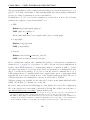
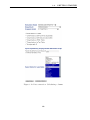
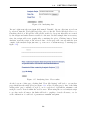
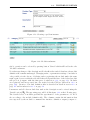
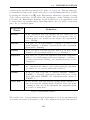
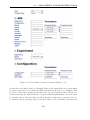
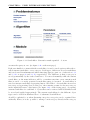
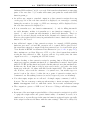
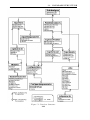
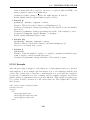
3. The set of all input fields for parameters is divided into several groups. One
group provides a selection box to the user where the user can choose a name
from among all parameters known to the testbed related to the problem type
selected. Attached to this selection box is a text input field to enter values for
the parameter. These input fields are named ’Parameter Name’ and ’Parameter
Value’, respectively. Input fields ’Parameter Name’ and ’Parameter Value’ only
work properly if used together. Another group of parameter input fields enables
the use to enter both parameter name and value as strings, possibly using regular
expressions for both. This kind of parameter input field is only available referring
to jobs and is located beneath the input field of the first group of parameter input
fields. The last group of input fields provide for entering a name or a value for a
parameter only, requiring any object in the search result to have set a parameter
with the entered name or requiring a parameter with arbitrary name who has been
assigned the value entered, respectively23 . These parameter input fields are labeled
’Only name’ and ’Only Value’, respectively.
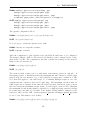
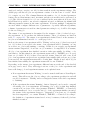
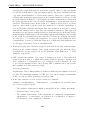
4. Depending on the object type parameter input fields are assigned to, they work
on different repositories of parameters:
• Parameter input fields assigned to type algorithm work on basis of hidden
parameters of algorithms. That is, the selection boxes will only propose
hidden parameters. Any value restriction entered thus can only refer to hidden
parameters.
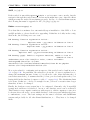
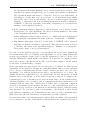
• Parameter input fields assigned to configurations and jobs work on all parameters that have be configured, i.e. provided with a value. Parameters that
have not been configured will not be used by the testbed when executing a
job and consequently will not be considered for the restriction induced by the
values entered in any parameter input field for types job and configuration.
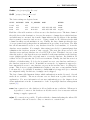
• Parameters which have been set to a default value can not be configured
in a configuration and consequently will not be considered in the repository
of parameter used for type configuration. Nevertheless, they show up as
parameters in connection with jobs, since these parameters are considered to
be set by the testbed. Therefore, they will be in the repository of parameters
used for jobs only.
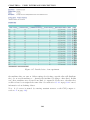
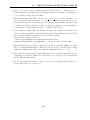
Note that the parameter names refer to the names as viewed by the testbed. Recall
from subsection 3.3.6 on page 107 on page 110 that parameter names as viewed by the
testbed are constructed from the parameter name as exported by the module definition
files, the position in the sequence of modules of an algorithm and the algorithm name.
If the user wishes only to refer to parameter names as exported by the module definition
files, wildcards and regular expressions as explained later can be used.
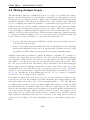
23
Value sets can be applied here, too.
156