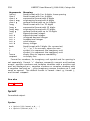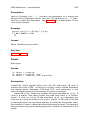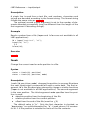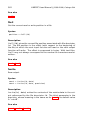
1
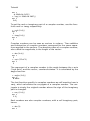
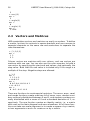
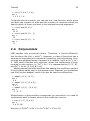
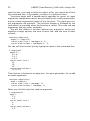
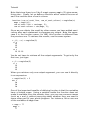
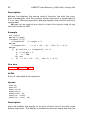
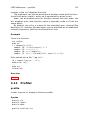
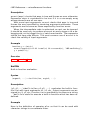
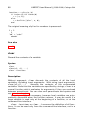
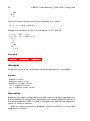
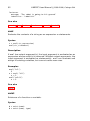
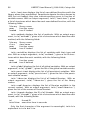
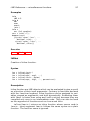
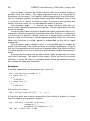
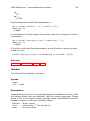
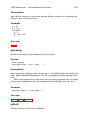
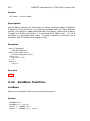
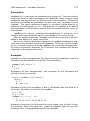
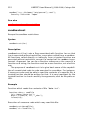
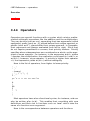
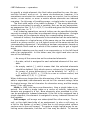
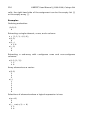
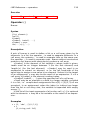
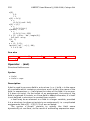
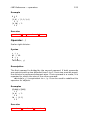
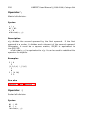
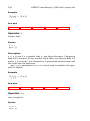
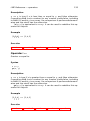
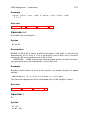
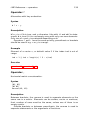
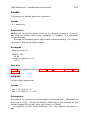
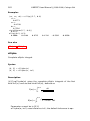
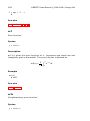
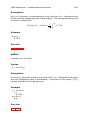
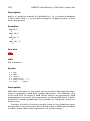
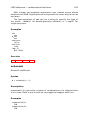
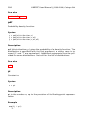
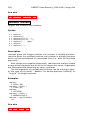
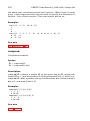
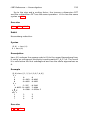
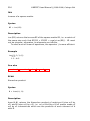
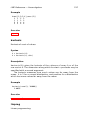
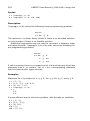
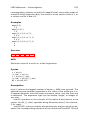
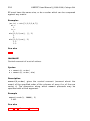
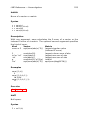
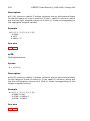
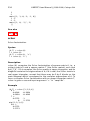
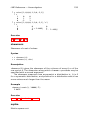
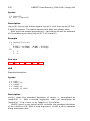
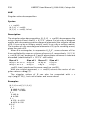
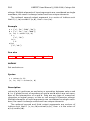
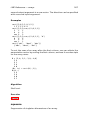
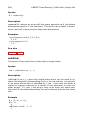
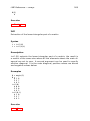
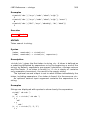
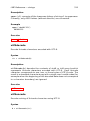
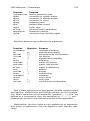
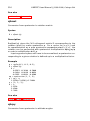
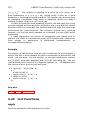
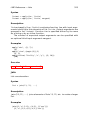
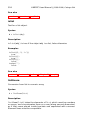
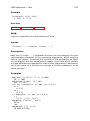
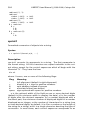
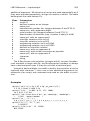
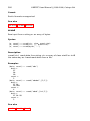
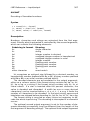
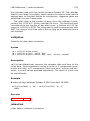
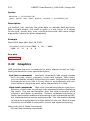
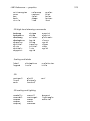
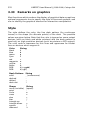
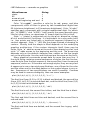
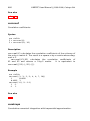
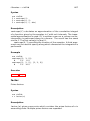
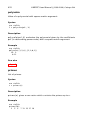
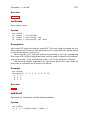
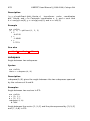
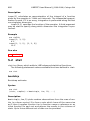
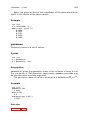
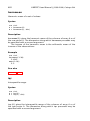
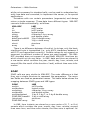
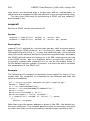
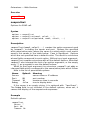
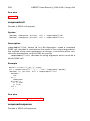
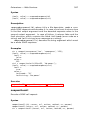
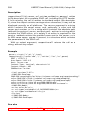
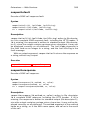
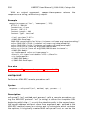
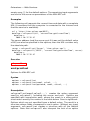
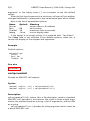
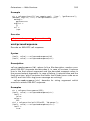
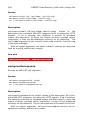
18 LMEPPC User Manual ©1999-2008, Calerga Sàrl The division symbol / denotes the multiplication by the inverse of the right argument (which must be a square matrix). To multiply by the inverse of the left argument, use the symbol \. This is handy to solve a set of linear equations. For example, to find the values of and y such that + 2y = 2 and 3 + 4y = 7, type > [1,2;3,4] \ [2;7] ans = 3 -0.5 Hence = 3 and y = −0.5. Another way to solve this problem is to use the inv function, which return the inverse of its argument. It is sometimes useful to multiply or divide matrices element-wise. The .*, ./ and .\ operators do exactly that. Note that the + and - operators do not need special dot versions, because they perform element-wise anyway. > [1,2;3,4] * [2,1;5,3] ans = 12 7 26 15 > [1,2;3,4] .* [2,1;5,3] ans = 2 2 15 12 Some functions change the order of elements. The transpose operator (tick) reverses the columns and the rows: > [1,2;3,4;5,6]’ ans = 1 3 5 2 4 6 When applied to complex matrices, the complex conjugate transpose is obtained. Use dot-tick if you just want to reverse the rows and columns. The flipud function flips a matrix upside-down, and fliplr flips a matrix left-right. > flipud([1,2;3,4]) ans = 3 4 1 2 > fliplr([1,2;3,4]) ans = 2 1 4 3 To sort the elements of each column of a matrix, or the elements of a row vector, use the sort function: