1
92
CHAPTER 2. MODELLER COMMANDS
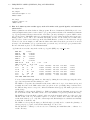
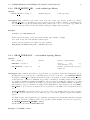
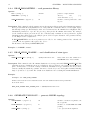
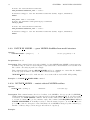
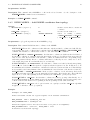
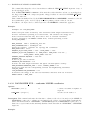
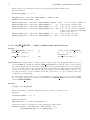
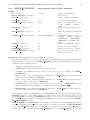
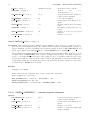
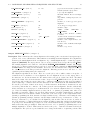
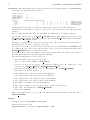
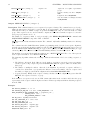
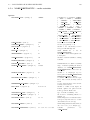
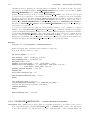
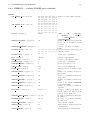
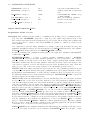
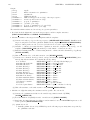
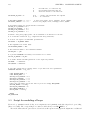
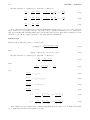
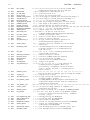
REMOVE GAPS = hlogical : 1i
on
SEARCH TOP LIST = hinteger : 1i
20
whether to remove all-gap positions in
input alignment
the length of the output hits list
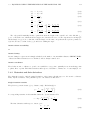
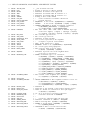
OUTPUT = hstring : 1i
’LONG’
’SHORT’ | ’LONG’
STOP ON ERROR = hinteger : 1i
1
whether to stop on error
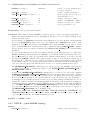
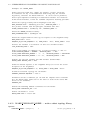
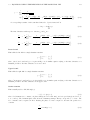
SEARCH SORT = hstring : 1i
’LONGER’
which sequence to use for normalization
when sorting the hit list: ’SHORTER’ |
’LONGER’
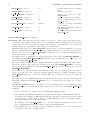
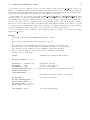
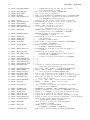
number of randomizations for calculating the significance of a sequence/sequence similarity
random seed from -50000 to -2
SEARCH RANDOMIZATIONS
hinteger : 1i
= 0
RAND SEED = hinteger : 1i
8123
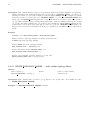
FAST SEARCH = hlogical : 1i
off
FAST SEARCH CUTOFF = hreal : 1i
1.0
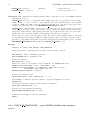
DATA FILE = hlogical : 1i
off
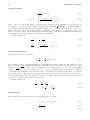
SIGNIF CUTOFF = hreal : 2i
4.0 5.0
whether to use fast sequence search or
not
if FAST SEARCH is ON only sequences
with database scan significance higher
than this value are considered for randomization significance
whether results go to a separate file or
not
cutoff for adding sequences to alignment,
max difference from the best
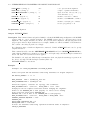
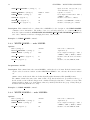
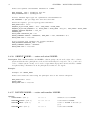
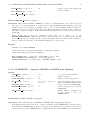
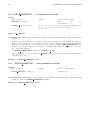
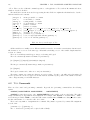
Requirements: Sequence database
Output: MODELLER STATUS = hinteger : 1i
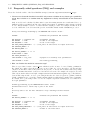
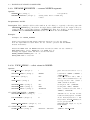
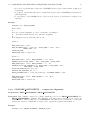
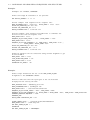
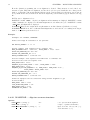
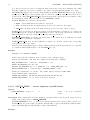
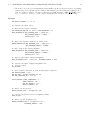
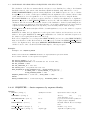
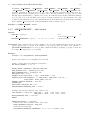
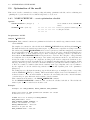
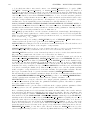
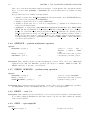
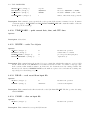
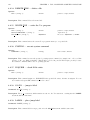
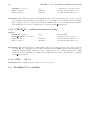
Description: This command searches a sequence database for proteins that are similar to a given target sequence.
Target sequence is read from file FILE.
ALIGN CODES specifies the code of the target sequence in the FILE file. If only one sequence is in the file,
you can use ALIGN CODES = ’all’ to read it without bothering about the actual sequence code.
The database of sequences to be scanned against must be read previously by the READ SEQUENCE DB
command.
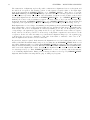
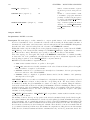
The command uses the dynamic programming method for the best sequence alignment, given the gap creation
and extension penalties specified by GAP PENALTIES 1D and residue type scores read from file RR FILE.
GAP PENALTIES 1D[1] is a gap creation penalty and GAP PENALTIES 1D[2] is a gap extension penalty.
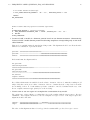
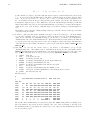
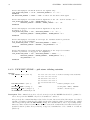
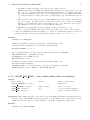
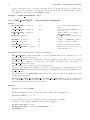
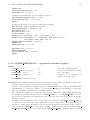
The SEARCH TOP LIST top hits are written to the log file at the end. The hits are sorted according to the
fractional sequence identity score obtained by dividing the number of identical residue pairs by the length of
the longer sequence (SEARCH SORT = ’LONGER’) or the shorter sequence (SEARCH SORT = ’SHORTER’).
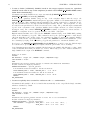
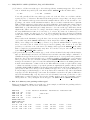
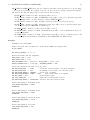
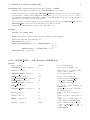
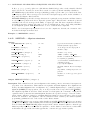
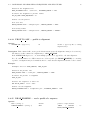
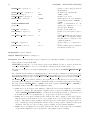
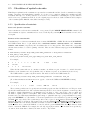
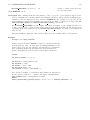
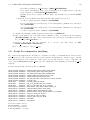
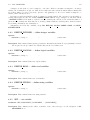
The final list of hits contains three different significance values:
1. SIGNI. Z-score from sequence randomizations. This is the most accurate significance score, but the
slowest one to calculate. For each pairwise comparison, the two sequences are shuffled a specified number
of times (SEARCH RANDOMIZATIONS) to obtain the mean and standard deviation of “random” scores
from which the Z-score for an alignment score of a given pair of sequences is calculated.
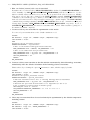
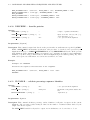
2. SIGNI2. Z-score for sequence identity from the database scan. After comparison of the target sequence
with all sequences in the database is done, the comparisons are sorted by the length of the database
sequence. The pairwise sequence identities of the 20 sequences closest in length to the target sequence are
used to calculate the average and standard deviation of the percentage sequence identities for subsequent
calculation of the Z-score for the percentage sequence identity of a given pairwise alignment.
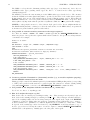
3. SIGNI3. Z-score for alignment score from the database scan. The procedure is the same as for SIGNI2,
except that the alignment scores are used instead of the pairwise sequence identities.