1
J74 Progressive (Standalone Edition) - User Manual
Page 29 of 47
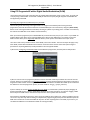
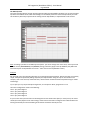
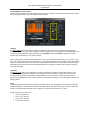
The color scheme
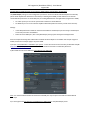
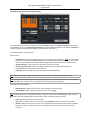
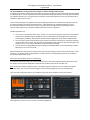
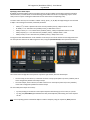
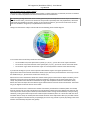
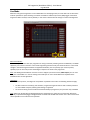
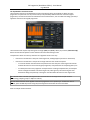
The colors follow a “spectrum of energy or temperature” logic to represent the magnitude of the tension level:
•
•
•
Green is used to represents the lowest tension (applicable to chords in the Diatonic region).
Moving counterclockwise increases tension (adds flats b's), with colors gradually changing from green to
cyan, blue, purple and finally red (the highest tension level), to signify the increased tension.
Moving clockwise also increases tension but on the opposite direction (adding #'s instead of b's). Colors
gradually change from green to yellow, orange and red again (this time reached from the other direction).
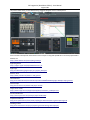
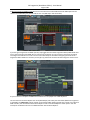
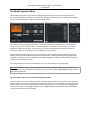
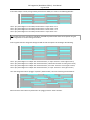
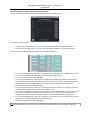
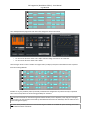
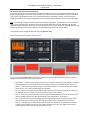
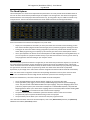
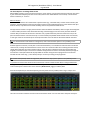
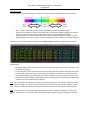
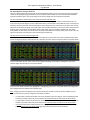
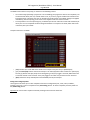
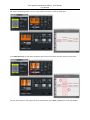
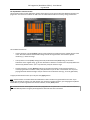
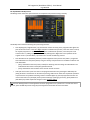
These are the colors shown by the Chord Explorer with [Show Tension] enabled and C Major as selected scale:
Interpretation:
•
•
•
All chords marked in Green add no tension (or just the tension level given by extension or alteration). They
are diatonic to the scale.
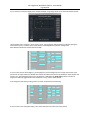
For forced chords you can notice that some forced-to-major chords are marked in Yellow (for instance the
second degree), while some forced-to-minor chords are marked in Cyan (degree 5). In both cases these
chords will add limited level of tension (give by a single accidental, as one note outside the scale is used).
Instead forced chords marked in Orange (forced majors) and Purple (forced minors) will add more tension
(with two or more accidentals being introduced).
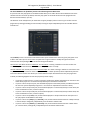
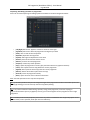
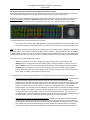
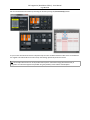
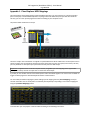
Note: when you change scale, chords tension colors are updated automatically. This applies to the diatonic modes
(major, dorian, phrygian, etc.) but also to more exotic scales (in the latter case, while the idea of Diatonic region is
gone, tension can still be calculated based based on the number of accidentals a forced chord would introduce).
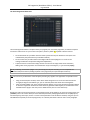
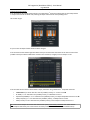
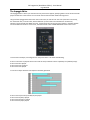
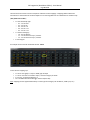
Note: a complementary view on the relationships between the chords is available using the Circle of Fifth view,
which is explained later in this manual. Use the views together to get a better grasp on why things are what they
are....