1
SECTION 1
INTRODUCTION
SECTION 2
REGISTRATION
SECTION 3
TRANSFERS
SECTION 4
PERFORMANCE
SECTION 5
BREEDER INFO
SECTION 6
BLOOD TYPING
BY-LAWS
SECTION 7
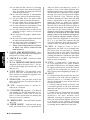
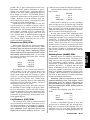
D = Caesarean section
E = Abnormal presentation, i.e. breach,
leg back, etc.
In order to maintain its reputation as an
easy-calving breed, Limousin breeders are
encouraged to place selection pressure on birth
weight. Birth weights should be taken within 48
hours following birth. For the purpose of transforming actual birth weight data into EPDs for
birth weight, the raw data must first be adjusted
for age of dam, since young dams typically have
progeny with lower birth weights than mature
dams. The objective of the age of dam adjustment is to correct the actual birth weight for the
environmental influence of age of dam, on the
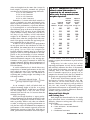
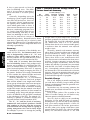
day the calf is born. Approximate Limousin age
of dam adjustment factors for bull and heifer
calves, which are added to the actual birth
weight by the NALF computer, are listed below:
Age of Dam
(Years)
Pounds of Adjustment
Bulls
Heifers
2
3
4
5
6 to 11
12 & older
+6
+4
+2
+1
0
+1
+5
+3
+2
+1
0
+1
Adjusted 205 Day Weaning Weights
Weaning weights are used to evaluate genetics for early growth and milk production. In
order for calves of the same sex and percent Limousin, with the same weaning group (WEAN
GROUP) and creep vs no creep management
codes to be in the same weaning contemporary
group determined by the NALF computer, all
calves in the group must be:
1) weighed on the same date,
2) at least 160 days of age and not older than
250 days of age.
The Date Calculation Wheel provided with
your original Member’s Manual should be used
to determine the range in possible dates appropriate for collection of weaning weights, such
that all calves are within the prescribed 90-day
age range. If you have more than a 90-day
range in birth dates, select a date when the
largest number of calves or the oldest calves will
be within the 90-day group, or weigh subsets of
the cattle on two separate dates. It is not necessary to actually wean the calves on the date
weaning weights are collected. Male calves castrated at weaning should be reported as bull
calves when weaning data are reported. If castrated prior to three months of age, male calves
should be reported as steers when weaning data
are reported.
As a reminder, scales used for collection of
weaning and yearling weights should be balanced before you begin processing cattle, and
checked after each animal is weighed.
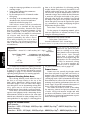
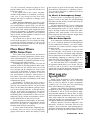
For purposes of calculating Adjusted 205 Day
Weights, the actual weaning weights are adjusted for age and age of dam (AOD) according to
the following formula:
NALF and the University of Georgia (UG) utilize
a sophisticated procedure for adjusting birth
weights. Rather than considering age of dam
rounded to the nearest year of age, NALF and the
UG adjust birth weights for age of dam, according
to the dam’s age in days, on the day the calf was
born. For more information on age of dam adjustments, please refer to the Breeder Information section of this manual, page E-9.
NALF and the UG form
birth weight contemporary
Actual
Actual
groups based on Herd Prefix
Weaning
–
Birth
Adjusted
Actual Continuous
or Birth Group, Sex, Percent
Weight
Weight
X 205 + Birth +
AOD
205 Day =
————————————
Limousin, Year and Season.
Weight
Age in Days
Weight Adjustment
Another environmental factor which influences birth
weight is the season of year in which the calf was
If actual birth weights were not reported,
born. Typically, calves born in the Spring are heavstandard birth weights of 80 lbs. for heifers and
ier than calves born in the Fall. To account for the
85 lbs. for bulls are used for this calculation.
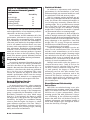
effects of season, the UG forms birth weight conThese standard weights are used only for purpostemporary groups based on season of birth, as
es of calculating adjusted 205 and 365 day
defined below:
weights.
Adjustments for AOD are made to help make
Season 1 = December 1 to February 15
adjusted
205 day weaning weights comparable
Season 2 = February 16 to May 30
across
various
ages of dams represented within a
Season 3 = June 1 to August 31
contemporary group, since younger dams typiSeason 4 = September 1 to November 30
cally express lower levels of milk production
((
D-16 – Performance
) )