1
22.7. THE TRANSMISSION CONTROL PROTOCOL (TCP)
285
erratically, which makes for unhappy users.
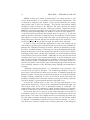
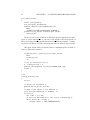
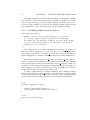
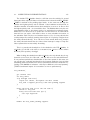
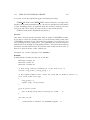
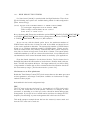
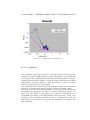
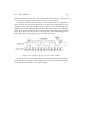
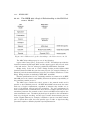
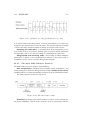
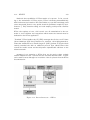
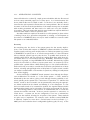
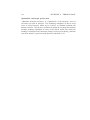
Another problem that can ruin TCP performance is the silly window syndrome (Clark, 1982). This problem occurs when data are passed to the sending
TCP entity in large blocks, but an interactive application on the receiving side
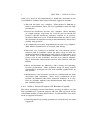
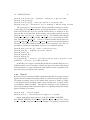
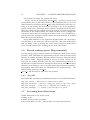
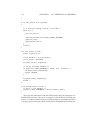
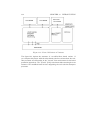
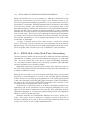
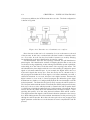
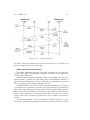
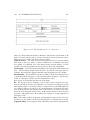
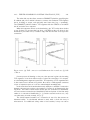
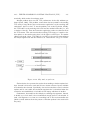
reads data 1 byte at a time. To see the problem, look at the Fig.22.24. Initially,
the TCP buffer on the receiving side is full and the sender knows this (i.e., has
a window of size 0). Then the interactive application reads one character from
the TCP stream. This action makes the receiving TCP happy, so it sends a window update to the sender saying that it is all right to send 1 byte. The sender
obliges and sends 1 byte. The buffer is now full, so the receiver acknowledges
the 1-byte segment but sets the window to 0. This behavior can go on forever.
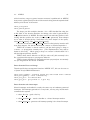
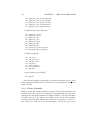
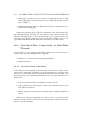
Figure 22.24: Silly window syndrome
Clarks solution is to prevent the receiver from sending a window update for 1
byte. Instead it is forced to wait until it has a decent amount of space available
and advertise that instead. Specifically, the receiver should not send a window
update until it can handle the maximum segment size it advertised when the
connection was established, or its buffer is half empty, whichever is smaller.
Furthermore, the sender can also help by not sending tiny segments. Instead,
it should try to wait until it has accumulated enough space in the window to
send a full segment or at least one containing half of the receivers buffer size
(which it must estimate from the pattern of window updates it has received in
the past).